

Previous Article
News
SPECTO Conference 2018 presentations now available!
On the 13th and 14th of September 2018, CEP and the West University of Timisoara organised the 7th edition of International Conference, SPECTO. The conference was held in Timisoara, Romania. The theme of the conference was “Multidisciplinary Perspectives in the Quasi-Coercive Treatment of Offenders”
The conference was opened by Prof. Dr. Marilen Gabriel Pirtea, Rector of the West University of Timisoara, Gerry McNally, President of the Confederation of European Probation, Assoc. Prof. Dr. Mariana Crasovan, Dean of the Faculty of Sociology and Psychology, West University of Timisoara and Prof. Dr. Mihaela Tomita, President of the SPECTO Conference, West University of Timisoara.
After the opening, the first plenary presentation about women imprisonment and resettlement in Europe was held by Gillian McIvor. Ms. McIvor said that women are a special group, because compared to men in prison, there are not many of them. Characteristics of women in prison are: low education, experience of abuse, mental, physical and other health problems. Many of them are mothers and have problems with alcohol and/or drugs. Ms. McIvor explained the general pathways for women into crime. One reason is poverty. In prison the vocational education is feminised and does not reflect the labor market. The presentation was followed by a round table on “Groups with special needs in community measures”, chaired by Willem van der Brugge, Secretary General of CEP.
The second plenary presentation was held by Ioan Durnescu with the title “Work as a drama -The experience of former prisoners on the labour market”. Ioan Durnescu stated that many former prisoners experiences that “the real sentence starts after release”. Ioan described the struggles of getting work after being in prison. The ones that are successful are in general the ones that have families or friends to help them in the labour market.
The presentation was followed by the second round table on “Community and its “Lenses” in Justice: Therapeutic Justice”, Chaired Maria Terzidou, Director of Greek REITOX Focal point.
After a well-deserved lunch, eight parallel breakout sessions took place. The theme´s varied from community sanctions versus custodial sanctions to migration and human trafficking to violent extremism. All interesting themes and in all groups lively discussions took place.
The third plenary session was about rebuilding family ties after serving a prison sentence. Attila Juhasz, vice chair in the Council of Europe’s group for Penological Co-operation (PC-CP) and former governor in the Hungarian Prison Service, talked about the struggles for families with one or both parents in prison. , Mr. Juhasz also informed the participants on the successful project “Storybook Mums”.
The last plenary session of the day was by Maria Terzidou, about “Health care in the prison settings in Greece and Europe”.
The second day
The second day started with a plenary presentation by CEP’s president Gerry McNally, who gave the audience an international perspective on people with special needs within correctional systems. His presentation was followed by a roundtable about supporting people with special needs in jail, chaired by Ioana Morar, vice Director of the Romanian National Administration of Penitentiary.
Ms. Jana Spero was the second plenary speaker on the programme. Her presentation was about working with people that suffer from post-traumatic stress disorders in the Croatian Prison and Probation Service. Since the war in Croatia during the 90´s, Croatia has a large amount of offenders that suffer from PTSD. They therefore developed working methods for this group of offenders with special needs.
The last plenary speech was held by Ms. Mihela Tomitha about resilience of special need groups in the criminal justice system.
It was conference packed with interesting presentations, a lot of discussions and a brilliant opportunity for academics and practitioners, mostly from the eastern part of Europe, to come together and share knowledge and best practices.
SPECTO Presentations
Presentation Gill McIvor ” Women’s imprisonment and resettlement in Europe”
Presentation Radu Năforniță “Some reflections about alcohol and drug use among Romanian students”
Presentation Atila Juhasz “They lived happily everafter”
Presentation Antoanela-Cristina Teoroc “The Impact of Therapeutic Community Program on Inmates”

Related News
Keep up to date with the latest developments, stories, and updates on probation from across Europe and beyond. Find relevant news and insights shaping the field today.
New
Technology
Registration deadline approaching: Join CEP’s final workshop of 2026 on technology in probation
22/10/2026
📢 Have you registered yet? CEP’s final workshop of 2026 takes place on 24 November in Barcelona, bringing together professionals to explore how technology is being used across probation services in Europe.
The Workshop on Alternatives to Detention and Technologies: Deep Diving into New Trends will look beyond artificial intelligence to examine the different ways technology is shaping probation practice, from staff training to working with clients and collaborating with other criminal justice partners.
Recap
Directors General Meetings
CEP Leadership Excellence Training: strengthening leadership and cooperation across Europe
22/10/2026
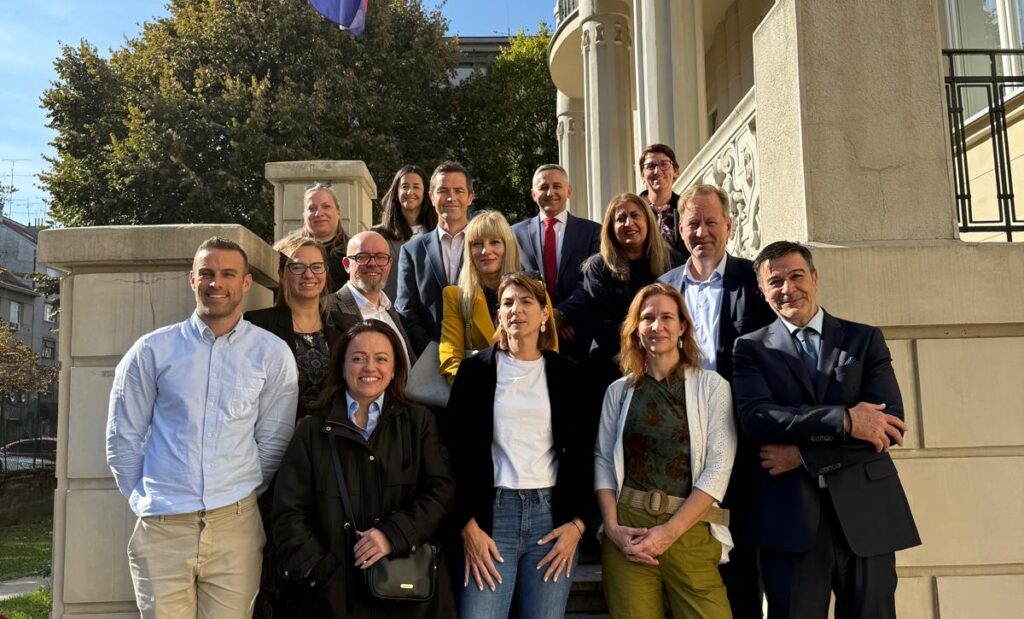
The CEP Leadership Excellence Training, held on 20–21 October in Zagreb, Croatia, brought together Directors General and senior probation managers from 11 European countries for a two-day interactive programme focused on leadership, communication, staff development, and international cooperation.
New

CEP
Call for Proposals: Evaluation of CEP Expert Groups
21/10/2026
On behalf of Ms. Jana Špero Kamenjarin, CEP Secretary General, it is my pleasure to invite you to submit a proposal to conduct an evaluation within the CEP work programme.
Recap
Uncategorized
CEP at UNODC: Contributing to the Development of Probation Services Worldwide
19/10/2026
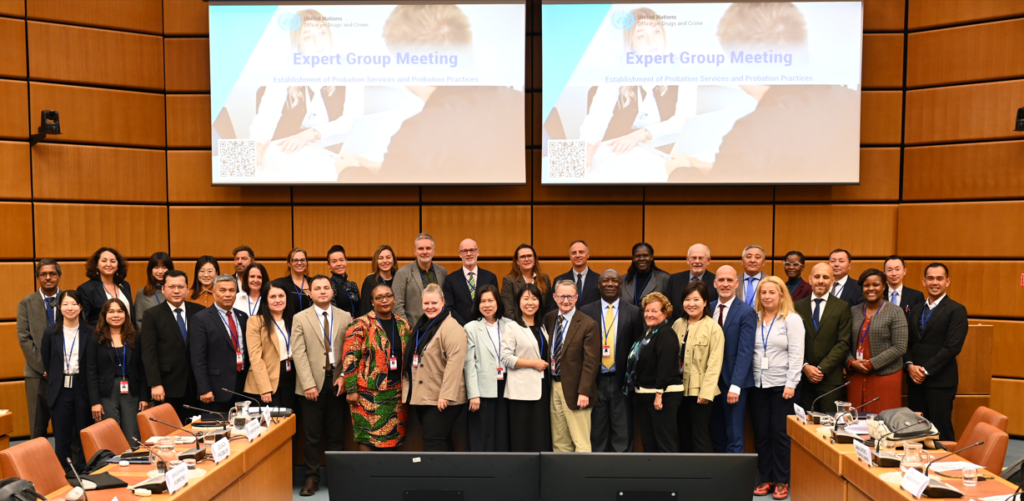
The Confederation of European Probation (CEP) was represented by its Secretary General, Jana Špero Kamenjarin, at the Expert Group Meeting on the Establishment of Probation Services and Probation Practices, organised by the United Nations Office on Drugs and Crime (UNODC) and held at the Vienna International Centre (VIC) from 12 to 14 October 2026.
Recap
Electronic monitoring, Technology
14th Electronic Monitoring Conference, Electronic Monitoring in a Changing World – Perception vs Reality
08/10/2026
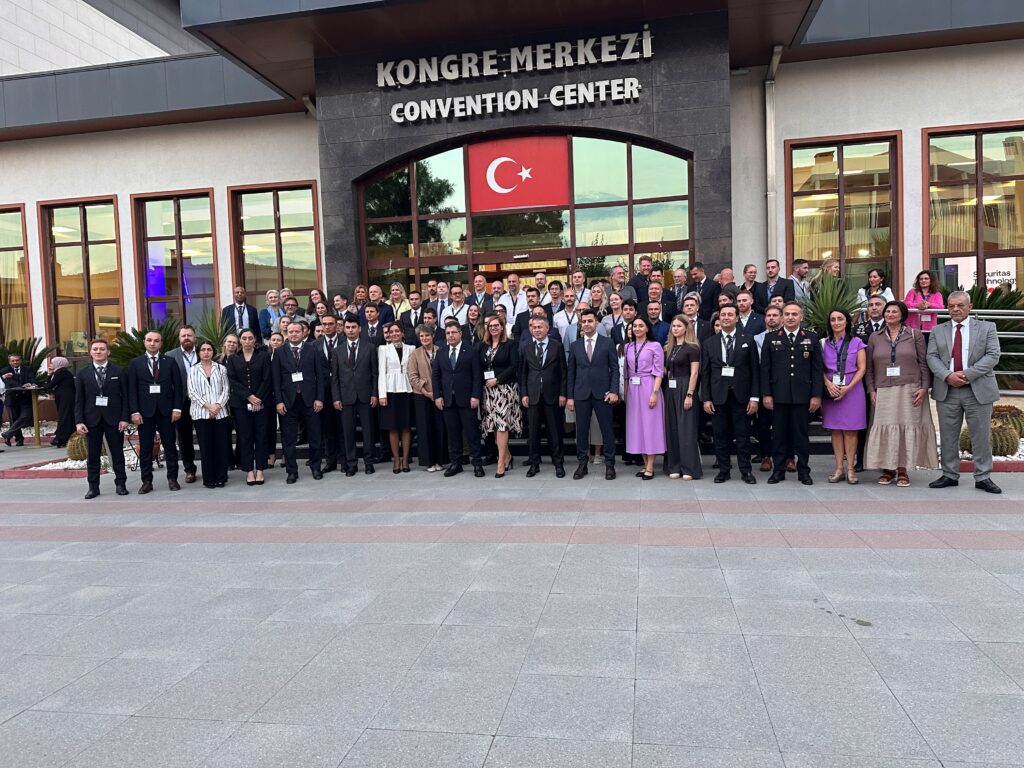
On 6-8 October 2026, Antalya hosted the 14th Electronic Monitoring Conference “Electronic Monitoring in a Changing World – Perception vs Reality”. More than 350 participants coming from 32 countries across Europe and worldwide representing probation services, Ministries of Justice, victims´ services, EM providers, researchers as well as local participants representing the Turkish Prison and Probation Service gathered to discuss how electronic monitoring (EM) is understood by all stakeholders involved including the victims and the public, and how these perceptions compare to the evidence and experiences of those affected. While the gap between perception and reality in electronic monitoring has been recognised for over a decade, the rapid expansion of EM into areas such as victim protection, high-risk supervision and digital innovation has brought new challenges and questions to the forefront.
Recap
ITSCCS
Core Correctional Skills in Digital Probation: highlights from the 6th ITSCCS in Barcelona
05/10/2026
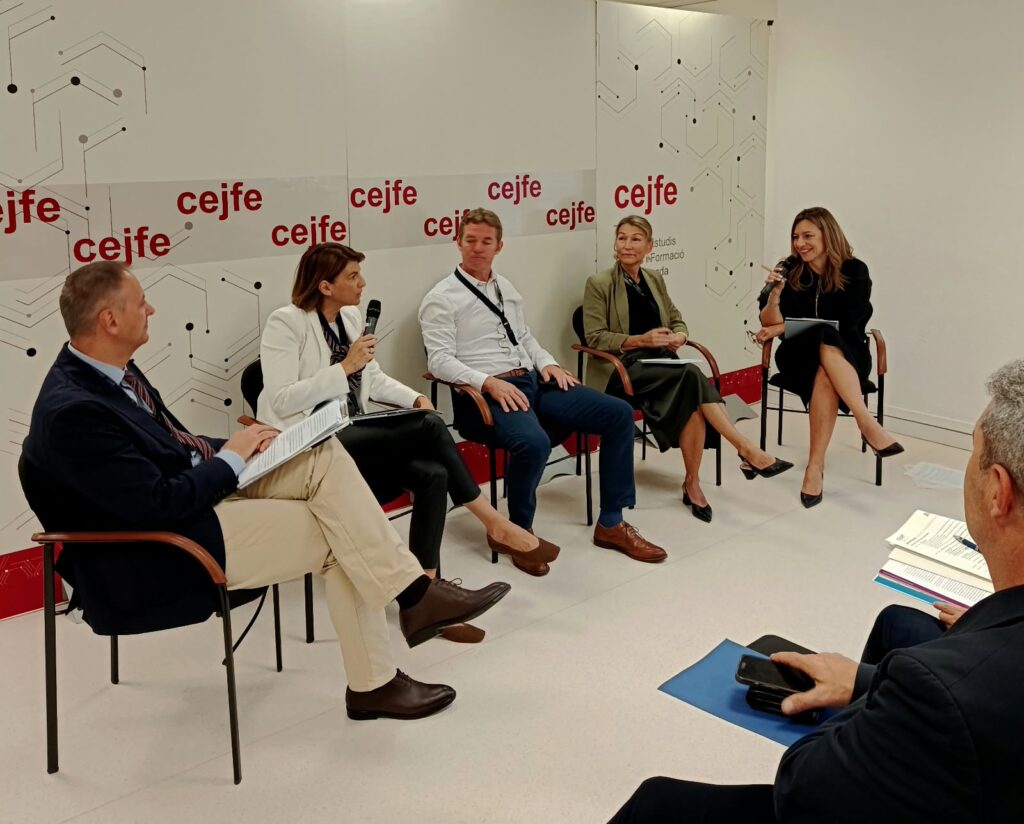
The sixth International Training School on Core Correctional Skills (ITSCCS) took place in Barcelona from 28 September to 2 October 2026, bringing together 26 participants for a week of learning, practical training and international exchange. Organised by the Confederation of European Probation (CEP) and the Centre for Legal Studies and Specialised Training (CEJFE), the programme focused on “Clicks and Empathy: Core Correctional Skills in Digital Probation.”
Subscribe to our bi-monthly email newsletter!
"*" indicates required fields
- Keep up to date with important probation developments and insights.