

Previous Article
News
Resocialisation of extremist offenders: Long-term approaches of the Violence Prevention Network in Germany
An article by Ariane Wolf. She is responsible for International Affairs and Transnational Cooperations for the German NGO Violence Prevention Network (VPN). Starting in 2001, VPN was one of the first organisations in Europe that offers programmes dealing with deradicalisation and exit work, intervention and prevention both within and outside the prison context.
Hate crimes perpetrated by juveniles and adults motivated by ideological, racial or religious intolerance are not an odd occurrence. In 2016, security services estimated staggering numbers of extremists prepared to use violence as a means across different phenomena: 12100 violent right-wing extremists and 434 violent Islamist extremist. The total of Salafi scene members is estimated to be around 11000.
The exact share of those in prison for serious criminal offenses, which were motivated by ideological narratives remains unclear, while recidivism rates of those released from prison remain high.
Once these individuals are released from prison, what does it take for them to lead a life away from extremist groups? What can we do to prepare them for their release and avoid reoffending? Since Violence Prevention Network first started the pilot phase of working with right-wing hate crime offenders in juvenile prison in 2001, these are the central questions our programmes seek to address.
Reintegration needs to start within prison
The inmates we work with in our voluntary disengagement trainings are mostly young and juvenile offenders, who are either convicted for ideologically or religious motivated crimes and/or are part of extremist groups in prison. Enabling them to move away from extremist scenes and violent ideologies requires trustful, long-term training on a voluntary basis and tailored training content.
Being incarcerated, as we know from literature and experience, is a moment of vulnerability for those going through it. In many cases, prison sentences show negative impact on wellbeing, mental health and social surroundings outside of prison. They may strengthen membership in criminal networks or contribute to (further) radicalisation.
Most European penal systems intend on releasing prisoners sentenced for ideologically motivated violence or terrorist offences in the future. Using this time window in prison to start fostering dialogues with radicalised offenders is therefore of vital importance. This time and space should be used meaningfully, as it presents a unique opportunity for reaching individuals who on the outside would be very difficult to engage with while surrounded by their group.
Our trainings take place on a voluntary basis and are firmly grounded in the long-term trustful working relationship between our practitioners and clients. Trainings focus on eye-level dialogue without degrading rhetoric and becoming a reliable partner in working on change processes together. These processes are about critical questioning of one’s own position, situation and opinions with the goal of supporting self-responsibility, autonomy of decisions and forming of one’s own independent opinion. These skills are of critical importance in preparing for the time after prison.
Reintegration efforts need to start long before and continue after release. The processes of change may take years of good work before becoming visible. Newly learned behaviours and plans can be fragile when faced with the “gap” after prison, the isolation and difficulties in reintegration. Offering help and guiding individuals through this “real life testing” and connecting lessons learned to everyday scenarios is crucial to our work. Continuing work after release builds on the months of trust and work between practitioner and client and has been instrumental in offering stability of support in a time of extreme change after prison.
Working with individuals – and their social context
Key factors to support deradicalisation, such as stable relationships, inclusion and trust-based social interactions are absent in the prison context. Using the window of opportunity to work with radicalised offenders in prison offers them an alternative contact and positive influence.
Rehabilitation needs to include the whole social environment of the client: working with families, schools or potential work places and friends. In essence, for individuals this process is about building a scenario and environment to return to.
Forming strong cooperation
A useful approach to this complex task is shaping a broad variety of interventions, methods and approaches. No one actor or method can solve this problem single-handedly. This means enabling different actors and strong cooperation between governmental and non-governmental actors in partnership.
There is strategic value in making space for civil society as these can authentically offer an outside, alternative contact away from the usual forms of interaction in prison. Being seen as an outside actor can be a door-opener and enable building trust, the basis of any deradicalisation and related counselling.
However, the role of external staff also comes with restrictions. While our practitioners are in prisons once or twice a week for trainings, it is prison staff who are there on a daily basis. This closeness to inmates can give much insight into the daily struggles, changes and use of newly formed skills relevant to our work. Radicalised individuals often see experiences of powerlessness and humiliation in prison as re-affirmation of their ideology. The everyday interactions in prison can therefore play a vital role of reconfirming or moving away from a certain ideology and mind-set. In our trainings for prison staff, we highlight the important role of different actors in leveraging their positive influence in this process of change.
Violence Prevention Network implements its programmes in close cooperation with prison authorities and staff, as well as probation and other relevant outside actors. This close cooperation between different actors, their diverse roles, competencies and potentials complement one another in making reintegration after prison work.
VPN focuses on working with ideologically motivated hate crime offenders and those at risk of being recruited by right-wing extremists and Islamist extremists, including so-called “returning fighters” from Syria and Iraq. The comprehensive and tailored methodologies used, are based on years of first-line experience and continuously updated research.

Related News
Keep up to date with the latest developments, stories, and updates on probation from across Europe and beyond. Find relevant news and insights shaping the field today.
New
Technology
Registration deadline approaching: Join CEP’s final workshop of 2026 on technology in probation
22/10/2026
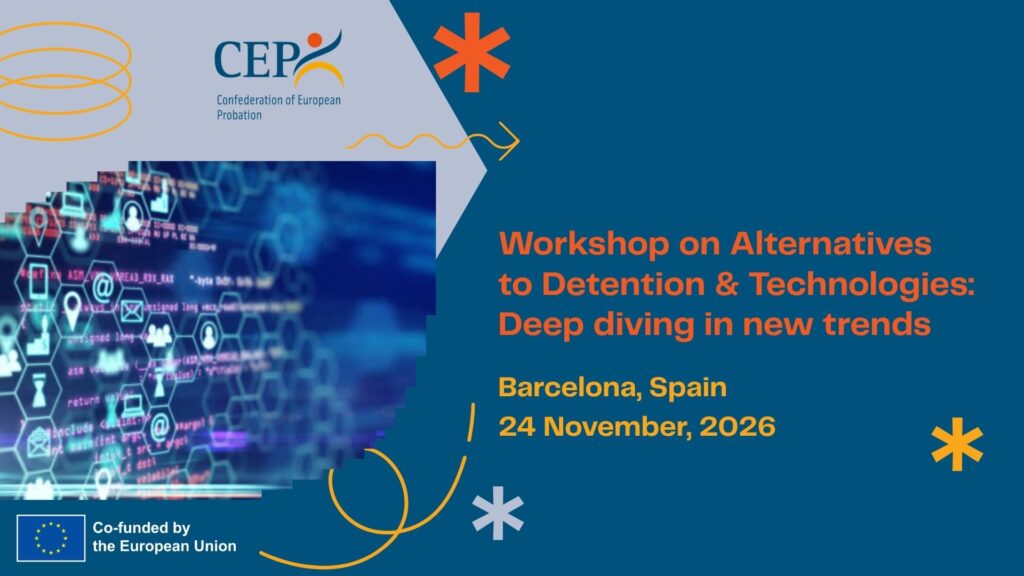
📢 Have you registered yet? CEP’s final workshop of 2026 takes place on 24 November in Barcelona, bringing together professionals to explore how technology is being used across probation services in Europe.
The Workshop on Alternatives to Detention and Technologies: Deep Diving into New Trends will look beyond artificial intelligence to examine the different ways technology is shaping probation practice, from staff training to working with clients and collaborating with other criminal justice partners.
Recap
Directors General Meetings
CEP Leadership Excellence Training: strengthening leadership and cooperation across Europe
22/10/2026
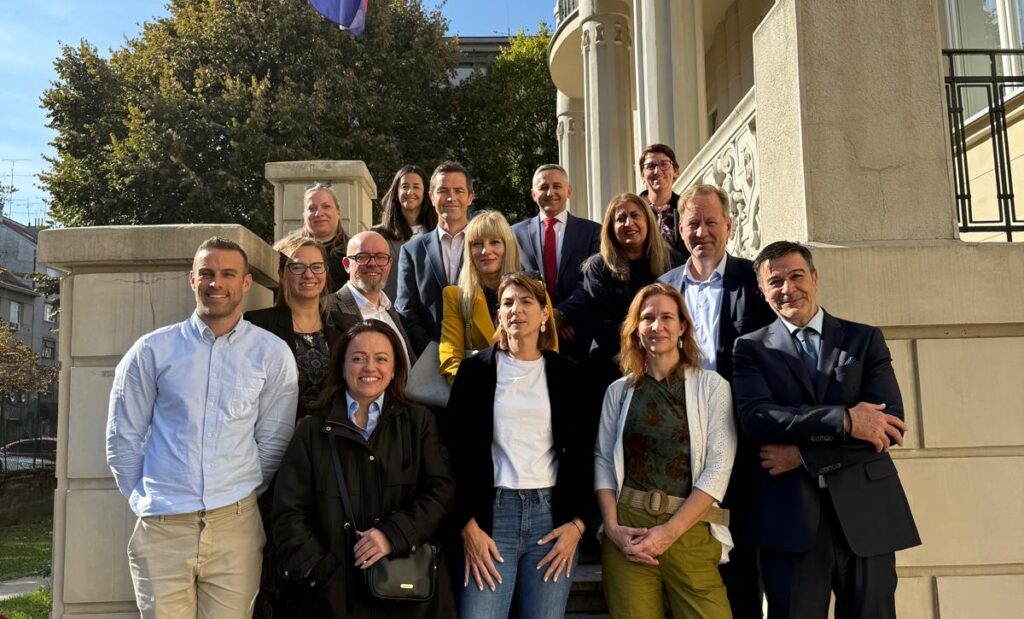
The CEP Leadership Excellence Training, held on 20–21 October in Zagreb, Croatia, brought together Directors General and senior probation managers from 11 European countries for a two-day interactive programme focused on leadership, communication, staff development, and international cooperation.
New

CEP
Call for Proposals: Evaluation of CEP Expert Groups
21/10/2026
On behalf of Ms. Jana Špero Kamenjarin, CEP Secretary General, it is my pleasure to invite you to submit a proposal to conduct an evaluation within the CEP work programme.
Recap

Uncategorized
CEP at UNODC: Contributing to the Development of Probation Services Worldwide
19/10/2026
The Confederation of European Probation (CEP) was represented by its Secretary General, Jana Špero Kamenjarin, at the Expert Group Meeting on the Establishment of Probation Services and Probation Practices, organised by the United Nations Office on Drugs and Crime (UNODC) and held at the Vienna International Centre (VIC) from 12 to 14 October 2026.
Recap
Electronic monitoring, Technology
14th Electronic Monitoring Conference, Electronic Monitoring in a Changing World – Perception vs Reality
08/10/2026
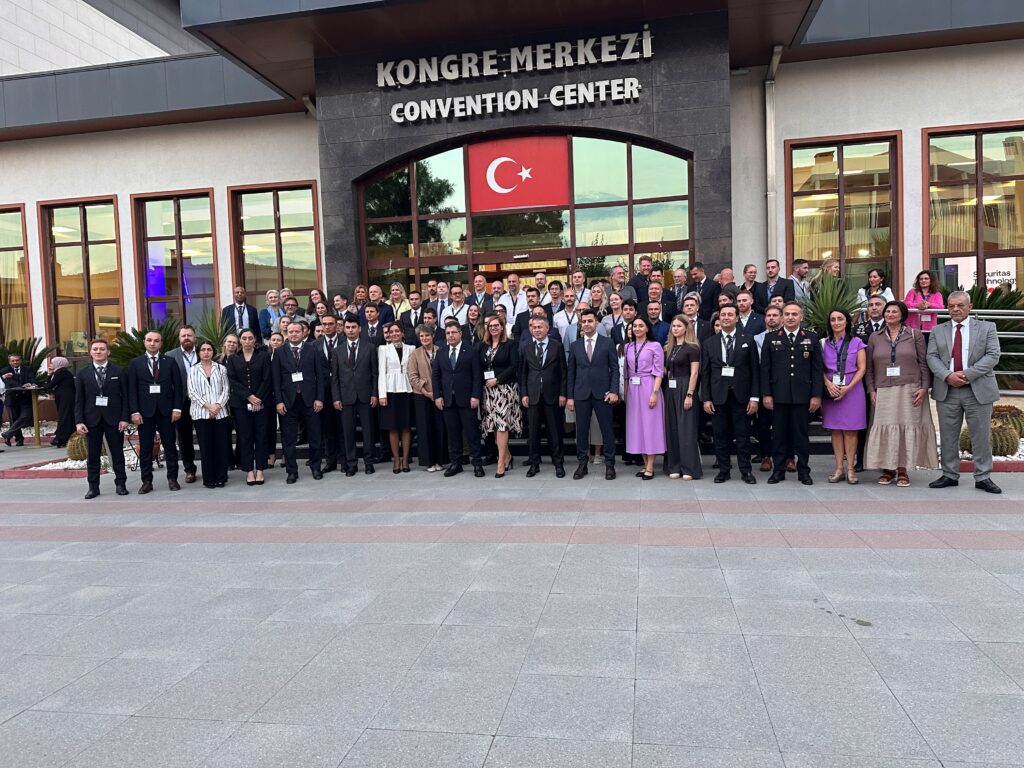
On 6-8 October 2026, Antalya hosted the 14th Electronic Monitoring Conference “Electronic Monitoring in a Changing World – Perception vs Reality”. More than 350 participants coming from 32 countries across Europe and worldwide representing probation services, Ministries of Justice, victims´ services, EM providers, researchers as well as local participants representing the Turkish Prison and Probation Service gathered to discuss how electronic monitoring (EM) is understood by all stakeholders involved including the victims and the public, and how these perceptions compare to the evidence and experiences of those affected. While the gap between perception and reality in electronic monitoring has been recognised for over a decade, the rapid expansion of EM into areas such as victim protection, high-risk supervision and digital innovation has brought new challenges and questions to the forefront.
Recap
ITSCCS
Core Correctional Skills in Digital Probation: highlights from the 6th ITSCCS in Barcelona
05/10/2026
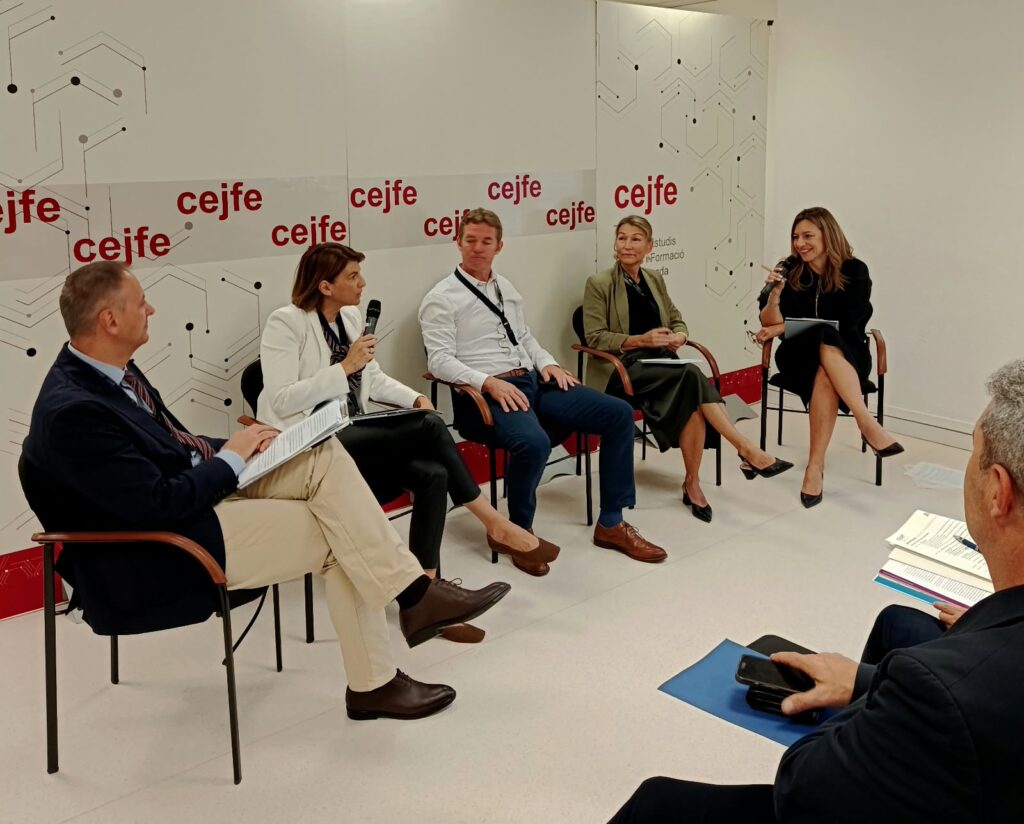
The sixth International Training School on Core Correctional Skills (ITSCCS) took place in Barcelona from 28 September to 2 October 2026, bringing together 26 participants for a week of learning, practical training and international exchange. Organised by the Confederation of European Probation (CEP) and the Centre for Legal Studies and Specialised Training (CEJFE), the programme focused on “Clicks and Empathy: Core Correctional Skills in Digital Probation.”
Subscribe to our bi-monthly email newsletter!
"*" indicates required fields
- Keep up to date with important probation developments and insights.