News
Recap: Workshop on Caseload and Workload
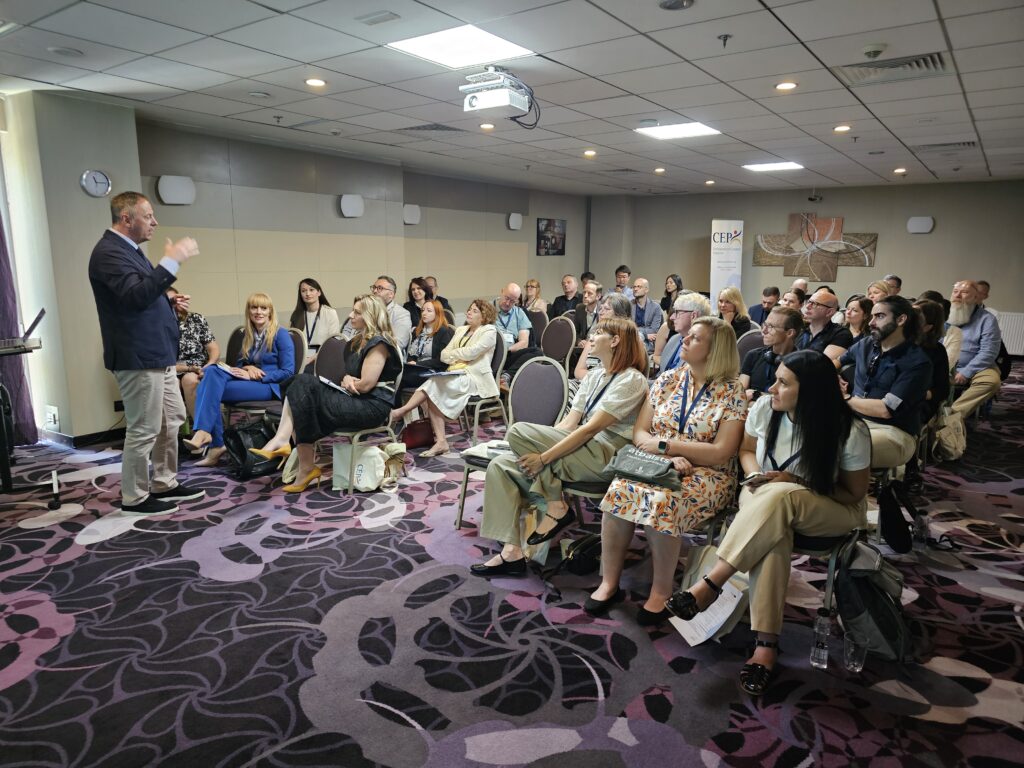
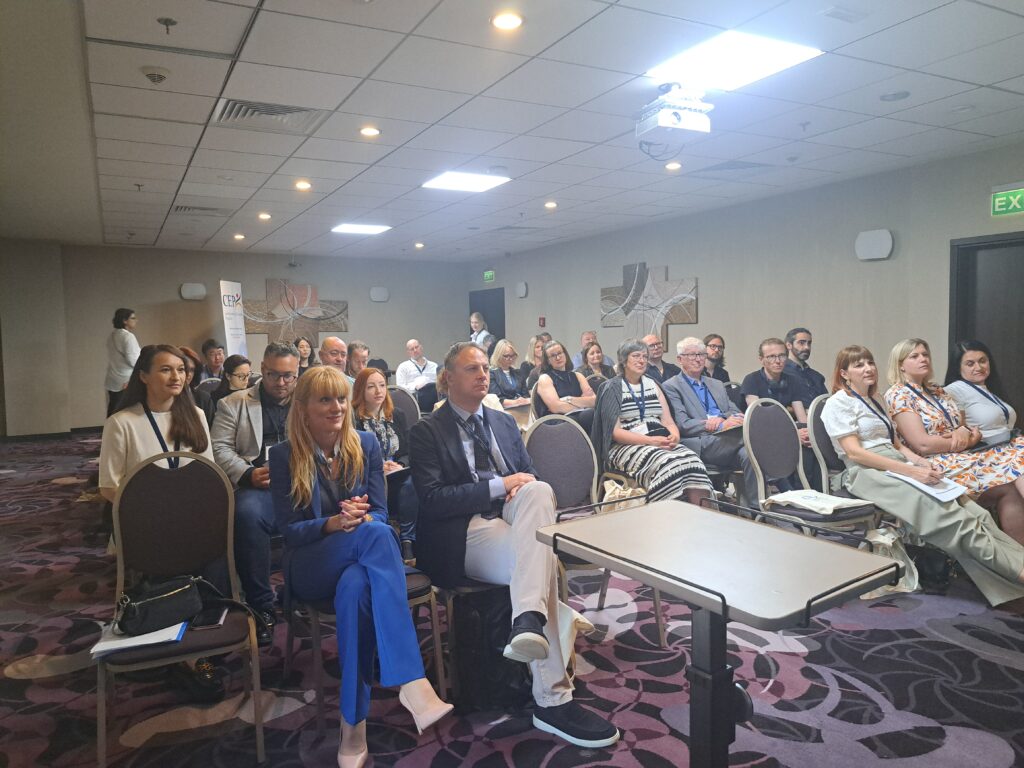
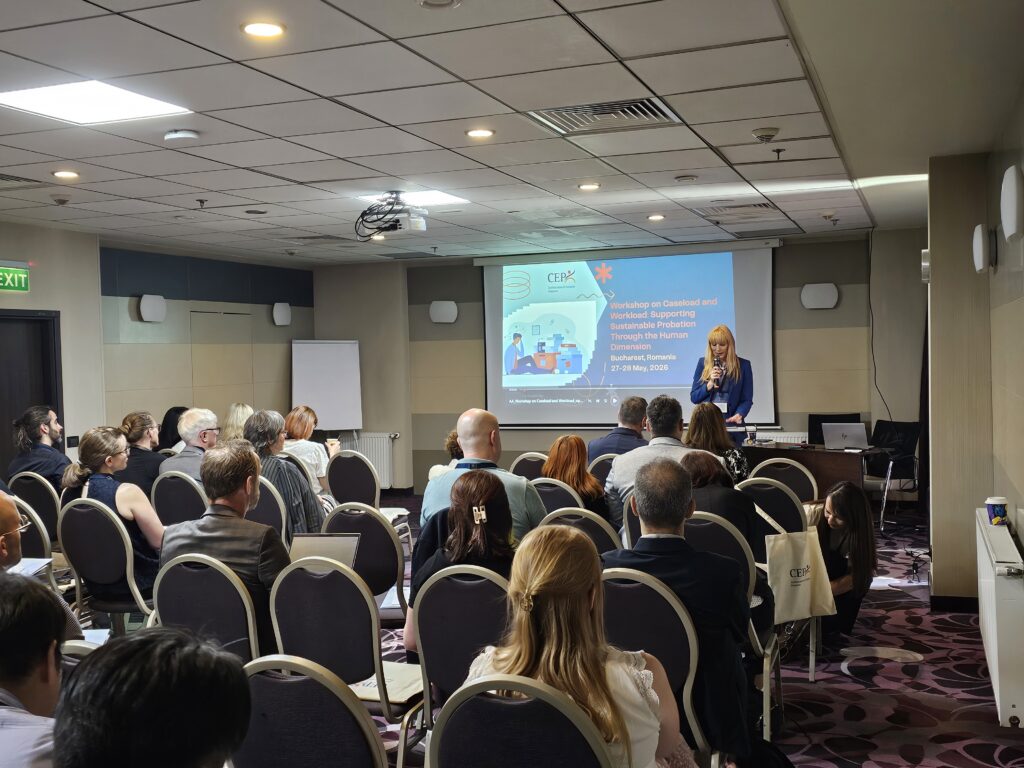
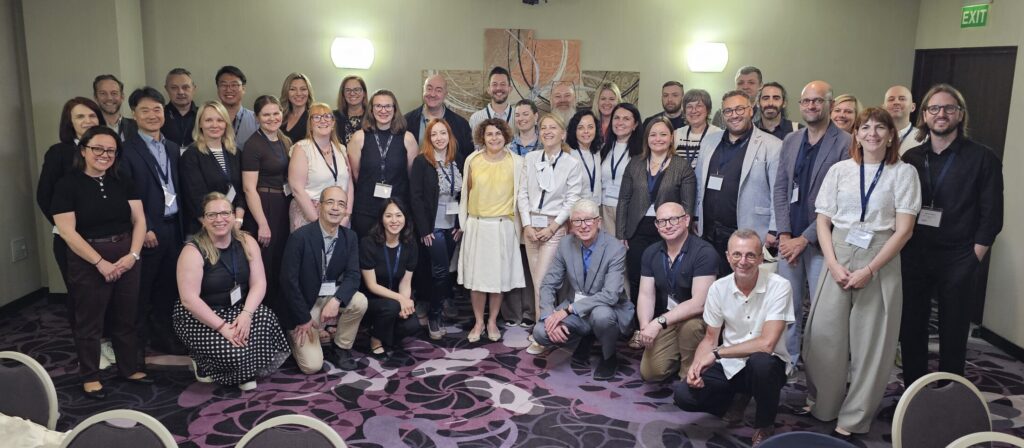
On 27 and 28 May 2026, Bucharest hosted the CEP Workshop on Caseload and Workload: Supporting Sustainable Probation Through the Human Dimension. With 40 participants representing 18 European jurisdictions, as well as delegates from South Korea, the workshop offered opportunities to exchange knowledge and develop strategies to manage the increasing caseload and workload in probation. Designed as an interactive space, it provided participants – practitioners, managers, researchers and experts – with reflections on current pressures within probation services and it explored practical, evidence‑informed solutions from across Europe.
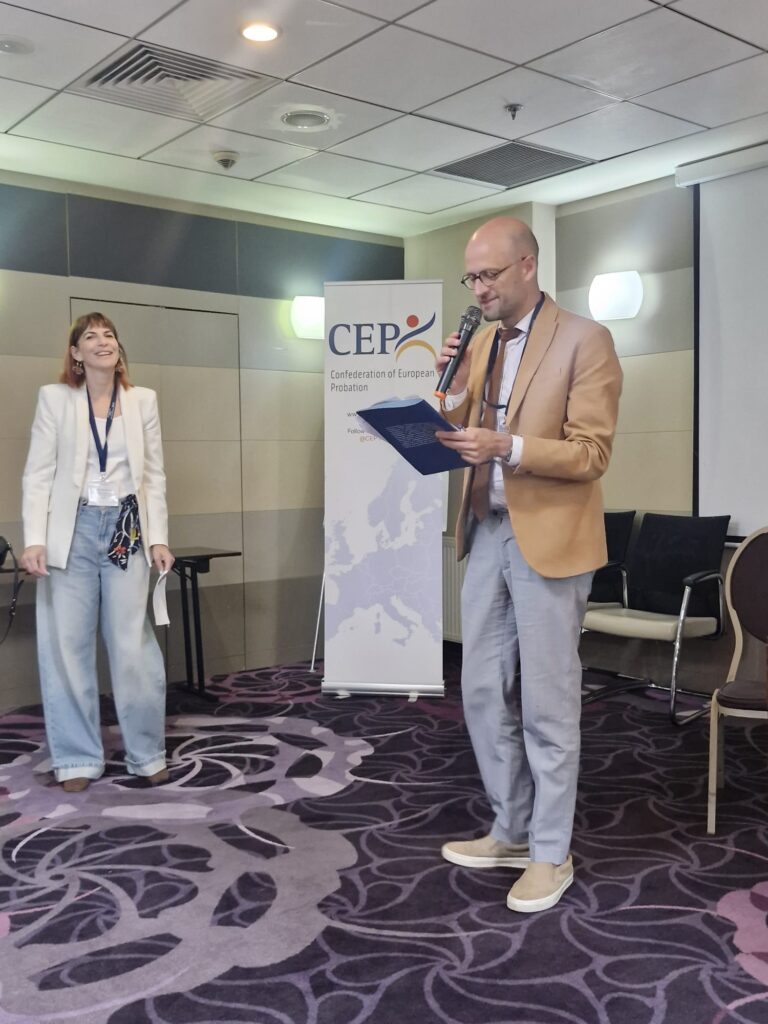
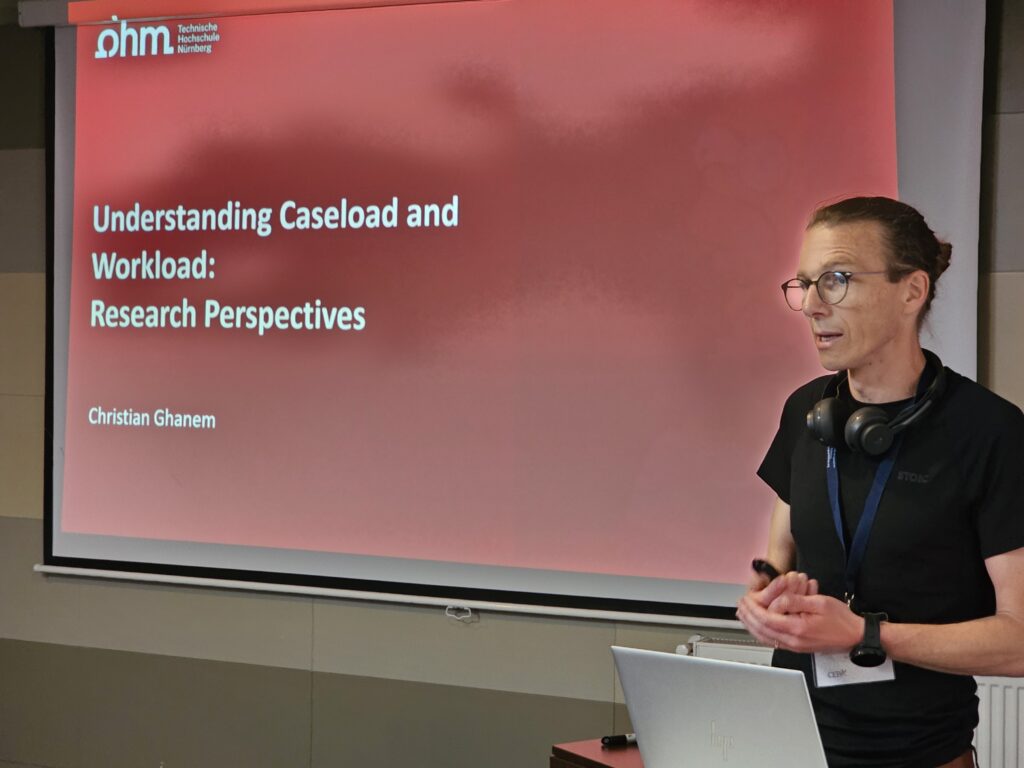
The two-day workshop was opened by the Deputy Director Diana Mustatea and CEP Secretary General Jana Špero Kamenjarin, who stressed the importance of a coordinated, evidence-based approach to addressing caseload and workload issues in probation. The continuing programme, combined with a research perspective presented by Prof. Christian Ghanem, who raised the question of how many cases are too many, has been raised since the very early stages of probation as a profession, yet has never been answered in a consistent way. Marian Badea, Prof. Ioan Durnescu and Liliana Lupsica then presented on the Romanian national and international practices. This included an analysis of probation counsellors’ perceptions in Romania, the impact of organisational policies and practices on workload, and findings from a pan-European study on staff morale and burnout.
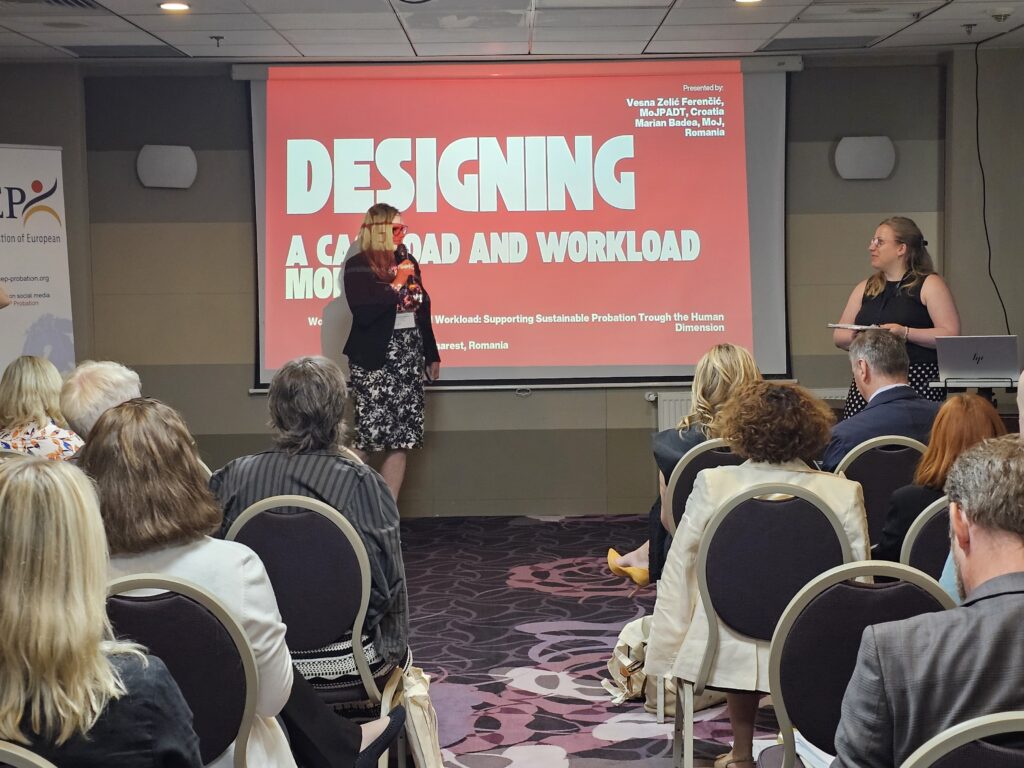
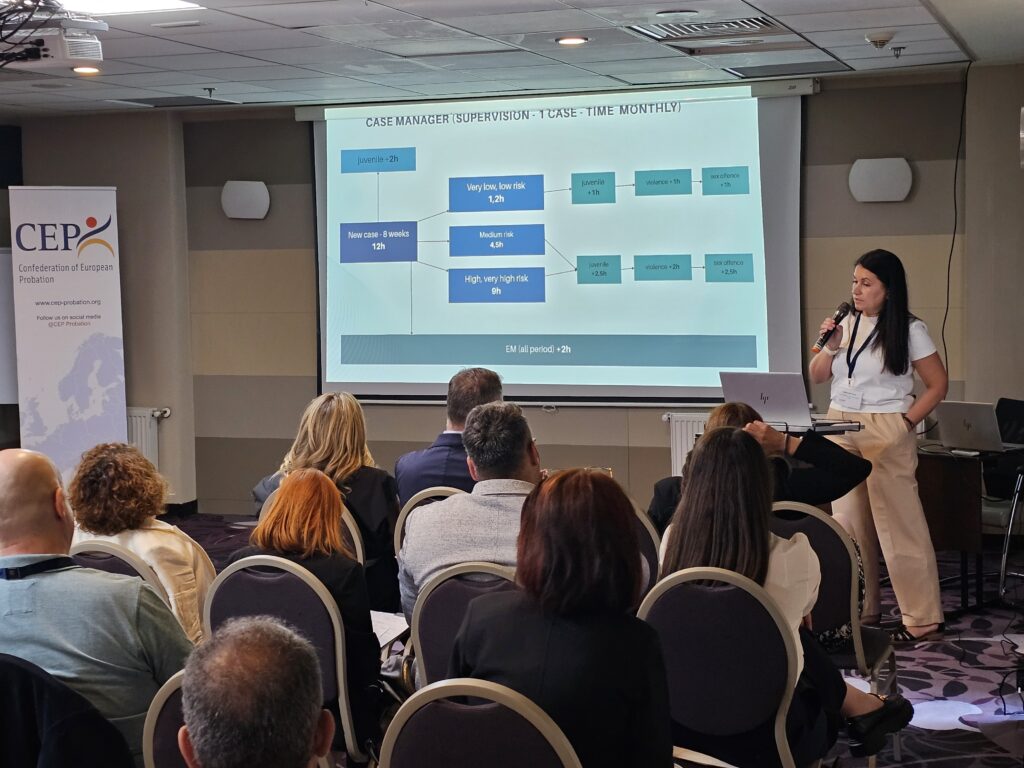
Vesna Zelic Ferencic, together with Marian Badea, introduced the Guidelines on Caseload and Workload (to be published in June 2026), concluding with a presentation of a roadmap for designing an effective caseload and workload model. As a follow-up, Aleksandra Kerna presented a practical example of how workload is approached in Latvia, which is also reflected in the Guidelines.
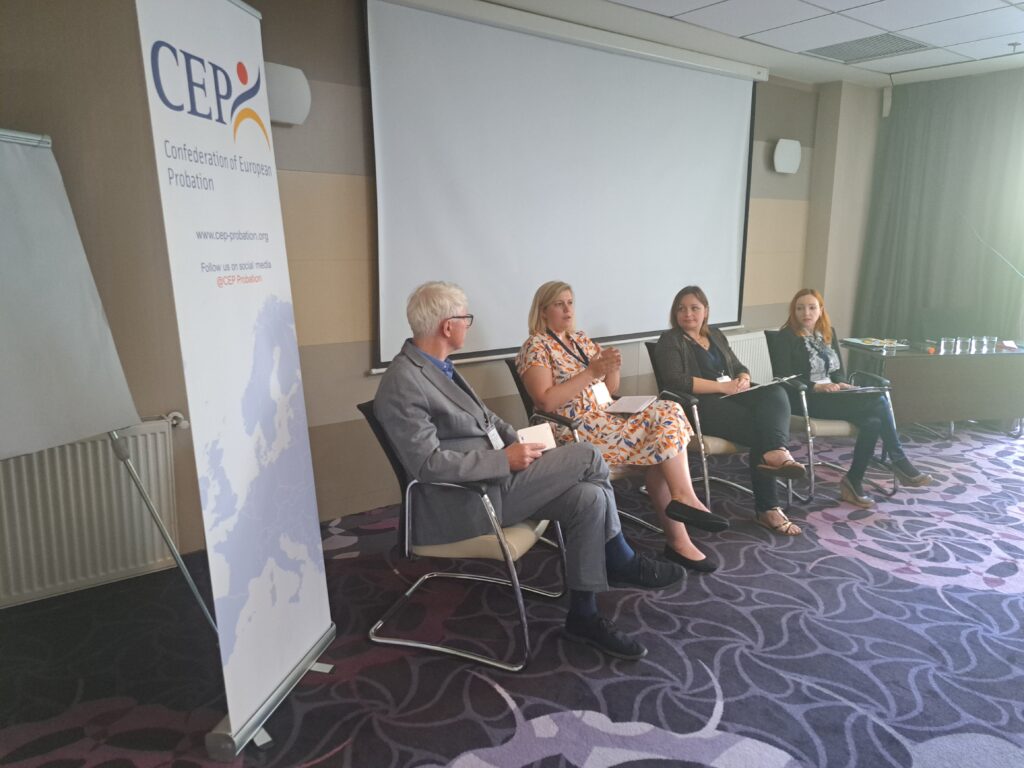
The afternoon interactive sessions included a roundtable moderated by Joachim Tein, focusing on the daily work of probation officers, including tasks, responsibilities, and the division of work. Experiences were shared by colleagues from Romania (Alexandra Belsiun Tomulescu), Latvia (Sintija Stivrina), and France (Marie-Sophie Biggio).
The final panel session explored how different models operate in practice across European jurisdictions, featuring examples from Flanders, Belgium (Ben van Heesch), Sweden (Ida Ulveryd), and England and Wales (Ian Barrow and Jon Matthews).
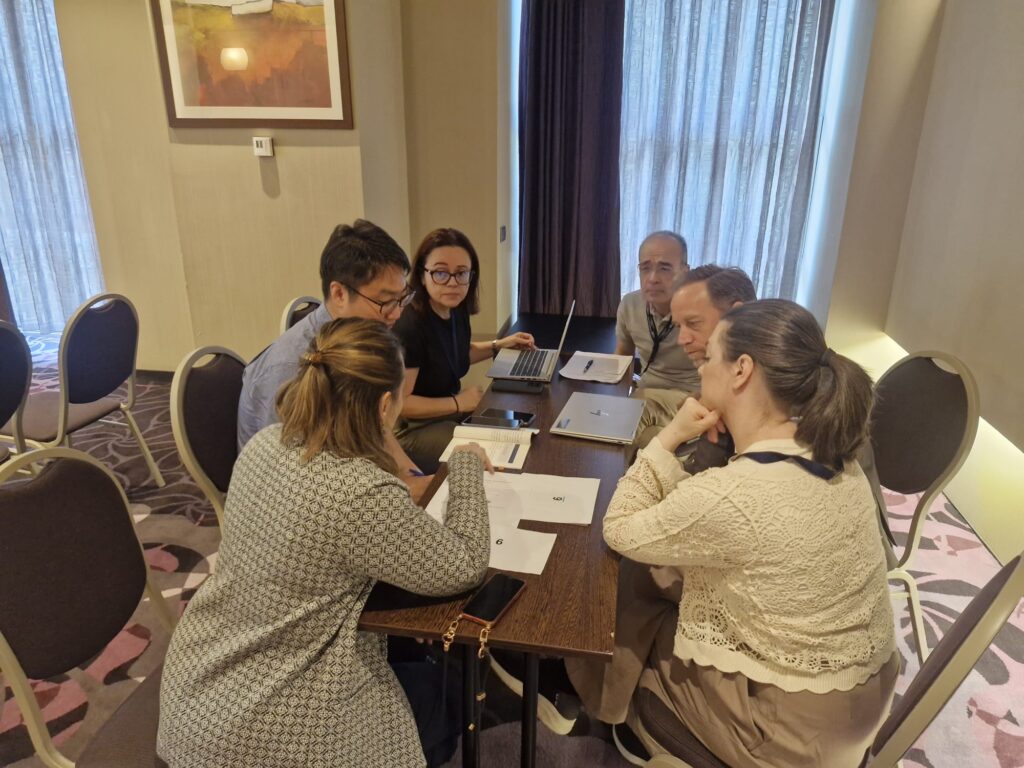
On Day 2, participants had a unique opportunity to engage with the topic through six different scenarios, each addressing specific challenges related to caseload and workload in the Practice Labs. The workshop concluded with an Idea Wall session, gathering participants’ feedback and forward-looking ideas to support the future development of sustainable probation practice.
The workshop was organised in cooperation with the National Probation Directorate, Ministry of Justice, Romania and CEP Expert Group on Caseload and Workload.
Report
The report will be available soon.
Presentations
Understanding Caseload and Workload: Research perspective
by Prof. Christian Ghanem, Technical University of Nuremberg, Germany
Caseload and Workload: Human Dimension in Probation in the Romanian and International Practices
by Prof. Ioan Durnescu, University of Bucharest, Romania
Caseload and Workload: Human Dimension in Probation in the Romanian and International Practices by Marian Badea, National Probation Directorate, Ministry of Justice, Romania
by Liliana Lupsica, National Probation Directorate, Ministry of Justice, Romania
Caseload and Workload: Human Dimension in Probation in the Romanian and International Practices
by Marian Badea, National Probation Directorate, Ministry of Justice, Romania
Designing a Caseload and Workload model
by Vesna Zelic Ferencic, Ministry of Justice, Public Administration and Digital Transformation, Croatia and Marian Badea, National Probation Directorate, Ministry of Justice, Romania
Measuring Caseload Effectively
by Aleksandra Kerna, State Probation Service of Latvia
How to handle too much? – Swedish perspective
by Ida Ulveryd, Swedish Prison and Probation Service, Sweden
Practice Example: Case Flanders
by Ben van Heesch, Probation Agency, Flanders-Belgium
Caseload and Workload: Case England and Wales
by Ian Barrow and Jon Matthews, HMPPS, England and Wales
Related News
Keep up to date with the latest developments, stories, and updates on probation from across Europe and beyond. Find relevant news and insights shaping the field today.
Communication and Awareness-Raising
Expert Group on Communication and Awareness-Raising
18/06/2026
On 16–17 June 2026, the CEP Expert Group on Communication and Awareness Raising met in Bristol, United Kingdom, for a face-to-face meeting. The meeting was hosted by Interventions Alliance and chaired by Michael Baker, Deputy Chief Executive and Lead for Research and Communications, who also leads the Expert Group. Suki Binning, Chief Executive Officer of Interventions Alliance, also joined parts of the programme and welcomed the group during the visit.
CEP members
CEP visits member Interventions Alliance
18/06/2026
On 16 June 2026, CEP Secretary General Jana Spero Kamenjarin and Communications Officer Hannan Amnad visited Interventions Alliance in the United Kingdom. During the visit, they met with Suki Binning, Chief Executive Officer, Ellie MacCarter, Chief Officer for Operations, Graham Wines, Chief Officer – People and Professional Standards, and Michael Baker, Deputy Chief Executive and Lead for Research and Communications, who also serves as Chair of CEP’s Expert Group on Communication and Awareness-Raising.
Technology
Beyond the Headset: What the VR-TooL Pilot Tells Us About the Future of Probation Training
18/06/2026
This initiative is funded through the Erasmus+ project “Virtual Reality: A Tool in the Treatment of Offenders and Education of Probation Officers,” implemented in partnership with the Ministry of Justice, Public Administration and Digital Transformation of Croatia, ESC from Romania, and BeCure from Germany. It focuses on two main components: the development of VR content for offender rehabilitation programmes and VR-based training for probation officers.
The VR content is grounded in Core Correctional Skills and is designed to support both practical skill development and a rehabilitative approach. Virtual reality is introduced as an innovative complement to existing practice, enhancing offender treatment and professional training while supporting, rather than replacing, personal interaction.
Communication and Awareness-Raising
CEP signs a Memorandum of Understanding with Yellow Ribbon Czechia
15/06/2026
On Thursday, 11 Jun 2026, CEP Secretary General Jana Špero Kamenjarin and Director of Yellow Ribbon Czechia Veronika Friebova confirmed its long-standing partnership by signing a Memorandum of Understanding which outlines their shared goals and areas of collaboration.
Gender-based violence
Strengthening European Cooperation on Gender-Based Violence in Probation: CEP Meetings Held in Lisbon
10/06/2026
On 8 and 9 June 2026, CEP brought together practitioners, policymakers, researchers and partner organisations in Lisbon for two important meetings focused on strengthening the probation response to gender-based violence across Europe.
Overcrowding and Netwidening
Call for nominations Joint Expert Group on Prison Overcrowding and Probation Netwidening (EuroPris & CEP)
09/06/2026
For a new expert group starting in 2026 we are looking for 8 experts (4 from CEP, 4 from EuroPris) interested to join the Joint Expert Group on Prison Overcrowding and Probation Netwidening run in cooperation between CEP and EuroPris.
Subscribe to our bi-monthly email newsletter!
"*" indicates required fields
- Keep up to date with important probation developments and insights.