

Previous Article
News
Probation in Ukraine takes successful steps to implement the international standards
Probation exists in the world for more than 200 years. In Ukraine it was created 5 years ago. What is the reason of such choice?
No doubts, that any criminal offense should result in the criminal punishment. In the minds of ordinary citizens such punishment has a strong association with imprisonment. However, international practice demonstrates a different approach to punishing people who have committed crimes and do not endanger lives and health of other people. Probation is the alternative to imprisonment. At various levels it proves the effectiveness, feasibility and usefulness for the offenders and the State as a whole.
Moreover, only while serving the sentence in the communities, offenders are not adversely affected by custody and have the opportunity to compensate the inflicted damages, as well as to prove to the communities, where they live, their usefulness and willingness to live without committing crimes. The benefits of the alternative sanctions for an offender are the family, social role, employment and housing preservation. Besides, proper assistance and support can be provided during the change and self-realization of the persons, who are in conflict with the law.
Probation provides the society with fair justice and security. For the State it saves the budget funds, because imprisonment of offenders is much more expensive. It also contributes to the prevention of the repeated crimes. Besides, it is the European way of development and worthy representation of the State at the international level.
The introduction of probation in Ukraine
Ukraine chose such way of the penitentiary system development in 2002. The introduction of probation in Ukraine was preceded by 15 years of learning the advanced experience of different countries and preparing the corresponding national legal framework. The European probation standards were taken into account and the Law of Ukraine “On probation” was adopted on February 5, 2015. Accordingly, probation in Ukraine is a system of supervision and social-educational measures applied to convicts by the court decision; execution of certain types of criminal punishments alternative to imprisonment; providing the courts with the information (pre-trial report) that characterizes the accused persons. The United Nations and the Council of Europe 15 standards, which are in the focus of the national probation system development at present.
The purpose of our probation system is to ensure the security of the society through correcting the convicts, preventing them from committing repeated offenses and promoting justice by providing the courts with the information that characterizes the accused persons and reveals the features of their way of life in order the courts take decisions about the level of the offenders’ responsibility, which is sufficient for the punishment and necessary for their correction.
Three types of probation
Three types (directions) of probation are established according to the Ukrainian legislation: pre-trial, supervisory and penitentiary. Thus, in Ukraine the probation clients (probation subjects) are the following persons: those, who are accused of committing crimes, and relevant pre-trial reports are provided to the courts; those, who are sentenced to imprisonment, but are put under the probation supervision to serve their sentences in the communities under special conditions; those, who are sentenced to the non-custodial sentences; those inmates, who are at the stage of preparing to be released from custody. At present, the probation is also involved in dealing with those persons who are subject to the administrative penalties (fine; ban on holding certain positions; sentences to the community service and correctional works).

Related News
Keep up to date with the latest developments, stories, and updates on probation from across Europe and beyond. Find relevant news and insights shaping the field today.
Recap
Electronic monitoring, Technology
14th Electronic Monitoring Conference, Electronic Monitoring in a Changing World – Perception vs Reality
08/10/2026
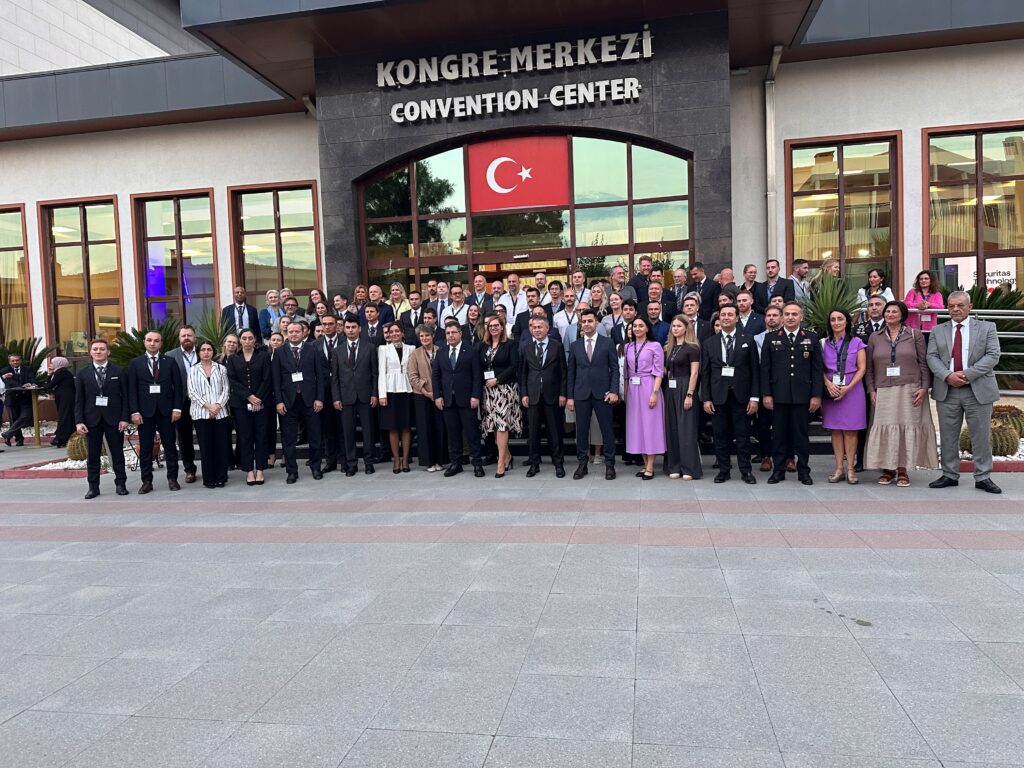
On 6-8 October 2026, Antalya hosted the 14th Electronic Monitoring Conference “Electronic Monitoring in a Changing World – Perception vs Reality”. More than 350 participants coming from 32 countries across Europe and worldwide representing probation services, Ministries of Justice, victims´ services, EM providers, researchers as well as local participants representing the Turkish Prison and Probation Service gathered to discuss how electronic monitoring (EM) is understood by all stakeholders involved including the victims and the public, and how these perceptions compare to the evidence and experiences of those affected. While the gap between perception and reality in electronic monitoring has been recognised for over a decade, the rapid expansion of EM into areas such as victim protection, high-risk supervision and digital innovation has brought new challenges and questions to the forefront.
Recap

ITSCCS
Core Correctional Skills in Digital Probation: highlights from the 6th ITSCCS in Barcelona
05/10/2026
The sixth International Training School on Core Correctional Skills (ITSCCS) took place in Barcelona from 28 September to 2 October 2026, bringing together 26 participants for a week of learning, practical training and international exchange. Organised by the Confederation of European Probation (CEP) and the Centre for Legal Studies and Specialised Training (CEJFE), the programme focused on “Clicks and Empathy: Core Correctional Skills in Digital Probation.”
Recap
Framework Decisions
Recap: ERA workshop on Framework Decisions 829 and 947 in Bucharest
02/10/2026
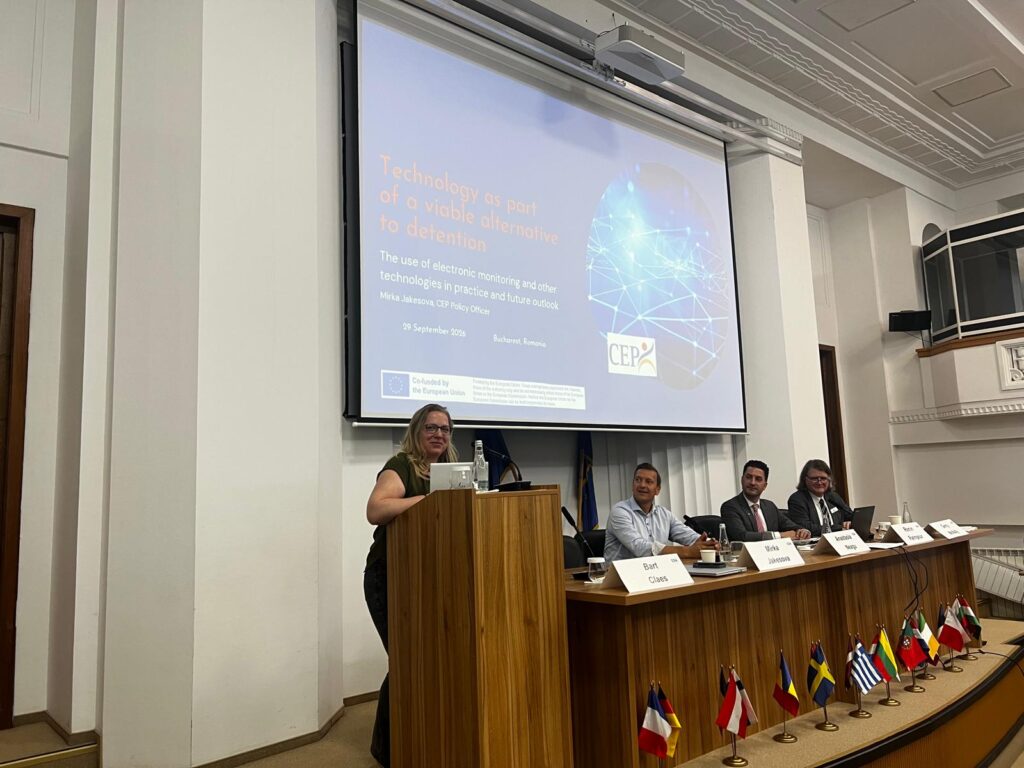
CEP Vice-President Daniel Danglades, Ambassador Gerry McNally and Policy Officer Mirka Jakesova participated in the Seminar on Framework Decisions 829 and 947 and their Impact on Alternatives in the EU organized under the EU project run by the Academy of European Law on 28-29 September in Bucharest, Romania. The seminar brought together judges, prosecutors, probation practitioners, academics, and policy experts to discuss the growing role of alternatives to detention within European criminal justice systems.
New
CEP
CEP and Catalan justice leaders reaffirm longstanding cooperation
29/09/2026
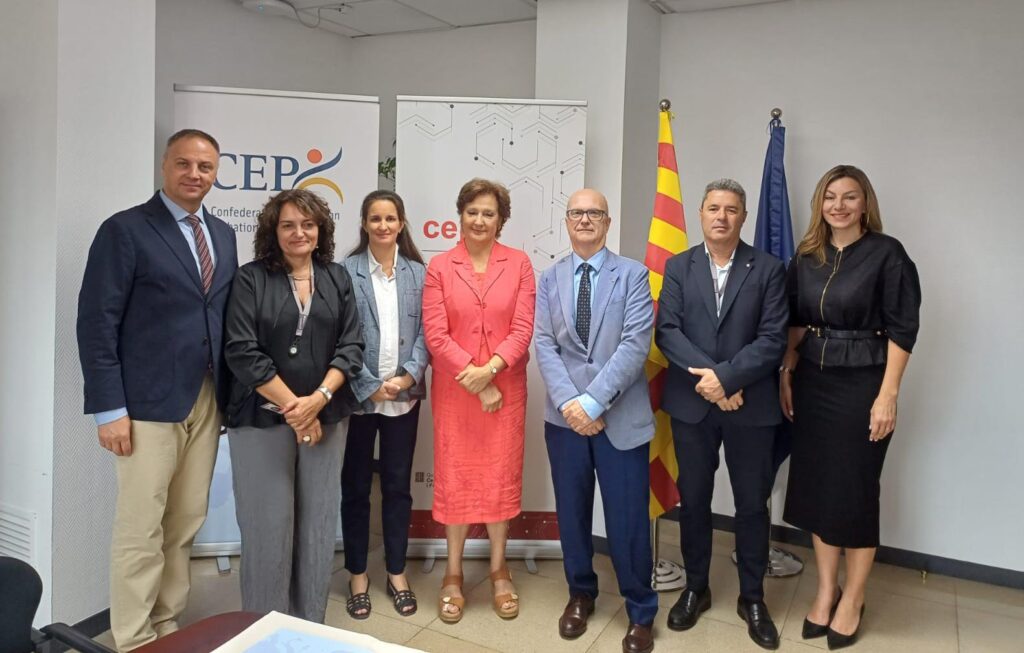
Representatives of the Confederation of European Probation (CEP) met with senior officials from the Catalan Department of Justice and Democratic Quality in Barcelona on 28 September 2026, alongside the opening of the sixth International Training School on Core Correctional Skills. The meeting offered an opportunity to recognise a longstanding partnership and discuss its continued development.
Updated

Mental Health
DEADLINE EXTENDED: Call for Pilot Implementation of the European Mental Health Training Curriculum
29/09/2026
Good news for CEP members! Following requests from our members, CEP has extended the deadline to apply for the pilot implementation of the European Mental Health Training Curriculum for Probation Officers.
Recap

ITSCCS, Technology
6th International Training School opens in Barcelona with a focus on digital probation
28/09/2026
How can probation professionals use new technologies in their interactions while building trust, showing empathy and supporting change? This question is at the heart of the sixth International Training School on Core Correctional Skills, which opened in Barcelona on 28 September 2026.
Subscribe to our bi-monthly email newsletter!
"*" indicates required fields
- Keep up to date with important probation developments and insights.