

Previous Article
News
Fighting radicalisation in Jordan
As many countries around the world, Jordan is also affected by radicalisation and violent extremism. The challenge is even more significant as Jordan is situated in the proximity of Iraq, Syria, Palestine and Israel. Moreover, Jordan is hosting one of the largest refugee camps in the world, Zaatari which is hosting around 80,000 refugees mostly from Syria. Some of the refugees who proved they could earn a living in Jordan were allowed to travel and integrate in the Jordanian society. This refugee crisis is not the first one that put pressure on the Jordanian Government. More than 2 million registered Palestine refugees live in Jordan today. Most of them already have full citizenship [2].
An article by Ioan Durnescu
The geographical position, the melting pot of so many Arab nations and the regional crises and conflicts, exposed Jordan to radicalisation and extremism. Juveniles and young people were, as elsewhere in the world, the most vulnerable groups of people affected by this phenomenon. Some of them were recruited to fight on the ISIS’s side and some of them created violent incidents like the one in Irbid/Jordan. However, many juveniles got involved in the propaganda machinery of the Islamic State.
Once they get into the state’s attention, they need to be treated in line with the international standards and also need to be involved in de-radicalisation and disengagement programs that could facilitate their reintegration into the mainstream society.
EU project
This is one of the aims of the EU pilot project, called ‘Technical Assistance to support the Government of Jordan’s effort to prevent violent extremism’, implemented by the Gesellschaft fuer Internationale Zusammenarbeit (GIZ), Germany.
As part of its capacity-building support the EU-funded pilot project offers the Jordanian stakeholders the technical assistance for preparing and running a specialised rehabilitation center that will work with ‘juvenile offenders with a radicalised background’.
Training of the staff
Together with colleagues from Germany and Spain, I was involved in developing the training for the staff employed by this center. One of the first principles that were agreed was that all staff, including the security and the administrative one, has to be involved in a basic training aiming at developing the most fundamental skills for working with radicalised offenders, and in particular with juvenile offenders. The basic training covered themes such as: how to create a working alliance with an involuntary client, pro-social modeling, problem solving and motivational interviewing. In the second stage, the training included subjects such as risk assessment, cognitive behavioral interventions etc.
Training was delivered in an intensive way and included many role-plays and discussions that would allow beneficiaries to adapt the new knowledge and skills into the Jordanian context. This was actually the most important challenge: how to adapt Western knowledge to the Middle Eastern context. The way we solved it was by involving our beneficiaries in long discussions and debates about how the principles behind our knowledge could be put at use in a different context such as the one in Jordan. In this respect, we are grateful for the enthusiasm and professionalism of our beneficiaries.
Reintegration of radicalised offenders
Besides the training, the EU pilot project supported the concerned Jordanian authority to develop a context-sensitive model for the rehabilitation and reintegration of radicalised offenders, including the standard operational procedures.
In the future, it is hoped that a new project will continue this work assisting the authorities to develop strong links with the families and communities from outside to support the treatment but also to ensure the post-release assistance. It is also hoped that training will continue and mechanisms to transfer training into the daily practice will be developed.
There are small steps but we hope in a constructive direction towards safer communities in Jordan and elsewhere.

Related News
Keep up to date with the latest developments, stories, and updates on probation from across Europe and beyond. Find relevant news and insights shaping the field today.
New
Technology
Registration deadline approaching: Join CEP’s final workshop of 2026 on technology in probation
22/10/2026
📢 Have you registered yet? CEP’s final workshop of 2026 takes place on 24 November in Barcelona, bringing together professionals to explore how technology is being used across probation services in Europe.
The Workshop on Alternatives to Detention and Technologies: Deep Diving into New Trends will look beyond artificial intelligence to examine the different ways technology is shaping probation practice, from staff training to working with clients and collaborating with other criminal justice partners.
Recap
Directors General Meetings
CEP Leadership Excellence Training: strengthening leadership and cooperation across Europe
22/10/2026
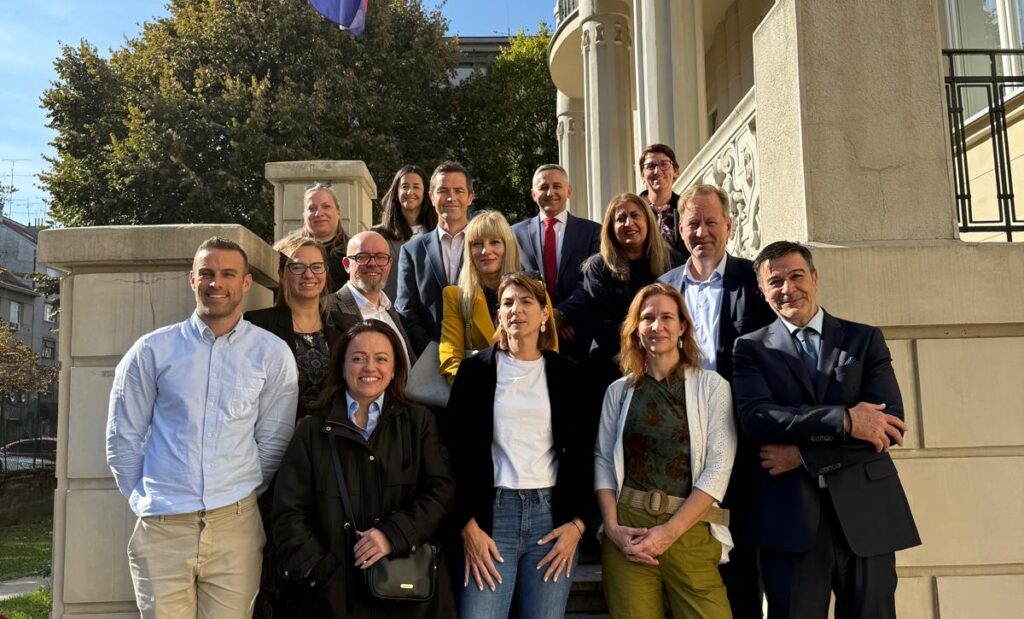
The CEP Leadership Excellence Training, held on 20–21 October in Zagreb, Croatia, brought together Directors General and senior probation managers from 11 European countries for a two-day interactive programme focused on leadership, communication, staff development, and international cooperation.
New

CEP
Call for Proposals: Evaluation of CEP Expert Groups
21/10/2026
On behalf of Ms. Jana Špero Kamenjarin, CEP Secretary General, it is my pleasure to invite you to submit a proposal to conduct an evaluation within the CEP work programme.
Recap
Uncategorized
CEP at UNODC: Contributing to the Development of Probation Services Worldwide
19/10/2026
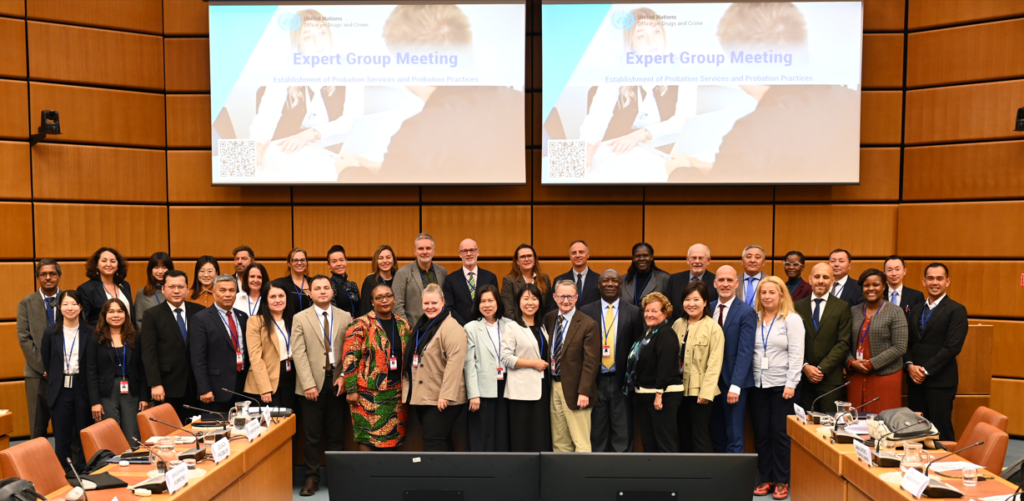
The Confederation of European Probation (CEP) was represented by its Secretary General, Jana Špero Kamenjarin, at the Expert Group Meeting on the Establishment of Probation Services and Probation Practices, organised by the United Nations Office on Drugs and Crime (UNODC) and held at the Vienna International Centre (VIC) from 12 to 14 October 2026.
Recap
Electronic monitoring, Technology
14th Electronic Monitoring Conference, Electronic Monitoring in a Changing World – Perception vs Reality
08/10/2026
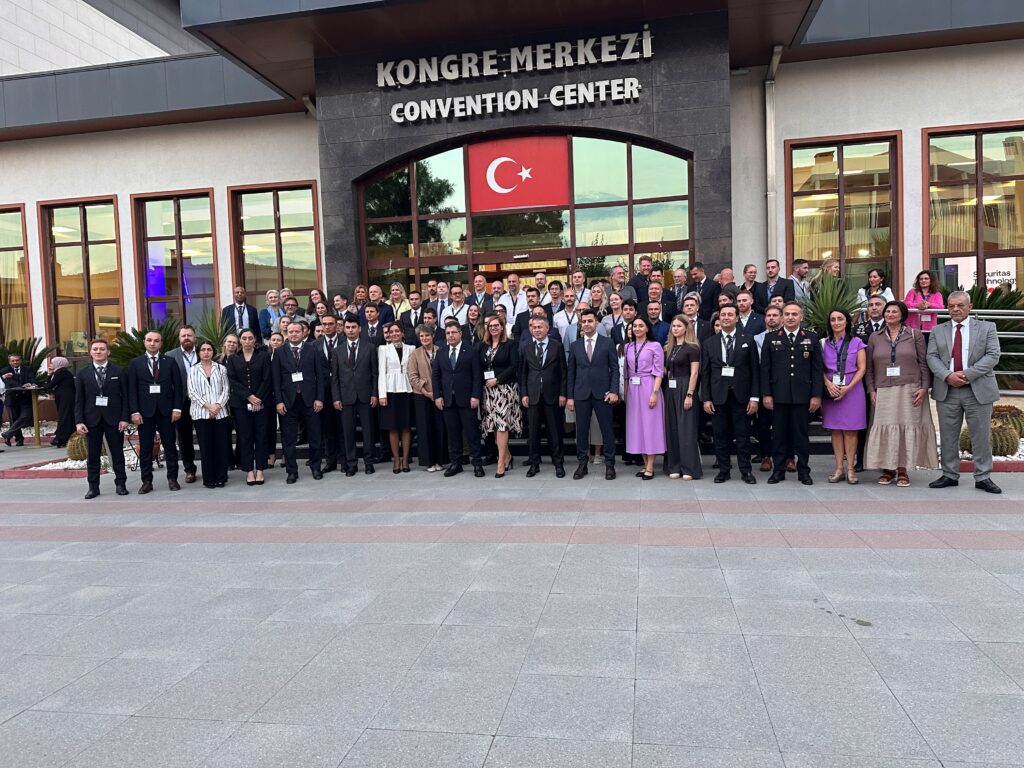
On 6-8 October 2026, Antalya hosted the 14th Electronic Monitoring Conference “Electronic Monitoring in a Changing World – Perception vs Reality”. More than 350 participants coming from 32 countries across Europe and worldwide representing probation services, Ministries of Justice, victims´ services, EM providers, researchers as well as local participants representing the Turkish Prison and Probation Service gathered to discuss how electronic monitoring (EM) is understood by all stakeholders involved including the victims and the public, and how these perceptions compare to the evidence and experiences of those affected. While the gap between perception and reality in electronic monitoring has been recognised for over a decade, the rapid expansion of EM into areas such as victim protection, high-risk supervision and digital innovation has brought new challenges and questions to the forefront.
Recap
ITSCCS
Core Correctional Skills in Digital Probation: highlights from the 6th ITSCCS in Barcelona
05/10/2026
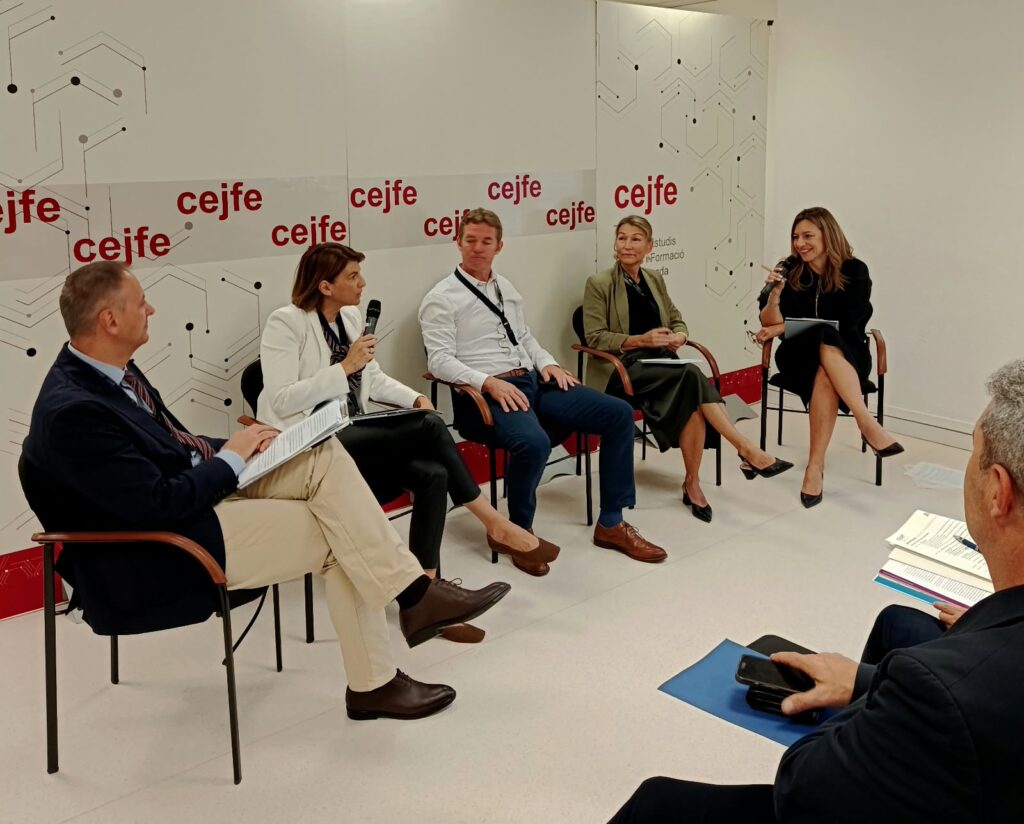
The sixth International Training School on Core Correctional Skills (ITSCCS) took place in Barcelona from 28 September to 2 October 2026, bringing together 26 participants for a week of learning, practical training and international exchange. Organised by the Confederation of European Probation (CEP) and the Centre for Legal Studies and Specialised Training (CEJFE), the programme focused on “Clicks and Empathy: Core Correctional Skills in Digital Probation.”
Subscribe to our bi-monthly email newsletter!
"*" indicates required fields
- Keep up to date with important probation developments and insights.