

Previous Article
News
The pains and gains of Electronic Monitoring
Since its introduction, Electronic Monitoring (EM) as an alternative sanction has gained popularity, which has led to various opinions. However, in political, academic an public reports, the opinions of the sentenced persons are seldom heard, let alone their families. That’s one of the reasons why the idea rose to conduct a doctoral research to the subjective perception of EM. Delphine Vanhaelemeesch (PhD) from Ghent University and IRCP research group tells about her thesis.
– from a convicts point of view –
“Apart from my personal interest for the daily perception of EM by offenders, there were 4 mains reasons to write my thesis about this subject. First, I think it is academically relevant to supplement existing studies with the experiences of offenders and their families with the effects of EM. For now, this is still a lacking part. Also, the user’s experience is crucial for measuring the policy objectives, for instance, the extent to which the use of EM contributes to desistance. And to gain better understanding of this penalty and to make a comparison about what is known about the prison perception. The third reason is to break existing myths in the public opinion that EM is the ‘easy live’. And from a policy’s perspective, EM is a humane alternative for prison. How can we know this for sure if we don’t study the user’s experience? And last but not least, there is the principled reason. Electronic Monitoring is all about humans, not numbers. We cannot forget that.”
Comparison imprisonment
“In total we spoke 74 convicts and 30 co-residents face to face at home or in prison. We started the interviews trying not to link EM to existing punishments, but after all we were driven, especially by our respondents, to make a comparison to imprisonment. As well the convicts and their co-residents reflected on imprisonment. The outcome of these interviews, the perception, are all individually based, in general, EM is in our interviews perceived to better than imprisonment. EM can have a punitive influence on both the convicts and the co-residents, but is often also considered as a valuable and constructive penalty. For both concerned parties, the favourable elements of EM usually make up for the unfavourable ones, especially because the convict is in the home environment and EM is tested against imprisonment. The preference for EM compared to imprisonment however, does not apply for all the people interviewed. Using EM requires self-discipline and organising skills. You have to keep track of time, you are limited in moving around, while your family members are not. You notice social life, but from the side lines, you cannot fully take part. The boundaries of what you can and cannot do are less clear than in prison. For a small group, this is stressful and difficult to cope with. In prison, the boundaries are obvious and set for you. But still, boundaries are felt. An example was given by a young single mother, who saw her child get hurt by falling down in the garden. She instinctively wanted to run to her child, but at the moment, she was housebound.
But for the majority of the respondents, the use of EM helps them to create a routine and to take distance of a criminal environment. Extra benefit for being in home environment, is maintaining relationships with their family and employer. Something worth fighting for. The transition to a non-criminal life is seen as much more difficult coming out of prison.”
Effect EM on co-residents and loved ones
“From this research, it appears that co-residents are significantly affected by the use of EM and experience unintended side effects, despite the fact they are not the punished ones. Although most respondents are satisfied with EM, because the convict is at home, they see their lives affected as well. Some of the respondents even experienced it as a punishment. They often automatically life by the tight schedule of their convicted husband or son. They feel guilty to go outside for festivities or entertainment without their spouse or find it difficult to have to explain at social events why they have come alone. Also, they take up extra tasks and responsibilities, check the conditions and offer support because they want the convict to imply with the imposed conditions. They become a helper, social assistant and inspector, instead of wife, husband, mother or father.”
Recommendations
“This knowledge and experience of offenders and their co-residents can be used by policy makers and practitioners to modify or improve their systems and services. In my thesis, I formulated 4 main recommendations. Firstly, it’s important to pay attention to individual, social and contextual factors in the allocation and execution of EM. Secondly, EM should be treated as a means, not as a purpose. Preference goes to embedding in and relating EM to reintegration programs. Thirdly, it remains important that people are involved in EM. It is a people’s work, so it’s important to select, train and inform concerned staff members. Fourthly, it is important to pay attention to the significant others, and to consider them as an integral party within the penalty enforcement. And finally, a decent information policy and proper support is important for both the convicts and the loved ones.”
Are you interested in the complete thesis? Vanhaelemeesch, D. (2015). De beleving van het elektronisch toezicht in vergelijking met de gevangenisstraf. Den Haag: Boom Criminologie.

Related News
Keep up to date with the latest developments, stories, and updates on probation from across Europe and beyond. Find relevant news and insights shaping the field today.
Recap
Prison
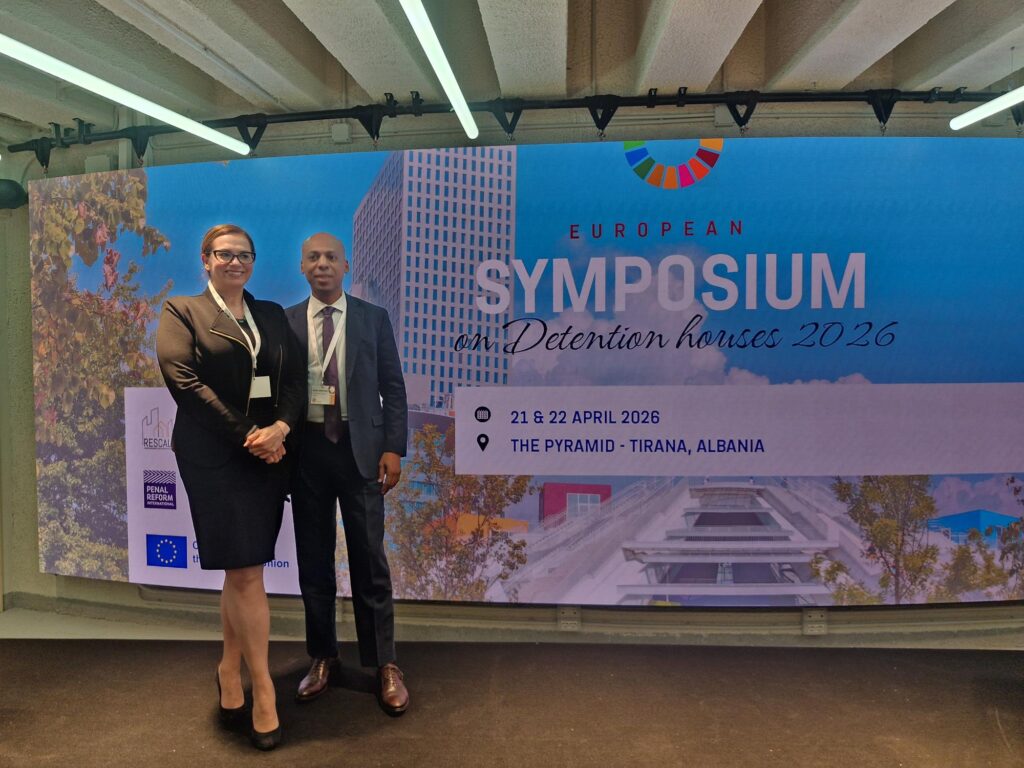
CEP at the 2026 European Symposium on Detention Houses
28/04/2026
On 21–22 April 2026, CEP participated in the 2026 European Symposium on Detention Houses organised by RESCALED in Tirana, Albania.
Held under the theme “Sustainability and Justice”, the Symposium focused on promoting detention houses as a sustainable and humane alternative to large-scale prison institutions, bringing together justice practitioners from across Europe to discuss innovative approaches to detention and reintegration.
Recap
Education and Training
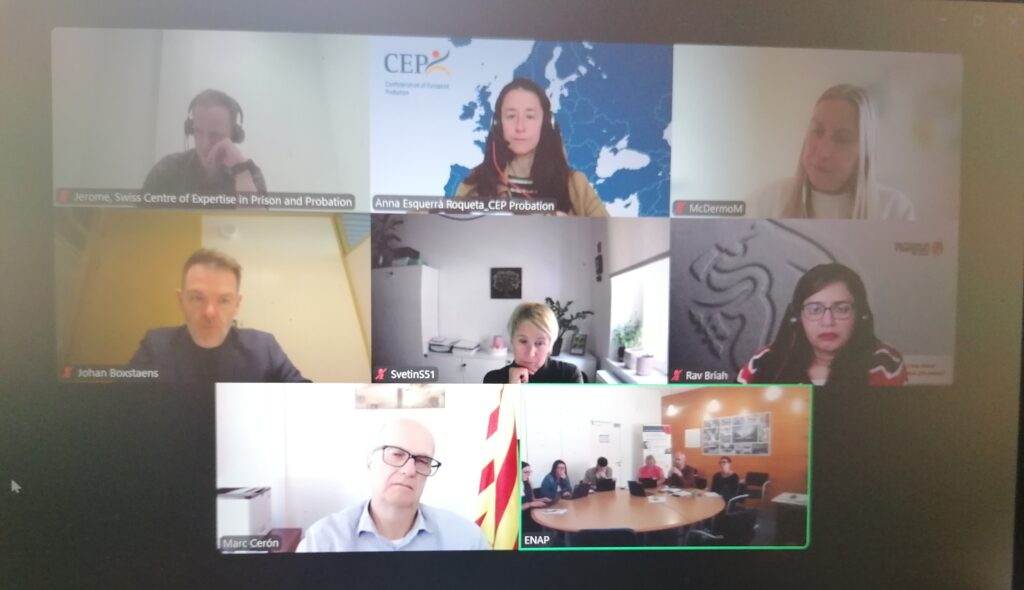
Recap: Expert Network on Education and Training in Probation Launches New Term and Sets Priorities for 2026–2028
24/04/2026
On 21 April 2026, the Education and Training Expert Network in Probation held its second online meeting, bringing together representatives from CEP member organisations and experts involved in the training of probation professionals across Europe. The meeting marked the beginning of a new working cycle for the network, under the leadership of its Chair, Cédric Le Bossé, and provided an important opportunity to collectively reflect on its future direction.
New
CEP Board
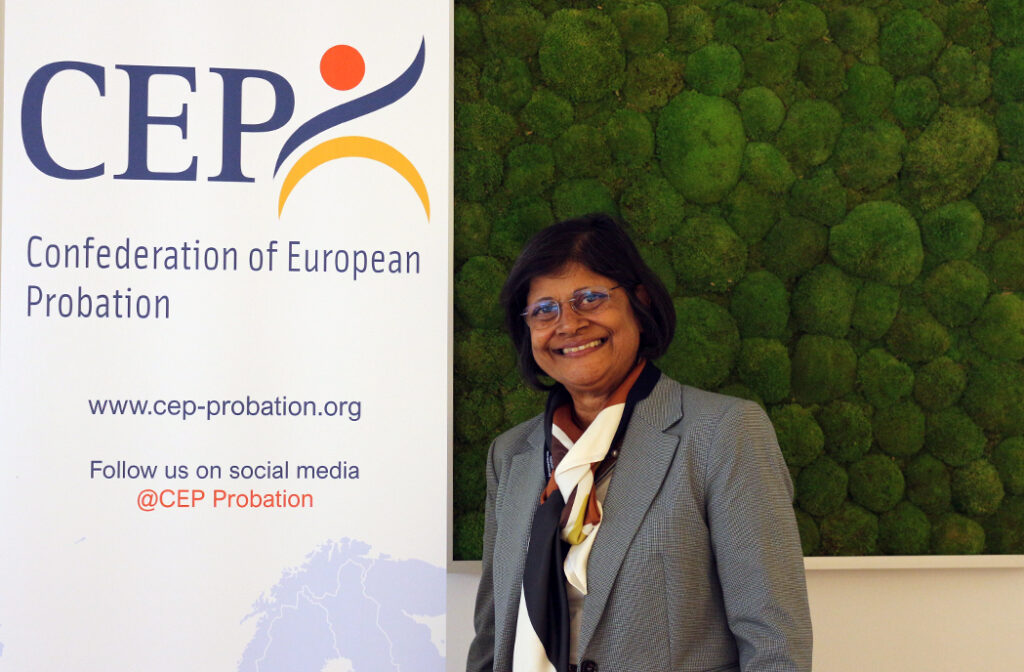
Interview with new CEP board member Eva Fernandes
23/04/2026
During the General Assembly in Austria, a new CEP Board got elected for the upcoming three years. In the coming weeks we will publish interviews with all newly-elected board members where they will share information on their professional background, how they would like to contribute, what challenges lie ahead and many more.
Enjoy reading!
New
CEP members, Probation in Europe
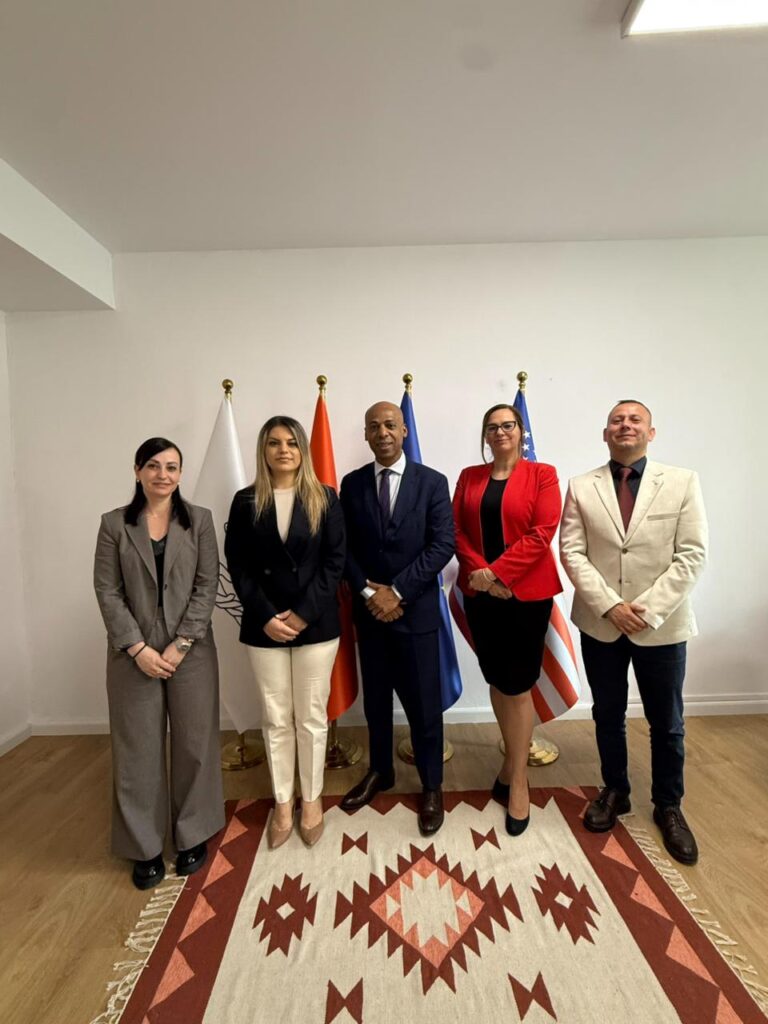
CEP Member visit to the Probation Service in Albania
22/04/2026
On 22 April 2026, the Confederation of European Probation carried out a member visit to the Probation Service in Albania, where the delegation was warmly welcomed by Ms Irma Bime, newly appointed Director General for Probation, Mr Eris Sheshi, Director of Electronic Monitoring and Ms Drisilda Memollari, Head of the Probation Office in Tirana.
CEP was represented by Ms Jana Spero Kamenjarin, Secretary General, and Mr Daniel Danglades, Vice President.
Recap
Probation outside Europe
Recap: 7th World Congress on Probation and Parole, day 3 and 4
20/04/2026
Daniel, CEP Vice-President, and Nasir, head of an Indonesian probation and parole office and one of the organisers of the World Congress, reflect on days 3 and 4 of the 7th World Congress on Probation and Parole in Bali, Indonesia.
Recap
Probation in Europe
CEP at PC-CP 41st Working Group Meeting
20/04/2026
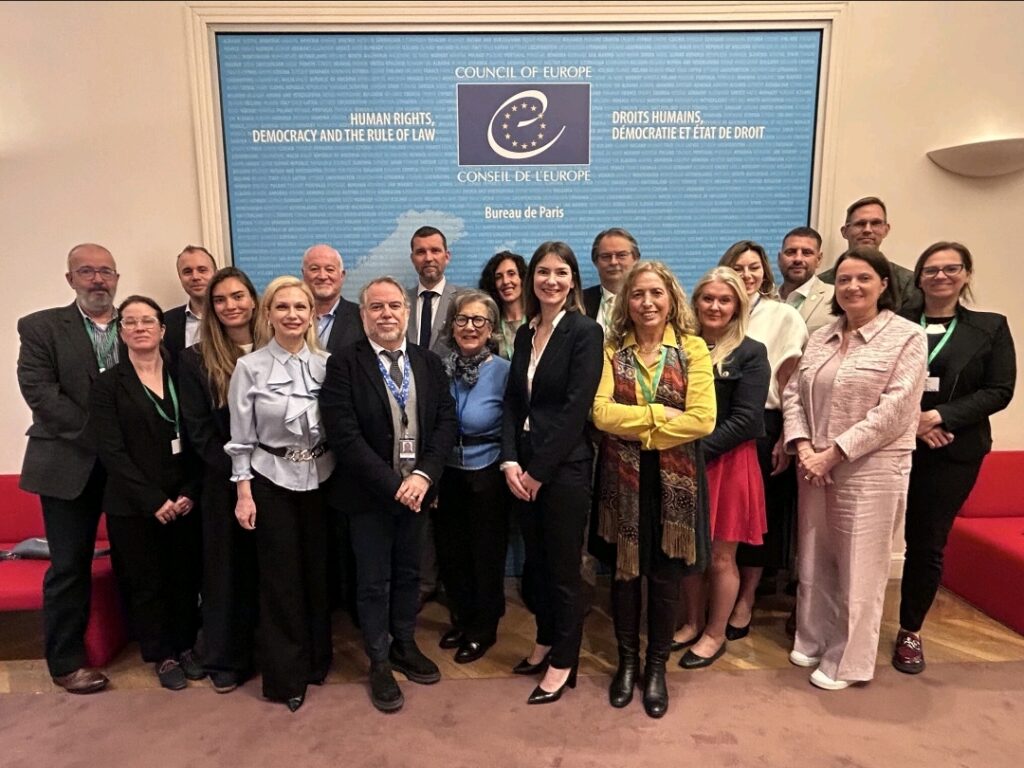
On 14–16 April 2026, CEP Secretary General Jana Špero Kamenjarin represented CEP at the 41st meeting of the Working Group of the Council for Penological Co-operation (PC-CP) in Paris, France.
Subscribe to our bi-monthly email newsletter!
"*" indicates required fields
- Keep up to date with important probation developments and insights.