

Previous Article
News
Restorative justice in Europe: making cooperation work
The European Forum for Restorative Justice was officially established exactly 20 years ago, after a preparatory period of a couple of years where a small group of committed people from different countries explored and discussed the desirability and feasibility of creating a European organisation
Thoughts on the occasion of the 20th anniversary of the European Forum for Restorative Justice
An acticle written by Ivo Aertsen (first chair of the EFRJ), Tim Chapman (current chair) and Edit Törzs (executive director)
There was a strong belief that we needed a process of re-thinking our understandings of crime and punishment. The initiators of the European Forum, many of them with years’ long experience in the field, shared a conviction that the developing practice of ‘restorative justice’ could not be considered as something simply to be ‘imported’ from other regions in the world. It also had strong roots in European practice. It was, in particular, the experience gathered in the UK and The Netherlands in the late 1960s in the field of probation that inspired later developments. Indeed, in that period probation workers started thinking about integrating a victim’s perspective in their daily work, and some of the experiments they carried out were on organising victim-offender groups and setting up innovative programmes of restitution. Later on, under the influence of the victims movement, more attention was drawn to the needs and interests of the victim, fed by a strong concern that victims – through victim-offender mediation and other restorative justice practices – should not be ‘used’ or ‘instrumentalised’ on behalf of the offender. Nowadays, it is generally accepted that restorative justice should adopt an inclusive and impartial or, even better, a ‘multi-partial’ approach, offering recognition and support to both victim and offender, while also facilitating involvement of community members.
European Forum for Restorative Justice
When the European Forum for Victim-Offender Mediation and Restorative Justice was launched in the year 2000 (later the name was changed in ‘European Forum for Restorative Justice’), not only were objectives and structure adopted but also principles were agreed upon and formulated in its constitution. The general aim of the European Forum is ‘to advance restorative justice throughout Europe by connecting those working on restorative justice and by advocating for inclusion of restorative justice in all the policies addressing criminal and social justice questions’ (art. 4 Constitution). To further this general aim, the Forum aims to raise public awareness of restorative justice and its benefits; to influence public policy so that restorative justice is available, is well resourced and accessible to all who need it, and to promote excellence in research and practice.
Celebration of 20th anniversary
This year the Forum started the celebration of its anniversary by launching a new and fresh visual style and a new slogan: “Connecting people to restore just relations”. Indeed, the Forum brings together a wide range of professionals: practitioners and restorative justice services, policy makers, researchers and criminal justice practitioners from all over Europe. The Forum aims to influence the development of criminal justice and penal policies in European countries. Therefore, the Forum has always considered it paramount to build cooperation with other European and international organisations working in the field of offender care, victim support and related domains. But the European Forum also needs this cooperation, in order to establish good practices of victim-offender mediation, conferencing, peacemaking circles and other restorative programmes, that must take into account the position and the interests of all parties. For this reason, it is believed that restorative justice practices cannot flourish and develop in a balanced way without a close cooperation with other agencies (on a European or national level), such as probation, prisons and victim support: we need each other’s expertise. Finally, we are extremely proud and happy that we were able to establish structural cooperation at the European level, as this is shown within the frequent activities of the Criminal Justice Platform Europe. Besides this, we enjoyed a lot ad hoc cooperation with CEP in European projects, such as ‘Desistance and Restorative Justice: mechanisms for desisting from crime within restorative justice practices’ (2013-2014).
Largest European NGO in Restorative Justice
The European Forum for Restorative Justice is by now the largest European NGO in restorative justice with a membership of about 500: comprising of both individuals and organisations (local and international, private and public). The European Forum is led by its Board consisting of 9 members from different European regions and professional groups. An annual General Meeting is held, as well as biennial European conferences and biennial summer schools. The Forum has coordinated or participated in about 25 European projects (for more information, see https://www.euforumrj.org/en). We believe it is important to activate our members through their participation in standing committees and working groups. Finally, many will know the European Forum through its newsletters and its newsflashes, which are disseminated widely.
Council of Europe Recommendation
An important basis for further common work with the field of probation (and prisons) can be found in the Council of Europe Recommendation CM/Rec(2018)8 concerning Restorative Justice in Criminal Matters. This official document reflects the idea that restorative justice is not just the domain of one sector, but has the potential to benefit the whole criminal justice system as an underlying approach. It also demonstrates how restorative justice values and principles can strengthen the core work within the respective sectors, even when their main tasks are not to provide victim-offender mediation or conferencing practices. This year we will launch new training activities and will be designing courses which may be of interest to CEP members working in the community and prisons. As we had to postpone our 20th anniversary international conference due to the COVID-19 pandemic, we look forward even more to engage many of you in our upcoming winter school and art festival in December in our home town, Leuven, Belgium.

Related News
Keep up to date with the latest developments, stories, and updates on probation from across Europe and beyond. Find relevant news and insights shaping the field today.
Recap
Electronic monitoring, Technology
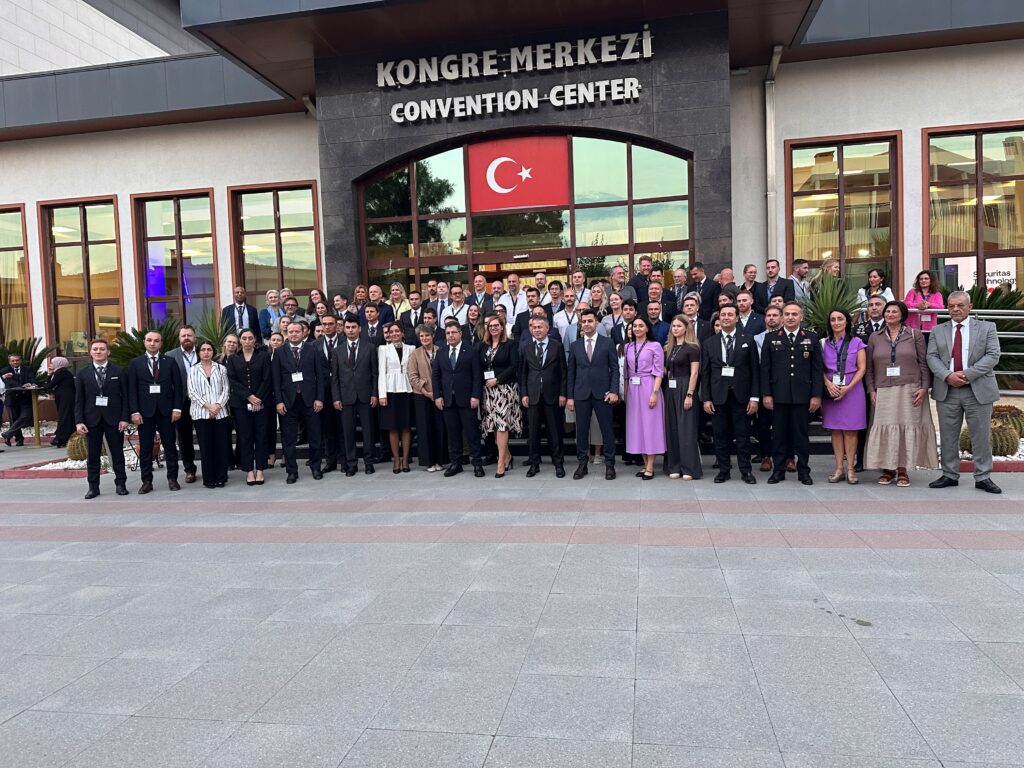
14th Electronic Monitoring Conference, Electronic Monitoring in a Changing World – Perception vs Reality
08/10/2026
On 6-8 October 2026, Antalya hosted the 14th Electronic Monitoring Conference “Electronic Monitoring in a Changing World – Perception vs Reality”. More than 350 participants coming from 30 countries across Europe and worldwide representing probation services, Ministries of Justice, victims´ services, EM providers, researchers as well as local participants representing the Turkish Prison and Probation Service gathered to discuss how electronic monitoring (EM) is understood by all stakeholders involved including the victims and the public, and how these perceptions compare to the evidence and experiences of those affected. While the gap between perception and reality in electronic monitoring has been recognised for over a decade, the rapid expansion of EM into areas such as victim protection, high-risk supervision and digital innovation has brought new challenges and questions to the forefront.
Recap
ITSCCS
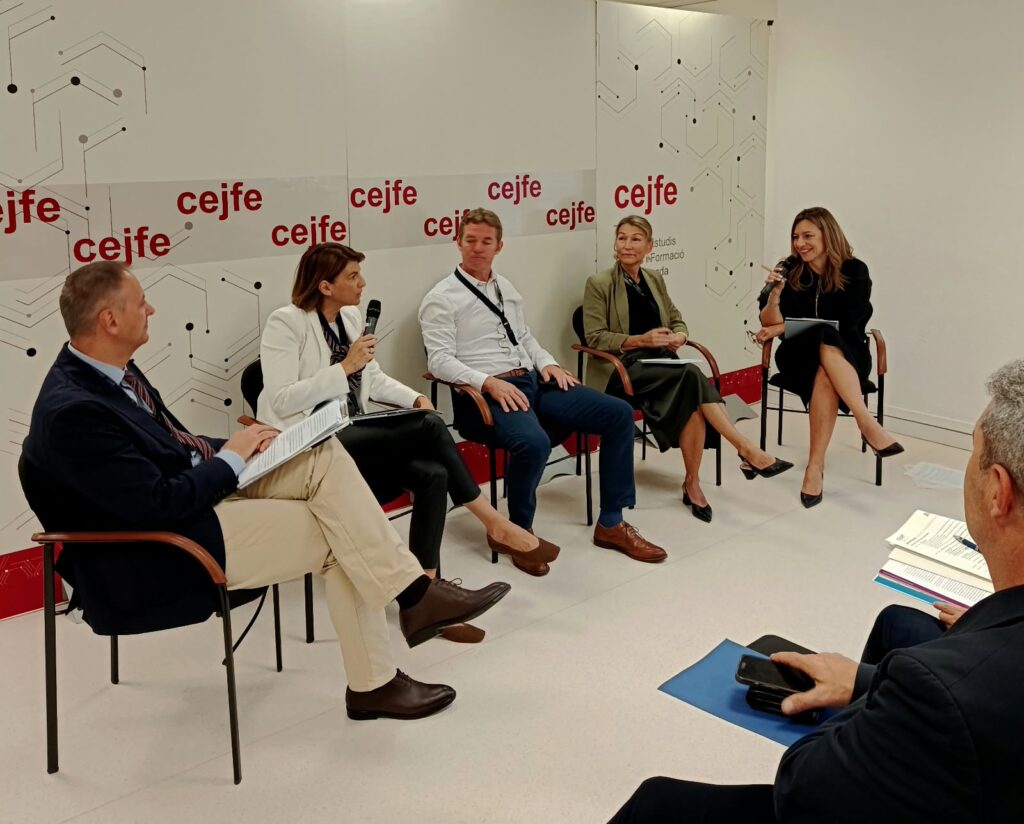
Core Correctional Skills in Digital Probation: highlights from the 6th ITSCCS in Barcelona
05/10/2026
The sixth International Training School on Core Correctional Skills (ITSCCS) took place in Barcelona from 28 September to 2 October 2026, bringing together 26 participants for a week of learning, practical training and international exchange. Organised by the Confederation of European Probation (CEP) and the Centre for Legal Studies and Specialised Training (CEJFE), the programme focused on “Clicks and Empathy: Core Correctional Skills in Digital Probation.”
Recap
Framework Decisions
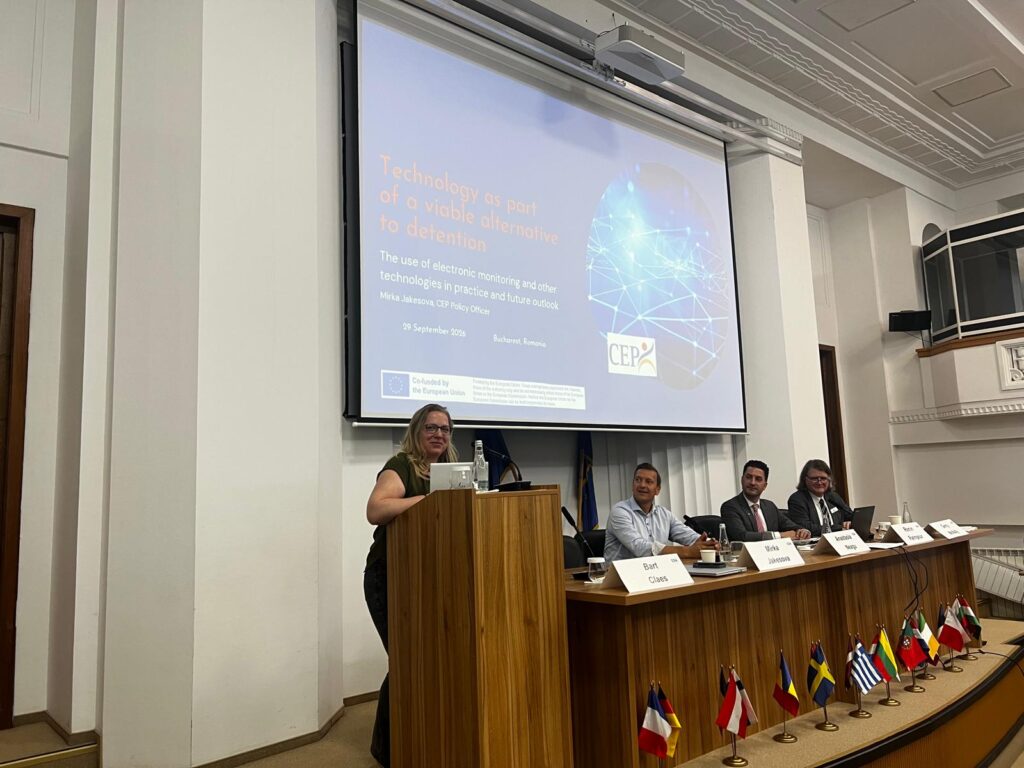
Recap: ERA workshop on Framework Decisions 829 and 947 in Bucharest
02/10/2026
CEP Vice-President Daniel Danglades, Ambassador Gerry McNally and Policy Officer Mirka Jakesova participated in the Seminar on Framework Decisions 829 and 947 and their Impact on Alternatives in the EU organized under the EU project run by the Academy of European Law on 28-29 September in Bucharest, Romania. The seminar brought together judges, prosecutors, probation practitioners, academics, and policy experts to discuss the growing role of alternatives to detention within European criminal justice systems.
New
CEP
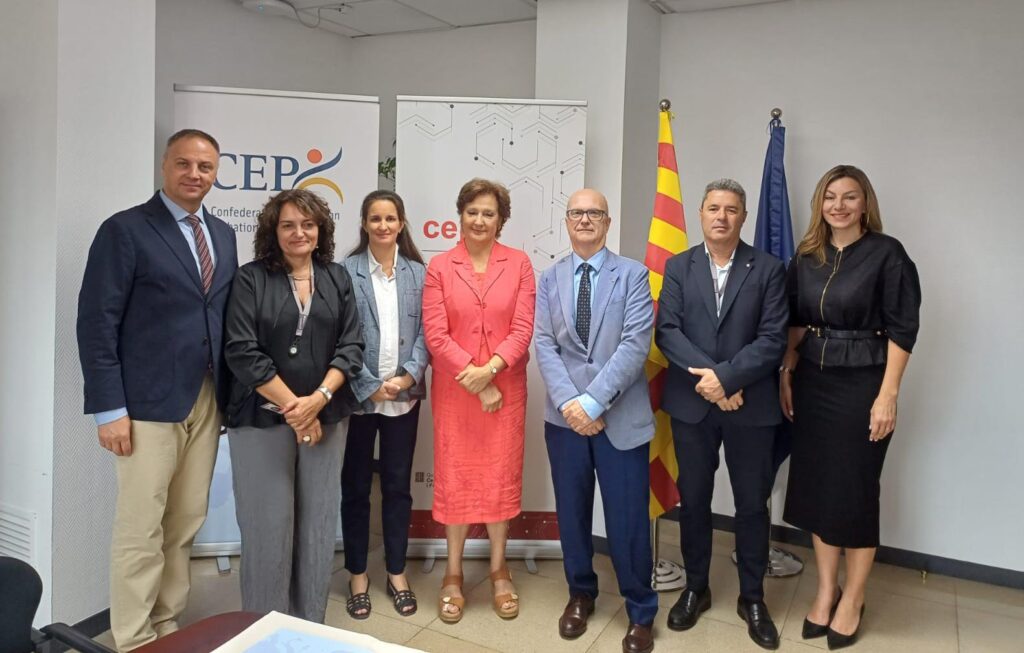
CEP and Catalan justice leaders reaffirm longstanding cooperation
29/09/2026
Representatives of the Confederation of European Probation (CEP) met with senior officials from the Catalan Department of Justice and Democratic Quality in Barcelona on 28 September 2026, alongside the opening of the sixth International Training School on Core Correctional Skills. The meeting offered an opportunity to recognise a longstanding partnership and discuss its continued development.
Updated

Mental Health
DEADLINE EXTENDED: Call for Pilot Implementation of the European Mental Health Training Curriculum
29/09/2026
Good news for CEP members! Following requests from our members, CEP has extended the deadline to apply for the pilot implementation of the European Mental Health Training Curriculum for Probation Officers.
Recap

ITSCCS, Technology
6th International Training School opens in Barcelona with a focus on digital probation
28/09/2026
How can probation professionals use new technologies in their interactions while building trust, showing empathy and supporting change? This question is at the heart of the sixth International Training School on Core Correctional Skills, which opened in Barcelona on 28 September 2026.
Subscribe to our bi-monthly email newsletter!
"*" indicates required fields
- Keep up to date with important probation developments and insights.