

Previous Article
News
‘How we work as Probation Officers in times like these’
In May, 2020 the team of 6 Probation Officers assigned to the Dublin North Inner City team and myself met to reflect on our work and consider our practice within the context of the current COVID-19 pandemic.
Whilst it was reassuring to hear each others’ voices, the ‘new norm’ of meeting via teleconference was recognised as being a very different experience compared to our usual face-to-face meetings that had up until March, been the norm. As we considered this ‘new norm’, associated practice dilemmas and innovations, our reflections focussed on the questions that follow in this article. Central to our discussion was the recognition that our social work skills and ethos remain a core component of the service delivery albeit with the ‘added dimension’ of COVID-19.
What has worked well?
Probation Officers expressed confidence that the clients who were previously compliant with office-based appointments were continuing this pattern with telephone supervision appointments. Probation Officers agreed that features such as well-established rapport, clear supervision plans and recent progress in addressing risks of re-offending, all contributed positively to the ‘transfer’ of supervision from office to telephone. Indeed, Probation Officers described how some clients ‘felt reassured’ to receive supervision telephone calls and know that their supervising officer was still ‘checking in’.The provision to work remotely was enhanced via the roll-out of access to our internal case tracking systems. Probation Officers report feeling an increased sense of ‘connection’ to their work. They can also assist clients further through updates about developments in their cases before the courts or remind them of previous supervision plans and goals that had been co-worked in supervision meetings.
Whilst always a vital part of our work, in COVID-19 times multi-agency working is viewed as ‘critical’. Probation Officers have leaned on the very positive working relationships with the Irish Police force-An Garda Siochana, Irish Prison Service, Courts and probation-funded projects in managing the risks of re-offending posed by some higher-risk offenders in the community. Contact with other statutory agencies like the Child and Family Agency, Health and housing services has supported clients’ presenting needs/difficulties. Referrals to community/voluntary services to assist clients with managing issues such as addiction and social deprivation also remain vital. Whilst Probation Officers have adapted to working on their phones/laptops it has been hugely reassuring for them to connect/co-work with these agencies in addressing the risks and needs clients on supervision continue to face.
Where there have been concerns about dis-engagement from some clients at times, Probation Officers reported that continued writing to clients, connecting with their extended family members or other services, that they were known to access, have proved effective means to re-establish contact.
What are the challenges?
Probation Officers reflected on the challenge of beginning a new supervision relationship without having a face to face meeting with clients. However, the requirement to engage via telephone has led to enhancements in our telephone interview skills. The team reflected that this has helped to overcome concerns about missing all those visual cues, that previous to COVID-19, were used in our work to ‘build a picture’, establish rapport and gain trust with clients. The team hope that increasing use of videolink or secure apps enabling us to engage face to face with clients will further support relationship building and service provision. This remains a work in progress!
Worrying about clients (is this anything new??). The team reflected on how COVID-19, and the resulting public health measures implemented, have been reported by clients to have exacerbated their feelings of being ‘more isolated’ than usual. Clients have reported increased anxiety for themselves and family members’ health and fear relapses into ‘old coping mechanisms’ such as alcohol/substance abuse. Probation Officers also acknowledged that many of their clients reported and faced food poverty, reductions in income, loss of employment and the pro-social bonds associated with same. Many of these are factors currently beyond the control of both the client and the Probation Officer, but create huge concerns and for some an increase in risks of reoffending.
Probation Officers reflected about the impact of COVID-19 on the management of specific categories of clients in particular those convicted of domestic violence and sexual offending. Probation Officers recognise that vigilance to the home environments and a recognition of how Covid19 restrictions may result in isolation and lack of access to/contact with services that support victims and families at risk of harm. This has underpinned their engagement with clients, other services and where appropriate victims. By using increased access to technology in their new remote working practice, Probation Officers have been able to gather information to share with clients about how other services are working to put in place supports to address the risks that present. Furthermore the ‘new opportunities’ in the online world of Covid19 are viewed with concerns that sex offenders may have increased opportunities to engage in online offending. Ongoing inter-agency work to manage those risks has continued within our team using the technology available to us.
Finally and perhaps most importantly we reflected on how Probation Officers have and will ‘stay safe and healthy’ whilst providing a front line service within the new COVID-19 restrictions. This is in the context of the value the officers place on their role in managing and supporting clients to desist from offending and remain in the community. In addition to remote access facilitating the team to use the case management system, it has also facilitated access to online HR supports, guidance documents, and other online resources that support self-care practice. Telephone support from team members, colleagues, managers and our human resource team, has gone some way to strengthen resilience and unite us in overcoming the challenges together. Although we continue to miss those bonding chats over a cuppa!
Final thoughts
Probation Officers work every day to find solutions to what may seem like impossible tasks. Undoubtedly, COVID-19 has brought with it challenges that require this same solution focussed approach. We can continue to meet these challenges by using our professional training, practice experience, social work skills of relationship-building and co-working through these times. Adapting to using new technologies for our work, whilst a bit daunting, has also been met with optimism and a sense of ‘self-achievement’. Mastering these new skills and surviving the teleconference or zoom meeting keeps the social work ethos of building resilience going. This remains a key strength for us to incorporate in our work right now.
Reflections from a community-based Irish Probation Service team working in Dublin North Inner City, Jan Alvey, Senior Probation Officer.

Related News
Keep up to date with the latest developments, stories, and updates on probation from across Europe and beyond. Find relevant news and insights shaping the field today.
Recap
Electronic monitoring, Technology
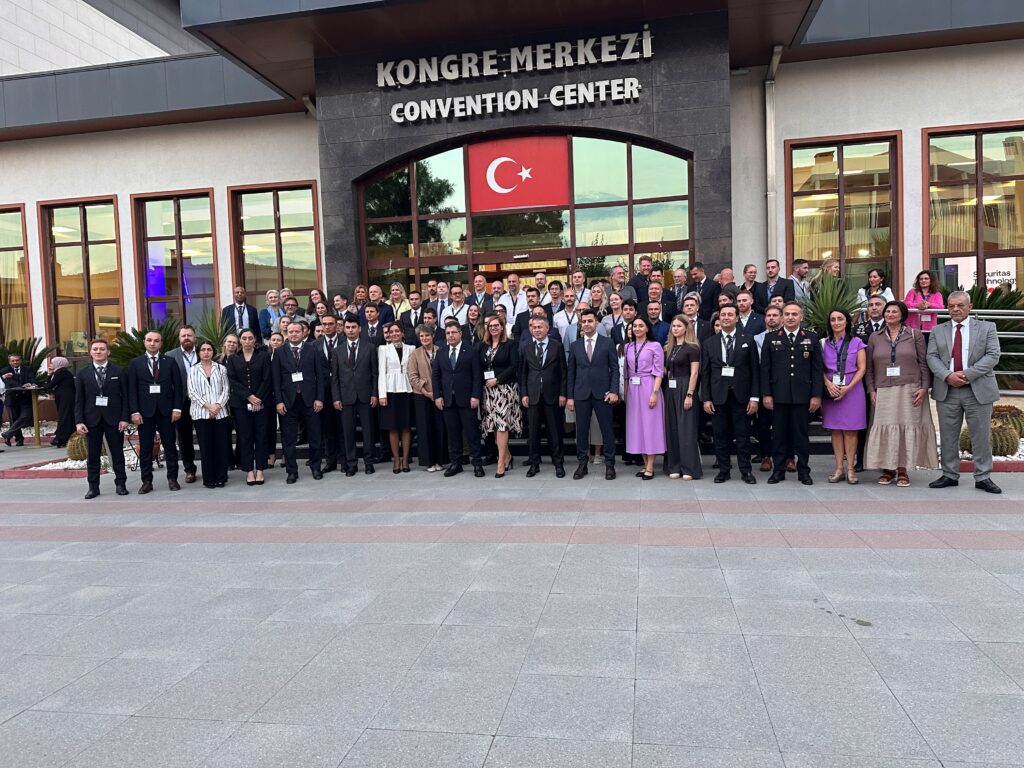
14th Electronic Monitoring Conference, Electronic Monitoring in a Changing World – Perception vs Reality
08/10/2026
On 6-8 October 2026, Antalya hosted the 14th Electronic Monitoring Conference “Electronic Monitoring in a Changing World – Perception vs Reality”. More than 350 participants coming from 30 countries across Europe and worldwide representing probation services, Ministries of Justice, victims´ services, EM providers, researchers as well as local participants representing the Turkish Prison and Probation Service gathered to discuss how electronic monitoring (EM) is understood by all stakeholders involved including the victims and the public, and how these perceptions compare to the evidence and experiences of those affected. While the gap between perception and reality in electronic monitoring has been recognised for over a decade, the rapid expansion of EM into areas such as victim protection, high-risk supervision and digital innovation has brought new challenges and questions to the forefront.
Recap

ITSCCS
Core Correctional Skills in Digital Probation: highlights from the 6th ITSCCS in Barcelona
05/10/2026
The sixth International Training School on Core Correctional Skills (ITSCCS) took place in Barcelona from 28 September to 2 October 2026, bringing together 26 participants for a week of learning, practical training and international exchange. Organised by the Confederation of European Probation (CEP) and the Centre for Legal Studies and Specialised Training (CEJFE), the programme focused on “Clicks and Empathy: Core Correctional Skills in Digital Probation.”
Recap
Framework Decisions
Recap: ERA workshop on Framework Decisions 829 and 947 in Bucharest
02/10/2026
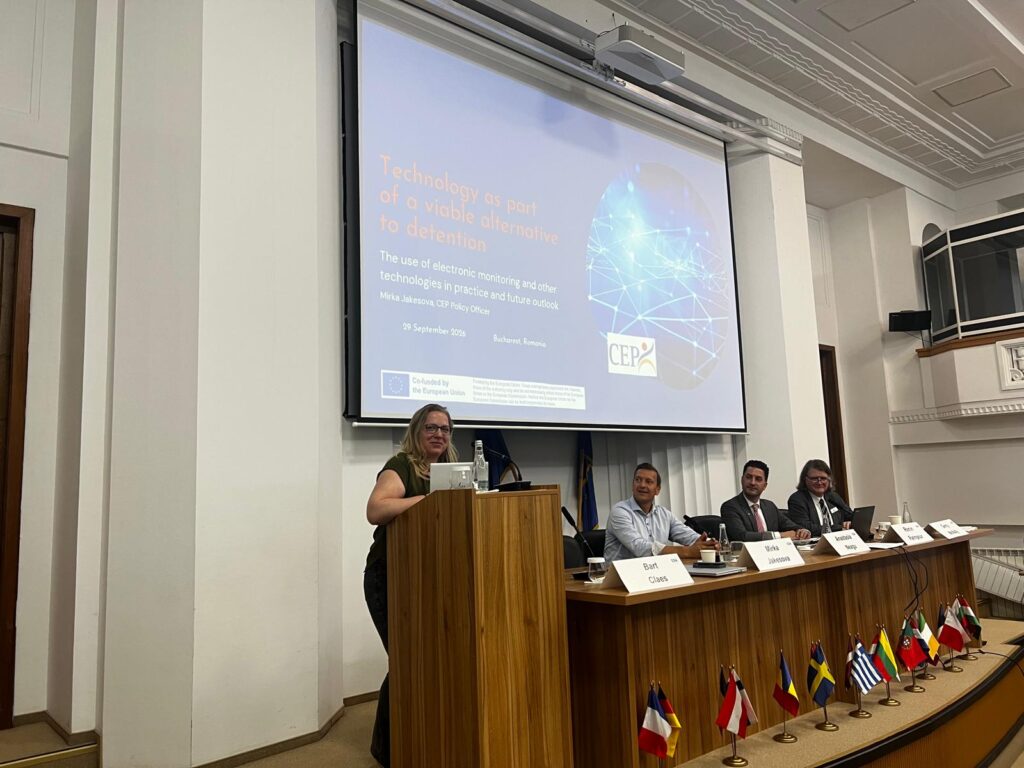
CEP Vice-President Daniel Danglades, Ambassador Gerry McNally and Policy Officer Mirka Jakesova participated in the Seminar on Framework Decisions 829 and 947 and their Impact on Alternatives in the EU organized under the EU project run by the Academy of European Law on 28-29 September in Bucharest, Romania. The seminar brought together judges, prosecutors, probation practitioners, academics, and policy experts to discuss the growing role of alternatives to detention within European criminal justice systems.
New
CEP
CEP and Catalan justice leaders reaffirm longstanding cooperation
29/09/2026
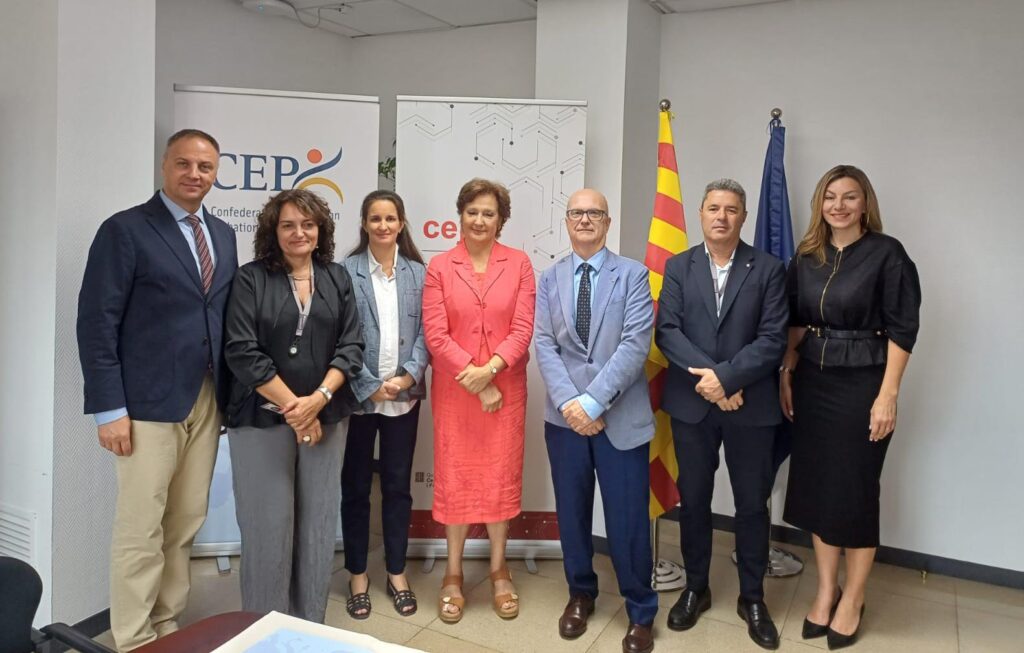
Representatives of the Confederation of European Probation (CEP) met with senior officials from the Catalan Department of Justice and Democratic Quality in Barcelona on 28 September 2026, alongside the opening of the sixth International Training School on Core Correctional Skills. The meeting offered an opportunity to recognise a longstanding partnership and discuss its continued development.
Updated
Mental Health
DEADLINE EXTENDED: Call for Pilot Implementation of the European Mental Health Training Curriculum
29/09/2026
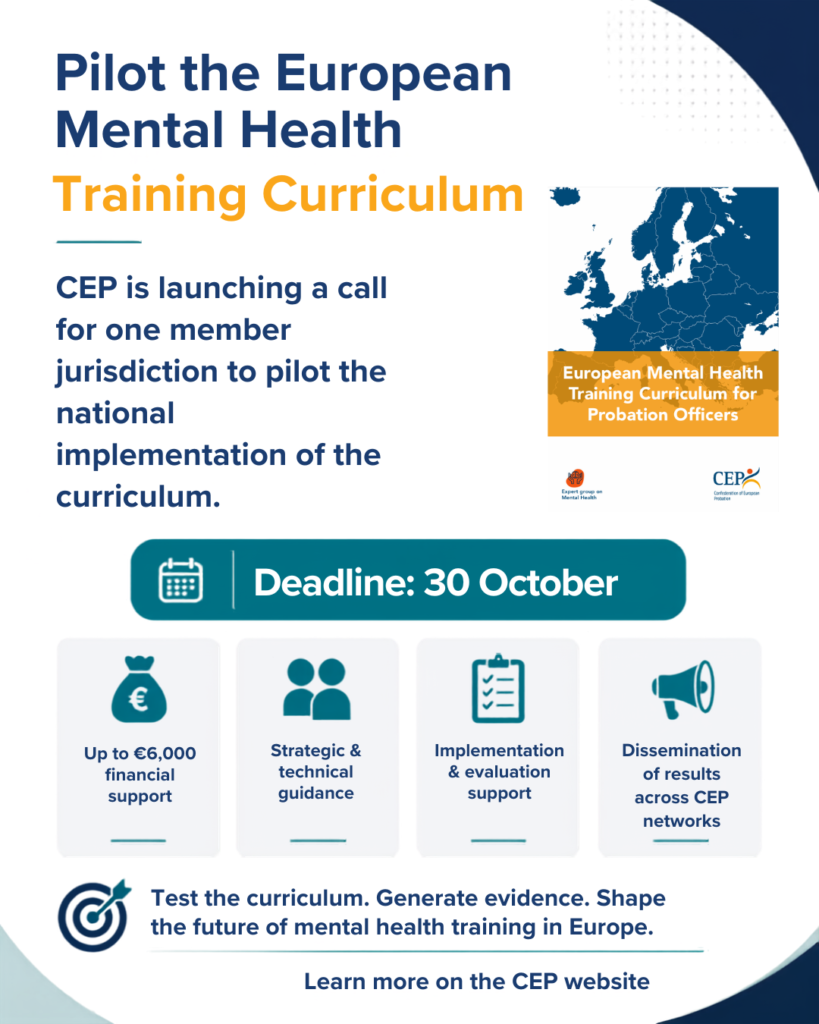
Good news for CEP members! Following requests from our members, CEP has extended the deadline to apply for the pilot implementation of the European Mental Health Training Curriculum for Probation Officers.
Recap
ITSCCS, Technology
6th International Training School opens in Barcelona with a focus on digital probation
28/09/2026
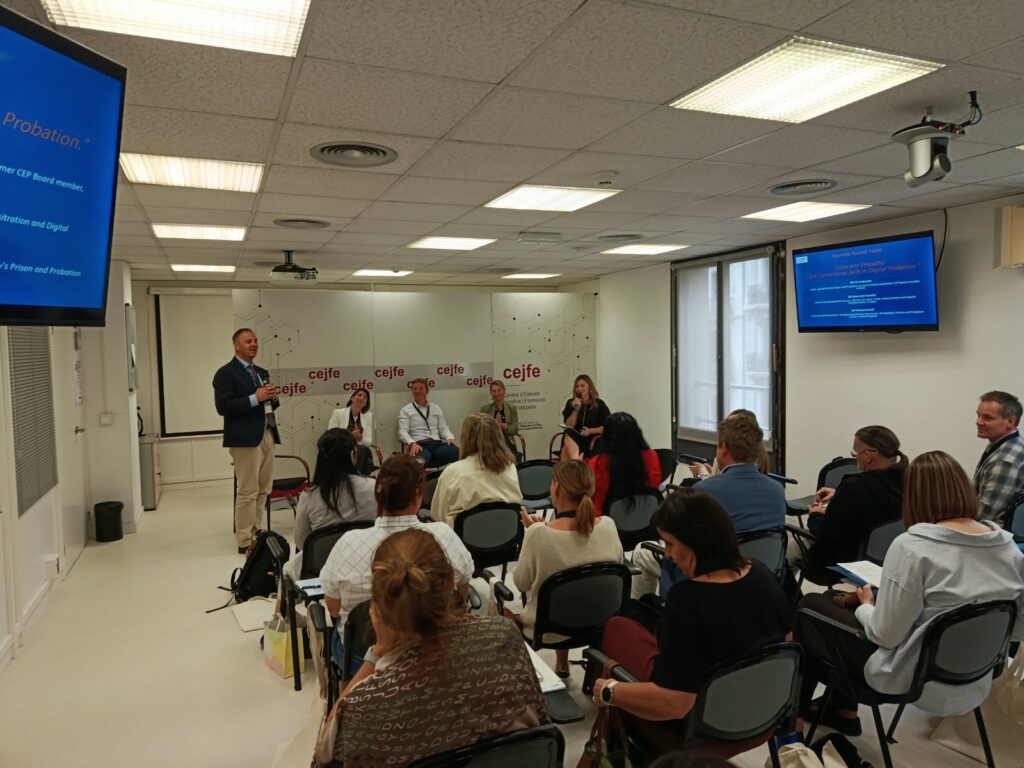
How can probation professionals use new technologies in their interactions while building trust, showing empathy and supporting change? This question is at the heart of the sixth International Training School on Core Correctional Skills, which opened in Barcelona on 28 September 2026.
Subscribe to our bi-monthly email newsletter!
"*" indicates required fields
- Keep up to date with important probation developments and insights.