
Previous Article
Can you introduce yourself?
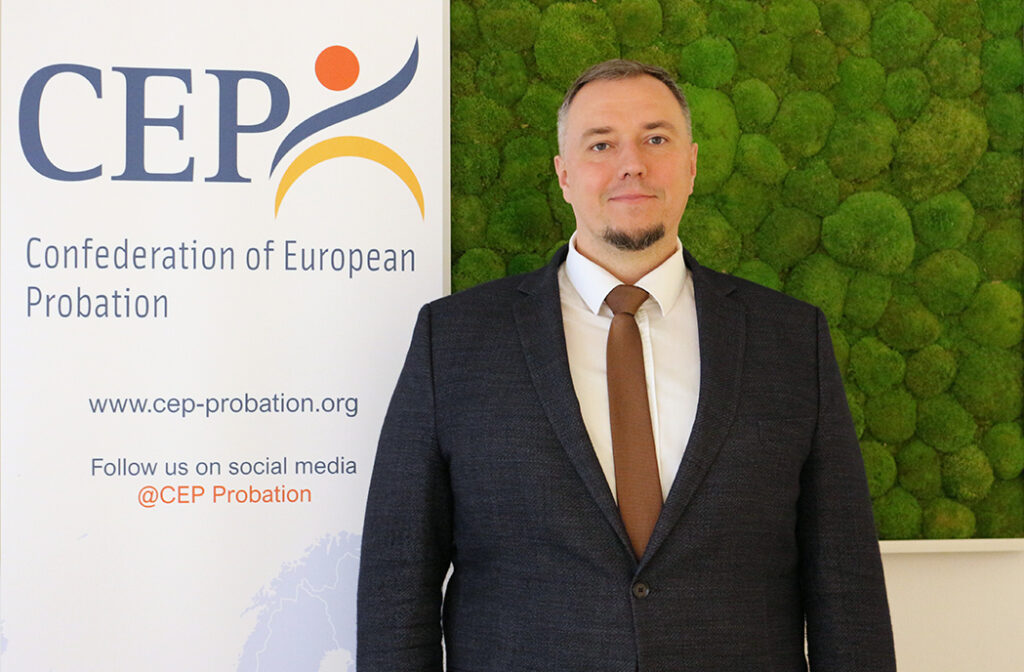
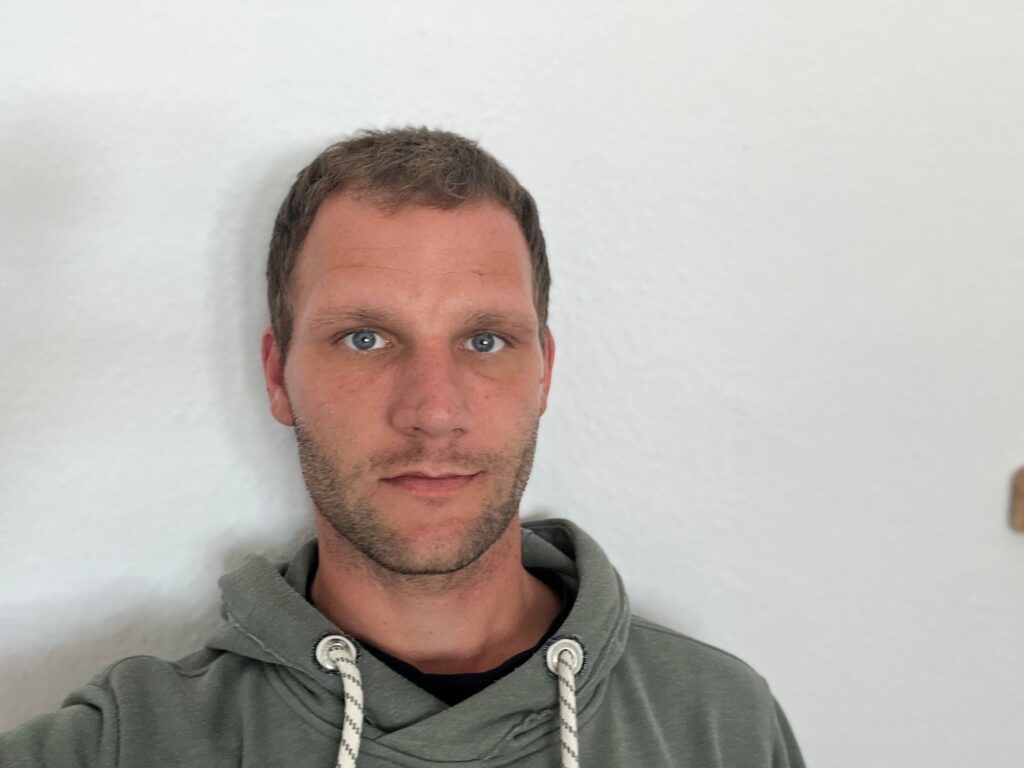 My name is Kilian Evert, 32 years old, and I work as a probation officer and court assistant in Lower Saxony, Germany. My career path into social work was not straightforward: I did not discover my passion for it until I was 25 and began my studies. Before that, I had worked in various fields and allowed myself to be guided by different life experiences. Extended stays abroad and insights into diverse social milieus and different types of work were particularly formative for me.
From 2018 to 2021, I completed a dual degree programme at the Baden-Württemberg Cooperative State University in Heidenheim, with the district of Cuxhaven as my practical partner. After completing my Bachelor of Arts degree, I worked for two years at an organisation providing outpatient assistance to young offenders. There, I implemented programmes for young offenders and developed my own intervention concepts, which gave me valuable insights into practical work with this target group.
I have been employed by AJSD Lower Saxony since the beginning of 2024. After one year, I have also taken on the role of contact person for European/International affairs in my organisation. At the same time, I continue to work full-time as a probation officer and therefore remain directly involved with clients. This combination of practical work and international networking gives me the opportunity to contribute my experience and at the same time learn from international perspectives.
Why did you decide to join CEP?
My motivation to join the CEP is based on my deep interest in a united and cooperative Europe. At a time when social and legal challenges are increasingly cross-border, I see the CEP as a unique platform for actively promoting exchange and cooperation between European countries. By joining, I would like to contribute to the sharing and further development of best practices and innovative approaches in the field of probation and rehabilitation across Europe.
I am particularly excited by the opportunity to learn from the different approaches and cultural perspectives of the member countries. Each country brings its own experiences, challenges and solutions, which help me to critically reflect on and further develop my own work. For me, this intercultural dialogue is not only enriching but also essential for improving the quality and effectiveness of probation services in my own practice.
Furthermore, I see the CEP as an opportunity to actively participate in a network that is committed to a humane, fair and forward-looking justice policy in Europe. Cross-border cooperation not only strengthens cohesion in Europe but also enables us to work together to find answers to current and future questions of crime prevention and social rehabilitation. Joining CEP, therefore, represents both a professional and personal enrichment that helps me to review and further develop my own approaches continuously.
How would you like to contribute to the development of CEP, its project, actions and work programme?
My motivation to actively contribute to the further development of the CEP, its projects and work programmes is based on my strong commitment to European exchange and my willingness to get involved in a dynamic network, even though I am still relatively new to this field. As a newcomer, I see it as a special opportunity to contribute fresh perspectives and current experiences from the national and federal context.
I am particularly interested in giving presentations or participating in discussion formats in the future to promote dialogue on best practices and innovative solutions. For me, this is not only about presenting my own experiences, but also about actively listening and learning from others. I am convinced that the exchange of different systems and approaches strengthens the quality of probation services throughout Europe.
In addition, I would like to participate in evaluations and opinion polls. My goal is to contribute to the continuous improvement of the CEP’s work programmes through constructive feedback and the contribution of my own observations. I see this as a valuable opportunity to develop personally while at the same time creating concrete added value for the community. Through my participation in these processes, I would like to help ensure that the CEP remains a strong voice for modern, humane and effective probation services in Europe in the future.
What are your plans with CEP and CEP expert groups?
My plans for participation in the CEP expert groups focus on actively engaging in topics that are particularly important to me, both professionally and personally.
One key issue that is particularly important to me is domestic violence. I believe there is an urgent need for action in this area, both in terms of prevention and intervention. I would like to work to ensure that proven strategies and innovative approaches to combating domestic violence are shared and further developed across Europe.
I am also interested in the field of alternative sanctions. I see great potential here for supplementing traditional concepts of punishment and developing more individualised solutions that are better tailored to specific needs. I am open to participating in working groups dealing with these issues and look forward to actively contributing to discussions and projects. My goal is to deepen my own knowledge through exchanges with other experts and, at the same time, to contribute to the further development of probation services in Europe.
Another area of interest for me is restorative justice. I am convinced that restorative approaches can make an important contribution to rehabilitation and strengthening social cohesion. By participating in a relevant expert group, I would like to help ensure that these approaches become even more firmly established in practice and are further developed.