

Previous Article
News
Marija Kosović Tubić describes her experience working during the COVID-19 pandemic.
Mrs. Marija Kosović Tubić, Head of the Probation Office in Osijek (Croatia) describes her experience working during the COVID-19 pandemic.
On 12 March 2020, I was driving on the highway to Zagreb to participate in the supervision, as I had every month until then. While driving I listened to the news on the radio which kept reporting about a new virus. In China the situation has been very bad for some time, but what is very bad for us, in Italy the same was happening while the number of patients in Croatia is slowly rising. It is not clear to anyone what exactly awaits us, how serious it is and what the next few days, weeks, months will look like. The wearing of masks is not a current issue yet and we are sitting without them during the supervision, but we are already “constrained” in our contacts with one another, there is no hugging of dear colleagues that we have not seen for a long time, there are no handshakes, we make sure to stay at a distance. During the supervision meeting we mostly talk about the virus and a colleague from Rijeka talks about the bad patient situation in her as well as Istria County. Somehow, as if all other daily problems and challenges have taken a backseat, the focus for everyone is on COVID-19.
Team A and team B
Four days after my supervision, a lockdown was declared in the country. We receive instructions from the authorities to divide into A and B teams at work and that every two weeks they will take turns working at the office, while the other team will work from home. Since I work at the office as a manager, my duty was to organize the work for the upcoming period and split the staff into teams. Also it was necessary to determine the urgent work that had to be completed in the first few days since we stopped working in direct contact with clients and field work was suspended (those were the instructions we received from our Head of Sector, in accordance with decisions of the Croatian National Civil Protection Headquarters). In addition to organizing the work and functioning of the office, as a mother and wife I had to organize daily life at home as well, since kindergartens stopped working and my husband also switched to work in teams at his job. For that reason, I “got into” Team B, which worked from home for the first two weeks, where I actually stayed with my child. Looking back at that period now, I realize that it would have been easier for me as a manager if I had continued to work at the office those first two weeks which were the most stressful and also the most demanding when it comes to organizing work. During the first days of the lockdown, I was on my cell phone, continuously handling e-mails and in contact with the office, not because the employees who remained at the office did not know how and could not work, but because I needed to be supportive as their superior, let them know that I am “there” and that they can count on me and the rest of the office team at all times.
What I have come to realize over these months is that emergency situations like these bring out both, the worst and the best in people. At work it was even more observable how people think, the way someone works, who feels what, who is afraid of what, who is more adaptable, who you can fully rely on and to what extent. And that is actually really good, as a manager I know exactly what to expect from which officer, and all together we are pieces of one puzzle complementing each other which makes us a great team.
Working by ‘phone’
During the lockdown, probation work and work with offenders had to be significantly changed or adapted to the situation. Field work, i.e. making home visits was not recommended, as well as direct contact at the office. Most work was carried out over the phone. Some of our clients welcomed it, quickly found room for manipulations and excuses to avoid fulfilling their obligations. Fortunately, there was fewer of those, most clients were mainly confused and scared. Since a large number of people from Osijek, including our clients, work in foreign countries, mostly in Germany and Ireland, they were very concerned about subsistence issues and their families from whom they were separated. Additionally they were also worried about their freedom, thinking that there will be consequences due to the impossibility of coming to Croatia and reporting to our office, i.e. fulfilling the obligations ordered in the judgments. We were most concerned about people who were ordered security measures of mandatory psychiatric treatment or treatment for some addiction, since psychiatric clinics and addiction prevention centers where they were referred for treatment also stopped working. They were given special attention, we contacted them more often, tried to direct their focus on being patient and to the positive aspects of their everyday life. Personally, I felt the worst when I heard from an offender that he had lost his employment because he was made redundant in a company that was now failing due to lack of work during the pandemic, and that he was now unable to find a new job for the same reasons. No goal. No perspective. No light at the end of the tunnel. And you know that he is not to blame, that it is not in his or mine or anyone else’s power to change that, and that no one knows when the situation will be better. COVID-19 free.
Conversations in the yard
The lockdown lasted until early May, after which we returned working almost normally. Wearing masks has in the meantime become normal (it is slowly becoming a fashion accessory), obligatory for us in the probation offices. During the summer, the work was almost completely normal, most of the cooperating beneficiaries started working as usual, and we were able to refer people to perform community work. We continued to see clients at the office, in compliance with all epidemiological measures. We went to the field, to the homes of the offenders and their families regularly, but we tried, wherever possible and discreetly, to have conversations in the yard, on the terrace, outdoors, paying close attention to social distancing and wearing masks. Somehow we did not think about how the whole situation with the COVID-19 virus would develop further.
Sometimes I shout across the hall
Now the situation in Croatia is worse than ever. Wearing masks and keeping the distance from other persons is mandatory in all closed spaces, such as hallways, offices and when among colleagues. There are no in-office meetings, no direct teamwork. I send all decisions, instructions, inquiries, clarifications, information to the staff by e-mail. It is hard to believe that we live in a time where this has become normal. Personally, both privately and in the work environment, I really miss socializing, direct contact, conversations, handshakes, hugs. I am sending mails to my colleagues, to some who are less than 2 meters away, in another room. And we communicate virtually. Or sometimes I shout across the hall when I have a short question. Disinfectants of all kinds have long become normal work materials in our offices, more important than printing paper and pens. We had to post warnings on the front door of the office forbidding entrance to people who do not properly wear a face mask and ban people who have any symptoms related to respiratory disease. We instruct them to contact their physician and their probation officer by phone. Fatigue and exhaustion caused by these circumstances can be sensed among the clients. We are all in some form inhibited and in fear all the time, you cannot distance yourself from news broadcasts and information. Our clients, which are often worried about the future and are without a perspective, now have even less to look forward to. I am proud of my office staff who continues to have a positive attitude and passes on that optimism and calmness to our clients.
Challenging times
These are difficult, very challenging times and it is important to take care of your health as well as the health of your loved ones. Doing this, I do not only mean responsible behavior and protection of myself and others by respecting ordered measures, but I also mean the preservation of mental health. Surround yourself with positivity, laughter, dear people, even “through the wire”. This is especially true for the work environment, for jobs like ours in probation offices which already carry certain stresses. Mutual support, ventilation, conversation, humor, tolerance and adjustment are important.
All this will also pass.

Related News
Keep up to date with the latest developments, stories, and updates on probation from across Europe and beyond. Find relevant news and insights shaping the field today.
Recap
Electronic monitoring, Technology
14th Electronic Monitoring Conference, Electronic Monitoring in a Changing World – Perception vs Reality
08/10/2026
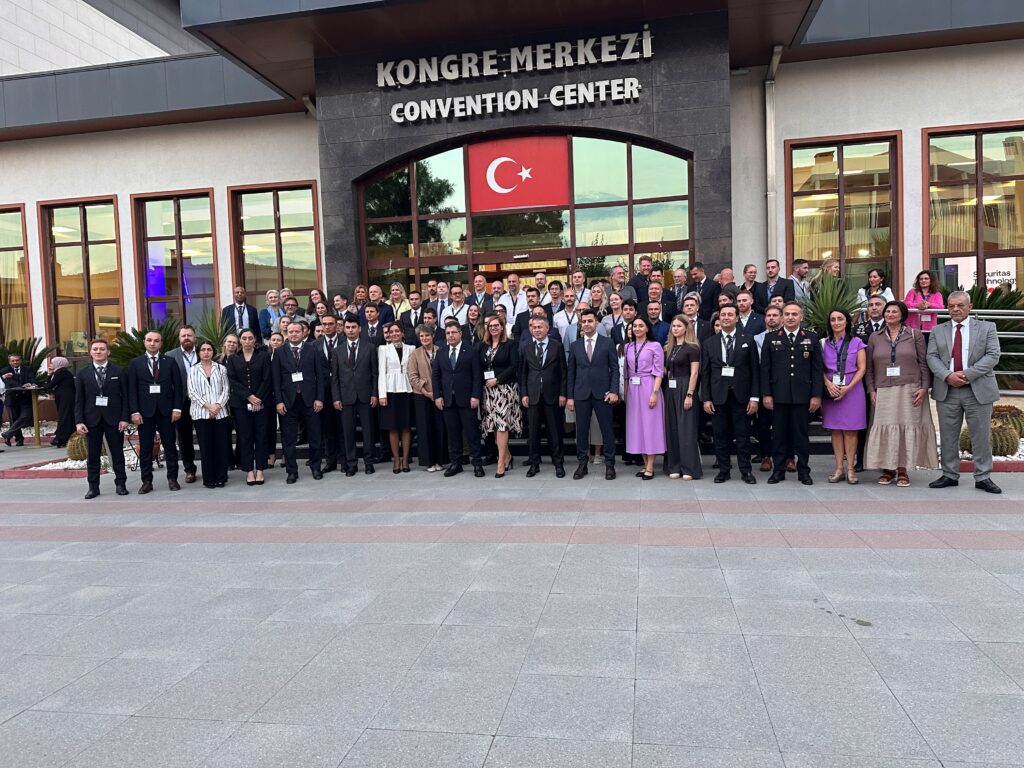
On 6-8 October 2026, Antalya hosted the 14th Electronic Monitoring Conference “Electronic Monitoring in a Changing World – Perception vs Reality”. More than 350 participants coming from 30 countries across Europe and worldwide representing probation services, Ministries of Justice, victims´ services, EM providers, researchers as well as local participants representing the Turkish Prison and Probation Service gathered to discuss how electronic monitoring (EM) is understood by all stakeholders involved including the victims and the public, and how these perceptions compare to the evidence and experiences of those affected. While the gap between perception and reality in electronic monitoring has been recognised for over a decade, the rapid expansion of EM into areas such as victim protection, high-risk supervision and digital innovation has brought new challenges and questions to the forefront.
Recap
ITSCCS
Core Correctional Skills in Digital Probation: highlights from the 6th ITSCCS in Barcelona
05/10/2026
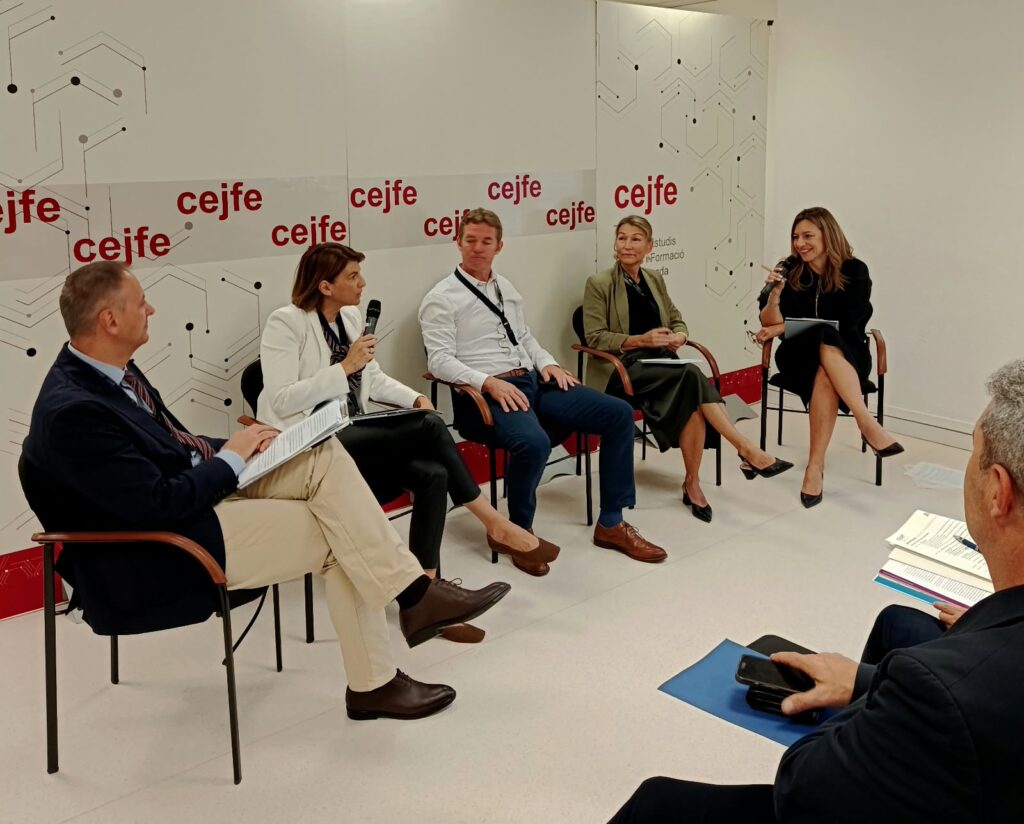
The sixth International Training School on Core Correctional Skills (ITSCCS) took place in Barcelona from 28 September to 2 October 2026, bringing together 26 participants for a week of learning, practical training and international exchange. Organised by the Confederation of European Probation (CEP) and the Centre for Legal Studies and Specialised Training (CEJFE), the programme focused on “Clicks and Empathy: Core Correctional Skills in Digital Probation.”
Recap
Framework Decisions
Recap: ERA workshop on Framework Decisions 829 and 947 in Bucharest
02/10/2026
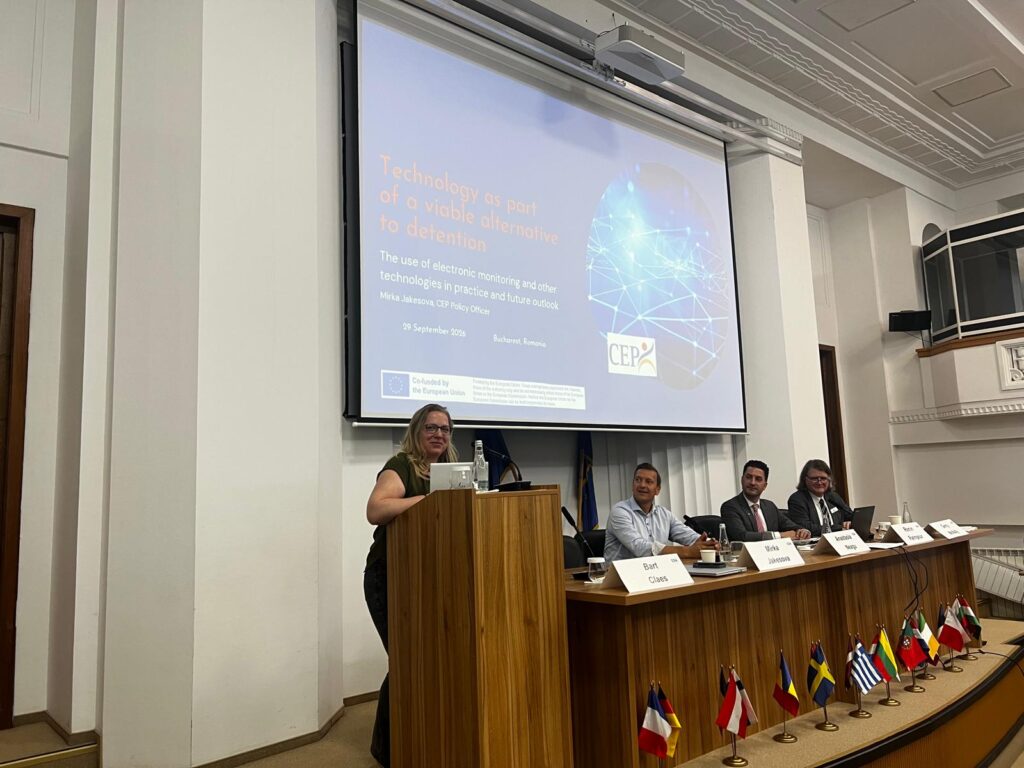
CEP Vice-President Daniel Danglades, Ambassador Gerry McNally and Policy Officer Mirka Jakesova participated in the Seminar on Framework Decisions 829 and 947 and their Impact on Alternatives in the EU organized under the EU project run by the Academy of European Law on 28-29 September in Bucharest, Romania. The seminar brought together judges, prosecutors, probation practitioners, academics, and policy experts to discuss the growing role of alternatives to detention within European criminal justice systems.
New
CEP
CEP and Catalan justice leaders reaffirm longstanding cooperation
29/09/2026
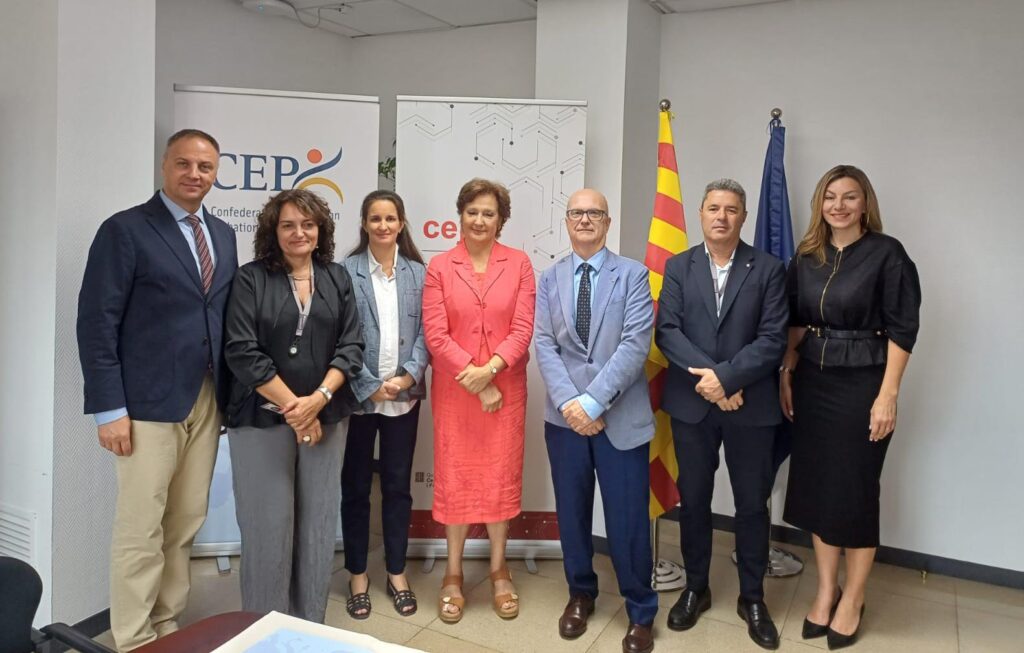
Representatives of the Confederation of European Probation (CEP) met with senior officials from the Catalan Department of Justice and Democratic Quality in Barcelona on 28 September 2026, alongside the opening of the sixth International Training School on Core Correctional Skills. The meeting offered an opportunity to recognise a longstanding partnership and discuss its continued development.
Updated
Mental Health
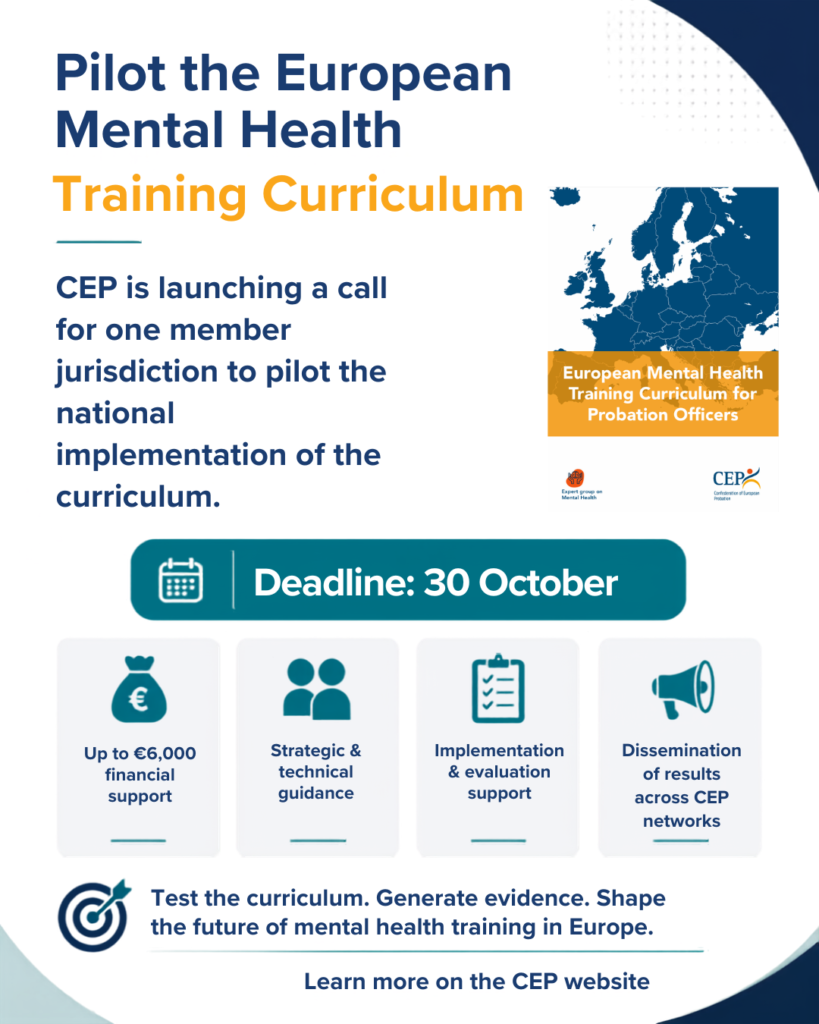
DEADLINE EXTENDED: Call for Pilot Implementation of the European Mental Health Training Curriculum
29/09/2026
Good news for CEP members! Following requests from our members, CEP has extended the deadline to apply for the pilot implementation of the European Mental Health Training Curriculum for Probation Officers.
Recap
ITSCCS, Technology
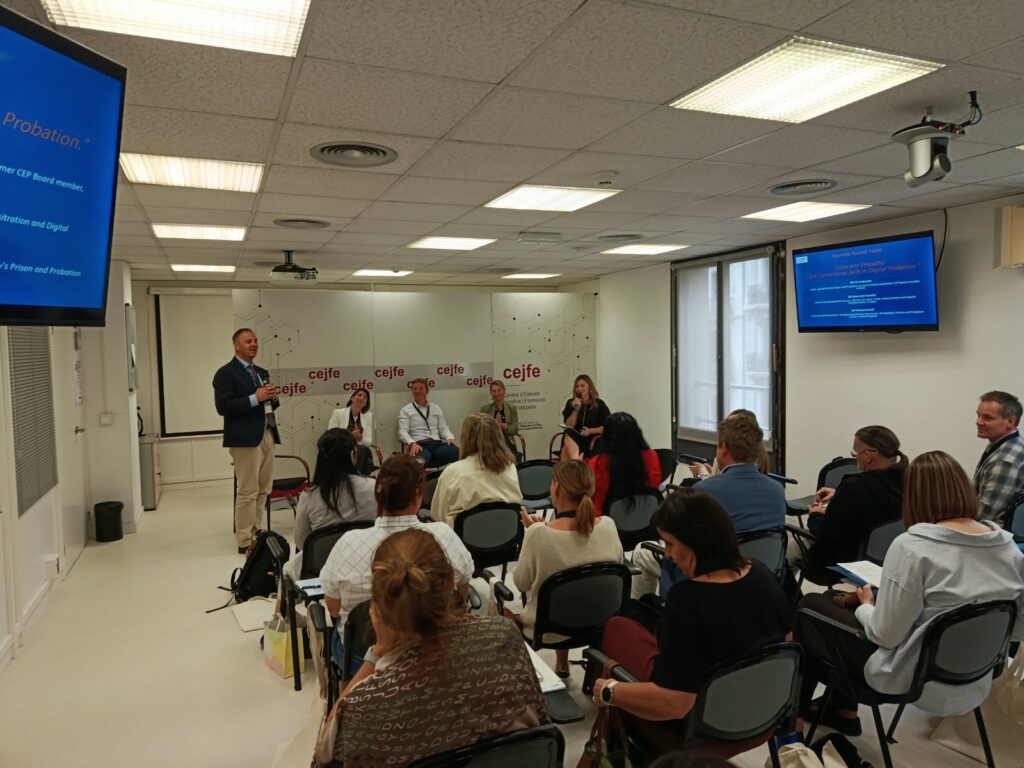
6th International Training School opens in Barcelona with a focus on digital probation
28/09/2026
How can probation professionals use new technologies in their interactions while building trust, showing empathy and supporting change? This question is at the heart of the sixth International Training School on Core Correctional Skills, which opened in Barcelona on 28 September 2026.
Subscribe to our bi-monthly email newsletter!
"*" indicates required fields
- Keep up to date with important probation developments and insights.