

Previous Article
News
Interview with Christelle Rinchard, an officer in charge of victim support in Charleroi, Belgium
How do you experience working during the Covid-19 pandemic?
Quite badly actually. We are a team of four officers working in the same office. Almost overnight, we could only come to the office one at a time, in turns. We weren’t really equipped for working from home yet as we didn’t do it before and we found
ourselves completely inefficient when we teleworked. On the other hand, the officer who was in the office was overwhelmed because she managed alone the 4 telephones and all the victims’ requests.
At first, we thought that the situation would be resolved quickly, but it was not the case.
We felt less useful because we had a lot less work to do (no more hearings, no reconstruction, no possibility to meet the magistrates, etc.). We had very few contacts with our peers, most of whom also teleworking.
We tried to make appointments by phone, particularly in sentence execution cases, but we quickly noticed that the people quickly lost track and didn’t really understand the procedure outlined. This was very frustrating.
For the current second wave, we are better equipped and more familiar with teleworking. The hearings are still taking place and the investigating judges are continuing their investigations normally or almost normally. On one hand, it has become much easier for us to carry out our work despite the health crisis even if we still feel very lonely when we come to the office. On the other hand, the workload is very heavy when we are at office because we have a lot of administrative work such as sending letters and putting in order the files processed during telework, answering the phone calls) in addition to the usual tasks. Nevertheless, we have come to the conclusion that the work has generally reduced. The confined victims also make less requests on us.
What would you have done differently?
Given the configuration of our premises, we had no choice but to come in turn. Nevertheless, for teleworking, we could perhaps have been quicker and found out more about teleworking or how to put it into practice. We did not know how to connect to the VPN, VoIP phone services
and business applications from home. Now it’s all been sorted out. We have also decided to come to the hearings or the reconstructions so that the duty periods are as much as possible dedicated to receiving new requests. We continue to make appointments at the office for some delicate situations because we are now equipped with Plexiglas screens and antibacterial gel or sprays.
What are the challenges you are facing now?
Maintaining the relationship with the victims that we cannot meet as often as we normally do. Establishing the best possible contact with public prosecutors, examining magistrates, employees and registrars in order to continue to provide users with the best possible
information.
Reflecting on the consequences of teleworking. We have indeed noticed that the police are filing far fewer complaints. When it is the case, they are not always dealt in a short period by the Public Prosecutor’s Office. It is harmful to the victims. We have initiated a discussion with the King’s Prosecutor on this topic.

Related News
Keep up to date with the latest developments, stories, and updates on probation from across Europe and beyond. Find relevant news and insights shaping the field today.
Recap
Electronic monitoring, Technology
14th Electronic Monitoring Conference, Electronic Monitoring in a Changing World – Perception vs Reality
08/10/2026
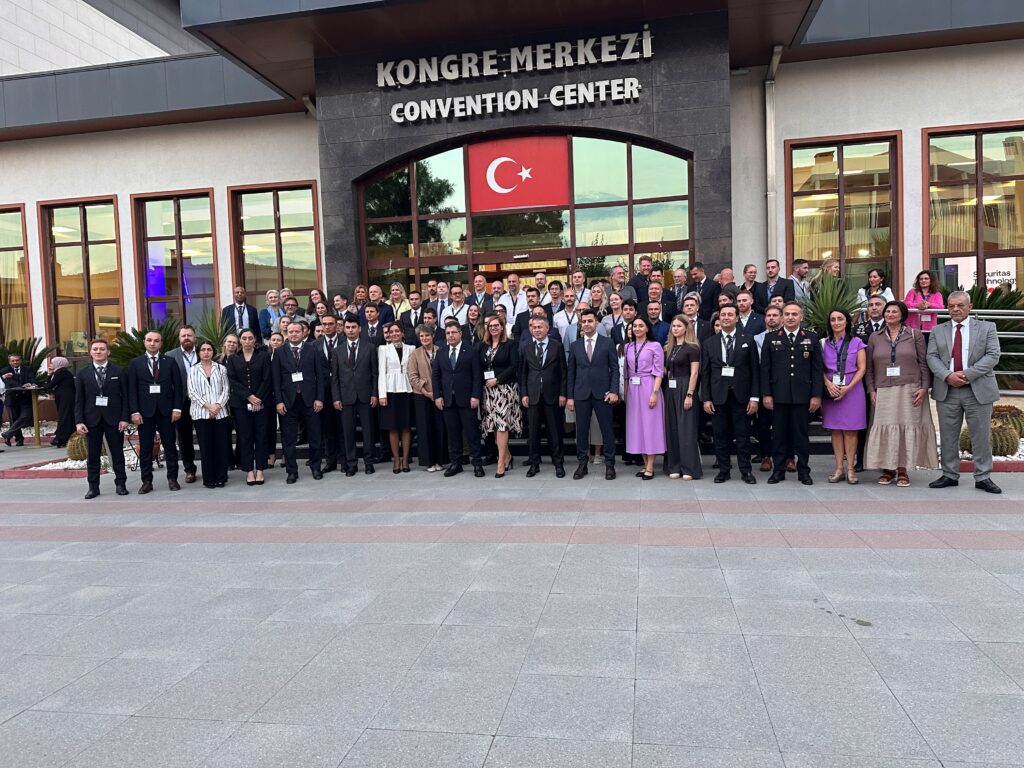
On 6-8 October 2026, Antalya hosted the 14th Electronic Monitoring Conference “Electronic Monitoring in a Changing World – Perception vs Reality”. More than 350 participants coming from 30 countries across Europe and worldwide representing probation services, Ministries of Justice, victims´ services, EM providers, researchers as well as local participants representing the Turkish Prison and Probation Service gathered to discuss how electronic monitoring (EM) is understood by all stakeholders involved including the victims and the public, and how these perceptions compare to the evidence and experiences of those affected. While the gap between perception and reality in electronic monitoring has been recognised for over a decade, the rapid expansion of EM into areas such as victim protection, high-risk supervision and digital innovation has brought new challenges and questions to the forefront.
Recap
ITSCCS
Core Correctional Skills in Digital Probation: highlights from the 6th ITSCCS in Barcelona
05/10/2026
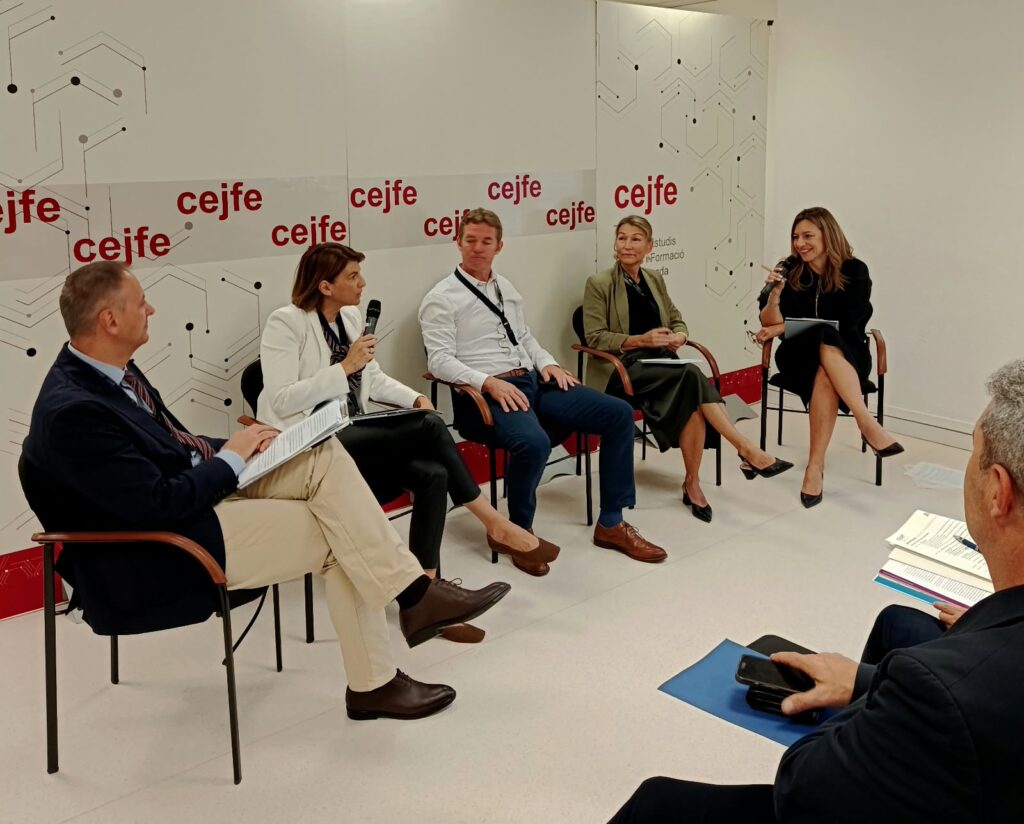
The sixth International Training School on Core Correctional Skills (ITSCCS) took place in Barcelona from 28 September to 2 October 2026, bringing together 26 participants for a week of learning, practical training and international exchange. Organised by the Confederation of European Probation (CEP) and the Centre for Legal Studies and Specialised Training (CEJFE), the programme focused on “Clicks and Empathy: Core Correctional Skills in Digital Probation.”
Recap
Framework Decisions
Recap: ERA workshop on Framework Decisions 829 and 947 in Bucharest
02/10/2026
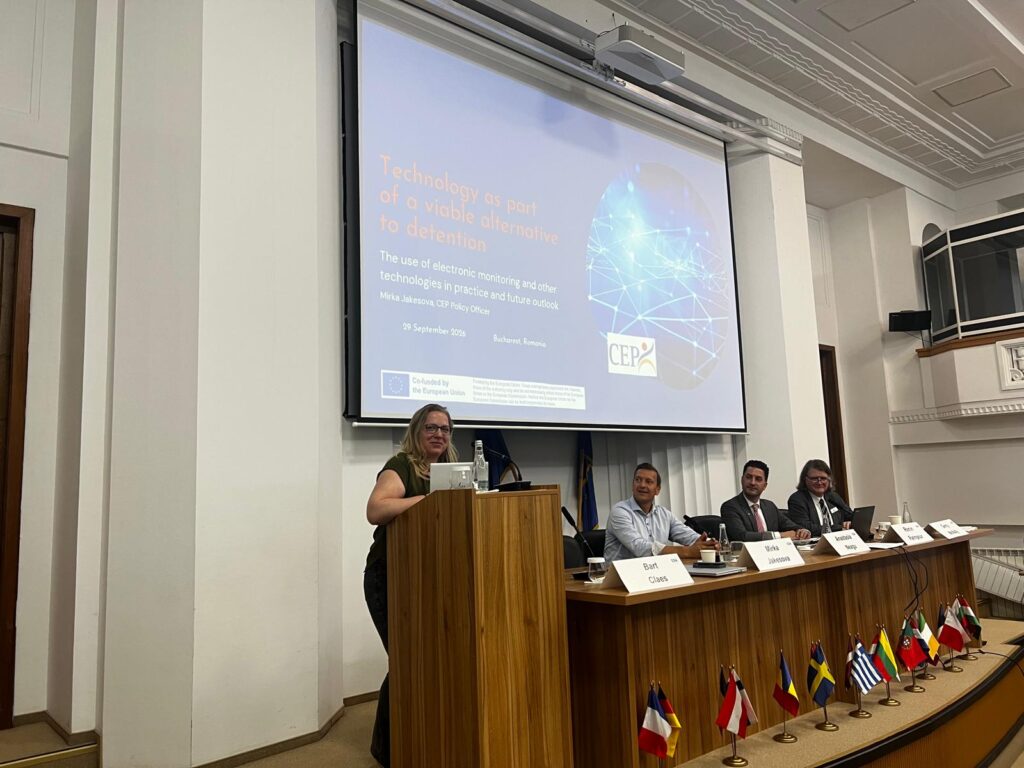
CEP Vice-President Daniel Danglades, Ambassador Gerry McNally and Policy Officer Mirka Jakesova participated in the Seminar on Framework Decisions 829 and 947 and their Impact on Alternatives in the EU organized under the EU project run by the Academy of European Law on 28-29 September in Bucharest, Romania. The seminar brought together judges, prosecutors, probation practitioners, academics, and policy experts to discuss the growing role of alternatives to detention within European criminal justice systems.
New
CEP
CEP and Catalan justice leaders reaffirm longstanding cooperation
29/09/2026
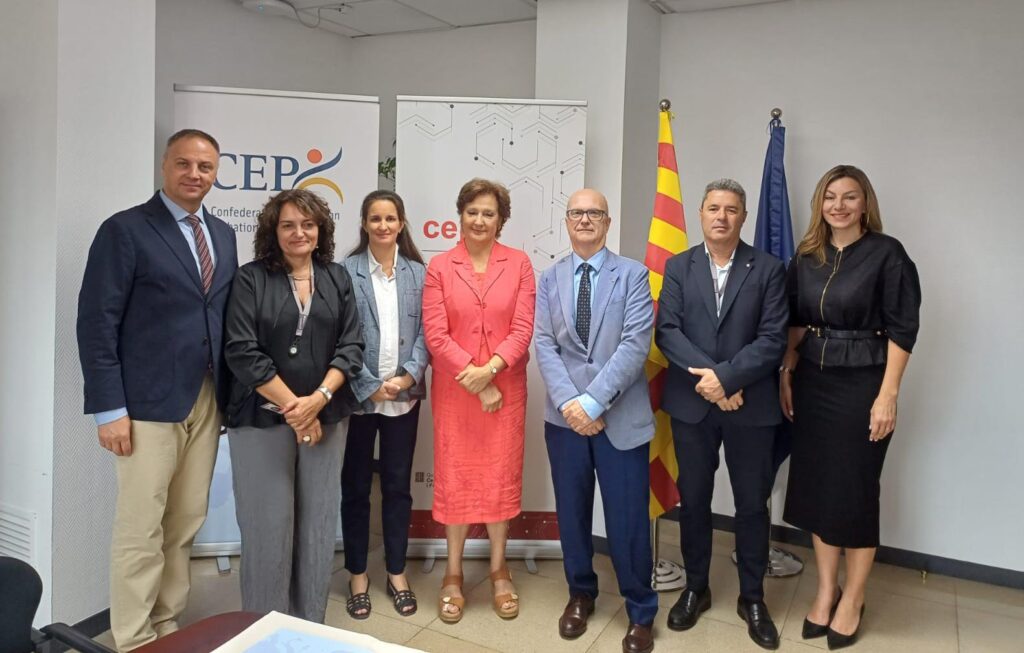
Representatives of the Confederation of European Probation (CEP) met with senior officials from the Catalan Department of Justice and Democratic Quality in Barcelona on 28 September 2026, alongside the opening of the sixth International Training School on Core Correctional Skills. The meeting offered an opportunity to recognise a longstanding partnership and discuss its continued development.
Updated

Mental Health
DEADLINE EXTENDED: Call for Pilot Implementation of the European Mental Health Training Curriculum
29/09/2026
Good news for CEP members! Following requests from our members, CEP has extended the deadline to apply for the pilot implementation of the European Mental Health Training Curriculum for Probation Officers.
Recap
ITSCCS, Technology
6th International Training School opens in Barcelona with a focus on digital probation
28/09/2026
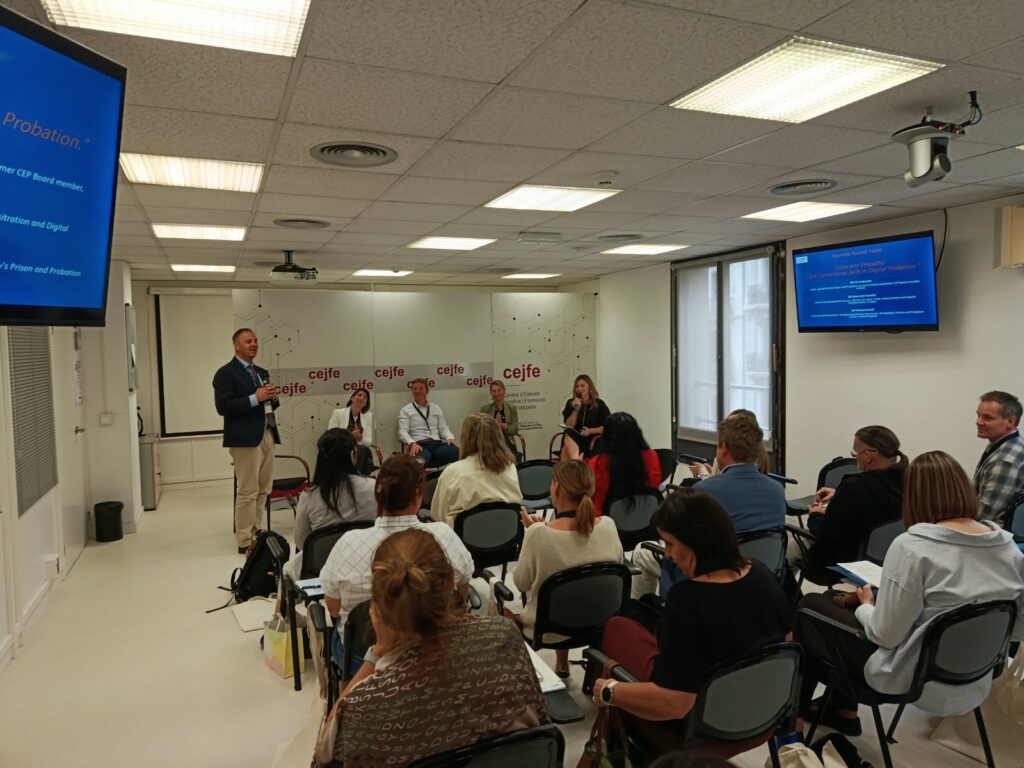
How can probation professionals use new technologies in their interactions while building trust, showing empathy and supporting change? This question is at the heart of the sixth International Training School on Core Correctional Skills, which opened in Barcelona on 28 September 2026.
Subscribe to our bi-monthly email newsletter!
"*" indicates required fields
- Keep up to date with important probation developments and insights.