

Previous Article
News
Innovation in probation: a pilot on the feasibility of e-guidance for juveniles
To change criminal behaviour, motivation, time, attention, practice and feedback are the ingredients for success. Especially youngsters can find it difficult to change their behaviour. Many regions in their brain are still developing, meaning they have less cognitive control than adults when it comes to attention, thoughts and behaviour. Mayke Mol and Janine Plaisier, (GGZinGeest & Impact R&D) have conducted a pilot for an innovative automated and personalised computer system that probation officers can use to remind youngsters of their goals and give them exercises. We spoke to Mayke Mol about how they conducted the pilot.
Impact R&D is an organisation that focusses on research and development of methods for behavioural change. “In order to reduce recidivism, the prison system and probation organisations try to change the behaviour of offenders. Current methods that aim to do so, such as risk assessment instruments, probation supervision and behavioural interventions, are based on scientific insights. The results of these methods are fairly consistent, but limited. International research suggests that effective behavioural interventions for offenders generally lead to approximately 10-25% less recidivism, but sometimes also have no, or even negative, effects. As Impact R&D has extensive experience in researching the impact of behavioural interventions, we decided to investigate how current results could be improved.” This is when they came up with the idea for e-guidance.
According to Mayke Mol, until now, there has been no form of well-researched e-guidance developed that is aimed completely at the offender, is customisable and deals not just with practical matters, but is genuinely aimed at achieving goals and learning how to behave in a different way. The e-guidance system was tested on 46 boys, of which 35 were under supervision of juvenile probation services and 11 had voluntarily requested help at an institution for social work and child protection.
The e-guidance system
E-guidance is a tool for probation officers that they can use in addition to their normal daily tasks. “The main goal was to develop a tool that motivates youngsters to work on the things they have learned during the hours they have spend with their probation officer. They receive semi-automatically regulated text messages, for example to remind them of their goals or to give them an exercise to stay motivated.” The messages are scheduled beforehand and send via a customised calendar. The person that produces the messages always takes the schedule of the offender and his needs into account. The text messages can always be adjusted after scheduling them.
Some of the messages contain a question to the offender. The answers that are send back, are moderated and in case it is necessary, the probation officer will be alarmed.
The experiences
After the pilot was conducted the participants were asked for their opinion on the e-guidance tool. “Most of the youngsters were positive. Our main goal was to find the right tone of voice in our messages and it is good to hear we succeeded. The youngsters found it helpful to get exercises, for example about their future and about what kind of studies they want to do in the future. They also appreciated positive support and feedback. A small group of offenders did not appreciate the messages, but we already expected that one method will never work for an entire group.”
The probation officers were also asked for their experiences. “The e-guidance tool was produced for the final phase of the probation process, but the probation officers would have found it already very useful from the start.”
This research was aimed at testing the feasibility of e-guidance. Future research can test the effect of e-guidance on the youngsters.

Related News
Keep up to date with the latest developments, stories, and updates on probation from across Europe and beyond. Find relevant news and insights shaping the field today.
Recap
Electronic monitoring, Technology
14th Electronic Monitoring Conference, Electronic Monitoring in a Changing World – Perception vs Reality
08/10/2026
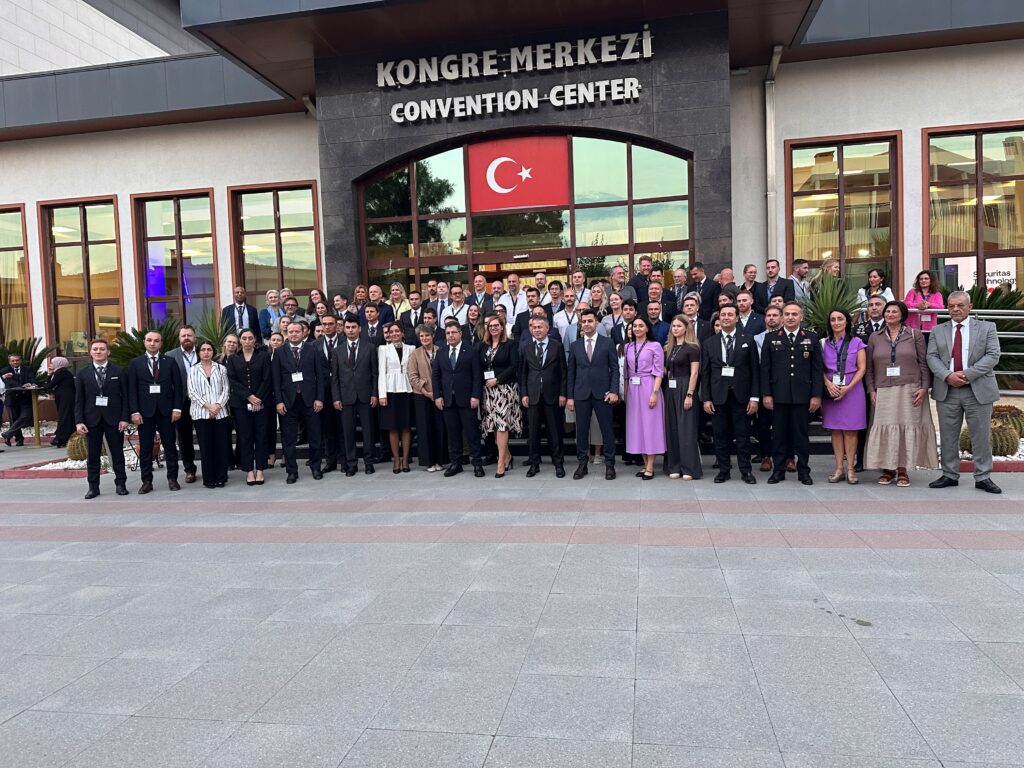
On 6-8 October 2026, Antalya hosted the 14th Electronic Monitoring Conference “Electronic Monitoring in a Changing World – Perception vs Reality”. More than 350 participants coming from 30 countries across Europe and worldwide representing probation services, Ministries of Justice, victims´ services, EM providers, researchers as well as local participants representing the Turkish Prison and Probation Service gathered to discuss how electronic monitoring (EM) is understood by all stakeholders involved including the victims and the public, and how these perceptions compare to the evidence and experiences of those affected. While the gap between perception and reality in electronic monitoring has been recognised for over a decade, the rapid expansion of EM into areas such as victim protection, high-risk supervision and digital innovation has brought new challenges and questions to the forefront.
Recap
ITSCCS
Core Correctional Skills in Digital Probation: highlights from the 6th ITSCCS in Barcelona
05/10/2026
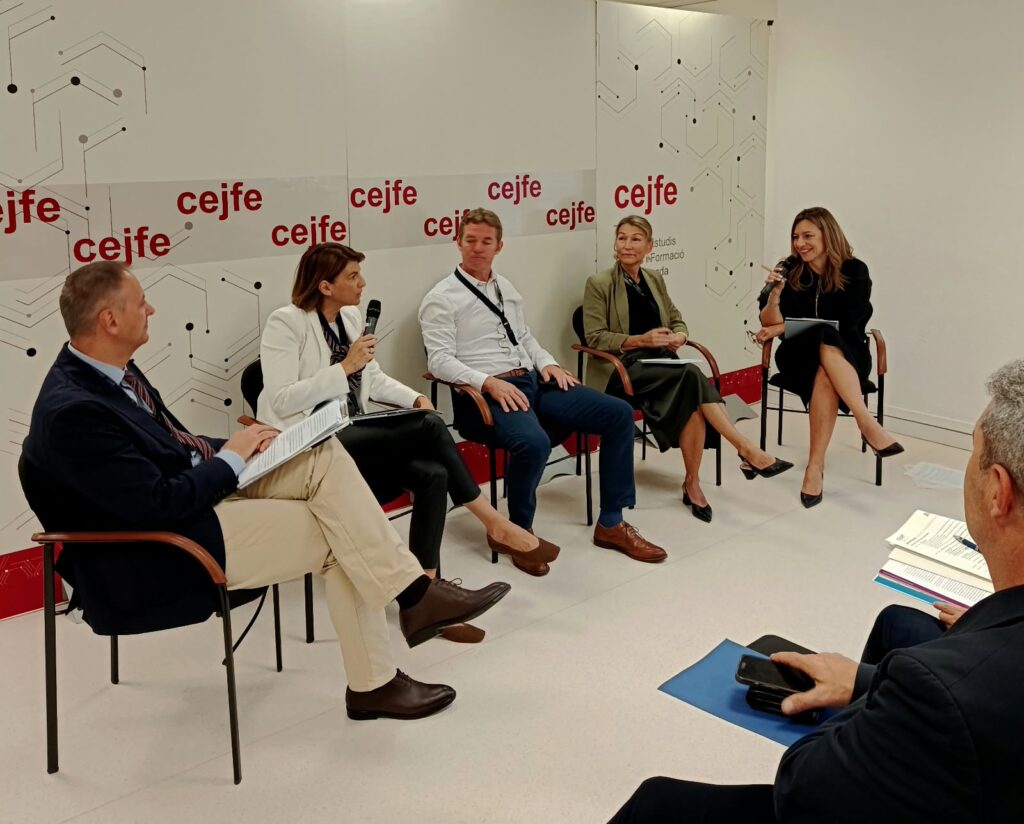
The sixth International Training School on Core Correctional Skills (ITSCCS) took place in Barcelona from 28 September to 2 October 2026, bringing together 26 participants for a week of learning, practical training and international exchange. Organised by the Confederation of European Probation (CEP) and the Centre for Legal Studies and Specialised Training (CEJFE), the programme focused on “Clicks and Empathy: Core Correctional Skills in Digital Probation.”
Recap
Framework Decisions
Recap: ERA workshop on Framework Decisions 829 and 947 in Bucharest
02/10/2026
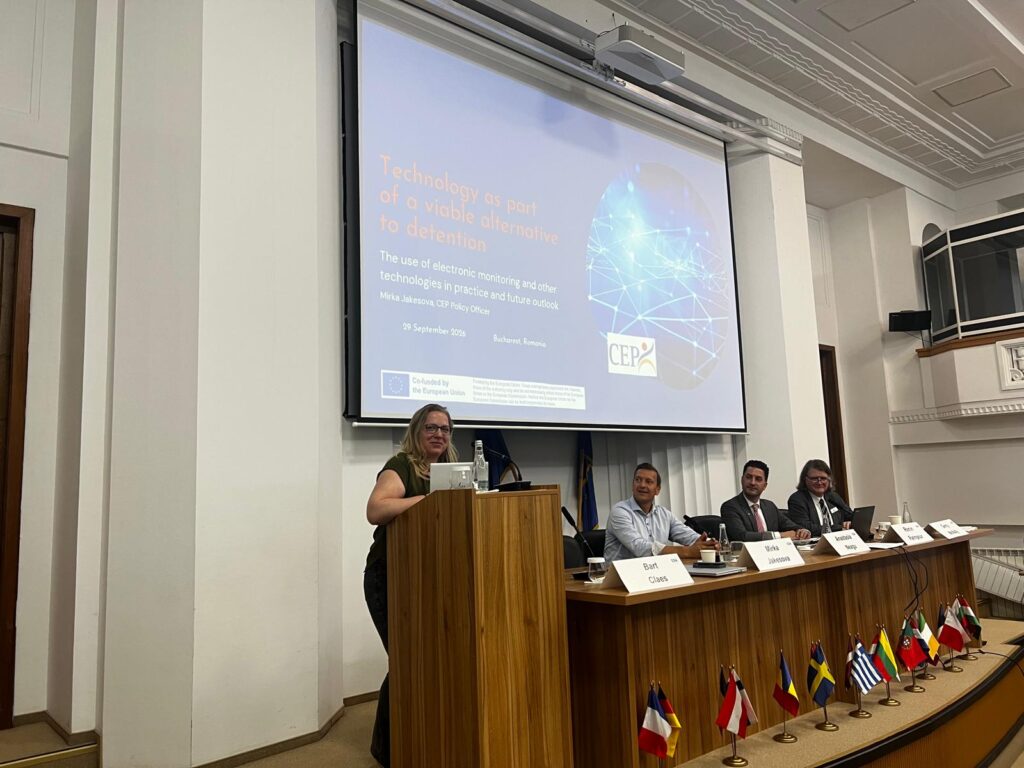
CEP Vice-President Daniel Danglades, Ambassador Gerry McNally and Policy Officer Mirka Jakesova participated in the Seminar on Framework Decisions 829 and 947 and their Impact on Alternatives in the EU organized under the EU project run by the Academy of European Law on 28-29 September in Bucharest, Romania. The seminar brought together judges, prosecutors, probation practitioners, academics, and policy experts to discuss the growing role of alternatives to detention within European criminal justice systems.
New
CEP
CEP and Catalan justice leaders reaffirm longstanding cooperation
29/09/2026
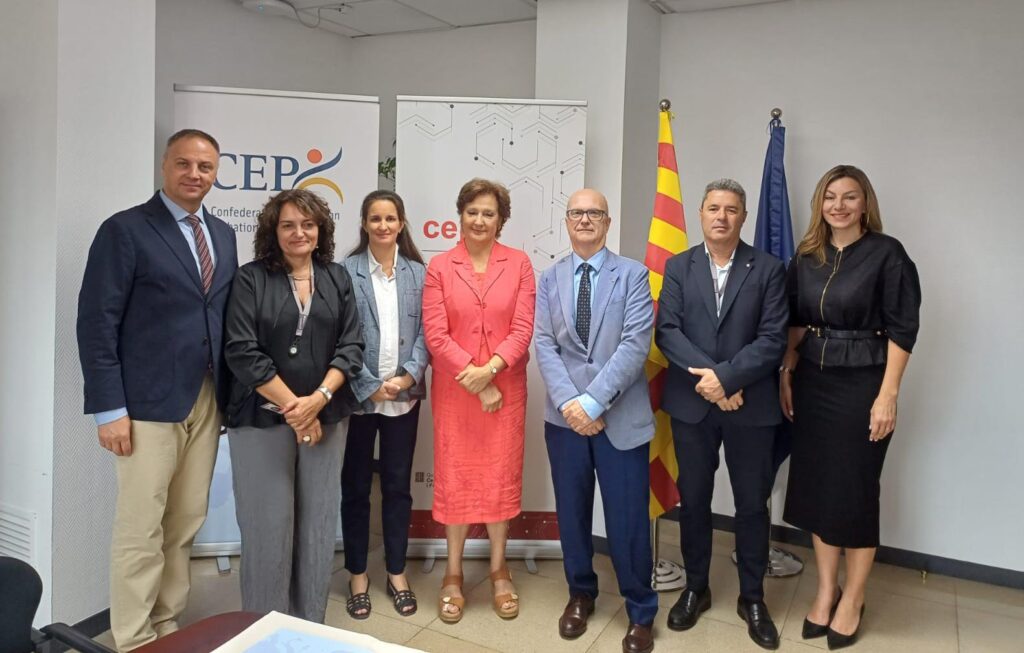
Representatives of the Confederation of European Probation (CEP) met with senior officials from the Catalan Department of Justice and Democratic Quality in Barcelona on 28 September 2026, alongside the opening of the sixth International Training School on Core Correctional Skills. The meeting offered an opportunity to recognise a longstanding partnership and discuss its continued development.
Updated

Mental Health
DEADLINE EXTENDED: Call for Pilot Implementation of the European Mental Health Training Curriculum
29/09/2026
Good news for CEP members! Following requests from our members, CEP has extended the deadline to apply for the pilot implementation of the European Mental Health Training Curriculum for Probation Officers.
Recap
ITSCCS, Technology
6th International Training School opens in Barcelona with a focus on digital probation
28/09/2026
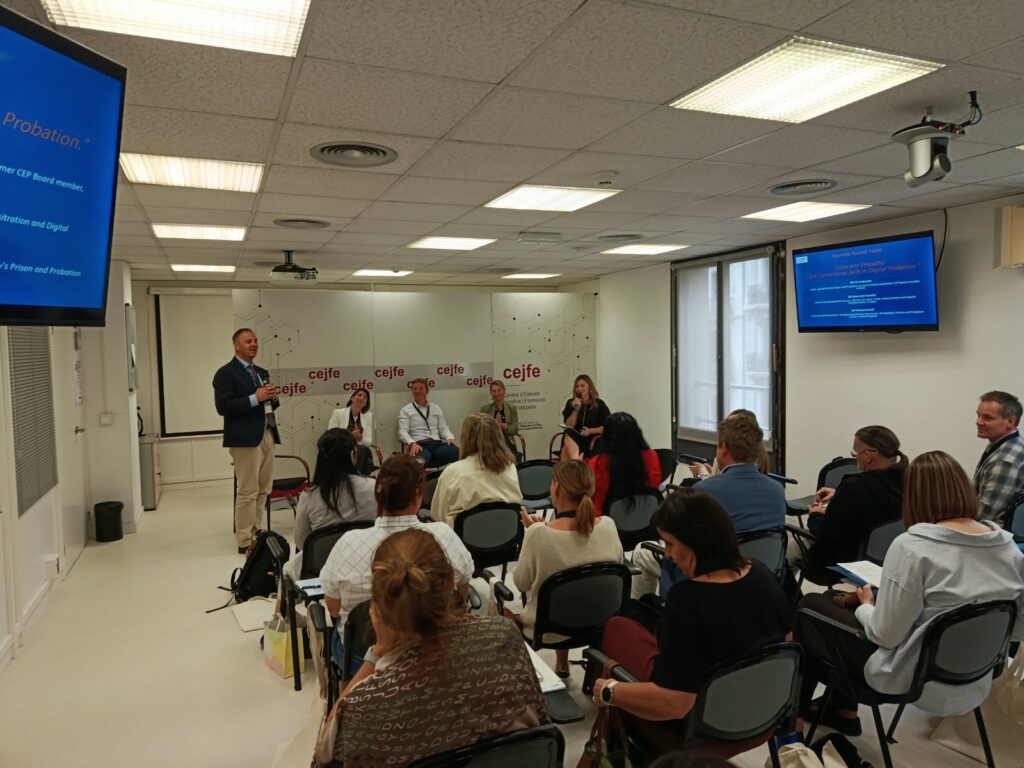
How can probation professionals use new technologies in their interactions while building trust, showing empathy and supporting change? This question is at the heart of the sixth International Training School on Core Correctional Skills, which opened in Barcelona on 28 September 2026.
Subscribe to our bi-monthly email newsletter!
"*" indicates required fields
- Keep up to date with important probation developments and insights.