News
CoPPer Project Final Conference: A Celebration of Collaboration, Impact and Inspiration
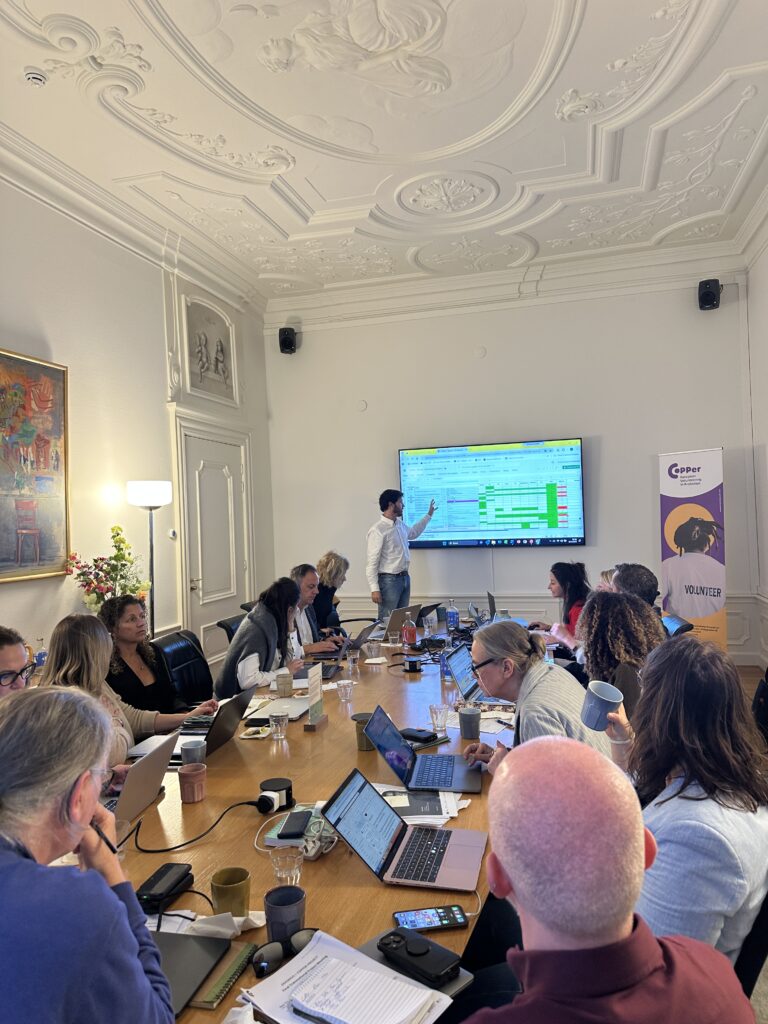
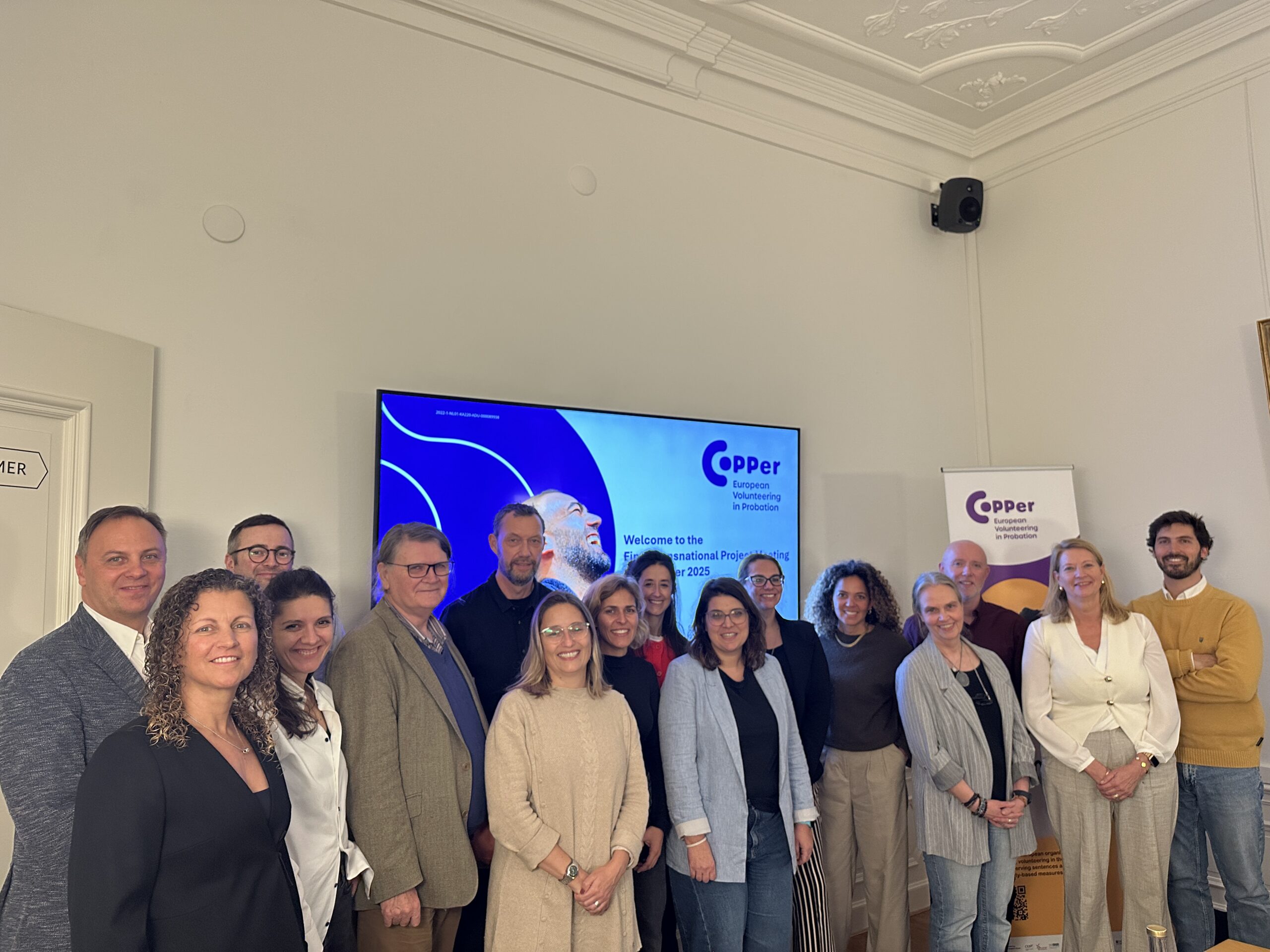
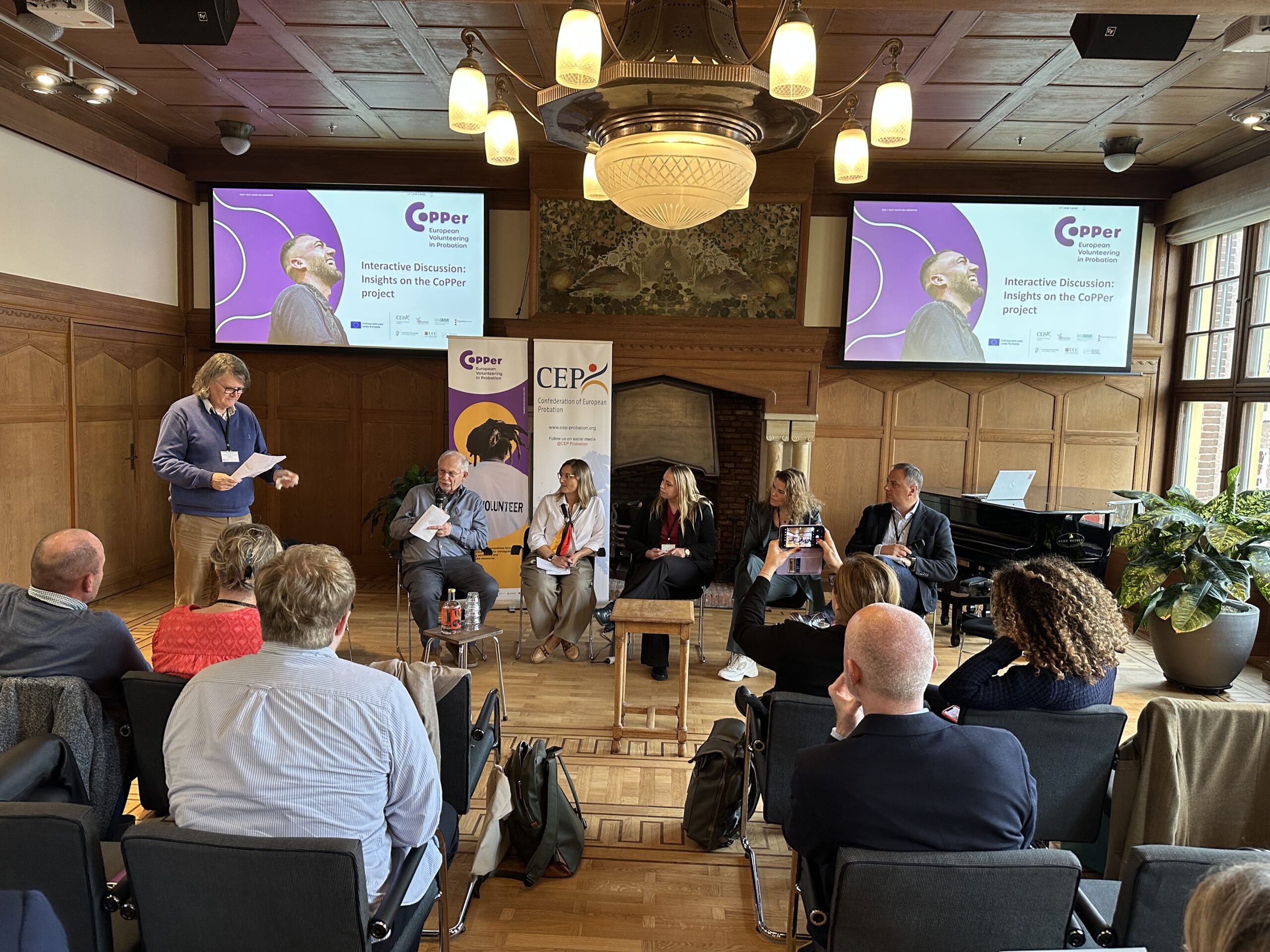
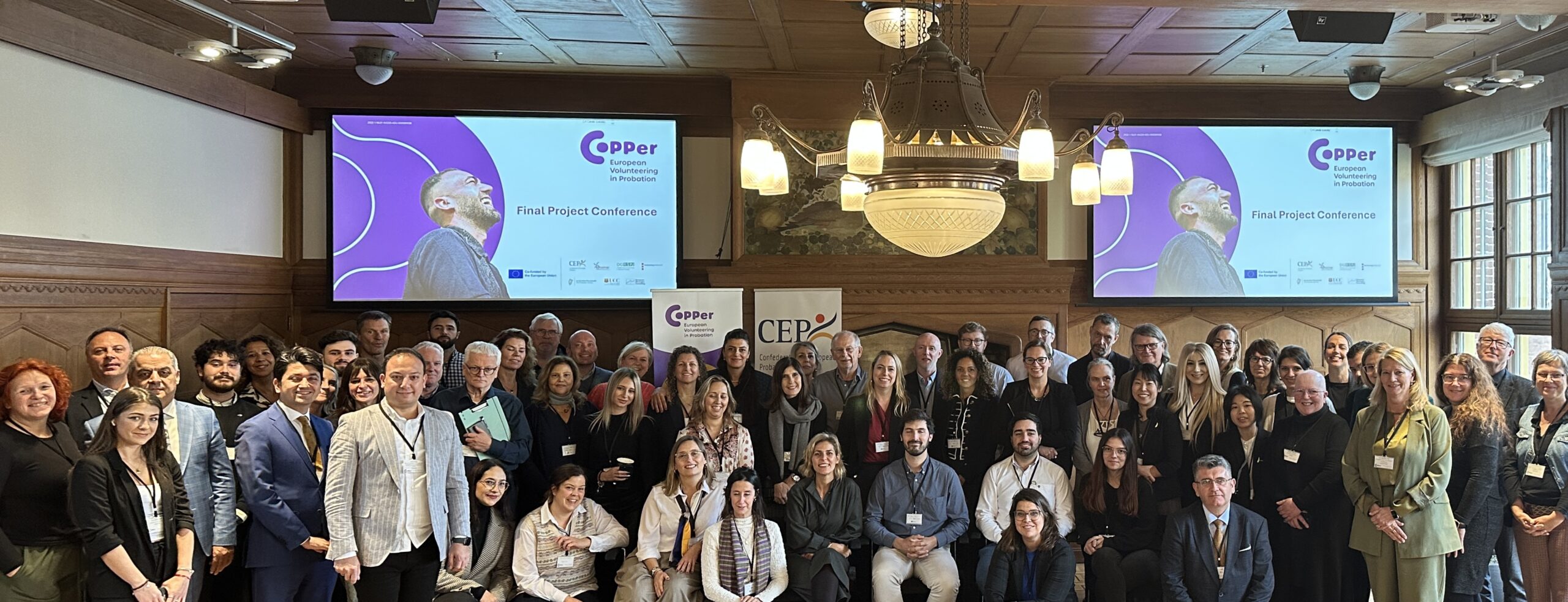
On 6 November 2025, the CoPPer Final Project Conference took place at Het Nutshuis in The Hague, the Netherlands, marking a milestone in European cooperation and innovation in the field of probation. The event brought together 66 participants representing jurisdictions from Germany, Ireland, United Kingdom, Portugal, Netherlands, Romania, Estonia, as well as Türkiye and Japan. A clear sign of the growing international interest in the CoPPer project and its outcomes.
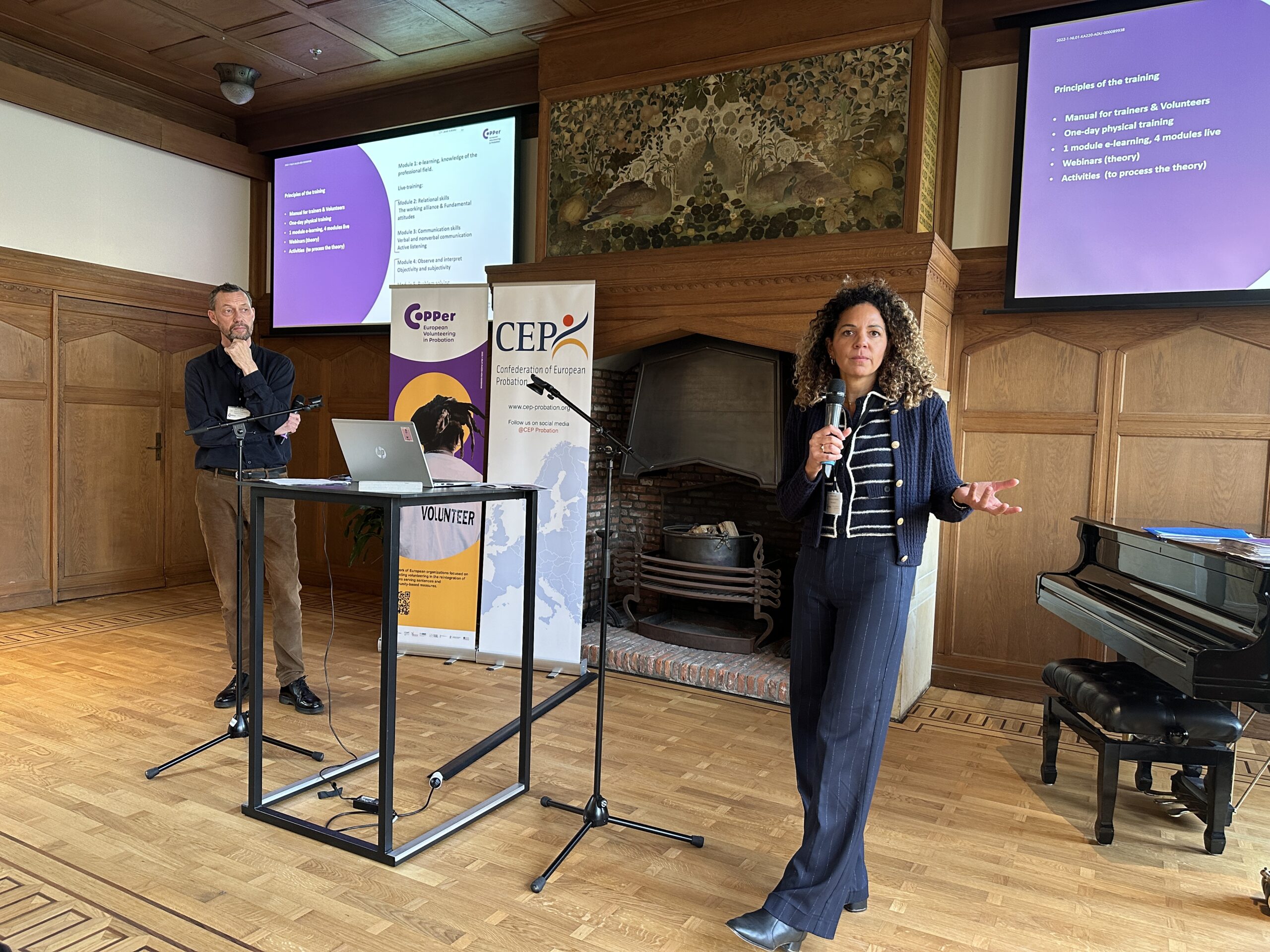
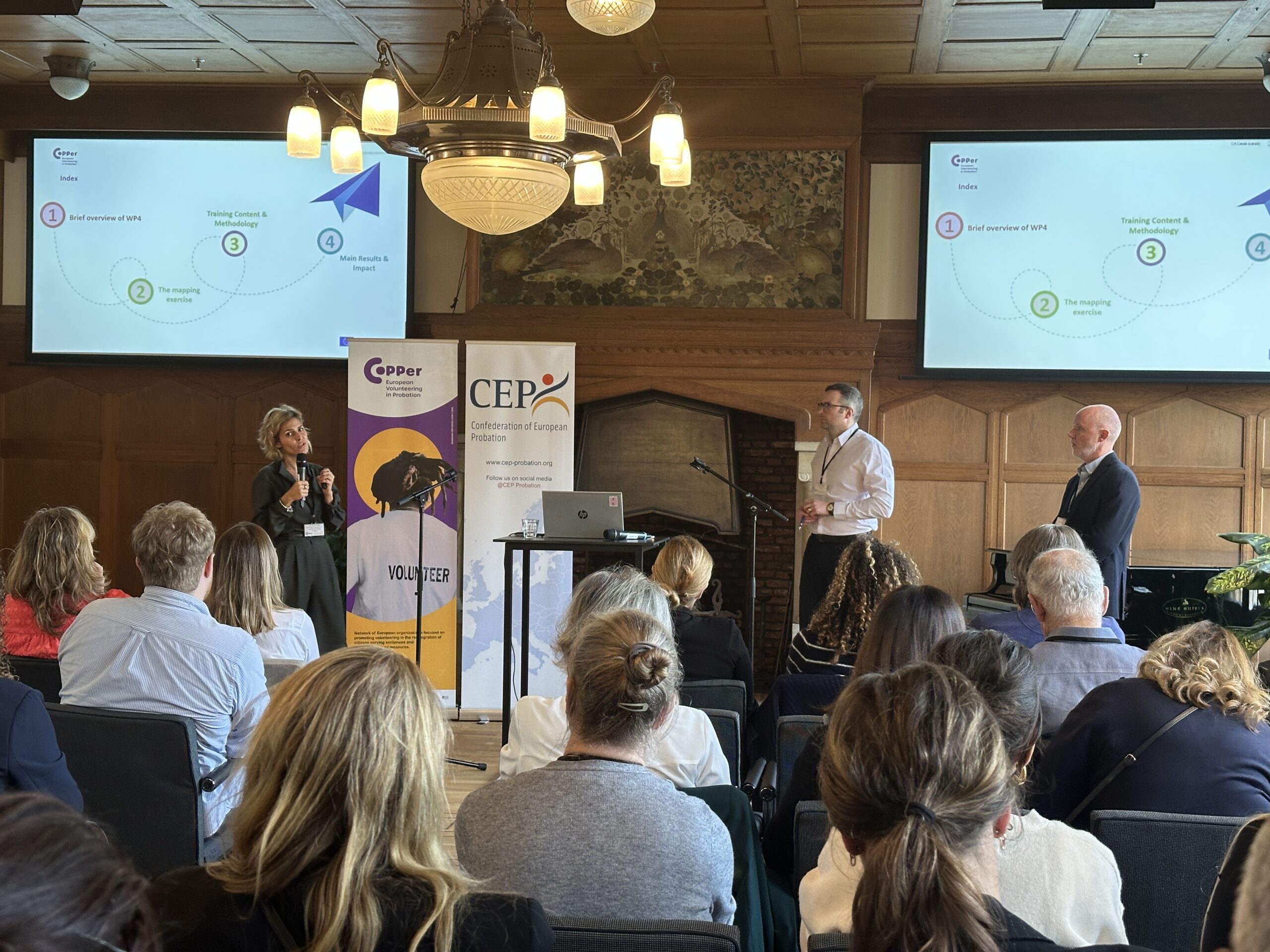
Hosted by the Confederation of European Probation (CEP) and its project partners, the conference offered a comprehensive overview of the project’s journey—its roots, research, training developments, and communication achievements. Throughout the day, partners presented the different work packages of CoPPer, from exploring volunteering in probation systems to shaping a European training programme, building capacity among community-based organisations, and amplifying impact through strategic communication.
The programme featured engaging presentations by Aproximar (Portugal), University College Cork (Ireland), Reclassering Nederland (Netherlands), the Irish Probation Service, European Strategies Consulting (Romania) and CEP, complemented by interactive sessions that encouraged reflection, exchange and lively debate among participants. The interactive discussion on “Insights of CoPPer project” and the “Looking Ahead” panel provided a forward-looking perspective, underlining that this successful collaboration has laid the groundwork for future developments in European volunteering within probation and that the project left a foodprint that goes beyond the tangible outcomes and results of the project.
The atmosphere was vibrant and positive, filled with good energy, inspiring discussions, and a shared sense of achievement. The quality of results and the depth of engagement reflected the dedication and expertise of all partners involved.
This inspiring Conference day followed the project’s final Transnational Partner Meeting, held on 5 November, also in The Hague, where partners finalised the last steps and planned for final stage of the project after more than 3 years working together.
The CoPPer project has truly been a great success—not an ending, but the beginning of a new chapter in promoting volunteering, collaboration, and community engagement across European probation services.
For more information, upcoming publications and materials that will continue to share the lessons, tools, and inspiration from CoPPer’s remarkable journey, check out the website: www.copper-initiative.com
Related News
Keep up to date with the latest developments, stories, and updates on probation from across Europe and beyond. Find relevant news and insights shaping the field today.
CEP
Newsletter August 2026 out now
27/08/2026
CEP’s latest newsletter is out now! It includes:
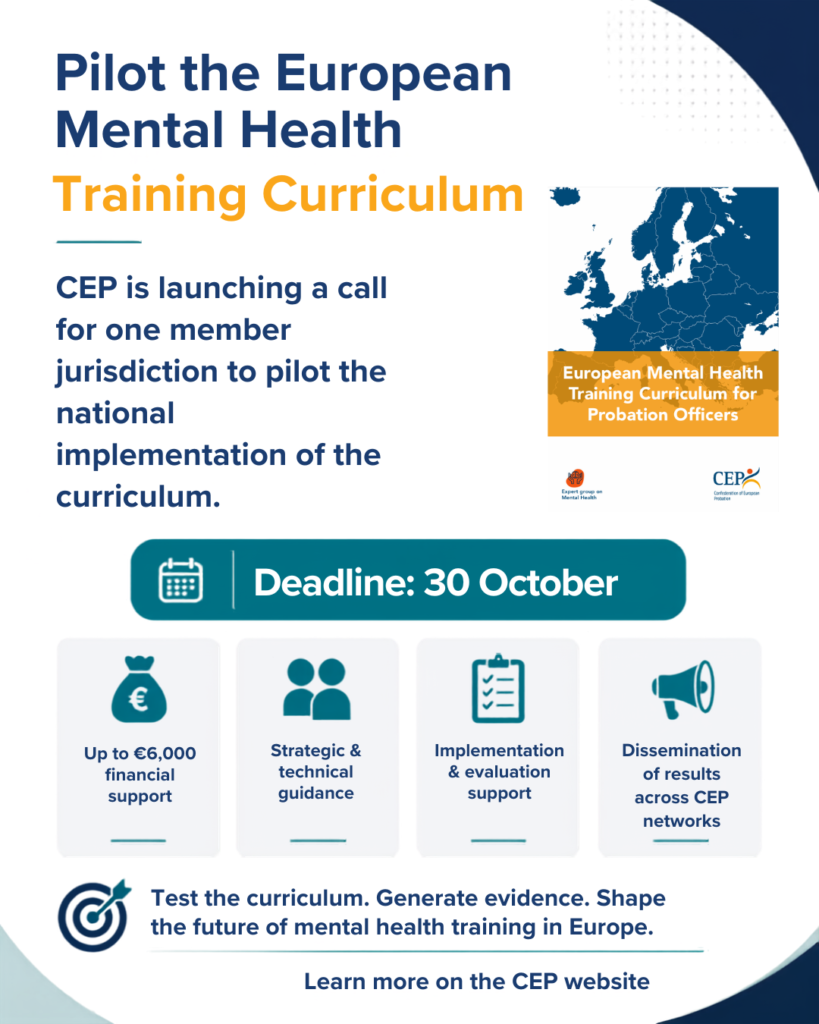
- Approaching deadlines for upcoming events (ITSCCS26, 14th EM and DG leadership training) and the Mental Health curriculum pilot)
- Call for European Probation Journal on the topic of Workload in Probation
- EU documents like SPACE II, revised Victims’ Rights directive and so on
- and much more!
Caseload and workload
Do you work in probation? We need your voice!
24/08/2026
As part of its long-standing cooperation with research, CEP invites its members to contribute to a special edition of the European Probation Journal on the topic of Workload in Probation.
Alternatives to pre-trial detention, Foreign Nationals in Prison and Probation, Gender Equality, Probation in Europe
SPACE II report is now available
24/08/2026
The use of community sanctions and measures that allow individuals to remain in the community – also known as alternatives to imprisonment – continues to grow overall in Europe, although at a moderate pace, according to the latest Council of Europe annual penal statistics on persons under the supervision of probation agencies (2025 SPACE II survey).
Victims rights
Adoption of the revised Victims’ Rights Directive and call for evidence on EU strategy on victims’ rights
05/08/2026
The Council of the European Union has formally approved a new directive strengthening the rights of victims of crime across the EU. The updated law improves access to information, support, and protection by introducing an EU-wide victim support helpline (116 006), making it easier to report crimes through digital tools, strengthening safeguards for victims’ personal data, expanding child-friendly support services, improving access to legal aid, and helping ensure that victims receive compensation more quickly.
This directive updates the 2012 EU Victims’ Rights Directive and aims to ensure that victims receive more consistent and effective support across all Member States. Following its publication in the Official Journal, Member States will have 24 months to transpose the new rules into national law. For more information, see the Council of the European Union’s press release: Council greenlights law reinforcing protection of victims’ rights and check out the revised Victims’ Rights.
juvenile offenders, Probation in Europe
Overview of Probation Procedures for Juveniles and Adults in Albania
22/07/2026
The Albanian Probation Service plays an important role in the implementation of alternative sanctions and measures for both juveniles and adults. Through supervision, assessment, and rehabilitation-oriented interventions, the Service aims to support compliance with court decisions, reduce the risk of reoffending, and promote the successful reintegration of individuals into society.
Community Sanctions and Measures
Nelson Mandela day
18/07/2026
Nelson Mandela Day reminds us that justice is not only about accountability – it is also about hope. Mandela believed in the dignity of every person and in the possibility of change. These principles are at the heart of probation.
Across Europe, probation professionals work every day to support people in taking responsibility for their actions, rebuilding their lives and successfully reintegrating into their communities. By promoting rehabilitation, social inclusion and human dignity, probation helps reduce reoffending and contributes to safer, more resilient societies.
Subscribe to our bi-monthly email newsletter!
"*" indicates required fields
- Keep up to date with important probation developments and insights.