News
Recap: Workshop on Caseload and Workload
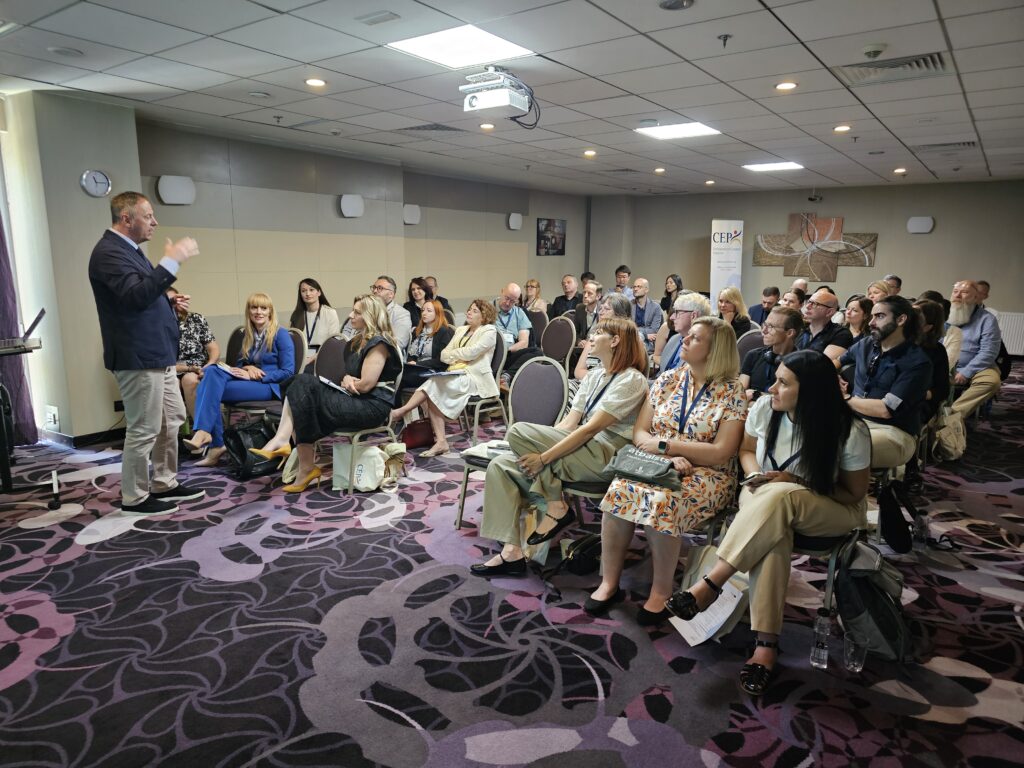
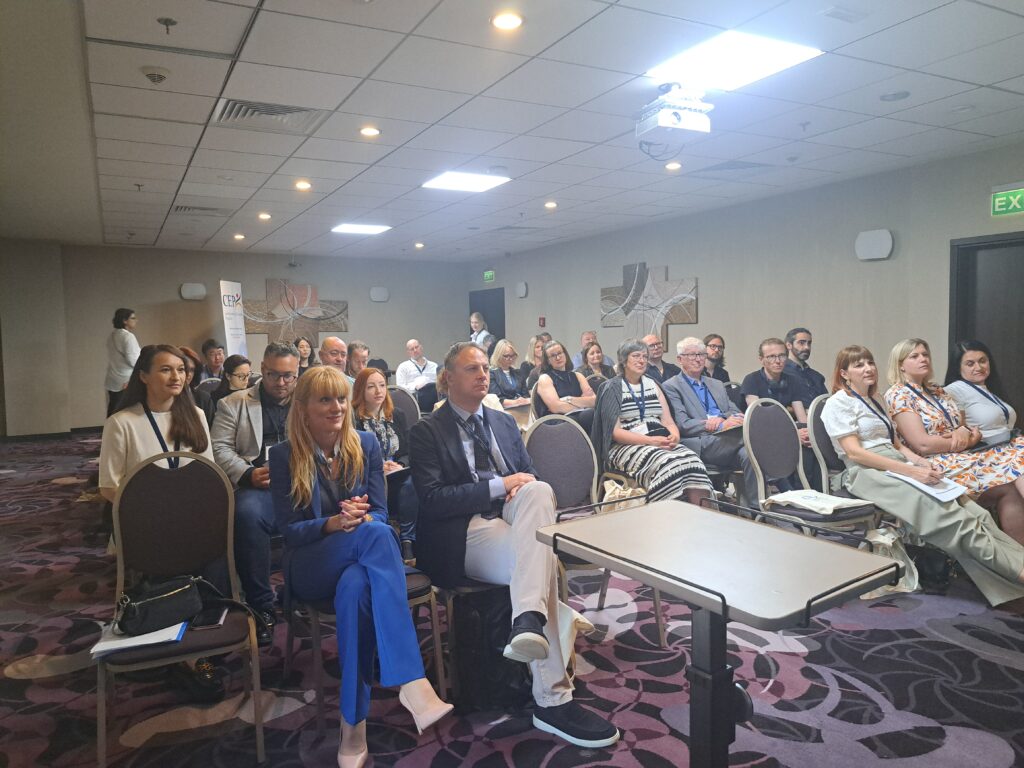
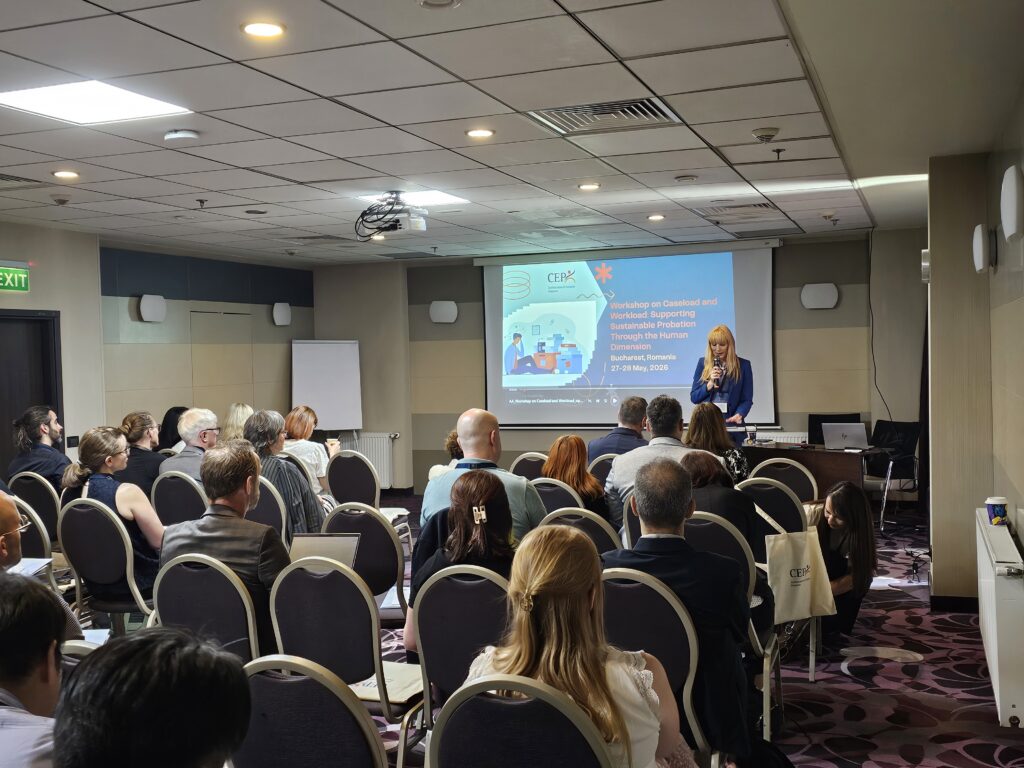
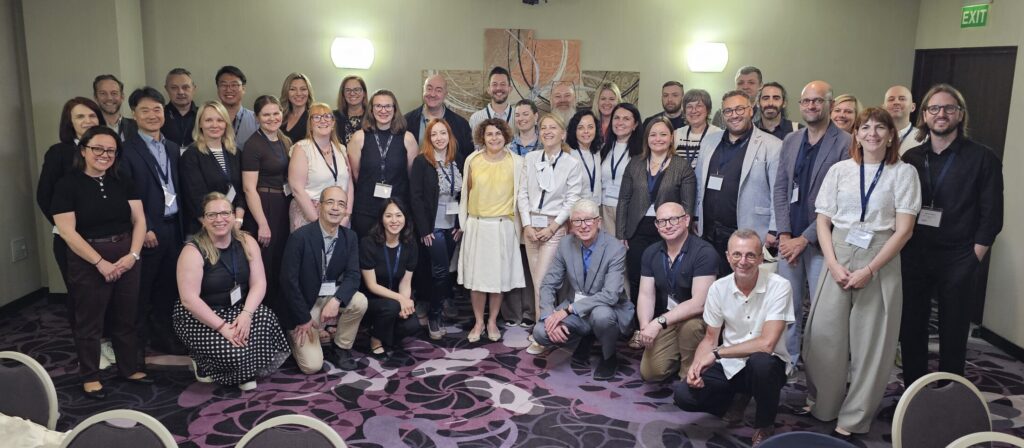
On 27 and 28 May 2026, Bucharest hosted the CEP Workshop on Caseload and Workload: Supporting Sustainable Probation Through the Human Dimension. With 40 participants representing 18 European jurisdictions, as well as delegates from South Korea, the workshop offered opportunities to exchange knowledge and develop strategies to manage the increasing caseload and workload in probation. Designed as an interactive space, it provided participants – practitioners, managers, researchers and experts – with reflections on current pressures within probation services and it explored practical, evidence‑informed solutions from across Europe.
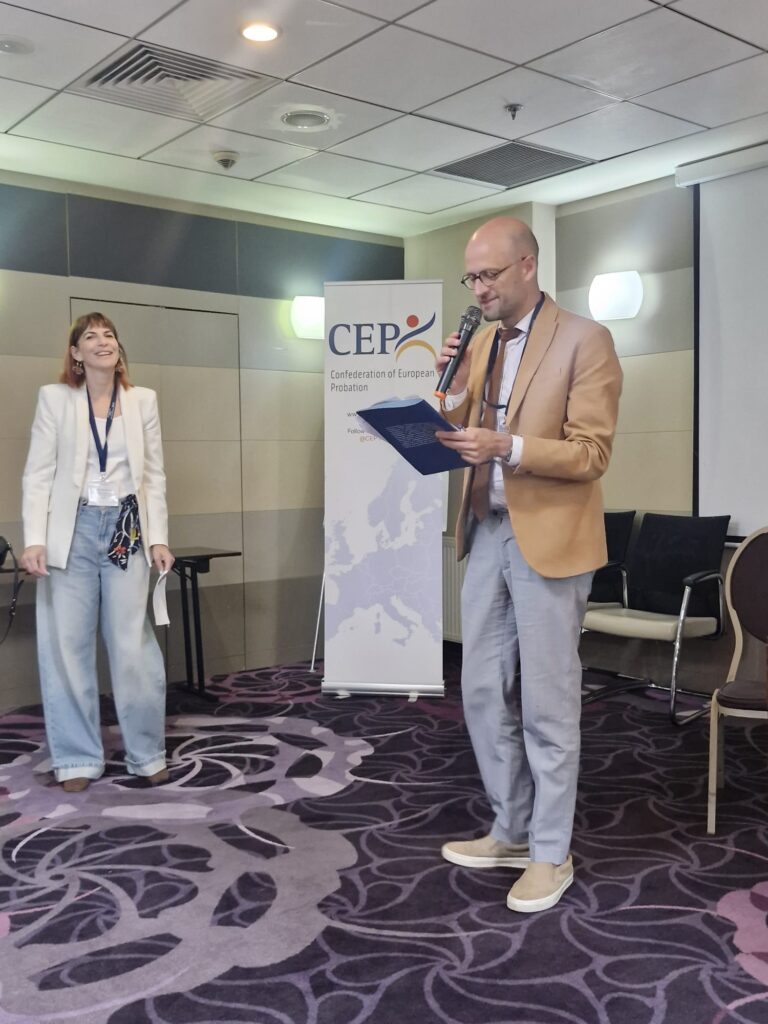
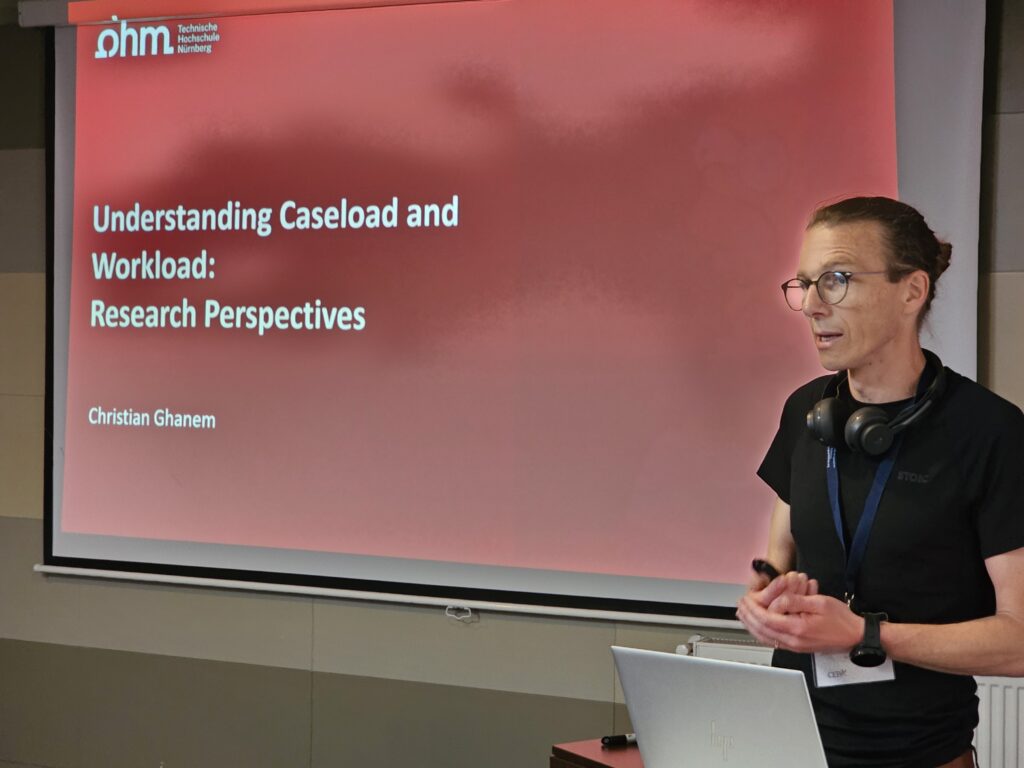
The two-day workshop was opened by the Deputy Director Diana Mustatea and CEP Secretary General Jana Špero Kamenjarin, who stressed the importance of a coordinated, evidence-based approach to addressing caseload and workload issues in probation. The continuing programme, combined with a research perspective presented by Prof. Christian Ghanem, who raised the question of how many cases are too many, has been raised since the very early stages of probation as a profession, yet has never been answered in a consistent way. Marian Badea, Prof. Ioan Durnescu and Liliana Lupsica then presented on the Romanian national and international practices. This included an analysis of probation counsellors’ perceptions in Romania, the impact of organisational policies and practices on workload, and findings from a pan-European study on staff morale and burnout.
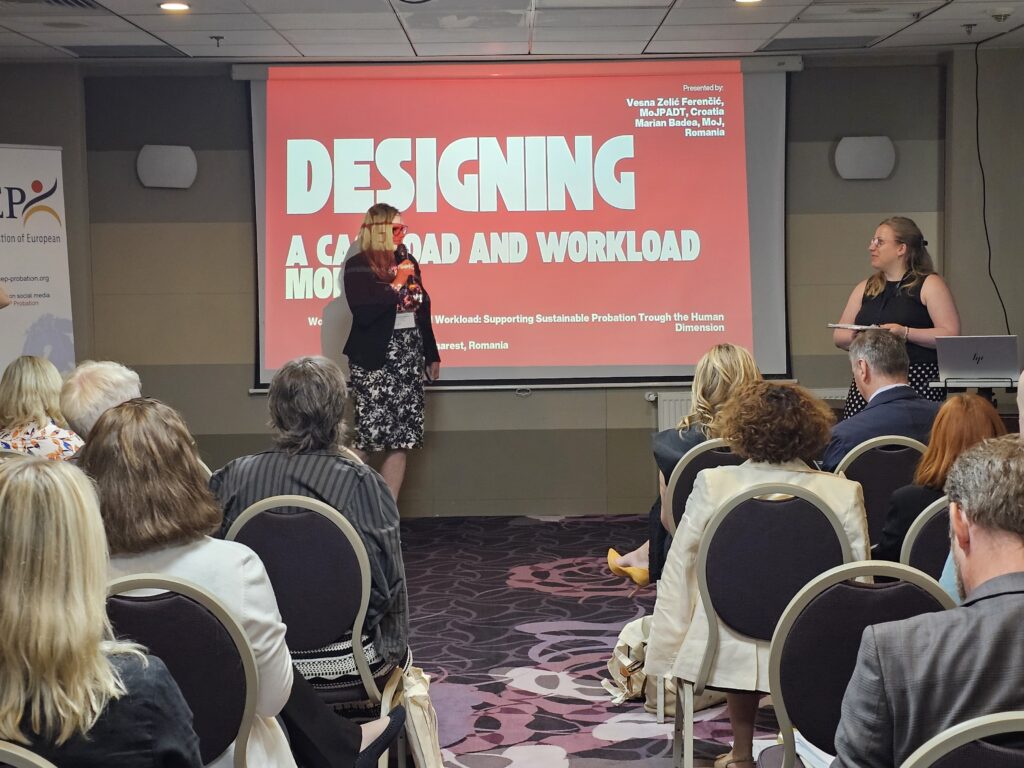
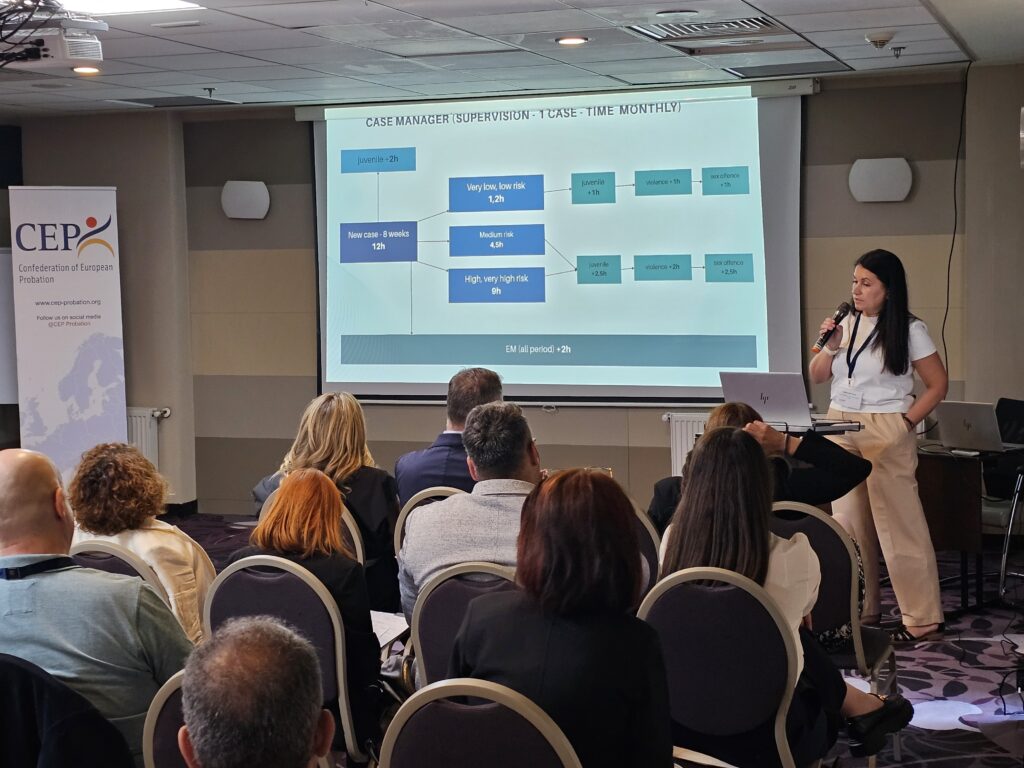
Vesna Zelic Ferencic, together with Marian Badea, introduced the Guidelines on Caseload and Workload (to be published in June 2026), concluding with a presentation of a roadmap for designing an effective caseload and workload model. As a follow-up, Aleksandra Kerna presented a practical example of how workload is approached in Latvia, which is also reflected in the Guidelines.
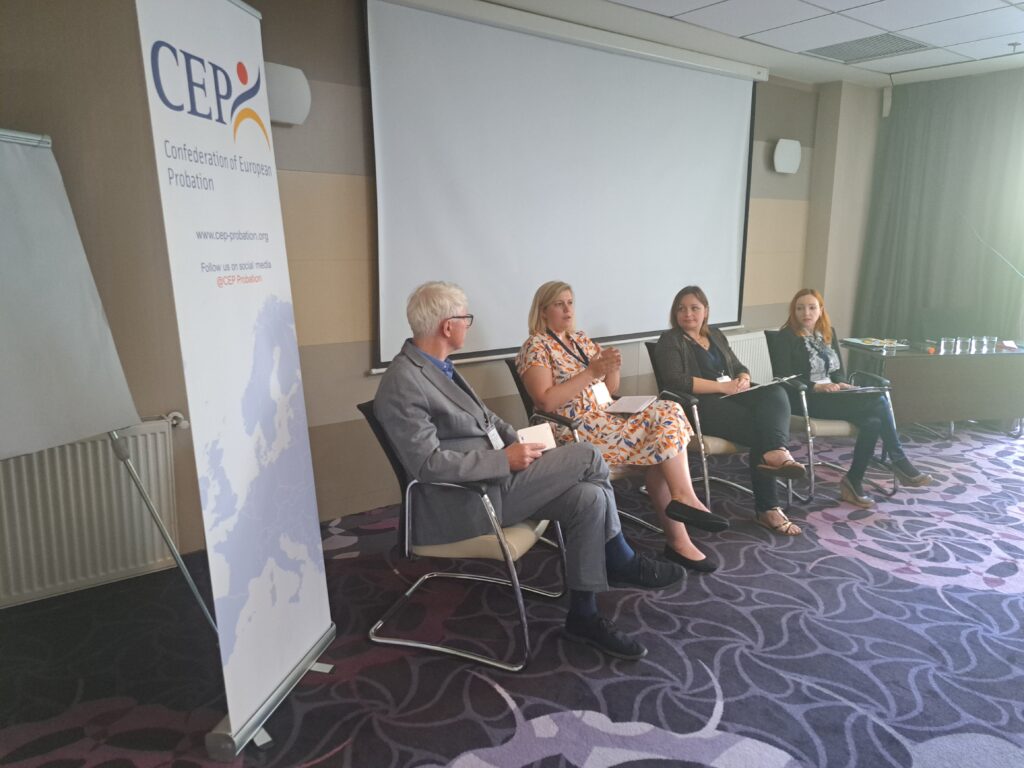
The afternoon interactive sessions included a roundtable moderated by Joachim Tein, focusing on the daily work of probation officers, including tasks, responsibilities, and the division of work. Experiences were shared by colleagues from Romania (Alexandra Belsiun Tomulescu), Latvia (Sintija Stivrina), and France (Marie-Sophie Biggio).
The final panel session explored how different models operate in practice across European jurisdictions, featuring examples from Flanders, Belgium (Ben van Heesch), Sweden (Ida Ulveryd), and England and Wales (Ian Barrow and Jon Matthews).
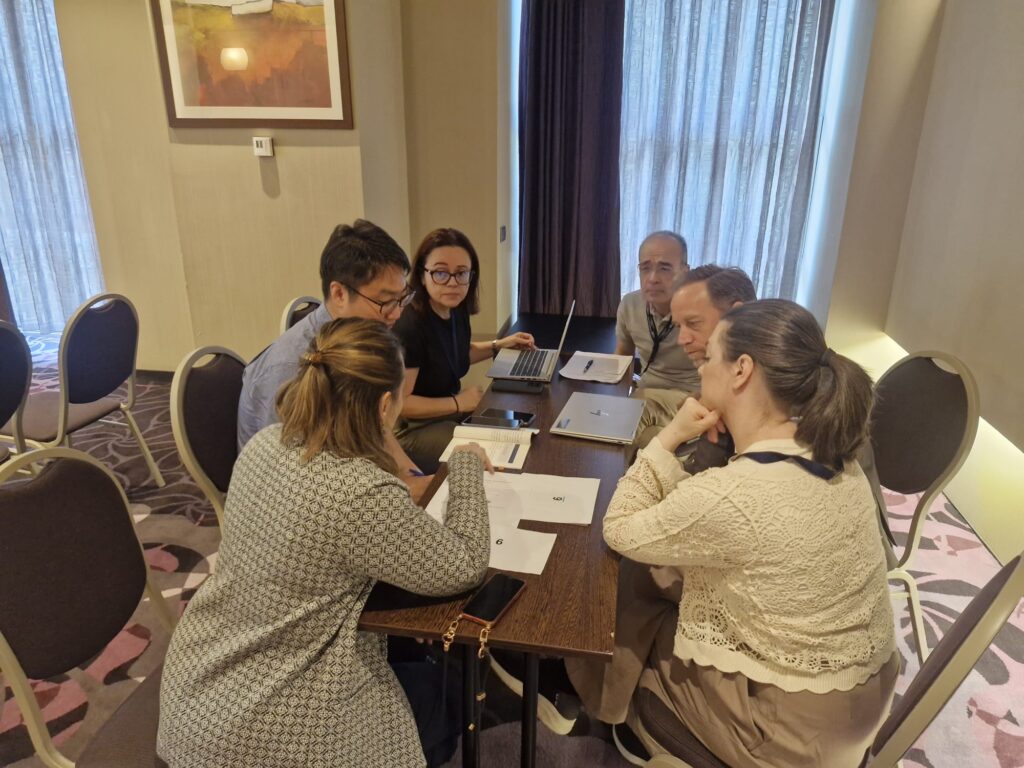
On Day 2, participants had a unique opportunity to engage with the topic through six different scenarios, each addressing specific challenges related to caseload and workload in the Practice Labs. The workshop concluded with an Idea Wall session, gathering participants’ feedback and forward-looking ideas to support the future development of sustainable probation practice.
The workshop was organised in cooperation with the National Probation Directorate, Ministry of Justice, Romania and CEP Expert Group on Caseload and Workload.
Report
The report will be available soon.
Presentations
Understanding Caseload and Workload: Research perspective
by Prof. Christian Ghanem, Technical University of Nuremberg, Germany
Caseload and Workload: Human Dimension in Probation in the Romanian and International Practices
by Prof. Ioan Durnescu, University of Bucharest, Romania
Caseload and Workload: Human Dimension in Probation in the Romanian and International Practices by Marian Badea, National Probation Directorate, Ministry of Justice, Romania
by Liliana Lupsica, National Probation Directorate, Ministry of Justice, Romania
Caseload and Workload: Human Dimension in Probation in the Romanian and International Practices
by Marian Badea, National Probation Directorate, Ministry of Justice, Romania
Designing a Caseload and Workload model
by Vesna Zelic Ferencic, Ministry of Justice, Public Administration and Digital Transformation, Croatia and Marian Badea, National Probation Directorate, Ministry of Justice, Romania
Measuring Caseload Effectively
by Aleksandra Kerna, State Probation Service of Latvia
How to handle too much? – Swedish perspective
by Ida Ulveryd, Swedish Prison and Probation Service, Sweden
Practice Example: Case Flanders
by Ben van Heesch, Probation Agency, Flanders-Belgium
Caseload and Workload: Case England and Wales
by Ian Barrow and Jon Matthews, HMPPS, England and Wales
Related News
Keep up to date with the latest developments, stories, and updates on probation from across Europe and beyond. Find relevant news and insights shaping the field today.
CEP
Newsletter August 2026 out now
27/08/2026
CEP’s latest newsletter is out now! It includes:
- Approaching deadlines for upcoming events (ITSCCS26, 14th EM and DG leadership training) and the Mental Health curriculum pilot)
- Call for European Probation Journal on the topic of Workload in Probation
- EU documents like SPACE II, revised Victims’ Rights directive and so on
- and much more!
Caseload and workload
Do you work in probation? We need your voice!
24/08/2026
As part of its long-standing cooperation with research, CEP invites its members to contribute to a special edition of the European Probation Journal on the topic of Workload in Probation.
Alternatives to pre-trial detention, Foreign Nationals in Prison and Probation, Gender Equality, Probation in Europe
SPACE II report is now available
24/08/2026
The use of community sanctions and measures that allow individuals to remain in the community – also known as alternatives to imprisonment – continues to grow overall in Europe, although at a moderate pace, according to the latest Council of Europe annual penal statistics on persons under the supervision of probation agencies (2025 SPACE II survey).
Victims rights
Adoption of the revised Victims’ Rights Directive and call for evidence on EU strategy on victims’ rights
05/08/2026
The Council of the European Union has formally approved a new directive strengthening the rights of victims of crime across the EU. The updated law improves access to information, support, and protection by introducing an EU-wide victim support helpline (116 006), making it easier to report crimes through digital tools, strengthening safeguards for victims’ personal data, expanding child-friendly support services, improving access to legal aid, and helping ensure that victims receive compensation more quickly.
This directive updates the 2012 EU Victims’ Rights Directive and aims to ensure that victims receive more consistent and effective support across all Member States. Following its publication in the Official Journal, Member States will have 24 months to transpose the new rules into national law. For more information, see the Council of the European Union’s press release: Council greenlights law reinforcing protection of victims’ rights and check out the revised Victims’ Rights.
juvenile offenders, Probation in Europe
Overview of Probation Procedures for Juveniles and Adults in Albania
22/07/2026
The Albanian Probation Service plays an important role in the implementation of alternative sanctions and measures for both juveniles and adults. Through supervision, assessment, and rehabilitation-oriented interventions, the Service aims to support compliance with court decisions, reduce the risk of reoffending, and promote the successful reintegration of individuals into society.
Community Sanctions and Measures
Nelson Mandela day
18/07/2026
Nelson Mandela Day reminds us that justice is not only about accountability – it is also about hope. Mandela believed in the dignity of every person and in the possibility of change. These principles are at the heart of probation.
Across Europe, probation professionals work every day to support people in taking responsibility for their actions, rebuilding their lives and successfully reintegrating into their communities. By promoting rehabilitation, social inclusion and human dignity, probation helps reduce reoffending and contributes to safer, more resilient societies.
Subscribe to our bi-monthly email newsletter!
"*" indicates required fields
- Keep up to date with important probation developments and insights.