

Previous Article
News
The importance of multi-agency and partnership working in the field of sexual abuse
Sexual abuse is an international and transnational issue (See the UN and EU for ongoing debates as well as projects), which makes it a complex challenge to prevent as well as respond to. Sexual abuse being a global norm means that we need to get better at communicating around the issue as a worldwide community, but also as a professional community as well. we need to break out of our silos and work in partnership.
This article is written by. Professor Kieran McCartan. He is a Professor in Criminology at University of the West of England, Bristol and is the Chief Blogger on the Sexual Abuse Blog, the NOTA prevention blog and the scientific director of the CEP Reframing Sexual abuse: Practical Directions conference in Riga, Latvia later this year.
The challenges of national partnership working are well demonstrated (i.e., the recent John Worboys case in the UK is a good example) as are the challenges and issues linked to cross border, international partnership working (Hilder & Kemshall, 2015). Professionals believe that good partnership working, although challenging, is essential to the successful management of perpetrators of sexual abuse; this was emphasised by two research council funded projects that the author was involved in, one being UK based (“Public disclosure of sex offender information”) and the other taking place across five different countries ( “Community engagement and partnership working in facilitating sex offender reintegration”). As sexual abuse is a multi-dimensional issue that ties to ideas around societal attitudes, culture, mental illness, personality and anti-sociality it means that we need a rounded approach to understanding as well as managing perpetrators; therefore we need probation, police, social work, social welfare, therapist, psychologists, counsellors, educators and employers to work together in synch. However, as Hillder & Kemshall point out, not all European countries or affiliated countries have a concrete and comprehensive multi-agency approach to managing perpetrators of sexual abuse released into the community in their own country; which poses some real offender management and risk management issues.
MAPPA
In England and Wales Multi-Agency Public Protection Arrangements are matter of course when dealing with serious, violent and/or sexual offenders. The MAPPA process enables members of different agencies linked to the offender (i.e., police, prison, probation, housing, social welfare, etc) to come together and plan a coherent, response and risk informed approach to their management in the community. This practice is also used elsewhere in the UK and follows a similar process (Public Protection Arrangements Northern Ireland in Northern Ireland or Multi-Agency Public Protection Arrangements (Scotland) in Scotland). Research on the impact of MAPPA in England and Wales indicates that although the numbers of MAPPA eligible offenders is increasing (mainly due to increased reporting, recording and sentencing of perpetrators of sexual abuse) the process is still managing to successfully manage offenders in the community, reduce reoffending and protect the public (Ministry of Justice, 2017). The continued success of MAPPA in England and Wales reinforces the importance of partnership and multi-agency working around serious sexual offenders, another programme that also demonstrates this is Circles of Support and Accountability.
Circles of Support and Accountability
Circles of Support and Accountability which over the last 20 odd years has spread from one project in Canada to multiple countries worldwide, many of which are in Europe. The Circles model, like MAPPA, also emphasises partnership working and the importance of communication, but unlike MAPPA is not criminal justice orientated (although they are partners), it is instead grounded in the community. The circle enables members of local communities to support the integration of perpetrators of sexual abuse into their communities, while holding them accountable for their past and future behaviours. The role of the community in the circle is to parallel statutory working and communicate information to the professional organisations that manage the offender (McCartan et al, 2012; McCartan, 2016); it is a grassroots form of partnership working that has shown preliminary success internationally (for examples of research and evaluation, please see Circles UK). Hence, circles emphasises collaboration, community engagement, partnership and collaboration, not a form of “probation lite”. Although, there are similarities between Circles and MAPPA, MAPPA has a more coherent evidence base but it is safe to say that both show that cohesive partnership working is the best means to manage as well as integrate offenders.
The role of managing perpetrators of sexual abuse in the community is a challenging one, both on a practice and a personal level. Partnership working is central to the successful risk management of these individuals upon release, but we need to start thinking about how we can move successful partnership working to the prevention end of the sexual abuse spectrum. How can professionals communicate and work more effectively in tandem to prevent sexual abuse from occurring?

Related News
Keep up to date with the latest developments, stories, and updates on probation from across Europe and beyond. Find relevant news and insights shaping the field today.
Recap
Electronic monitoring, Technology
14th Electronic Monitoring Conference, Electronic Monitoring in a Changing World – Perception vs Reality
08/10/2026
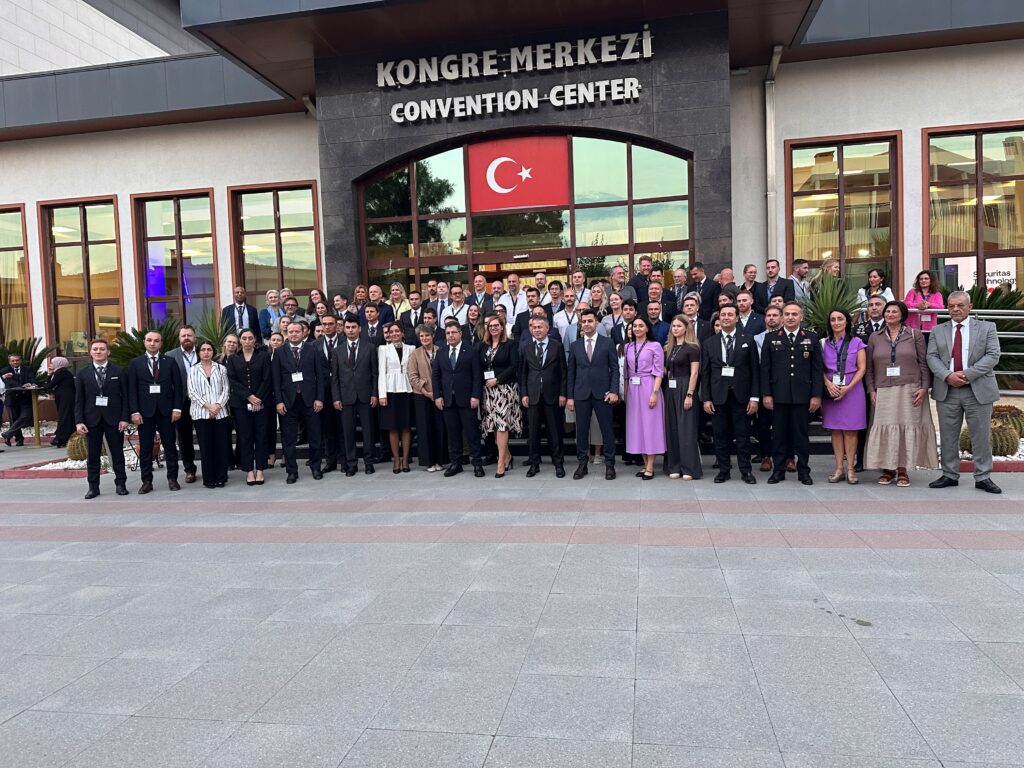
On 6-8 October 2026, Antalya hosted the 14th Electronic Monitoring Conference “Electronic Monitoring in a Changing World – Perception vs Reality”. More than 350 participants coming from 30 countries across Europe and worldwide representing probation services, Ministries of Justice, victims´ services, EM providers, researchers as well as local participants representing the Turkish Prison and Probation Service gathered to discuss how electronic monitoring (EM) is understood by all stakeholders involved including the victims and the public, and how these perceptions compare to the evidence and experiences of those affected. While the gap between perception and reality in electronic monitoring has been recognised for over a decade, the rapid expansion of EM into areas such as victim protection, high-risk supervision and digital innovation has brought new challenges and questions to the forefront.
Recap
ITSCCS
Core Correctional Skills in Digital Probation: highlights from the 6th ITSCCS in Barcelona
05/10/2026
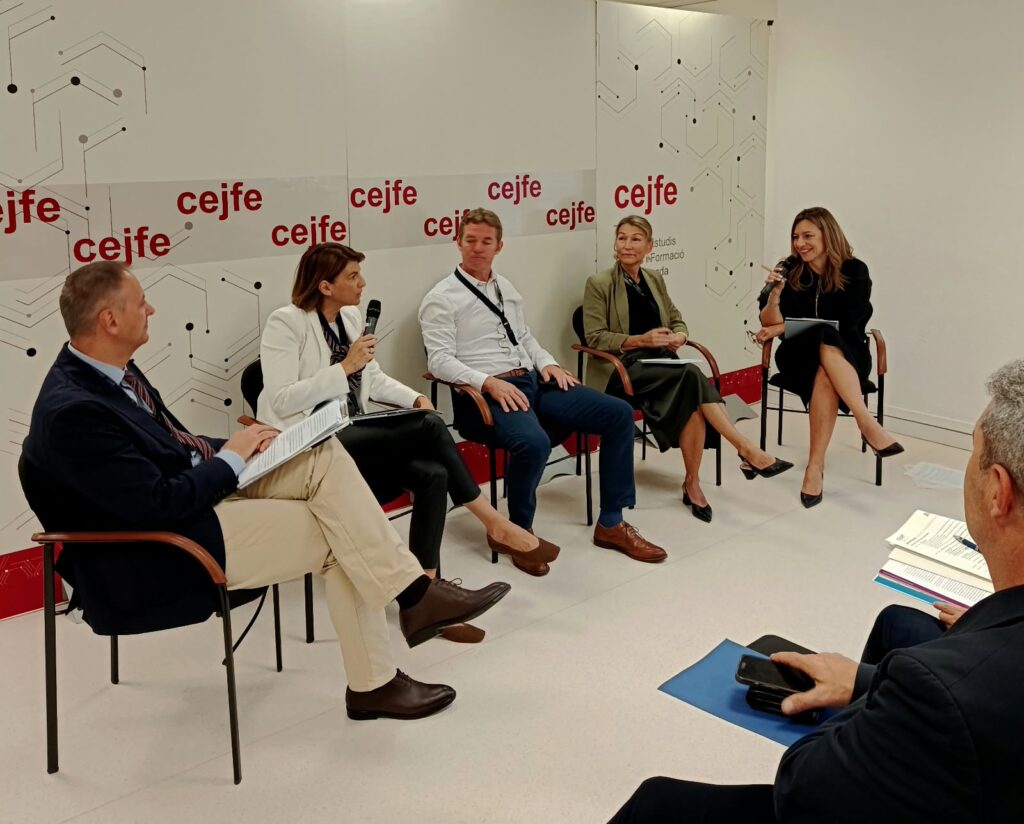
The sixth International Training School on Core Correctional Skills (ITSCCS) took place in Barcelona from 28 September to 2 October 2026, bringing together 26 participants for a week of learning, practical training and international exchange. Organised by the Confederation of European Probation (CEP) and the Centre for Legal Studies and Specialised Training (CEJFE), the programme focused on “Clicks and Empathy: Core Correctional Skills in Digital Probation.”
Recap
Framework Decisions
Recap: ERA workshop on Framework Decisions 829 and 947 in Bucharest
02/10/2026
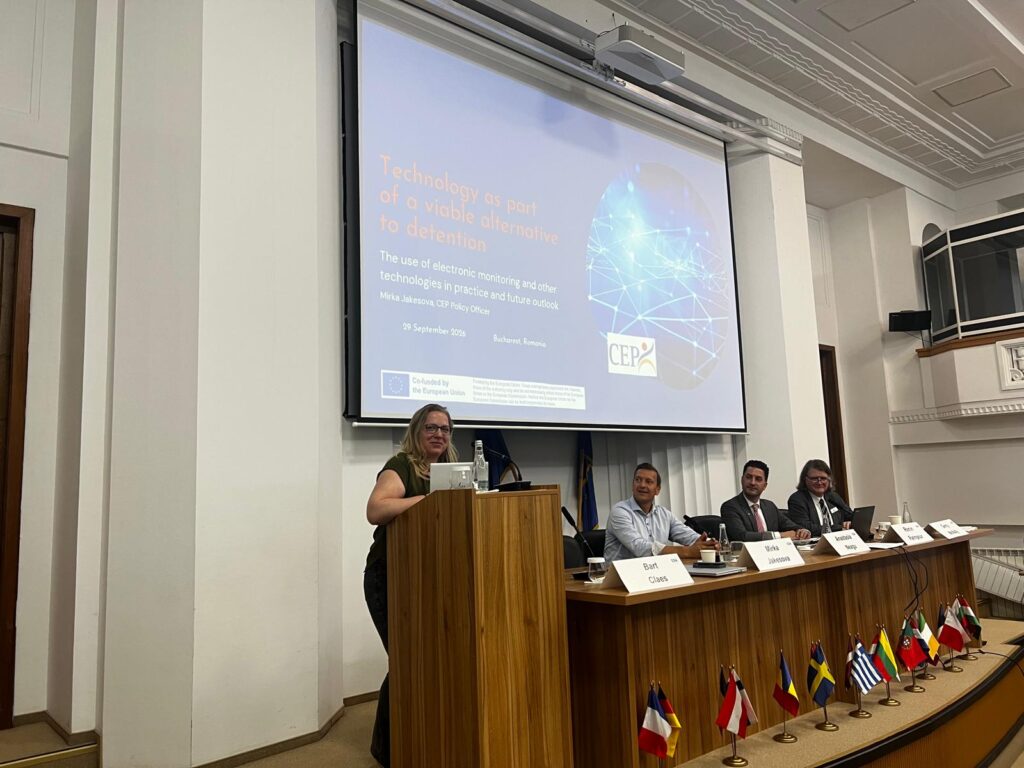
CEP Vice-President Daniel Danglades, Ambassador Gerry McNally and Policy Officer Mirka Jakesova participated in the Seminar on Framework Decisions 829 and 947 and their Impact on Alternatives in the EU organized under the EU project run by the Academy of European Law on 28-29 September in Bucharest, Romania. The seminar brought together judges, prosecutors, probation practitioners, academics, and policy experts to discuss the growing role of alternatives to detention within European criminal justice systems.
New
CEP
CEP and Catalan justice leaders reaffirm longstanding cooperation
29/09/2026
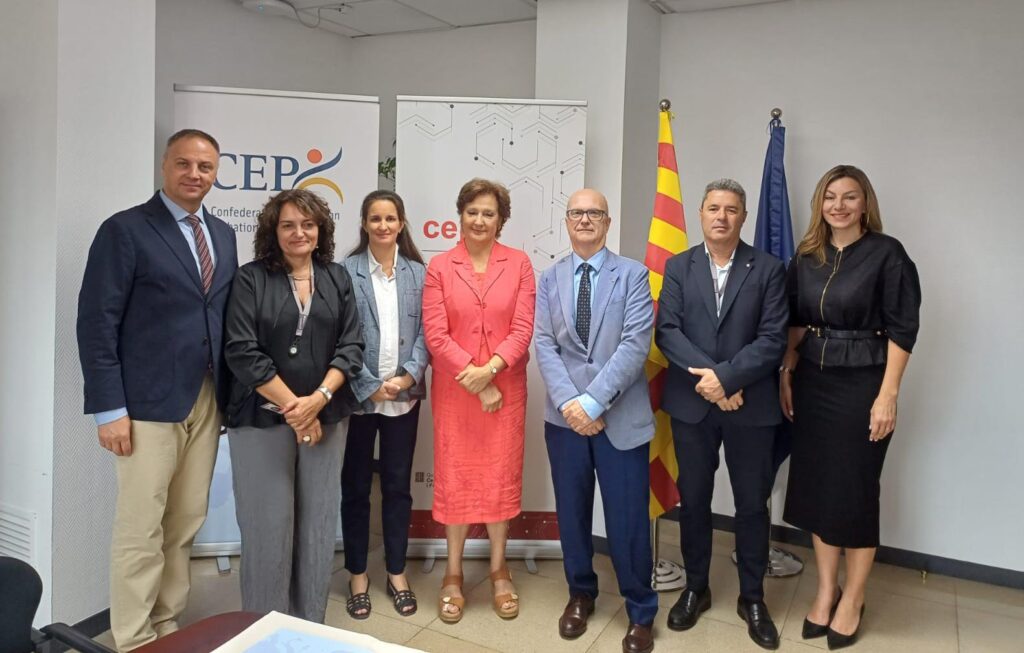
Representatives of the Confederation of European Probation (CEP) met with senior officials from the Catalan Department of Justice and Democratic Quality in Barcelona on 28 September 2026, alongside the opening of the sixth International Training School on Core Correctional Skills. The meeting offered an opportunity to recognise a longstanding partnership and discuss its continued development.
Updated
Mental Health
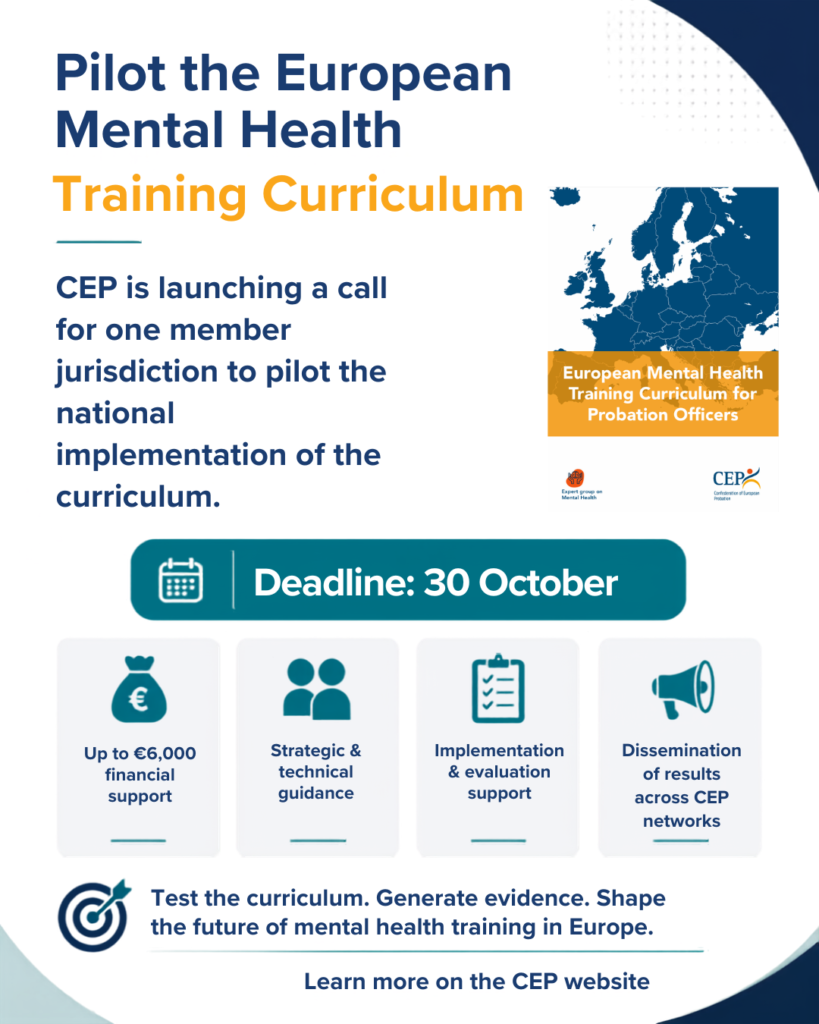
DEADLINE EXTENDED: Call for Pilot Implementation of the European Mental Health Training Curriculum
29/09/2026
Good news for CEP members! Following requests from our members, CEP has extended the deadline to apply for the pilot implementation of the European Mental Health Training Curriculum for Probation Officers.
Recap
ITSCCS, Technology
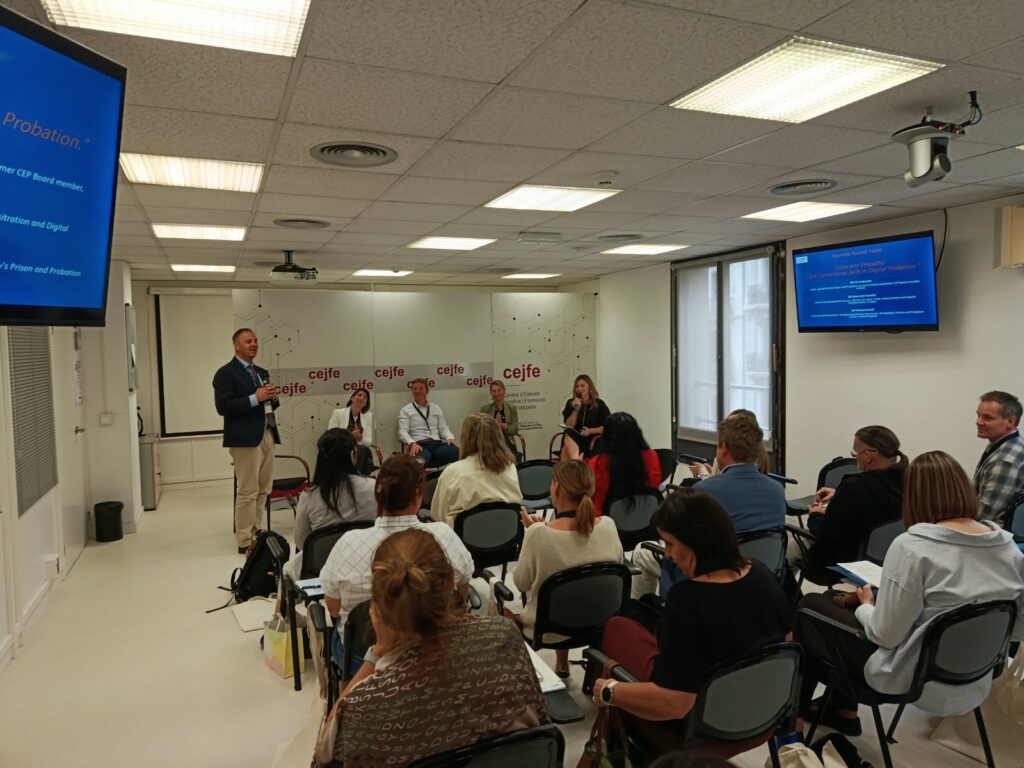
6th International Training School opens in Barcelona with a focus on digital probation
28/09/2026
How can probation professionals use new technologies in their interactions while building trust, showing empathy and supporting change? This question is at the heart of the sixth International Training School on Core Correctional Skills, which opened in Barcelona on 28 September 2026.
Subscribe to our bi-monthly email newsletter!
"*" indicates required fields
- Keep up to date with important probation developments and insights.