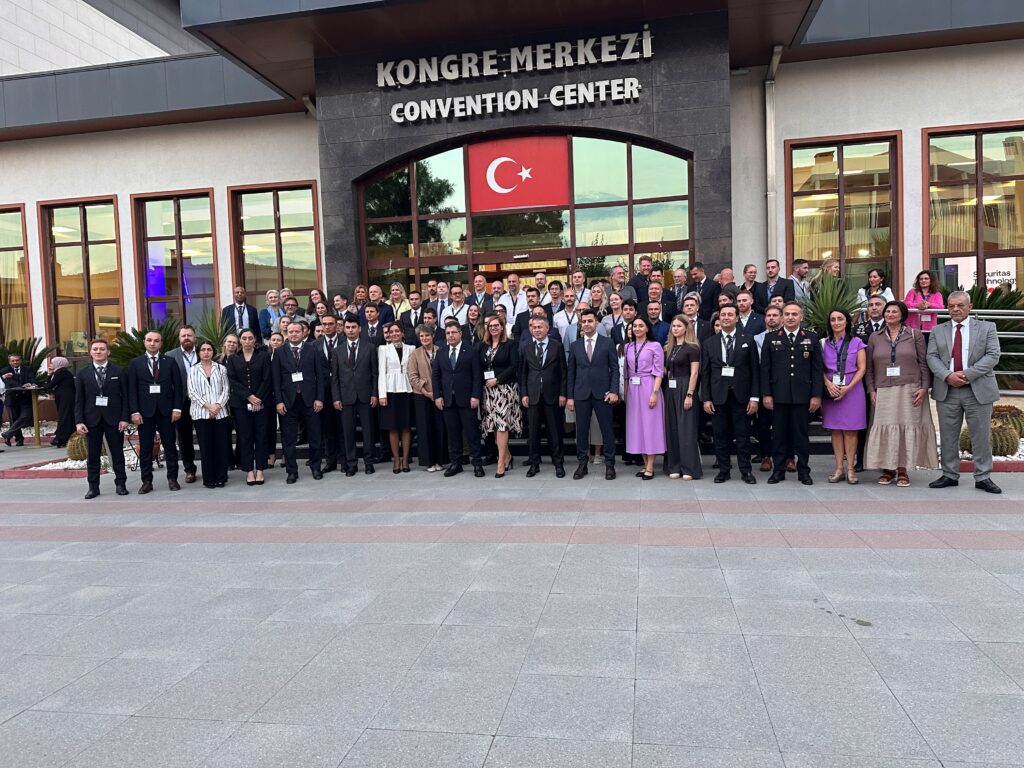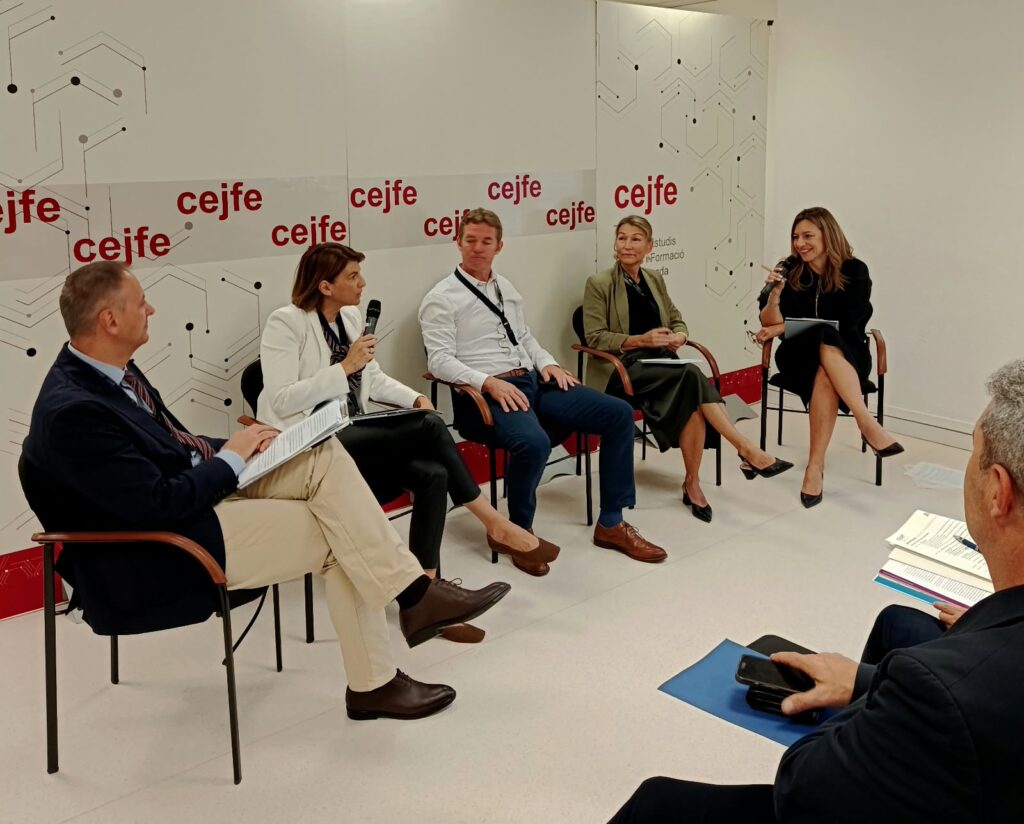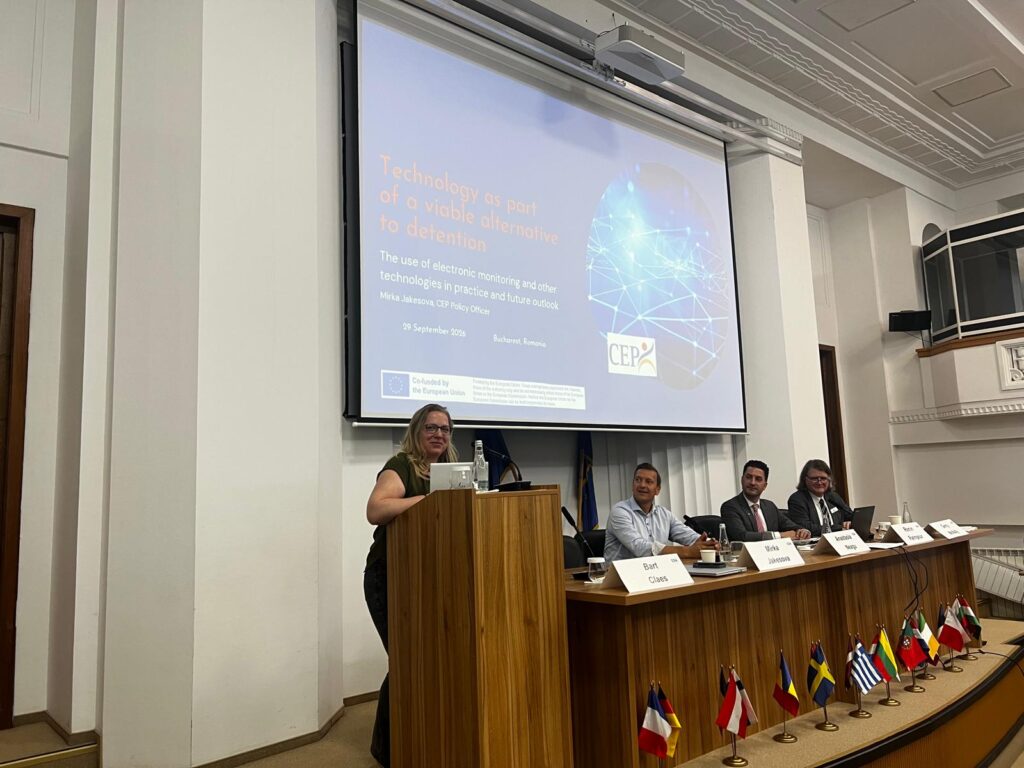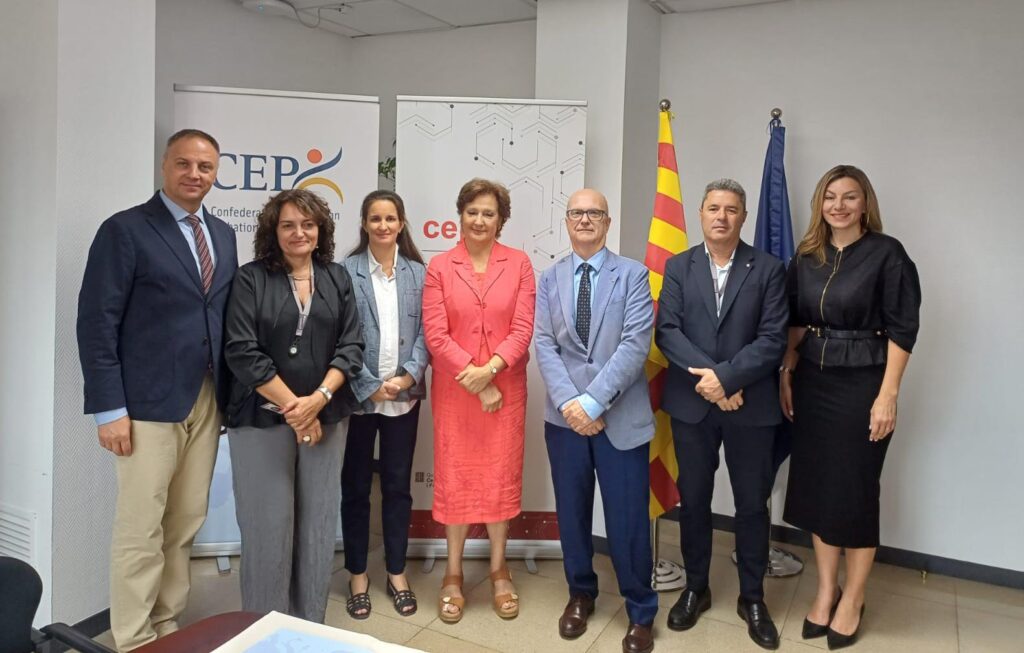
This year’s edition, “She Matters: Gender-Specific Approaches to Women and Girls in Criminal Justice Settings” addressed one of the most pressing challenges facing criminal justice systems today: ensuring that probation, prisons and restorative justice services respond effectively to the specific realities, needs and strengths of women and girls in conflict with the law.
For CEP, this topic reflects an increasingly important policy priority and a growing area of interest for probation services across Europe. The Summer Course drew on the principles of the Council of Europe Probation Rules (CM/Rec(2010)1) and was aligned with the Council of Europe Gender Equality Strategy 2024–2029 and the European Commission Gender Equality Strategy 2026–2030, all of which support more gender-responsive, person-centred justice systems. Recent Council of Europe SPACE II Probation Statistics provide additional context by showing that women represent approximately one in ten people under probation supervision across Europe, reinforcing the need for probation policy and practice to take greater account of women’s specific realities and pathways into the criminal justice system.
Throughout the four-day programme, participants engaged in a rich combination of high-quality plenary sessions, interactive workshops, study visits and networking activities, creating a dynamic learning environment where research, policy and practice came together. The programme explored gender-responsive approaches from the perspectives of probation, detention and restorative justice, enabling participants to examine the challenges women and girls face across different stages of the criminal justice process while identifying practical strategies to improve professional practice.
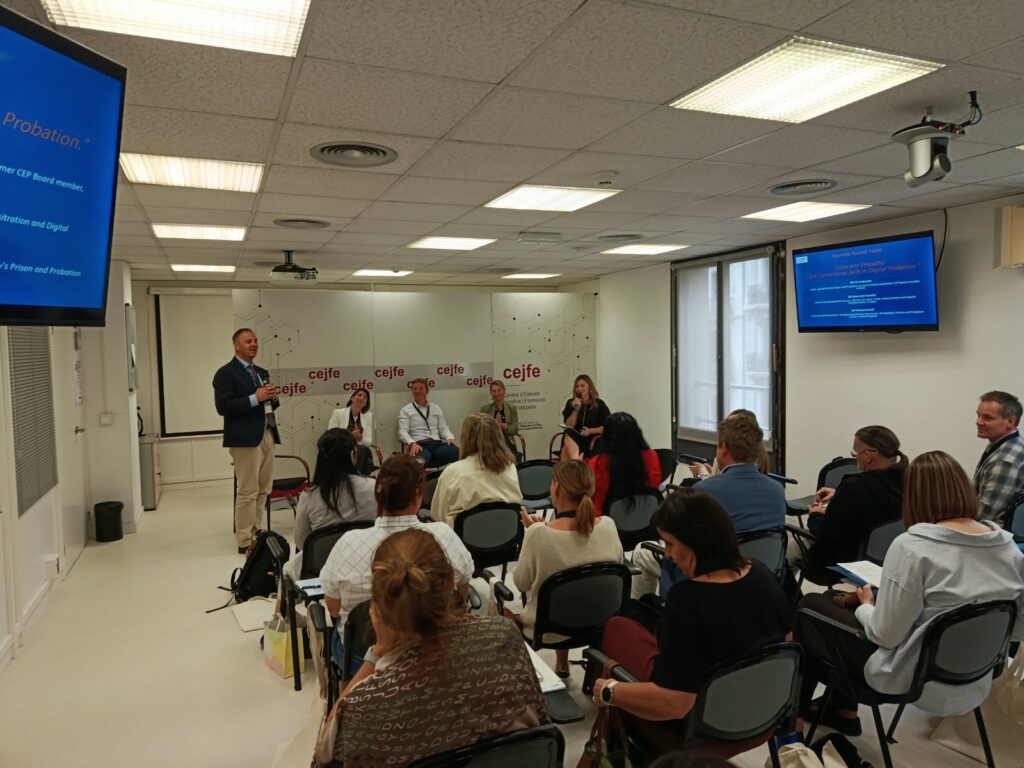
One of the defining features of the CJP Summer Course is its interactive methodology. Participants rotated through three specialised workshops ensuring that every attendee benefited from learning across all three sectors represented within the Criminal Justice Platform.
The workshops were delivered by internationally recognised experts. Led by Prof. Vivienne de Vogel, Professor of Forensic Mental Health Care at Maastricht University and the University of Applied Sciences Utrecht, the probation workshop examined how gender-responsive supervision can better address women’s and girls’ pathways into offending, trauma histories and rehabilitation needs, while exploring current evidence on gender-sensitive risk assessment and the challenges arising from the limited validation of existing assessment tools for women and girls. The prison workshop, delivered by Idil Aydinoglu, Regional Programme Manager, and Barclay Wohlstetter, Project Coordinator, both from Penal Reform International (PRI), focused on translating the UN Bangkok Rules into everyday correctional practice, promoting safer, more dignified and trauma-informed approaches for women in detention. Finally, Dr Borbála Fellegi, researcher, mediator and Assistant Professor at the International Institute for Restorative Practices (IIRP) Graduate School, led the restorative justice workshop, exploring how restorative processes can support women and girls affected by crime by fostering dialogue, empowerment, accountability and meaningful reintegration.
This multidisciplinary approach encouraged participants to challenge assumptions, exchange experiences and better understand how probation, prisons and restorative justice can complement one another in supporting rehabilitation, accountability and social reintegration.
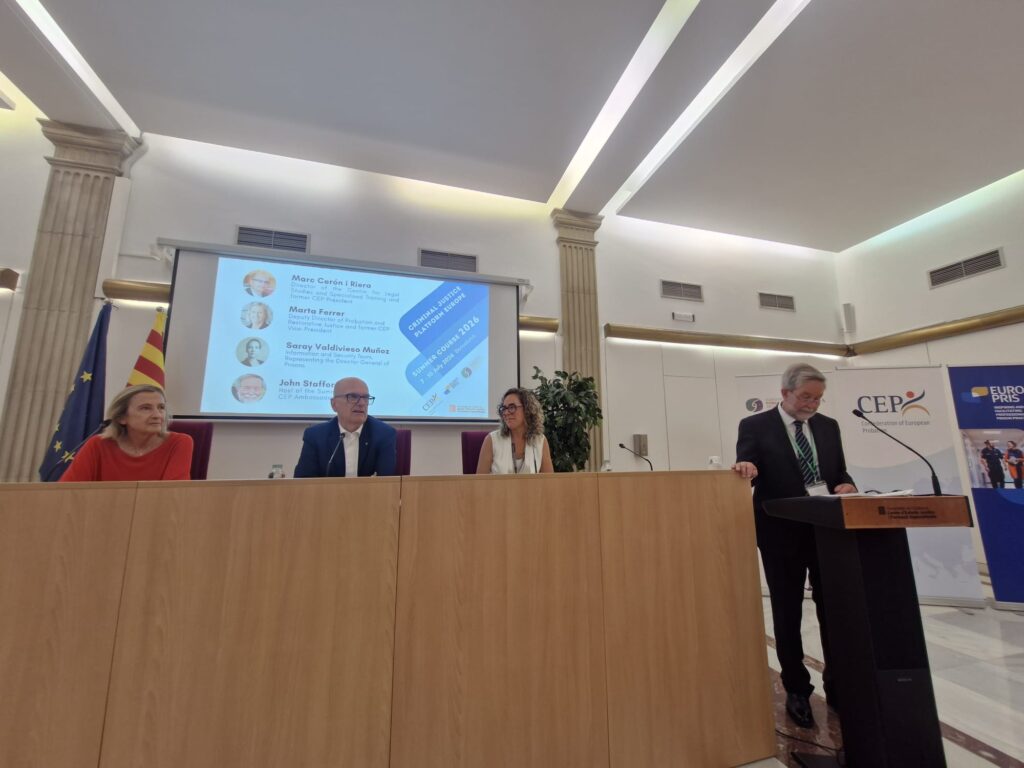
The plenary sessions provided participants with a broader strategic perspective on gender-responsive criminal justice. Danijela Mrhar Prelič, Director General of the Slovenian Probation Administration and CEP Vice-President, opened the Summer Course by reflecting on the different roles women occupy within criminal justice systems, as professionals, leaders and individuals in conflict with the law, and the importance of adopting holistic and gender-responsive approaches. Noa Shoshan, Knowledge Manager at RESCALED – the European Movement for Detention Houses, shared insights from the RESCALED initiative, highlighting how small-scale detention houses can better respond to the realities and needs of women. Following the study visits, Mel Walker, Deputy Governor at HMP & YOI Askham Grange (HM Prison and Probation Service, England and Wales), presented the benefits of community-focused progression models for women in custody, demonstrating how relational, person-centred approaches can support successful rehabilitation and reintegration.
The programme was further enriched by study visits to innovative criminal justice services in Catalonia, offering participants valuable first-hand insight into gender-responsive practices within probation, juvenile justice and prison settings. These visits, together with the plenary discussions, provided an excellent opportunity to connect European policy developments with day-to-day professional practice.
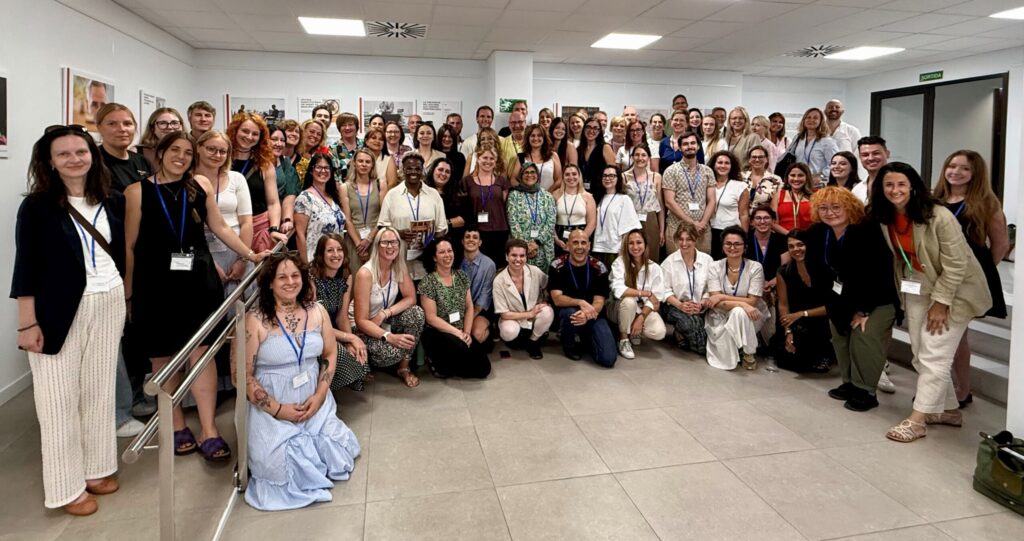
Equally important were the many opportunities for networking throughout the week. Professionals from across Europe and beyond exchanged ideas, discussed common challenges and built new professional relationships during the welcome reception, joint course dinner and informal networking moments. The open, collaborative atmosphere that characterises the Summer Course once again proved to be one of its greatest strengths, fostering dialogue, peer learning and partnerships that will continue long after participants return to their respective countries.
For CEP, the Summer Course remains one of the flagship activities of the Criminal Justice Platform Europe, reflecting its ongoing commitment to promoting evidence-informed probation practice, professional development and international cooperation. Working alongside EuroPris and the European Forum for Restorative Justice (EFRJ), the Platform provides a unique forum where professionals from different sectors can learn together, exchange innovative practices and strengthen a shared vision of criminal justice that is more humane, effective and responsive to the diverse needs of those in contact with the justice system.
As criminal justice systems across Europe continue to evolve, the discussions throughout the week reaffirmed that gender-responsive criminal justice is no longer a specialist topic but an essential component of fair, effective and evidence-based justice systems. By bringing together expertise from probation, prisons and restorative justice, the Criminal Justice Platform Europe Summer Course continues to contribute to this important European conversation and to inspire positive change across jurisdictions.
Would you like to revisit the CJP Summer Course? Explore the outstanding group of expert trainers, plenary speakers and the complete programme that made this year’s Summer Course possible here.