

Previous Article
News
Recap: Webinar on Alternatives to Pre-trial detention
Pre-trial detention and its replacement by broader use of alternatives have been, explicitly or implicitly, on CEP´s and EU agenda for several years and in many contexts. The Covid-19 Pandemic impacted the number of detainees for a short period of time, nevertheless, the overuse of pre-trial detention is a public policy concern capable of causing different dysfunctions of the criminal justice system which can, in turn, undermine the rule of law and lead to various breaches of human rights.
Webinar on Alternatives to Pre-trial detention
In general, there are 22% of detainees in Europe not serving their final sentence. CEP realizing the importance works with its members, partners and the EC to support the implementation of alternatives to pre-trial and further advocate for probation services to take on a more important role in ensuring that through the supervision, guidance and assistance, the individual rights of those concerned and the community safety considerations are properly balanced.
On Monday 25 September 2022 CEP organized a webinar on the topic of alternatives to pre-trial detention with presentations relating to the practice in Belgium delivered by Dr. Eric Maes and Dr. Alexia Jonckheere, an overview of the central tenets of the ECHR’s case law delivered by Dr. Kresimir Kamber and a normative appraisal of (non-custodial) alternatives to PTD under European law delivered by Mr. Adriano Martufi.
Presentations
- The use of alternatives to pre-trial detention- Dilemmas and challenges, Dr. Eric Maes and Dr. Alexia Jonckheere (Federale Overheidsdienst Justitie)
- Alternatives to pre-trial detention in the ECHR case law, Dr Krešimir Kamber (ECHR)
YouTube recording

Related News
Keep up to date with the latest developments, stories, and updates on probation from across Europe and beyond. Find relevant news and insights shaping the field today.
New

Electronic monitoring
Electronic Monitoring in Europe: Insights from the 13th Electronic Monitoring conference Questionnaire
30/03/2026
The 13th Electronic Monitoring (EM) conference Questionnaire has now been released, offering a comprehensive overview of how EM is applied across Europe today.ion.
New
CEP members
New CEP member: Guernsey Probation Service
25/03/2026
In recent weeks, CEP has interviewed individual members and representatives of the new member organisations that joined CEP at the beginning of 2026. In these interviews, the new member organisations or individual members will share information on why they decided to become members, how they would like to contribute to the development of CEP and many more.
Enjoy reading!
Recap

Probation outside Europe
Recap: CEP and APPA webinar
25/03/2026
Confederation of European Probation (CEP) and American Probation and Parole Association (APPA) hosted the second joint webinar on 24 March 2026, this time on “Integrity of Performance: Ensuring Meaningful and Ethical Outcomes”.
The overarching theme of integrity of performance was explored through two distinct perspectives on this fundamental concept.
Recap
Communication and Awareness-Raising
Recap: Opening Doors to Second Chances: The Mission and Impact of Yellow Ribbon Run
25/03/2026
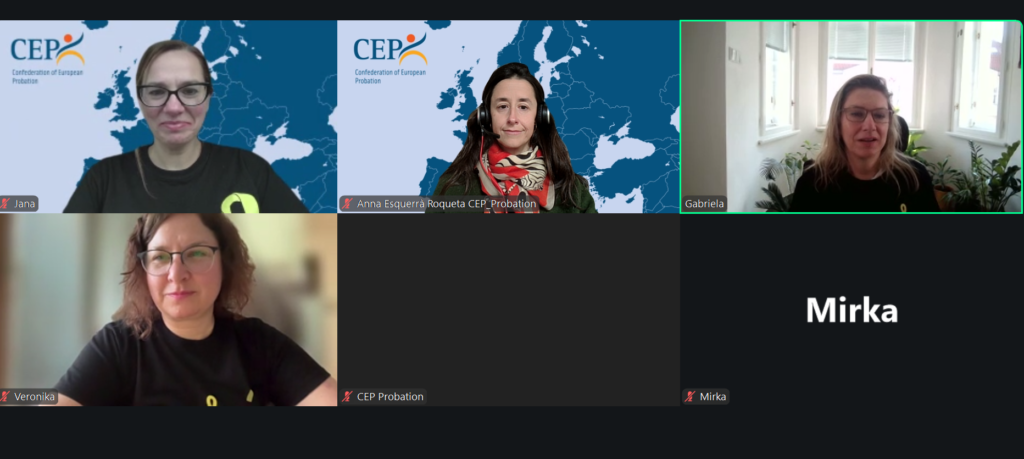
On Thursday 19 March, CEP hosted the second webinar of 2026 on the topic of Alternatives to Detention. The session led by Dr. Gabriela Slovakova from the Czech Probation and Mediation Service titled „Opening Doors to Second Chances: The Mission and Impact of Yellow Ribbon Run“ introduced the Yellow Ribbon project with a powerful message of second chances and fair opportunities.
New
CEP Board
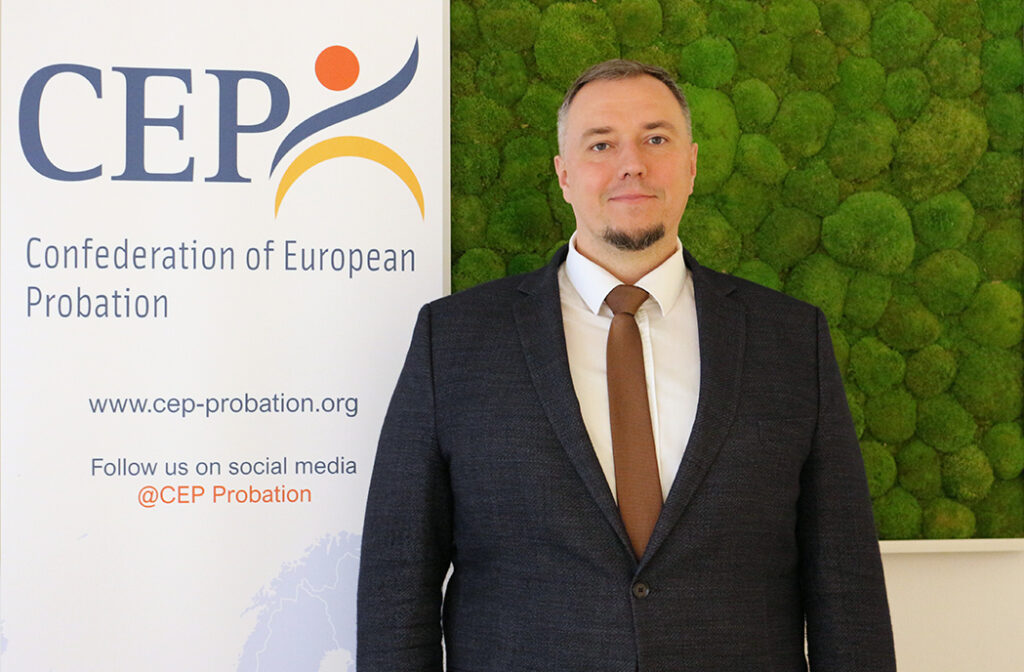
Interview with new CEP board member Žilvinas Miliauskas
17/03/2026
During the General Assembly in Austria, a new CEP Board got elected for the upcoming three years. In the coming weeks we will publish interviews with all newly-elected board members where they will share information on their professional background, how they would like to contribute, what challenges lie ahead and many more.
Enjoy reading!
Recap

Violent Extremism
Recap: Expert Group meeting on Violent Extremism
16/03/2026
On 12–13 March 2026, the Expert Group on Violent Extremism convened for an in‑person meeting in Bucharest, Romania. Hosted at the University of Bucharest, the meeting brought together practitioners and representatives from across Europe to finalise the overview of best practices for preventive interventions targeting juveniles and young adults up to the age of 26 under probation. Building on the extensive discussions and progress made in 2025, the group worked collaboratively to bring the document to completion.
Subscribe to our bi-monthly email newsletter!
"*" indicates required fields
- Keep up to date with important probation developments and insights.