

Previous Article
News
Recap: Electronic Monitoring Conference 2009
From the 7th-9th of May, Egmond aan Zee hosted for the sixth time (!) the he CEP Conference on Electronic Monitoring (EM). Bigger than ever (close to 200 participants), more controversial than ever (discussion on an EM device which could incapacitate its bearer with an electroshock), and higher appreciated than ever, it seemed to be the right moment bring the next conference to a more electrifying place. Susana Pinto, one of the organizers of the conference, looks back and ahead. “I am very satisfied with the EM 2009 conference. I would be delighted if the next conference could take place in Lisbon.”
Over the years the CEP EM conference has become known as the platform par excellence for being updated about the newest technical developments in EM, to hear the latest experiences with EM from the different probation services, and to exchange ideas on the topic. Therefore the 6th edition of the conference drew an audience of EM specialists from over 20 European countries, and even as far as from Saudi Arabia and South Korea.
“I think that this conference was very well organized”, says Susana Pinto, head of the EM programme of the Oporto regional unit of the Portuguese probation service. “The instructions for the speakers, the supporting staff and for the sponsors were all very clear. With regard to that last group, I know that some participants have some difficulties with their presence at the conference. But I think you should be realistic. EM is about equipment. Then inviting the manufacturers to the conference and giving them time to show the latest technological developments in EM is unavoidable. It is true, giving a place to people from the industry in the conference programme always is a big challenge for the organizing committee. But I think that we have managed to find a balance between the input from the profit and the non-profit sector.”
Nevertheless Susana Pinto does acknowledge that there is room for improvement. “We had invited a manufacturer from South-Africa to speak about his view on ethics, law and technology. The way he filled in his programme item was somewhat of a disguised company presentation. That was not quite as we had planned it to be; that was indeed a learning point.”
In another regard this presentation gave the participants of the conference food for thought . Derek House, Chief Operating Office of the South African company Shadow Tagging System, explained that his company is seriously studying the possibility of producing a brace which could give electroshocks if the bearer leaves the area he is confined to. “The audience was baffled”, Susana Pinto recalls. “Some people even didn’t believe this could be true. I think it is a very worrying development and it is good that our participants from South Africa could take notice of our reaction. If South Africa would like European countries to help them with developing their EM practice, then they should be aware that this conflicts with the European ethics. So I think it was important for everyone at the conference that this topic was raised.”
Another matter that exercised many minds occurred at the closing of the conference. After being held six times in Egmond aan Zee, CEP Secretary General Leo Tigges announced that the next issue of the CEP EM conference will be held in another European country. Although the new location has not yet been fixed, Susana Pinto brings Portugal forward as a candidate. “Probation in Portugal is growing. More and more probation professionals from Portugal visit conferences abroad. Against this background it seems natural to me that you also start organising conferences yourself. Concerning the programme for the next conference, I do endorse the idea to focus more on the role of EM in probation. In other words: how can it contribute to desistance of the offender in the most optimal way? What are the best practices and pitfalls? That would be very interesting to discuss. But first let us see where the next conference will be held, and then we can start discussing the programme of the 7th Electronic Monitoring Conference.”
Presentations
Overview of the documents related to the CEP Electronic Monitoring conference, held from the 7th to the 9th of May 2009 in Egmond aan Zee, the Netherlands.
Conference based documents in English:
- Report of the CEP conference on Electronic Monitoring 2009 (by Anthea Hucklesby)
- Rapport de la conférence sur la surveillance électronique 2009 (par Anthea Hucklesby; in French)
Conference programme
Plenary sessions – presentations in English:
- Word of welcome (by Leo Tigges)
- Word of welcome (by Dineke ten Hoorn Boer)
- Word of welcome (by Sjef van Gennip)
- EM of offenders: ethics, policy and technology (by Mike Nellis)
- A new look on Electronic Supervision; decision making in South Africa (by Charl Cilliers)
- EM in Estonia (by Anne Kruusement)
- EM in Norway – powerpoint presentation(by Jan-Erik Sandlie)
- EM in Norway – text of the presentation (by Jan-Erik Sandlie)
- EM Technologies & Domestic Violence: victim perspectives (by Edna Erez)
- Victims perspective on EM (by Inka Wennerberg)
- EM in a developing country (by Eberhard Bertelsmann)
- Shadow Tagging Systems (by Derek House)
- Has EM made probation better? (by Kjell Carlsson)
- Improving the efficiency of EM (by Anthea Hucklesby)
- Researching EM: Asking the right questions (by Mark Renzema)
Workshops – presentations in English:
- GPS Tracking in the USA (by Brian Barton)
- Remote alcohol monitoring (by Ruud Boelens)
- EM in Swedish low security prisons (by Kjell Carlsson)
- Offender Tracking in the United States (by George Drake)
- EM in prison (by Ernst Duvert)
- EM in the UK (by Andy Homer)
- Remote alcohol testing (by Tami Mazel)
- New approach in offender management; EM in Norway (by Marianne Oster, Keith Phillips and Tony Roerbu)
- Integration of electronics within probation supervision in the Netherlands (by Jan Verhoeff)
- EM on young People – powerpoint presentation (by Jos ter Voert)
- EM on young People – text of the presentation (by Jos ter Voert)
- Young people – the opportunities and challenges of tagging (by Sue Walker and Mary Wyman)
Workshops – presentations in French:
- Partenariat public-privé dans la SE – présentation en powerpoint (par Benoît Grandel)
- Partenariat public-privé dans la SE – texte de la présentation (par Benoît Grandel)
Presentations of sponsors of the conference:

Related News
Keep up to date with the latest developments, stories, and updates on probation from across Europe and beyond. Find relevant news and insights shaping the field today.
Recap
Electronic monitoring, Technology
14th Electronic Monitoring Conference, Electronic Monitoring in a Changing World – Perception vs Reality
08/10/2026
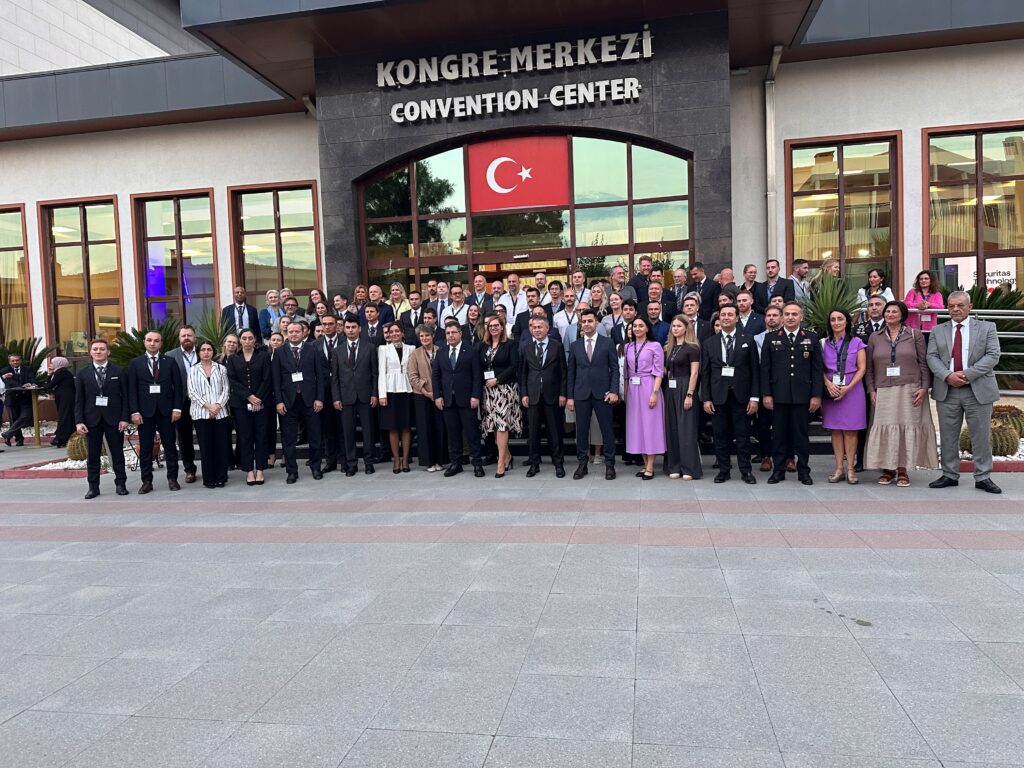
On 6-8 October 2026, Antalya hosted the 14th Electronic Monitoring Conference “Electronic Monitoring in a Changing World – Perception vs Reality”. More than 350 participants coming from 30 countries across Europe and worldwide representing probation services, Ministries of Justice, victims´ services, EM providers, researchers as well as local participants representing the Turkish Prison and Probation Service gathered to discuss how electronic monitoring (EM) is understood by all stakeholders involved including the victims and the public, and how these perceptions compare to the evidence and experiences of those affected. While the gap between perception and reality in electronic monitoring has been recognised for over a decade, the rapid expansion of EM into areas such as victim protection, high-risk supervision and digital innovation has brought new challenges and questions to the forefront.
Recap
ITSCCS
Core Correctional Skills in Digital Probation: highlights from the 6th ITSCCS in Barcelona
05/10/2026
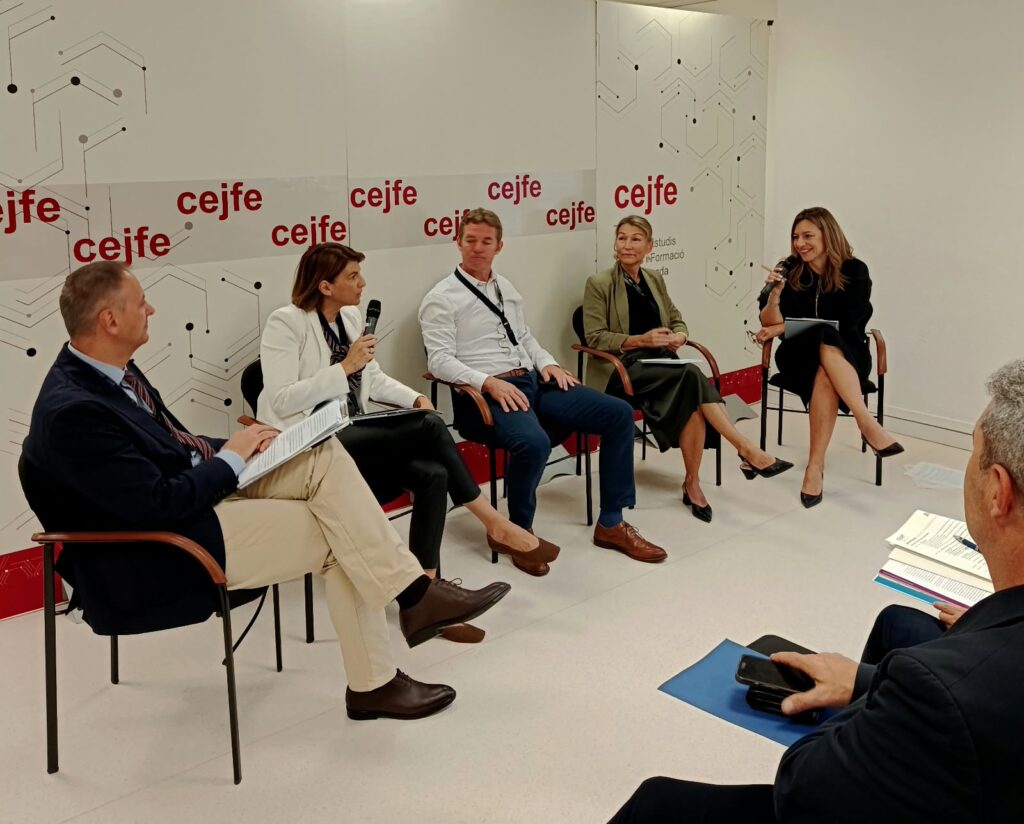
The sixth International Training School on Core Correctional Skills (ITSCCS) took place in Barcelona from 28 September to 2 October 2026, bringing together 26 participants for a week of learning, practical training and international exchange. Organised by the Confederation of European Probation (CEP) and the Centre for Legal Studies and Specialised Training (CEJFE), the programme focused on “Clicks and Empathy: Core Correctional Skills in Digital Probation.”
Recap
Framework Decisions
Recap: ERA workshop on Framework Decisions 829 and 947 in Bucharest
02/10/2026
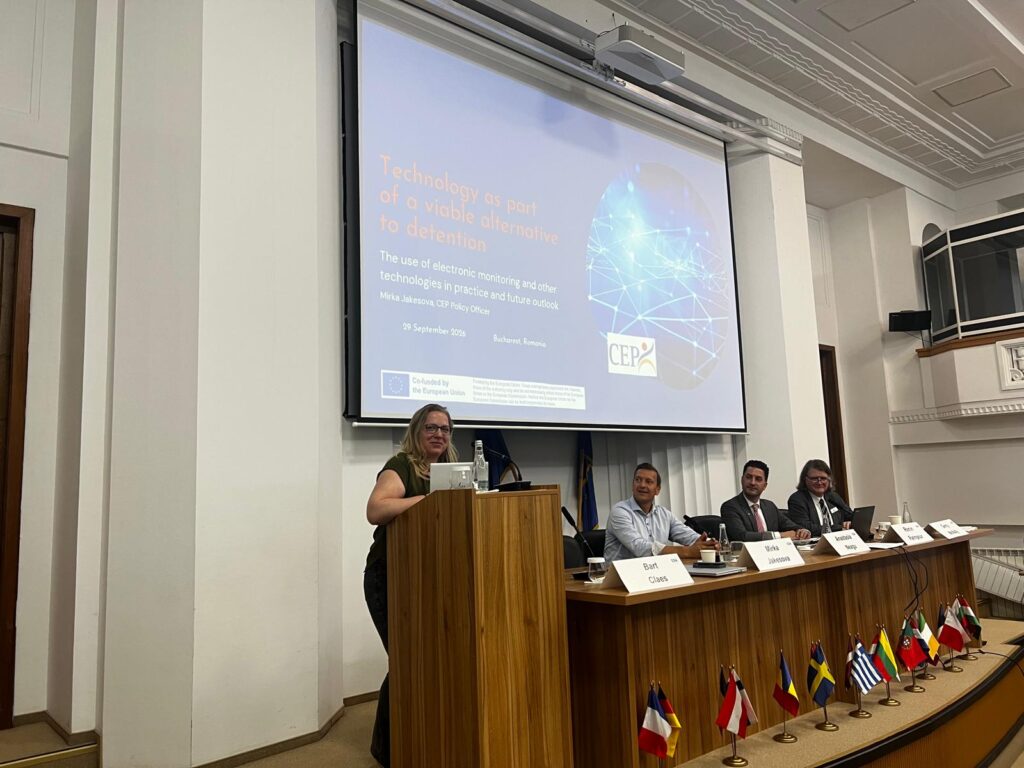
CEP Vice-President Daniel Danglades, Ambassador Gerry McNally and Policy Officer Mirka Jakesova participated in the Seminar on Framework Decisions 829 and 947 and their Impact on Alternatives in the EU organized under the EU project run by the Academy of European Law on 28-29 September in Bucharest, Romania. The seminar brought together judges, prosecutors, probation practitioners, academics, and policy experts to discuss the growing role of alternatives to detention within European criminal justice systems.
New
CEP
CEP and Catalan justice leaders reaffirm longstanding cooperation
29/09/2026
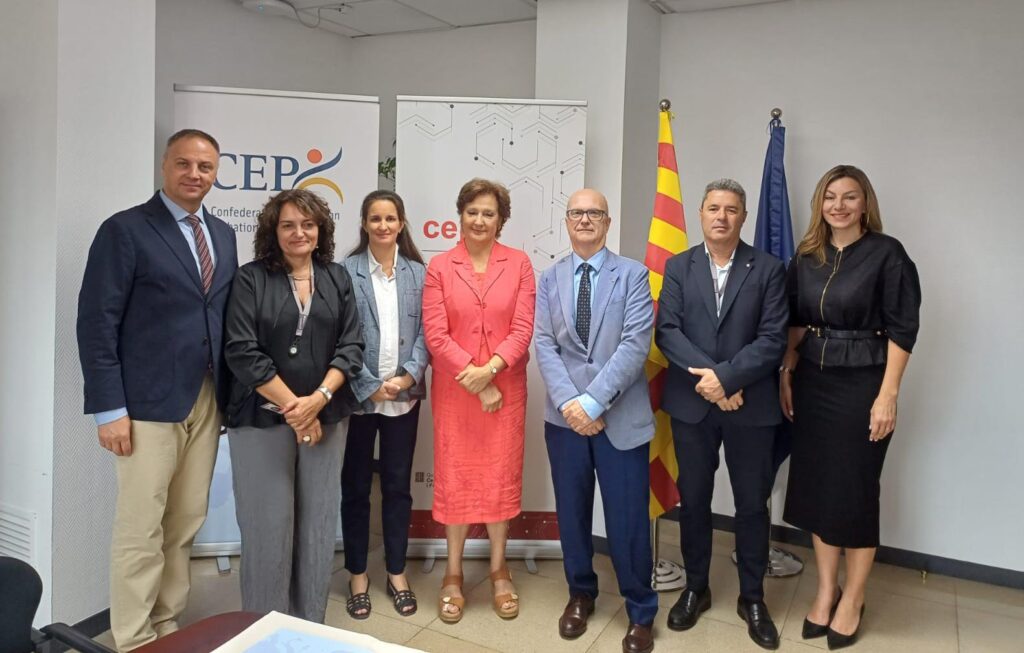
Representatives of the Confederation of European Probation (CEP) met with senior officials from the Catalan Department of Justice and Democratic Quality in Barcelona on 28 September 2026, alongside the opening of the sixth International Training School on Core Correctional Skills. The meeting offered an opportunity to recognise a longstanding partnership and discuss its continued development.
Updated

Mental Health
DEADLINE EXTENDED: Call for Pilot Implementation of the European Mental Health Training Curriculum
29/09/2026
Good news for CEP members! Following requests from our members, CEP has extended the deadline to apply for the pilot implementation of the European Mental Health Training Curriculum for Probation Officers.
Recap
ITSCCS, Technology
6th International Training School opens in Barcelona with a focus on digital probation
28/09/2026
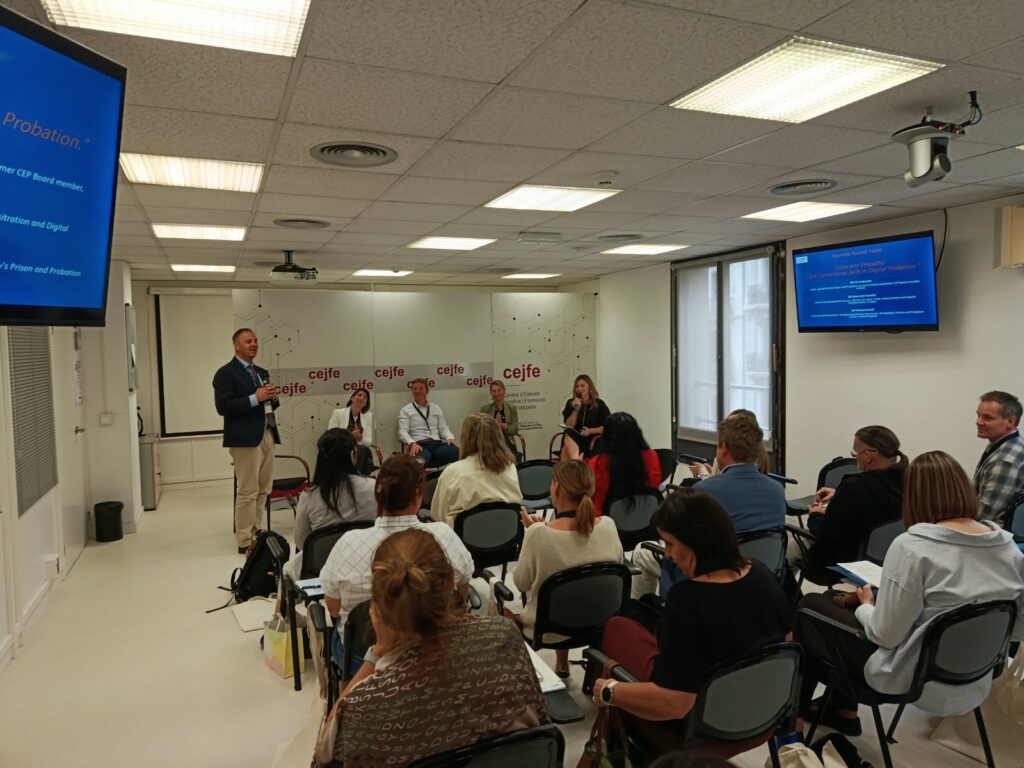
How can probation professionals use new technologies in their interactions while building trust, showing empathy and supporting change? This question is at the heart of the sixth International Training School on Core Correctional Skills, which opened in Barcelona on 28 September 2026.
Subscribe to our bi-monthly email newsletter!
"*" indicates required fields
- Keep up to date with important probation developments and insights.