

Previous Article
News
Back on track, preventing radicalization among prison immates
In 2012 started the pilot project Back on Track, aiming on preventing radicalization among prison inmates. A very current issue, which will also be on the agenda of the International expert event on radicalisation and violent extremism on 14 October in Barcelona. Annette Esdorf from Kriminal Forsorgen, the Danish Prison and Probation Service, shares the insights of the project.
In the special environment of prisons, inmates often face a difficult task of establishing their identity, building a social network and relations. Experience shows that there is a risk that some prison inmates have a negative influence on others. Thus, persons convicted of terrorism, or who exhibit some other form of extremist behaviour, may influence their fellow inmates adversely, and thereby contribute to the emergence of an extremist environment. With the pilot project ”Deradicalisation – Back on track” from 2012, the Danish Ministry of Social Affairs and Integration collaborated with the Danish Prison and Probation Service in developing and testing a mentoring scheme that may help to prevent and counteract crime related to extremism, whether it is right-wing, left-wing or religious forms of extremism. The mentoring scheme was specifically targeted at inmates and remand prisoners who are charged with or convicted of terrorism, or whose offence is subject to aggravating circumstances, because of hate crimes motivated by the victim’s ethnicity, political persuasion, sexual orientation or similar. The target group also comprised inmates or remand prisoners who are deemed vulnerable to radicalisation.
The purpose of the mentoring effort
The aim of the mentoring scheme is to help inmates become better at tackling everyday situations, problems and conflicts. The role of the mentor will be to support and strengthen the inmate’s motivation to opt for a lifestyle free of crime, and to build new relations in non-criminal and non-extremist environments. In the course of the mentorship, focus is on involving the inmate’s family and social network outside of prison, giving them an active role, both during remand, during prison sentence and in connection with the inmate’s re-entry into society. In the re-entry phase, the mentor must furthermore assist the mentee in dealing with concrete challenges surrounding the release. This could be by helping the mentee find a place to live, an education or job, and in the form of support to build new social relations.
Training of mentors
An important element in the project is training of the mentors and hereby strengthening their competencies in relation to various dialogue techniques, coaching and conflict management skills. The mentors must possess the necessary insight and tools for planning and tailoring a mentorship that also accommodates the fact that the mentee is in prison or remanded in custody. To a large extent, the training also focuses on how the mentee’s family and network can be actively involved in the mentorship.
Organisation of the project and the mentoring scheme
The mentoring effort has been organised within the framework of an existing mentoring scheme under the Danish Prison and Probation Service. The project has been carried out as a collaboration between the Danish Prison and Probation Service and the Danish Ministry of Social Affairs and Integration. The Danish Security and Intelligence Service participated in a working group, whose purpose was to ensure the coordination of the effort. A group of 10 mentors have been trained, and among these, 2 persons have been trained as mentor coaches, who can support and supervise the other mentors throughout the project. The mentors and mentor coaches have primarily been recruited from the existing mentor corps of the Danish Prison and Probation Service, and from the existing mentoring project “Deradicalisation – targeted intervention”, which is supported by the EU. In the mentorships, the coaches act as supervisors to the mentors. In the recruitment of the mentors it has been emphasised that they have previous experience with mentoring, with the prison service or similar types of efforts. The training of the mentors has been carried out primarily by psychologist Malene Windfeldt and the consultancy firm Navigent. The Danish Ministry of Social Affairs and Integration has provided teaching in subjects related to extremism and radicalisation.
Learning from Back on Track
The aim of the mentoring effort is to contribute to preventing extremist forms of crime among the target group of prison inmates. The experiences gathered from the project have been used in the expansion of the special mentoring scheme within the Danish Prison and Probation Service that is targeted individuals at special risk, especially relating to extremism. It is the overall assessment that individual and specialized interventions such as this type of mentorship scheme for this target group is much needed and of great value, when it is part of a larger and structured scheme of rehabilitation, and when is it established in cooperation with the relevant authorities.

Related News
Keep up to date with the latest developments, stories, and updates on probation from across Europe and beyond. Find relevant news and insights shaping the field today.
Recap
Electronic monitoring, Technology
14th Electronic Monitoring Conference, Electronic Monitoring in a Changing World – Perception vs Reality
08/10/2026
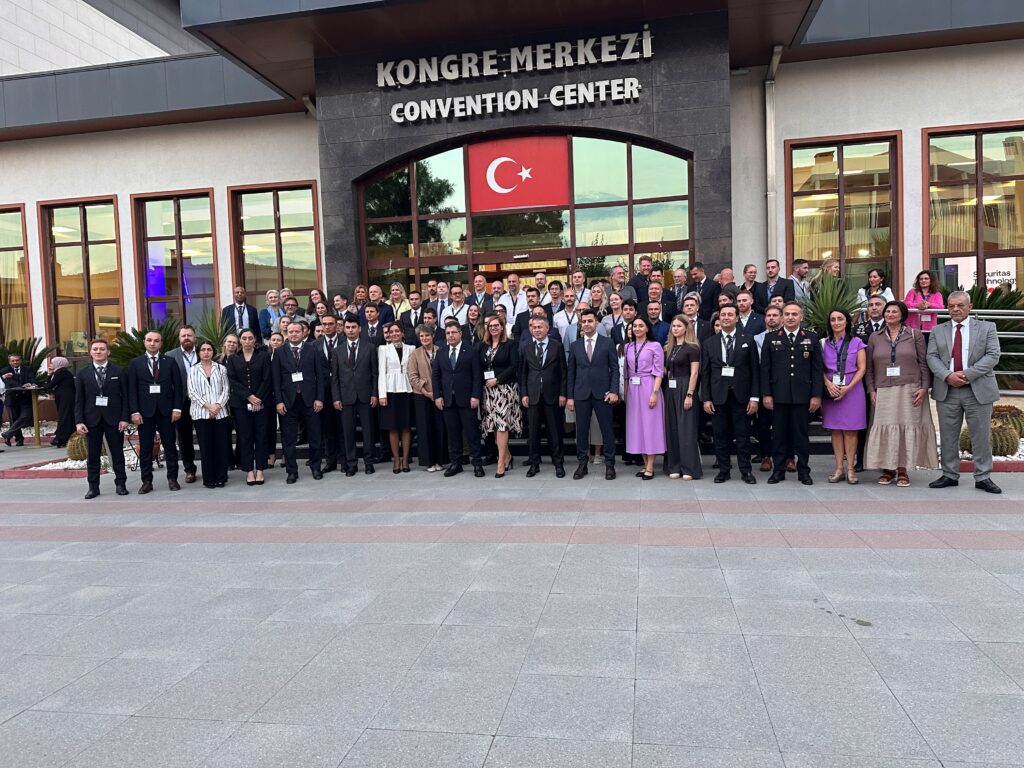
On 6-8 October 2026, Antalya hosted the 14th Electronic Monitoring Conference “Electronic Monitoring in a Changing World – Perception vs Reality”. More than 350 participants coming from 30 countries across Europe and worldwide representing probation services, Ministries of Justice, victims´ services, EM providers, researchers as well as local participants representing the Turkish Prison and Probation Service gathered to discuss how electronic monitoring (EM) is understood by all stakeholders involved including the victims and the public, and how these perceptions compare to the evidence and experiences of those affected. While the gap between perception and reality in electronic monitoring has been recognised for over a decade, the rapid expansion of EM into areas such as victim protection, high-risk supervision and digital innovation has brought new challenges and questions to the forefront.
Recap
ITSCCS
Core Correctional Skills in Digital Probation: highlights from the 6th ITSCCS in Barcelona
05/10/2026
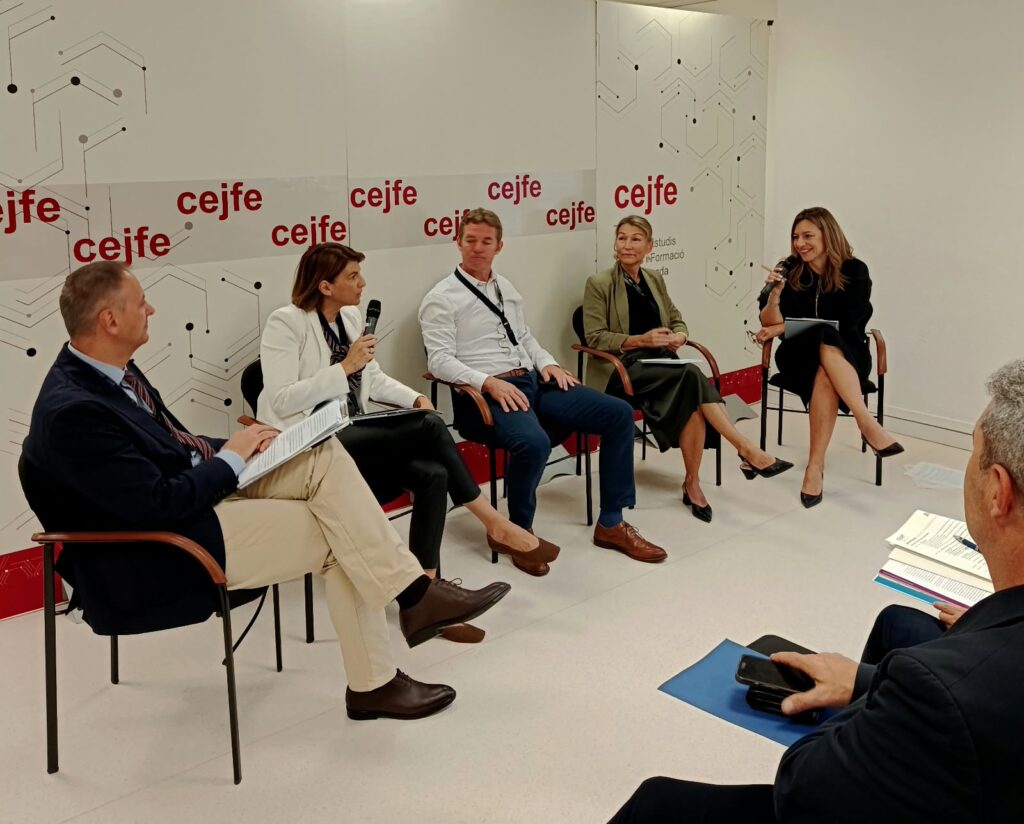
The sixth International Training School on Core Correctional Skills (ITSCCS) took place in Barcelona from 28 September to 2 October 2026, bringing together 26 participants for a week of learning, practical training and international exchange. Organised by the Confederation of European Probation (CEP) and the Centre for Legal Studies and Specialised Training (CEJFE), the programme focused on “Clicks and Empathy: Core Correctional Skills in Digital Probation.”
Recap
Framework Decisions
Recap: ERA workshop on Framework Decisions 829 and 947 in Bucharest
02/10/2026
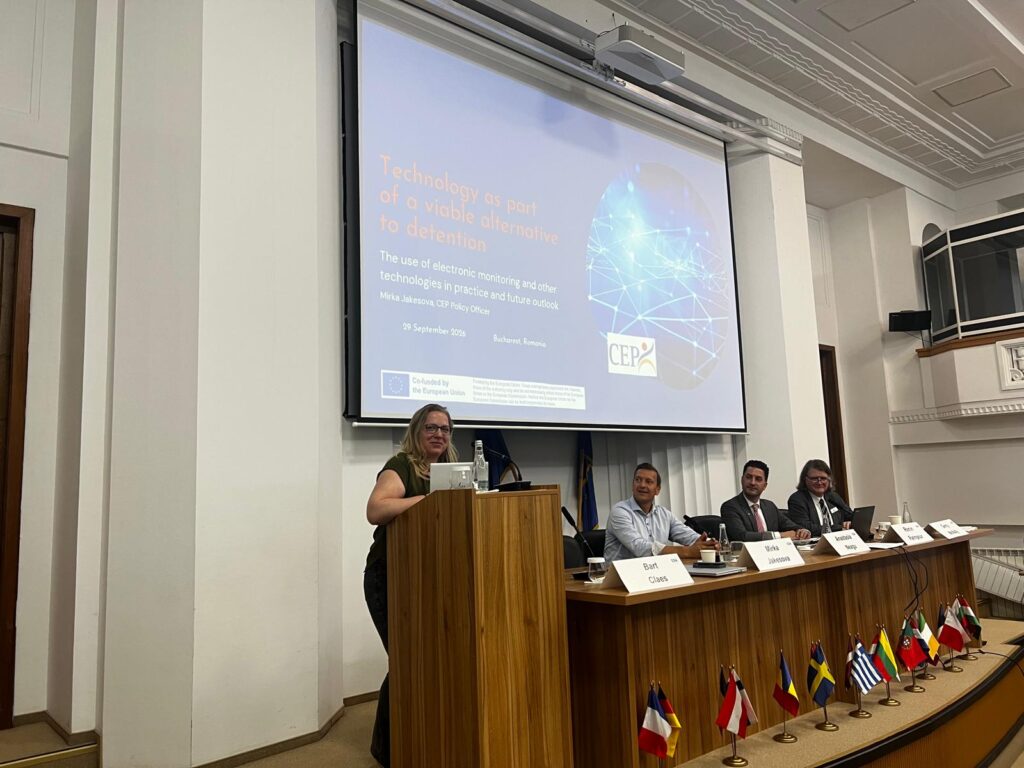
CEP Vice-President Daniel Danglades, Ambassador Gerry McNally and Policy Officer Mirka Jakesova participated in the Seminar on Framework Decisions 829 and 947 and their Impact on Alternatives in the EU organized under the EU project run by the Academy of European Law on 28-29 September in Bucharest, Romania. The seminar brought together judges, prosecutors, probation practitioners, academics, and policy experts to discuss the growing role of alternatives to detention within European criminal justice systems.
New
CEP
CEP and Catalan justice leaders reaffirm longstanding cooperation
29/09/2026
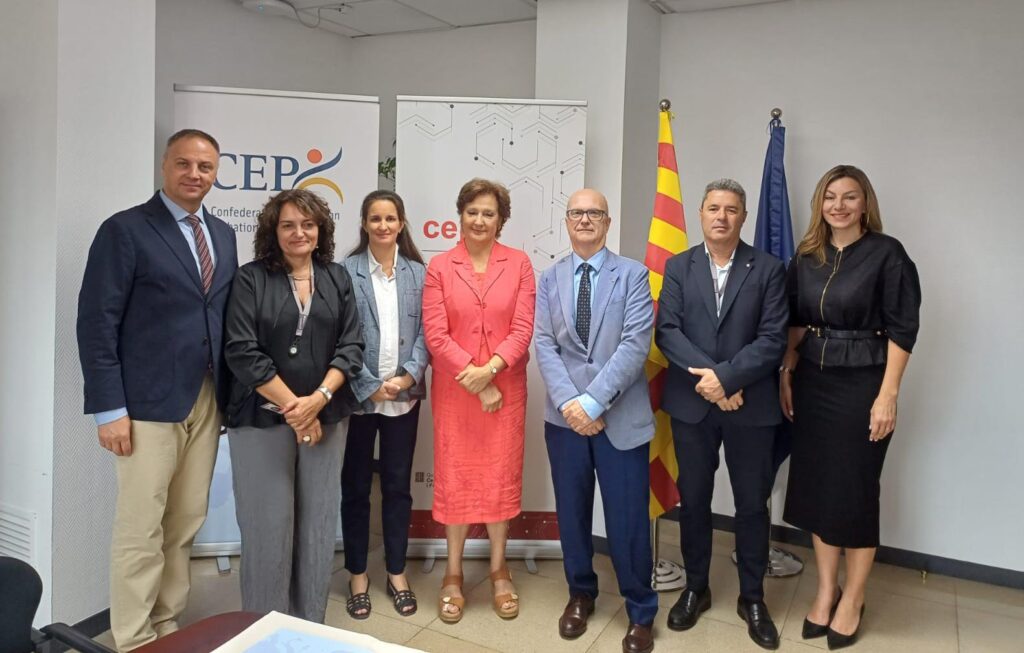
Representatives of the Confederation of European Probation (CEP) met with senior officials from the Catalan Department of Justice and Democratic Quality in Barcelona on 28 September 2026, alongside the opening of the sixth International Training School on Core Correctional Skills. The meeting offered an opportunity to recognise a longstanding partnership and discuss its continued development.
Updated

Mental Health
DEADLINE EXTENDED: Call for Pilot Implementation of the European Mental Health Training Curriculum
29/09/2026
Good news for CEP members! Following requests from our members, CEP has extended the deadline to apply for the pilot implementation of the European Mental Health Training Curriculum for Probation Officers.
Recap
ITSCCS, Technology
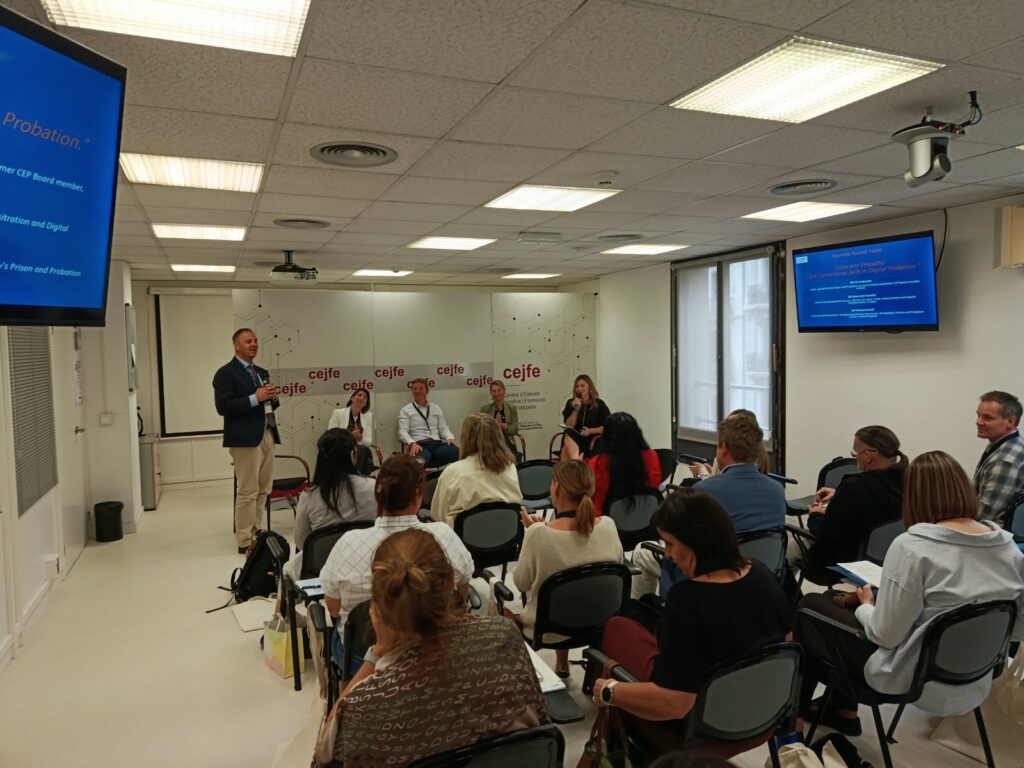
6th International Training School opens in Barcelona with a focus on digital probation
28/09/2026
How can probation professionals use new technologies in their interactions while building trust, showing empathy and supporting change? This question is at the heart of the sixth International Training School on Core Correctional Skills, which opened in Barcelona on 28 September 2026.
Subscribe to our bi-monthly email newsletter!
"*" indicates required fields
- Keep up to date with important probation developments and insights.