
Skip to content

News

Approaches to violent extremist offenders and countering radicalisation in prisons and probation

The context of terrorism has changed dramatically for prisons and probation. ‘Foreign terrorist fighters’ now account for the highest proportion of arrests and convictions in Europe. The number of arrests has tripled over the last three years, putting increased strain on prisons and probation as offenders.

Since the launch of the Radicalisation Awareness Network (RAN) in 2012, the Working Group on Prison and Probation (RAN P&P) has focused on preventing violent extremism, engagement with extremist groups and extremist behaviour during detention and probation.

The working group published a new paper  based on practitioners’ input and up-to- date research on the subject, although research in this area remains limited due to the relatively small size of the population concerned.

This paper aims to provide policy-makers, prison governors and prison and probation staff with information on current practice and issues relevant to managing Violent Extremist Offenders (VEOs) and individuals considered at risk of engaging in violent extremism in a prison and probation context. The paper is structured around these two contexts. While in practice this distinction may not exist in some EU Member States, it serves to identify key issues: prison conditions and reintegration strategies, risk assessment, prison regime choices, rehabilitation and reintegration initiatives, and staff training.


Download the paper

Related News

Keep up to date with the latest developments, stories, and updates on probation from across Europe and beyond. Find relevant news and insights shaping the field today.

New

CEP

CEP and Catalan justice leaders reaffirm longstanding cooperation

29/09/2026

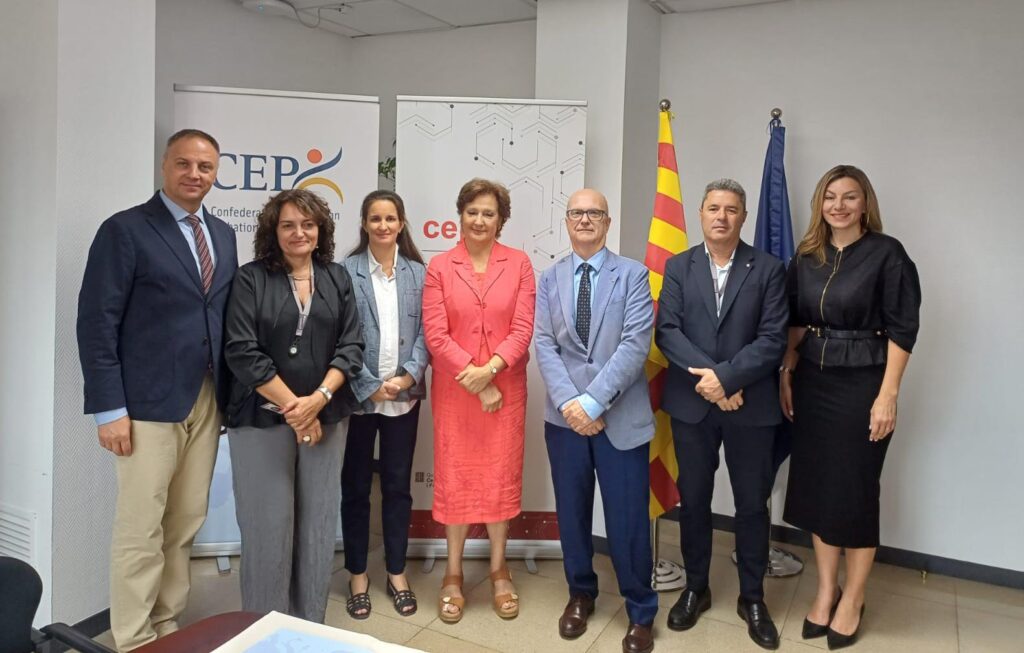
Representatives of the Confederation of European Probation (CEP) met with senior officials from the Catalan Department of Justice and Democratic Quality in Barcelona on 28 September 2026, alongside the opening of the sixth International Training School on Core Correctional Skills. The meeting offered an opportunity to recognise a longstanding partnership and discuss its continued development.

Updated

Uncategorized

DEADLINE EXTENDED: Call for Pilot Implementation of the European Mental Health Training Curriculum

29/09/2026

Good news for CEP members! Following requests from our members, CEP has extended the deadline to apply for the pilot implementation of the European Mental Health Training Curriculum for Probation Officers.

Recap

ITSCCS, Technology

6th International Training School opens in Barcelona with a focus on digital probation

28/09/2026

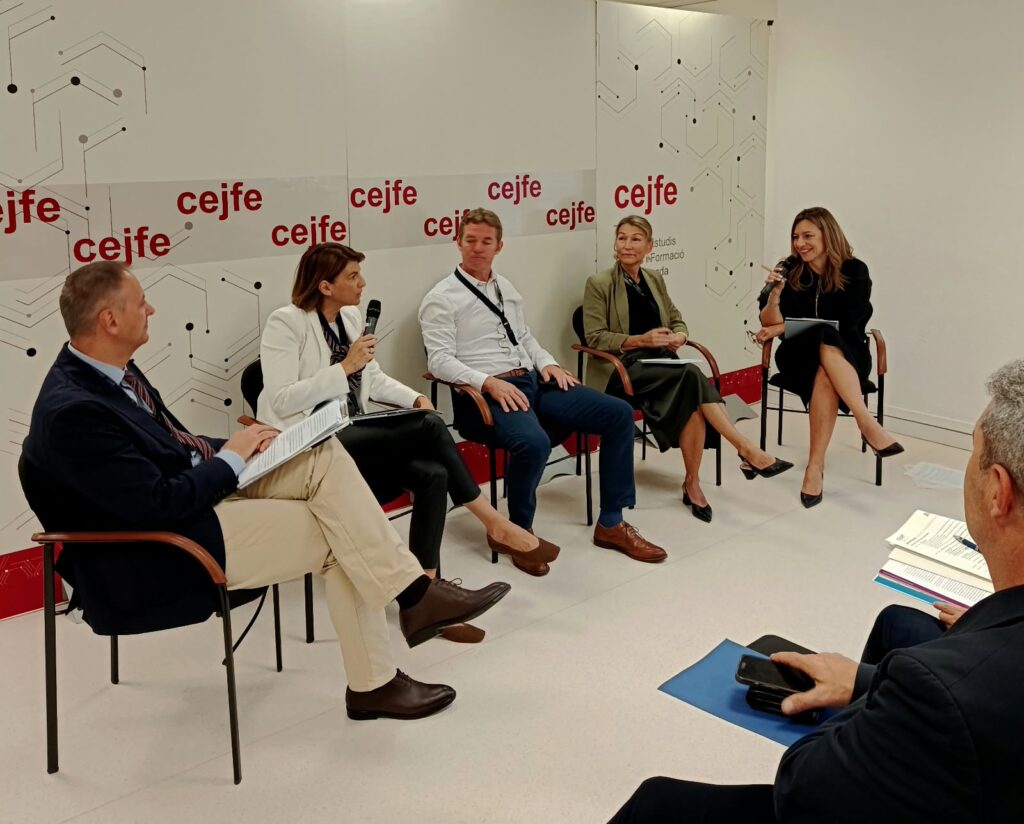
How can probation professionals use new technologies in their interactions while building trust, showing empathy and supporting change? This question is at the heart of the sixth International Training School on Core Correctional Skills, which opened in Barcelona on 28 September 2026.

Recap

Probation in Europe

CEP at 42nd PC-CP Working Group Meeting

23/09/2026

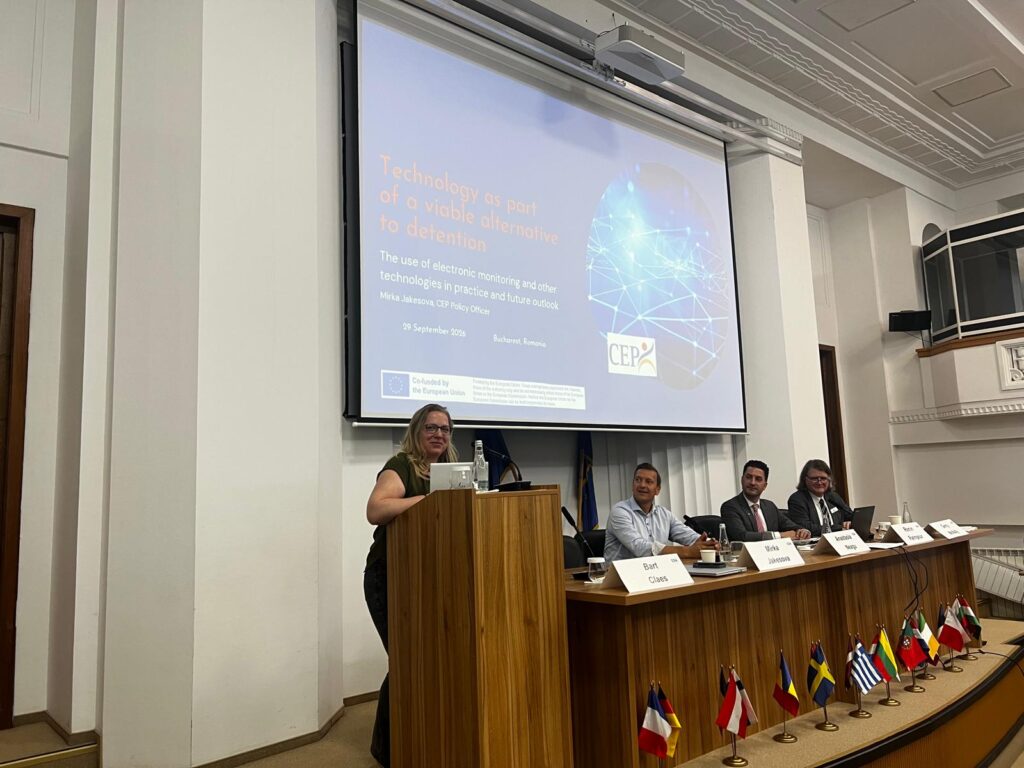
The Council for Penological Co-operation (PC-CP) Working Group held its 42nd meeting from 15–17 September 2026 in Strasbourg. CEP was represented by Secretary General Jana Špero Kamenjarin.

New

Probation in Europe

New Division episode: Bernd Kammermeier on Supervision of Conduct

23/09/2026

The 22nd episode of Division_Y features Bernd Kammermeier from Rostock, Mecklenburg-Western Pomerania.

Bernd is a unionist, practitioner and academic expert on supervision of conduct (Führungsaufsicht) in Germany. His recent PhD thesis examines the development and legal framework of this important instrument.

Recap

CEP

CEP at Kick-off Meeting for the 2026 Operating and Action Grants

22/09/2026

On 16 and 17 October, the Project and Policy Officers of the European Commission’s Directorate-General for Justice and Consumers (DG JUST) organised the Kick-off Meeting for the 2026 Operating and Action Grants. Opened with a video message from Commissioner McGrath, the meeting covered a range of topics related to project management, including reporting requirements and horizontal priorities such as gender mainstreaming, EU values, and the EU survey. Last but not least, participants were presented with the future developments of AgoraEU and the Justice Programmes under the new Multiannual Financial Framework (MFF) starting in 2028. 

Subscribe to our bi-monthly email newsletter!