

Previous Article
News
Probation work in Dublin: emerging from lockdown?
An article written by Áine Morris, Probation Officer based in Dublin at the Restorative Justice and Victim Services Unit.
Twelve weeks ago I couldn’t have imagined how quickly my colleagues and I would adapt to working remotely. As we moved into lockdown community based Probation Officers began working from home. In the main client work was undertaken by telephone with office attendance only for a very specific purpose. Despite the challenges work has continued at a steady, busy pace. We now have remote access to our IT system which is critical for timely administrative tasks and for access to organisational guidance documents to support changes to service delivery. The use of zoom and teleconferencing has allowed for ongoing peer and interagency contact. Work life, though changed, has gone on and we are now moving to another stage of the “new normality”.
Victim queries and requests
The Restorative Justice and Victims’ Unit is the lead for Restorative Justice practice and is a central point of contact for victim queries and requests. Covid-19 has created some opportunities to pause and consider the next steps on our journey. A key project is the development of guidance documents to increase victim awareness across practice and to provide a more integrated approach to addressing harm. The Unit has also adapted our training material so that it can be delivered remotely.
Throughout the pandemic victims have continued to make contact.There are queries about restorative justice, questions about court orders and what “supervision” means. Contact has been through email and telephone. For some, lockdown has given them time to consider what they need and require to repair the harm caused to them. I am frequently reminded of the importance of active listening techniques.
Prior to lockdown I facilitated a number of restorative conferences. Throughout the current restrictions I have tried to mirror normal practice through telephone and email contact with participants of those conferences. It has taken flexibility and patience but clients have been able to keep to their “agreements”. In turn this has supported the Courts in their efforts to continue to process cases.
Restorative Justice Service
One of our community partner organisations here in Dublin is “Restorative Justice Service”. The project has established working groups to forward elements of their strategic plan (2019-2022). I have continued to meet with community and board members using the zoom platform. We have looked at ways of helping those responsible for harm and communities and individuals impacted by that harm to participate restoratively. We are now making recommendations to the Board of Management.
As a member of the Women’s Strategy Group I have prepared a guidance document on “Working with Women during COVID-19.” As in other jurisdictions reported incidents of domestic abuse have increased during the pandemic.There are concerns for women’s mental health. My colleagues and I hope this document will support gender specific work as we move through the phases of lockdown.
Zoom coffee breaks
Through zoom meetings and email I have remained in contact with colleagues. I find that a zoom coffee break allows for a different kind of chat but also reinforces my professional identity and allows for shared problem solving that is part of my usual practice.
As we moved through the phases of lockdown and now look towards a phased return to the office there has been much learning, creativity and an adaptability that might not have been anticipated. These experiences will help us to better engage with the further challenges that undoubtedly lie ahead.

Related News
Keep up to date with the latest developments, stories, and updates on probation from across Europe and beyond. Find relevant news and insights shaping the field today.
Recap
Electronic monitoring, Technology
14th Electronic Monitoring Conference, Electronic Monitoring in a Changing World – Perception vs Reality
08/10/2026
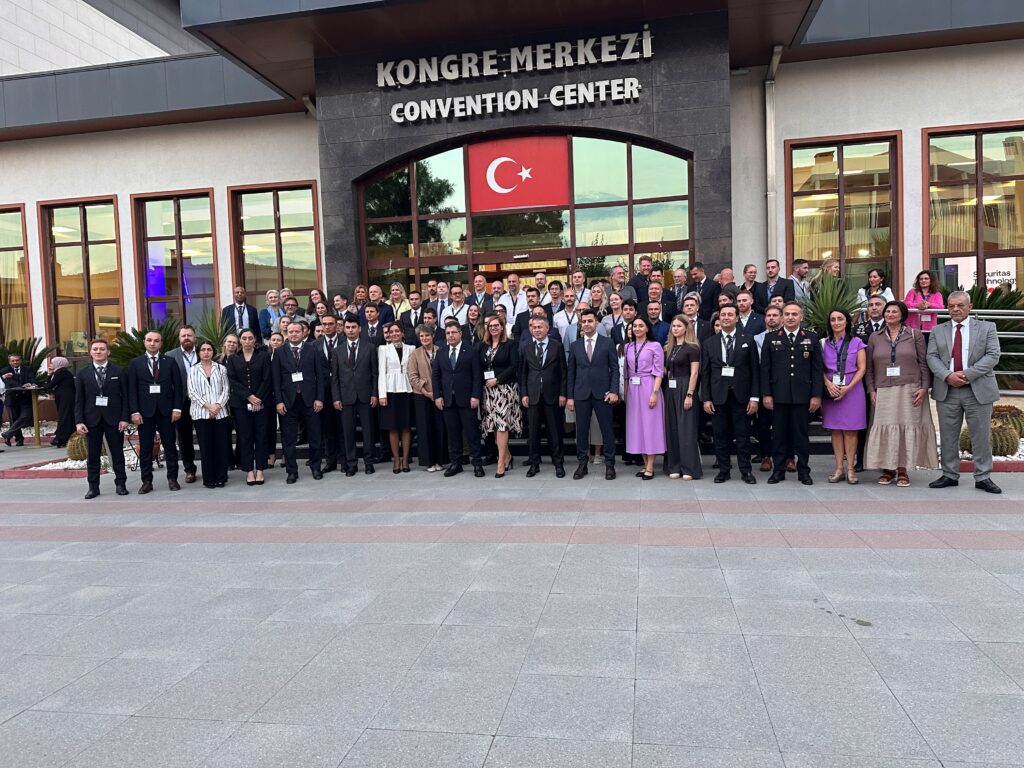
On 6-8 October 2026, Antalya hosted the 14th Electronic Monitoring Conference “Electronic Monitoring in a Changing World – Perception vs Reality”. More than 350 participants coming from 30 countries across Europe and worldwide representing probation services, Ministries of Justice, victims´ services, EM providers, researchers as well as local participants representing the Turkish Prison and Probation Service gathered to discuss how electronic monitoring (EM) is understood by all stakeholders involved including the victims and the public, and how these perceptions compare to the evidence and experiences of those affected. While the gap between perception and reality in electronic monitoring has been recognised for over a decade, the rapid expansion of EM into areas such as victim protection, high-risk supervision and digital innovation has brought new challenges and questions to the forefront.
Recap
ITSCCS
Core Correctional Skills in Digital Probation: highlights from the 6th ITSCCS in Barcelona
05/10/2026
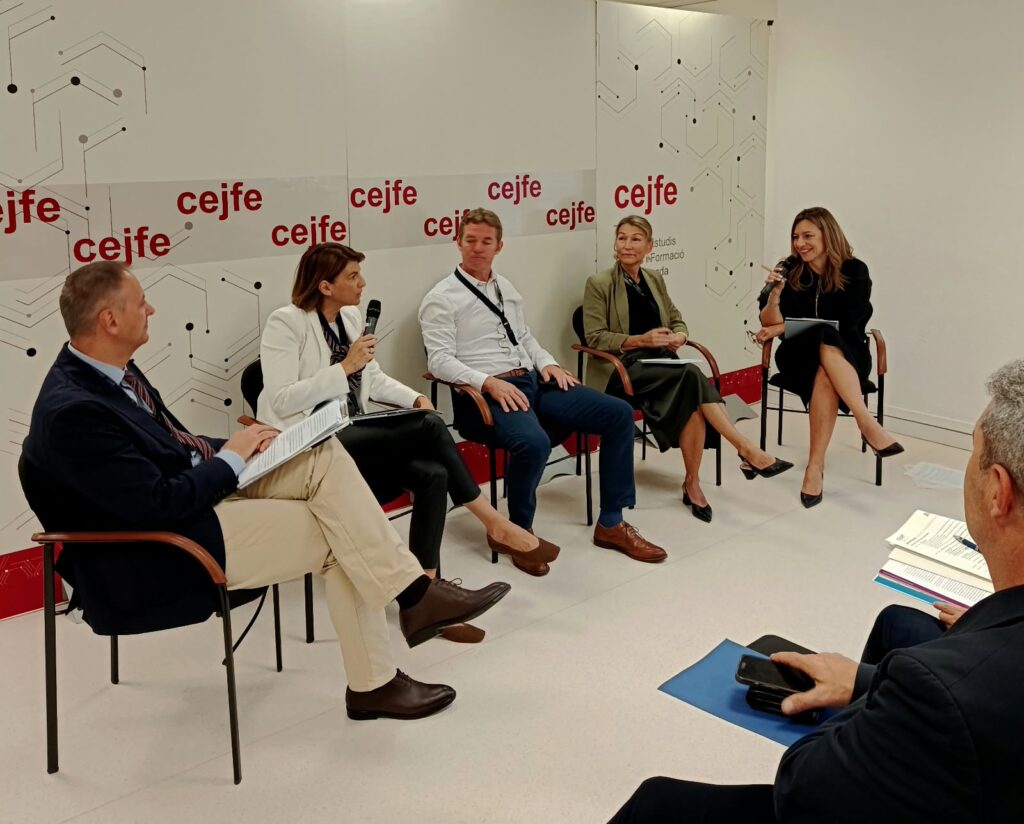
The sixth International Training School on Core Correctional Skills (ITSCCS) took place in Barcelona from 28 September to 2 October 2026, bringing together 26 participants for a week of learning, practical training and international exchange. Organised by the Confederation of European Probation (CEP) and the Centre for Legal Studies and Specialised Training (CEJFE), the programme focused on “Clicks and Empathy: Core Correctional Skills in Digital Probation.”
Recap
Framework Decisions
Recap: ERA workshop on Framework Decisions 829 and 947 in Bucharest
02/10/2026
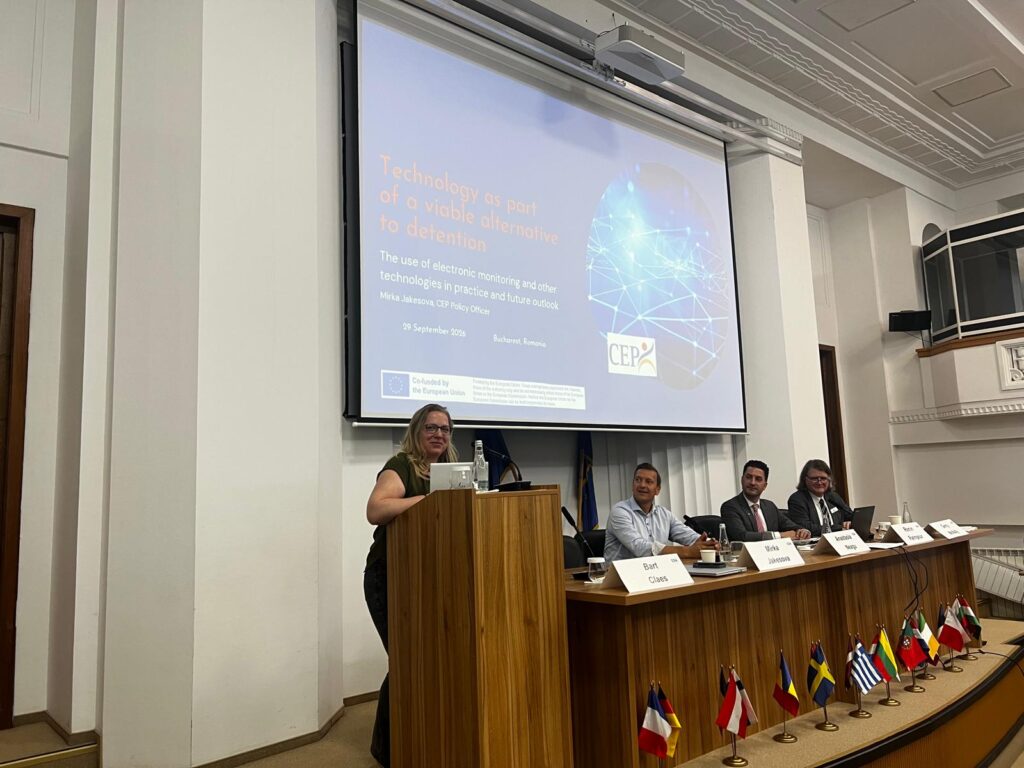
CEP Vice-President Daniel Danglades, Ambassador Gerry McNally and Policy Officer Mirka Jakesova participated in the Seminar on Framework Decisions 829 and 947 and their Impact on Alternatives in the EU organized under the EU project run by the Academy of European Law on 28-29 September in Bucharest, Romania. The seminar brought together judges, prosecutors, probation practitioners, academics, and policy experts to discuss the growing role of alternatives to detention within European criminal justice systems.
New
CEP
CEP and Catalan justice leaders reaffirm longstanding cooperation
29/09/2026
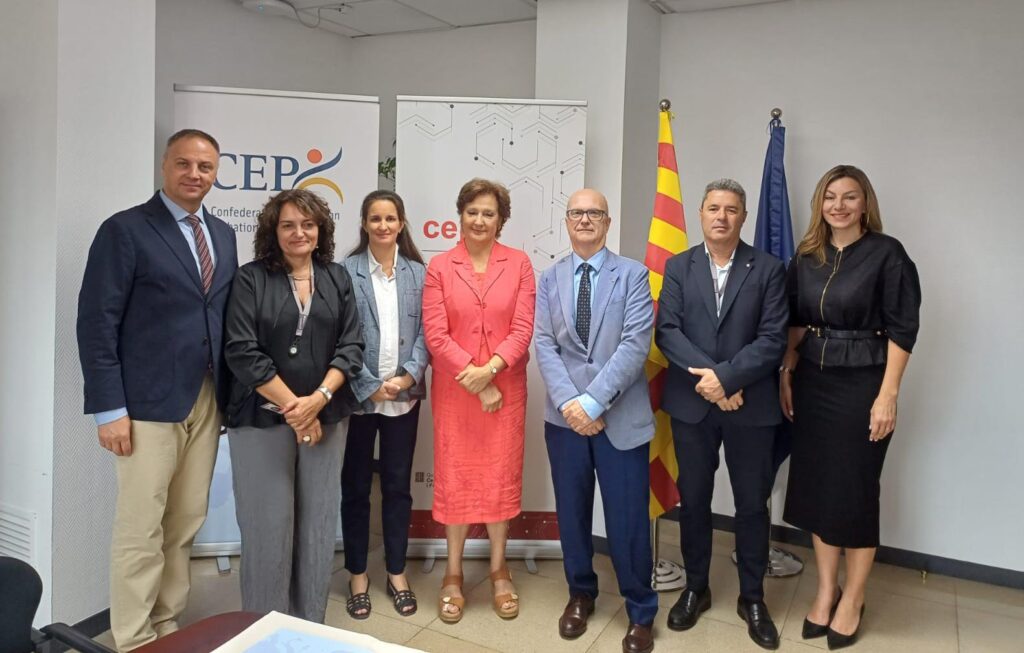
Representatives of the Confederation of European Probation (CEP) met with senior officials from the Catalan Department of Justice and Democratic Quality in Barcelona on 28 September 2026, alongside the opening of the sixth International Training School on Core Correctional Skills. The meeting offered an opportunity to recognise a longstanding partnership and discuss its continued development.
Updated
Mental Health
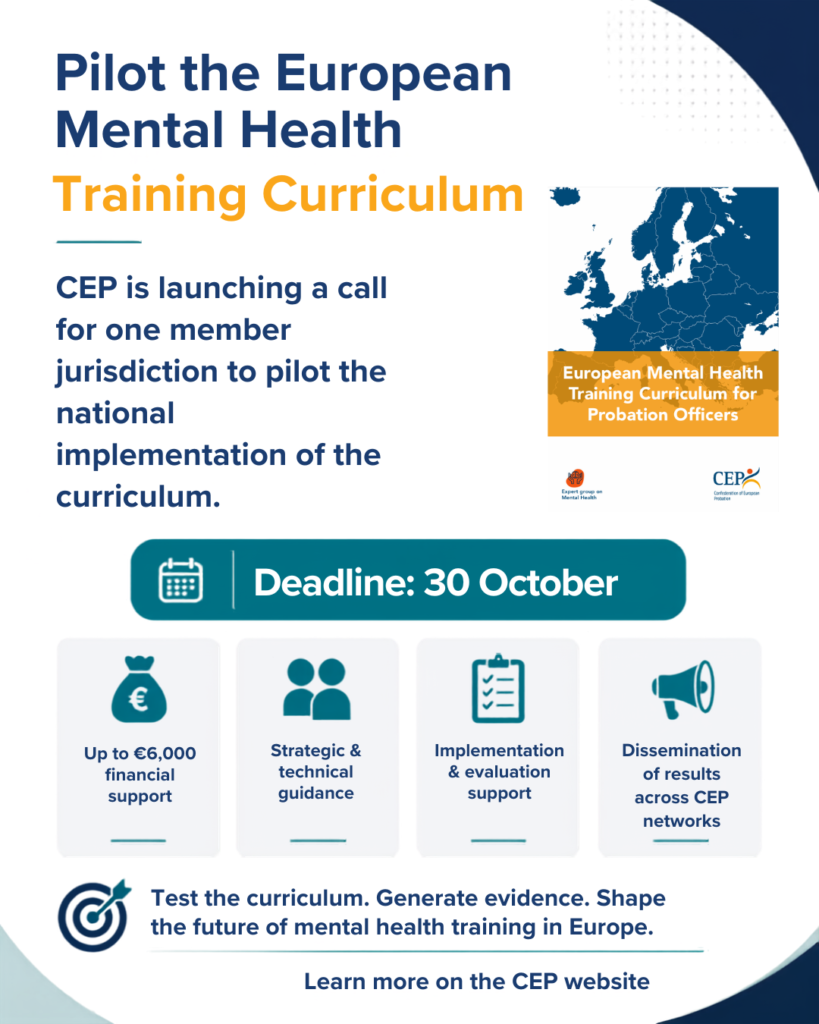
DEADLINE EXTENDED: Call for Pilot Implementation of the European Mental Health Training Curriculum
29/09/2026
Good news for CEP members! Following requests from our members, CEP has extended the deadline to apply for the pilot implementation of the European Mental Health Training Curriculum for Probation Officers.
Recap
ITSCCS, Technology
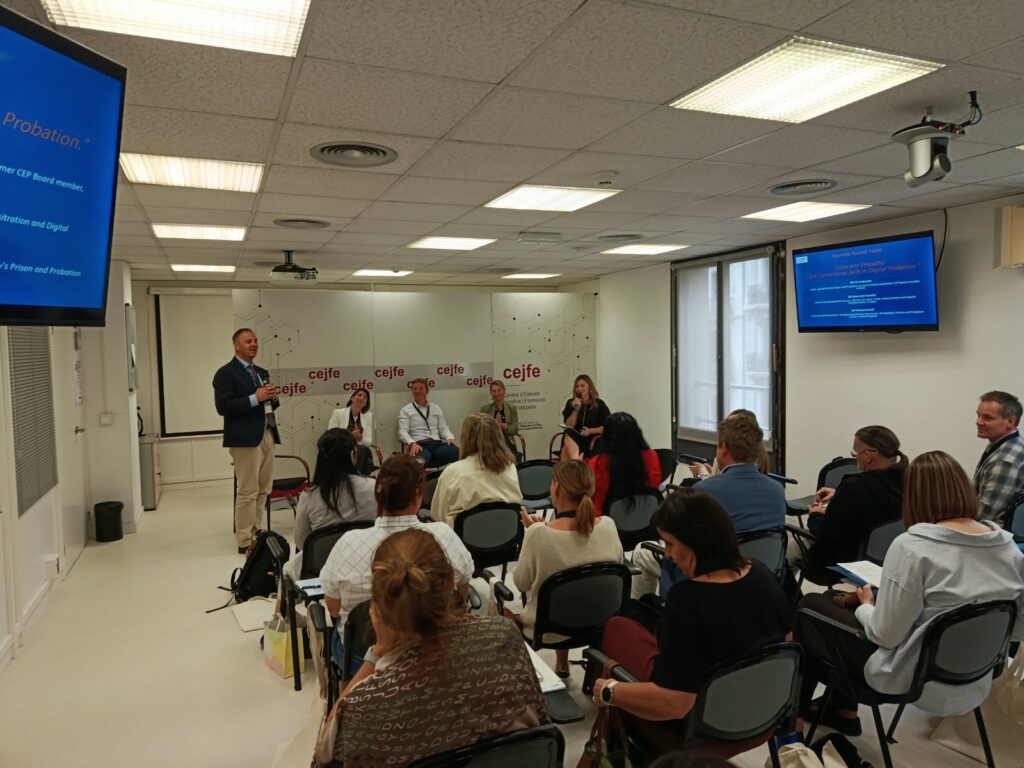
6th International Training School opens in Barcelona with a focus on digital probation
28/09/2026
How can probation professionals use new technologies in their interactions while building trust, showing empathy and supporting change? This question is at the heart of the sixth International Training School on Core Correctional Skills, which opened in Barcelona on 28 September 2026.
Subscribe to our bi-monthly email newsletter!
"*" indicates required fields
- Keep up to date with important probation developments and insights.