Day 1: Exploring the Many Dimensions of Electronic Monitoring
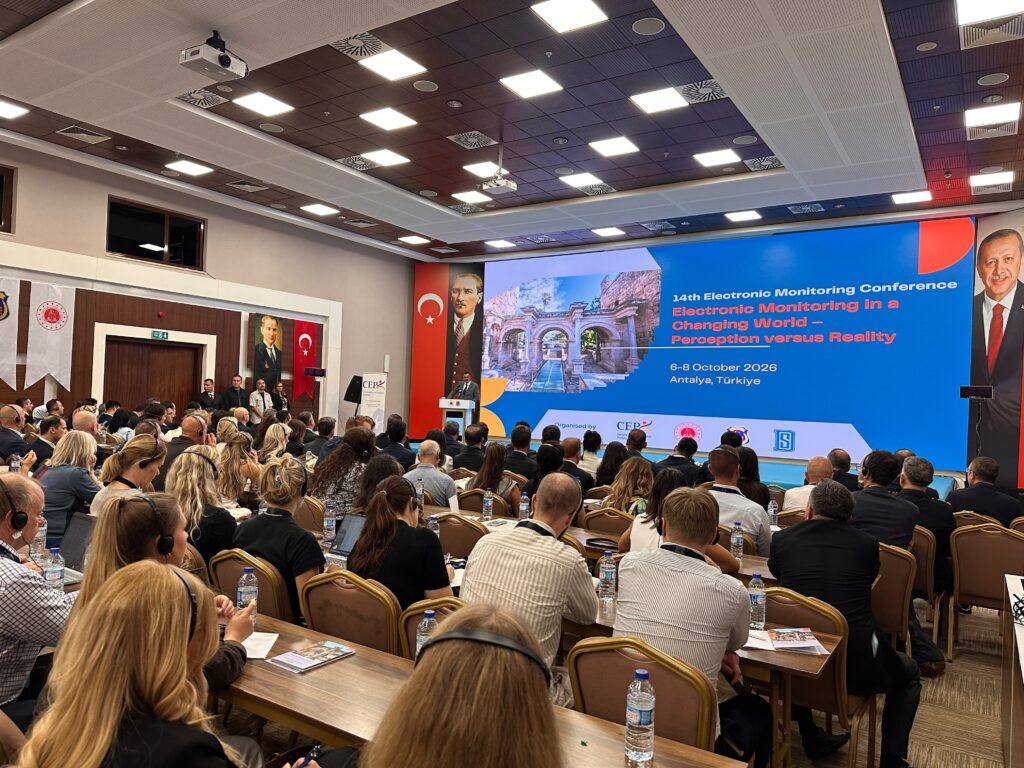
The conference opened with a focus on the diverse and evolving applications of electronic monitoring. Participants gained insights into the functioning of the Turkish electronic monitoring system and reflected on how EM is implemented in practice.
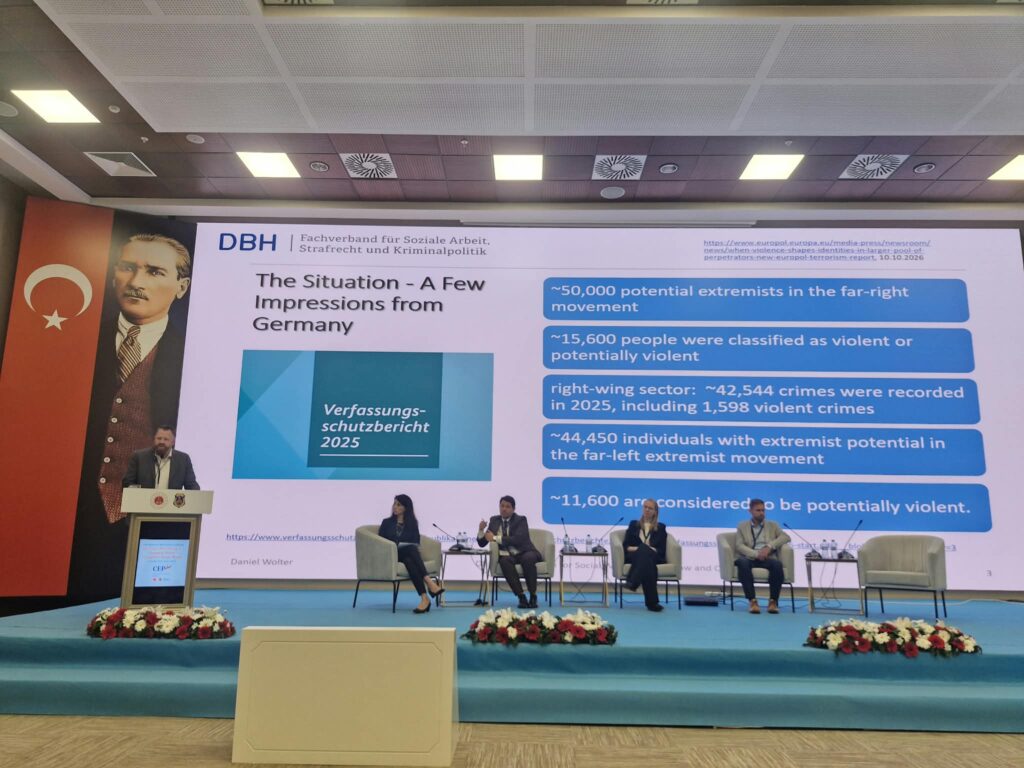
Discussions also examined the role of EM in the management and reintegration of individuals involved in violent extremism. Speakers highlighted the potential of EM to support supervision and rehabilitation efforts while emphasising the importance of strong legal, ethical and operational safeguards to ensure proportionality, protect fundamental rights and maintain public confidence.
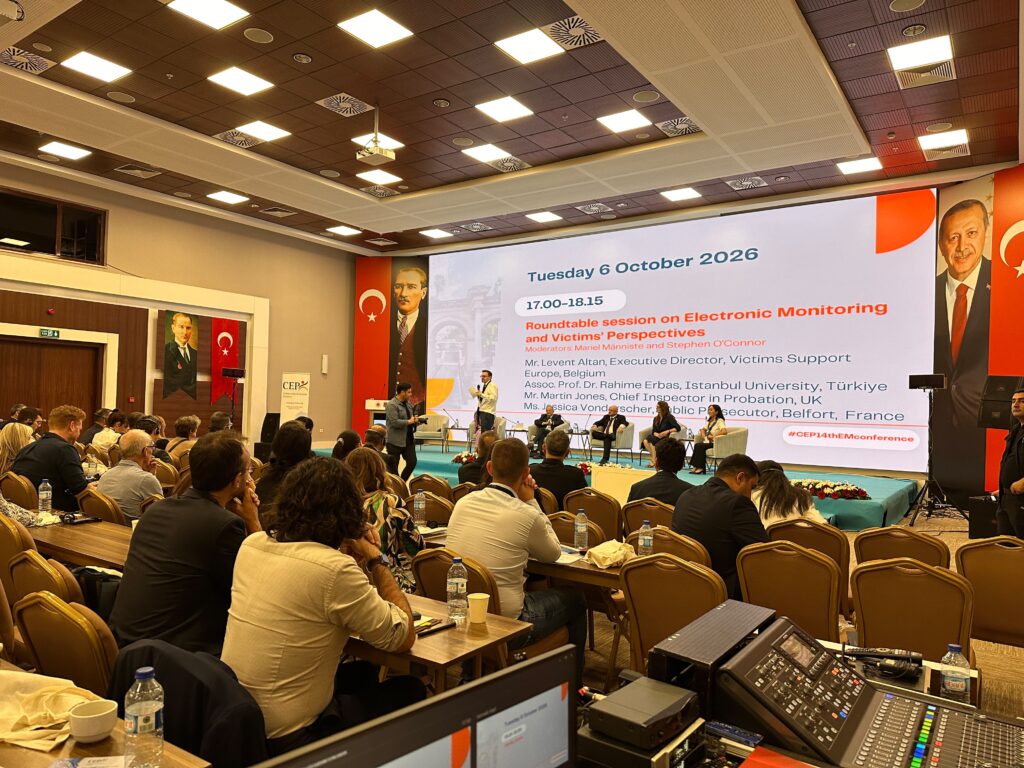
The day concluded with a panel dedicated to victim protection. Participants explored how electronic monitoring can enhance victim safety, particularly in domestic abuse cases, while balancing effectiveness, proportionality and individual rights. The exchanges highlighted significant differences in implementation across jurisdictions and underscored the importance of considering victims’ experiences and expectations when developing EM-based protection measures.
Day 2: Human-Centred Justice in a Digital Era
Building on the discussions of the first day, participants engaged in interactive workshops exploring the use of EM in cases of violent extremism and examining victim perspectives in greater depth.
The conference then introduced a new thematic panel on Human-Centred Justice in the Digital Era, focusing on how digital systems can enhance fairness, transparency and efficiency while reinforcing the trust, human connection and professional expertise that remain essential to effective justice outcomes. Speakers stressed that technology should support, rather than replace, human judgement and professional relationships.
The final sessions focused on “Bridging Worlds” between technological innovation and cultural integration. Discussions explored how justice systems can improve accuracy and consistency, support safer decision-making and embrace innovation while ensuring that digital solutions remain aligned with cultural expectations, human rights standards and the interpersonal relationships that underpin effective justice practice.
Day 3: Looking Ahead
The final day brought together the key themes that had emerged throughout the conference. Morning workshop sessions continued the discussions on Human-Centred Justice and the challenge of bridging worlds between technological innovation and cultural integration.
The conference concluded with interactive CEP EM World Café discussions, where participants reflected on the future of electronic monitoring through a series of thought-provoking questions. These exchanges encouraged participants to consider emerging technologies, changing societal expectations, ethical challenges and opportunities for innovation in the field of electronic monitoring.
Across all discussions, a common message emerged: technological developments in criminal justice must remain centred on people, relationships and communities. While electronic monitoring continues to evolve and expand into new areas, its legitimacy and effectiveness ultimately depend on balancing innovation with human rights, ethical safeguards, professional expertise and meaningful engagement with those affected by its use.
Report will be available soon.
Presentations
Electronic Monitoring – the Turkish Approach
Mr. Yasin Aydın, Head of the Probation Department, Türkiye
Electronic Monitoring and Violent Extremism
Ms. Heidi Maiberg, PhD, Researcher, Estonia – not available
Mr. Daniel Wolter, Chair of the Expert Group on Violent Extremism and Director of DBH Federal Association
Mr. Carl Beckers, Coordinator of Radicalisation, Flemish Probation Service, Belgium
Human-Centred Justice in the Digital Era
Mr. Hannes Lombaert, IT Director, Houses of Justice Flanders, Belgium
Mr. Przemyslaw Kazimirski, Head of the Prison Service Division, Ministry of Justice, Poland
Assoc. Prof. Dr. Derya Gültekin, Istanbul Technical University, Türkiye – summary
Bridging worlds: From Technical Innovation to Cultural Integration
Dr. Hannah Graham, Senior Lecturer Criminology, University of Stirling, UK-Scotland
Mr. Heekwang Shin, Section Chief, Suncheon Probation Office, Crime Prevention Policy Bureau, South Korea
Ms. Marianne Vollan, President of Borgarting Court of Appeal, Norway
Photos
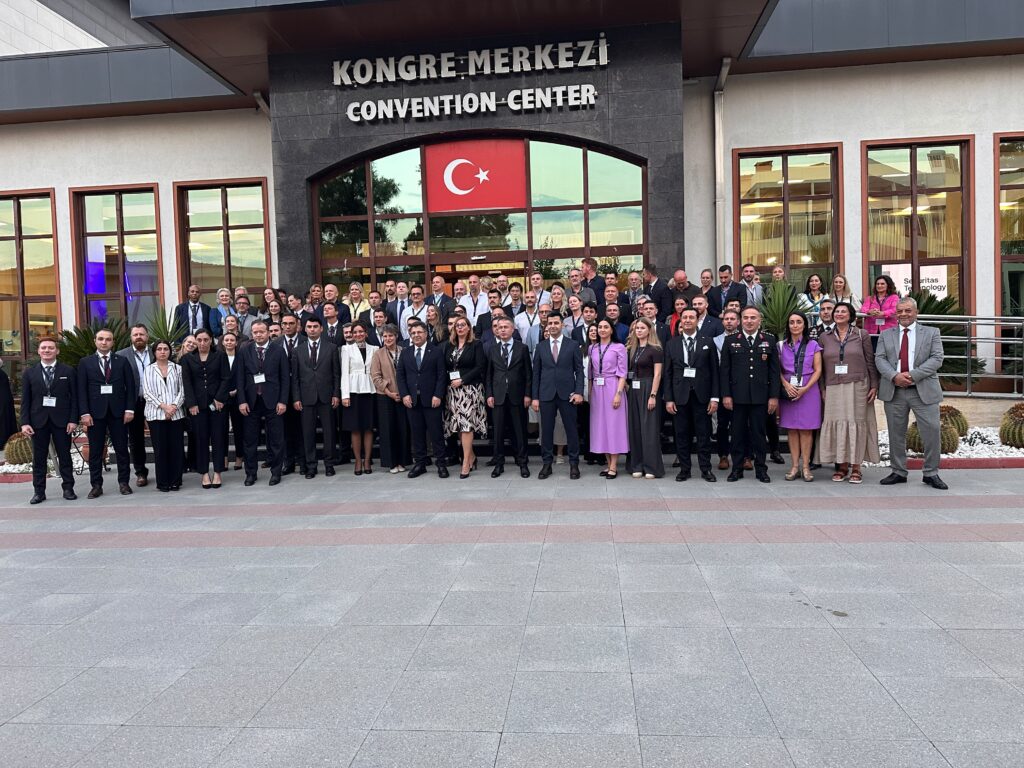
See the photos here
Recap video