

Previous Article
News
Maria Lindström looks back at her 2 years at CEP
Maria Lindström was seconded to CEP as a Policy Officer by the Swedish Prison and Probation Service (SPPS) for two years. In those years she participated in CEP Expert Meetings, took around 50 flights, participated in two EU projects, learned how to work with EU reporting and mastered the art of packing precisely enough luggage in the smallest suitcase possible. After two years Maria’s contract is coming to an end and soon her position will be open up for other CEP member organisations. What is it like to be seconded at CEP for two years? Maria tells you all about it!
Picture by Ulrika Persson, Kriminalvården
How did you come to apply for the position of seconded Policy Officer at CEP?
CEP and the Swedish Prison and Probation Service (SPPS) set up a collaboration in which they opened a vacancy at the CEP office for a SPPS officer to be seconded.
I have been working for SPPS for nearly twenty years. I really like my job, but I wanted to gain new perspectives on the work I do. In Sweden, like in many European countries, there is no other organisation working in the same sector, so you have to go international to gain experiences. That was the main reason why I applied for this position.
What did you not expect to before you started working in this position?
I think that I thought that it would be different. That it wouldn’t feel so familiar. When I was meeting probation workers from around Europe it was very surprising that we are all struggling with the same problems. There is like a common probation soul in Europe.
What where your main tasks?
My main tasks have been on topics regarding the EU Framework Decisions on probation transfers between EU countries. I also worked with the violent extremist offenders expert group, started the domestic violence expert group, started a network on education and training and also participated in the expert group on technology in probation.
What did you like the most?
I’m really interested in probation in general, so I think all these topics are interesting. But, violent extremist offenders are a favorite. I think it is very interesting how it works with this type of clients. In this case, European cooperation is extremely important. This is not a national problem, but a problem for Europe overall. Domestic violence is also very important problem for every country, which I thought was very interesting.
Did you have to learn a lot about these topics when you started to work for CEP?
I was a little bit surprised about it. When I met people all over Europe, a lot of things seem very familiar. All the topics are familiar to me, but of course I have deepened my knowledge and experience. For example, by reading research and learning about practices and methods in other countries. When it comes to terrorists and violent extremist offenders, being a part of RAN was helpful. This is the European network, working with these type of offenders. Taking part in different kind of meetings and events regarding the different topics was also very useful.
You were not working in the Dutch CEP office in Utrecht, but you were based in Sweden at SPPS. How did you experience the cooperation? And was it easy to get used to CEP, when you are not working in Utrecht?
I think it worked out really well. Of course it was a little bit hard in the beginning, but I think with all the digital platforms that we use to communicate it makes it easier. I am very pleased with the support I had from CEP, my colleagues are always there for me even though we are on a long distance physically. Good coaching and support is necessary to be successful in this job. Of course, it is important that you have a good office space to work from at your organisation. For me it has been good to work at the SPPS international office, because I have a good office base and colleagues that are working in a bit of the same field. My location at the international office has also been beneficial for SPPS.
You have been at CEP for almost two years now, what do you think is the most valuable thing that you learned?
It has both deepened and broadened my perspective. If you have been working for a while, you more or less think you know it all. What I have learned at CEP is, by seeing other countries, that there are many good solutions and methods that you can use while working in probation. There is not one country that has all the solutions, but there are a lot of different best practices around Europe.
What will you never forget from your time at CEP?
I think it is all the people that I met and the network that I built. There are a lot of good people working in probation around Europe that are really engaged with their work. Of course, I will also not forget my super colleagues at the CEP Office.
What do you see as you greatest accomplishment in the last two years?
It is hard for me to tell, maybe you should ask someone else. But I think we have been taking some steps regarding the framework decisions with the materials that we produced. This method could also be of importance to CEP with other topics. We introduced webinars for example and produced the first animated movie. I think I also brought my experience from the SPPS into the different discussions and also contributed with some extra structure in the organisation.
What will you bring back to SPPS when you leave CEP?
My perspective on things has really broadened. I will also take a very valuable network with me. And also a lot of other experiences that I had during all the conferences, meetings and other events that I have been to. It feels like I´ve been in every corner of Europe. This will hopefully give extra value to me and the SPPS.
Do you have something to tell to the next person that will be seconded as a CEP Policy Officer?
It is a role with a lot of variety. Sometimes you are working at very big events and have a lot of responsibility and other tasks are very administrative. You have to like to travel and not knowing what will be next. You also need to have a strong inner driving force and strong self leadership, since you work independently a majority of the time . If you work internationally there are always things that can surprise you. If you like to work like this, it is a super job to have.
I would also like to say: just do it. It is a great experience, you get great colleagues at CEP and you will learn a lot. If you have the chance to apply for the job, just do it.
More information about the job opening soon.

Related News
Keep up to date with the latest developments, stories, and updates on probation from across Europe and beyond. Find relevant news and insights shaping the field today.
New

Others
Applications for the Cambridge MSt in Applied Criminology, Penology and Management are now open
16/09/2026
The Institute of Criminology, Cambridge, have opened up applications for the MSt in Applied Criminology, Penology and Management in the next academic year.
Recap
Probation in Europe
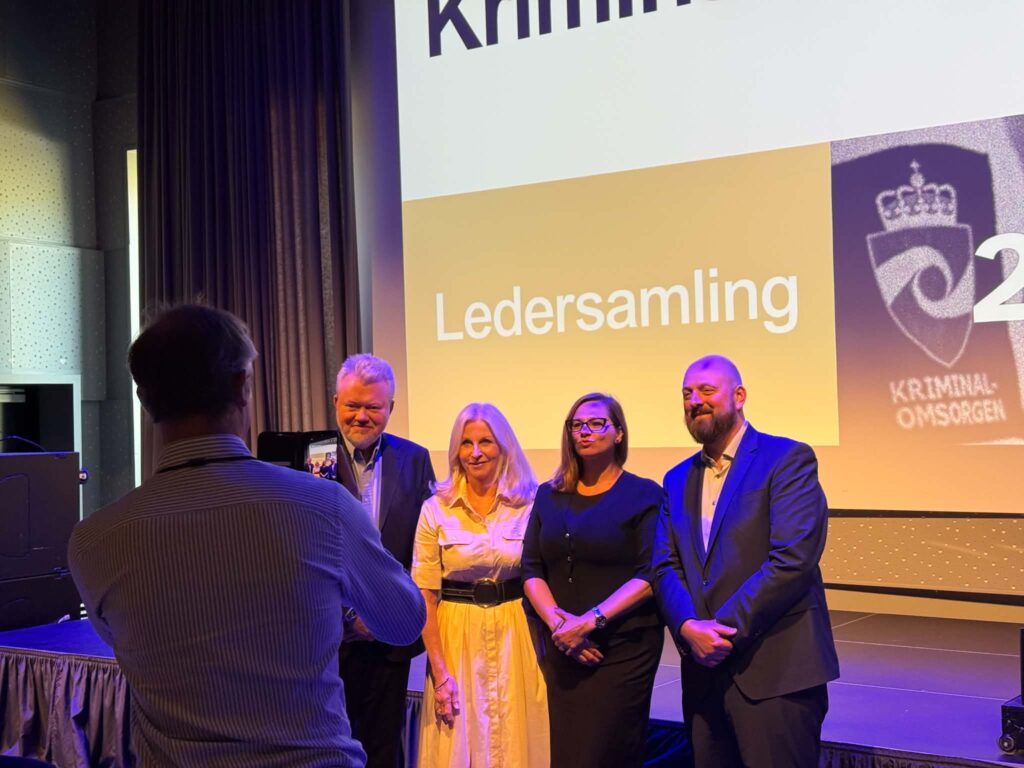
CEP at the Leadership Conference 2026
14/09/2026
CEP Secretary General Jana Špero Kamenjarin was delighted to participate in the Leadership Conference 2026 of the Norwegian Correctional Service, held on 9–10 September in Oslo.
Recap
Foreign Nationals in Prison and Probation
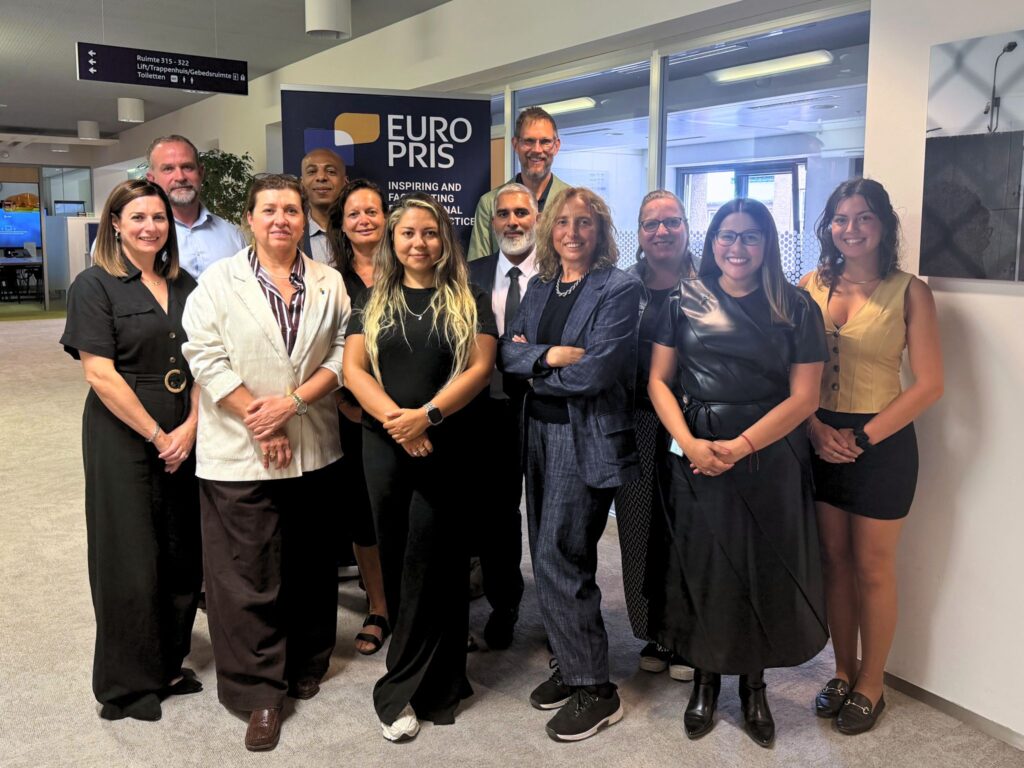
Recap: Expert Group of CEP and EuroPris, on Foreign Nationals in Prison and Probation (FNPP)
14/09/2026
On 7 and 8 September 2026 the joint Expert Group of CEP and EuroPris, on Foreign Nationals in Prison and Probation (FNPP), came together in The Hague for a valuable exchange of ideas, experiences, and expertise on one of the most important challenges facing prison and probation services across Europe.
New

CEP
Newsletter August 2026 out now
27/08/2026
CEP’s latest newsletter is out now! It includes:
- Approaching deadlines for upcoming events (ITSCCS26, 14th EM and DG leadership training) and the Mental Health curriculum pilot)
- Call for European Probation Journal on the topic of Workload in Probation
- EU documents like SPACE II, revised Victims’ Rights directive and so on
- and much more!
New

Caseload and workload
Do you work in probation? We need your voice!
24/08/2026
As part of its long-standing cooperation with research, CEP invites its members to contribute to a special edition of the European Probation Journal on the topic of Workload in Probation.
New

Alternatives to pre-trial detention, Foreign Nationals in Prison and Probation, Gender Equality, Probation in Europe
SPACE II report is now available
24/08/2026
The use of community sanctions and measures that allow individuals to remain in the community – also known as alternatives to imprisonment – continues to grow overall in Europe, although at a moderate pace, according to the latest Council of Europe annual penal statistics on persons under the supervision of probation agencies (2025 SPACE II survey).
Subscribe to our bi-monthly email newsletter!
"*" indicates required fields
- Keep up to date with important probation developments and insights.