

Previous Article
News
The International Desk of the Dutch Probation Service: What we do and how we work
The International Desk was founded in 2012. We perform executive, coordinating and advisory work regarding the transfers of probation measures within the European Union.
This article is written by Gisella Conrad, she has been working for the International Desk of the Dutch Probation Service since April 2016.
It was anticipated that the amount of transfer cases that the probation officers need to deal with would increase, that’s why the Netherlands opted for an International Desk as a source for information for probation officers nationwide. We support probation workers with information and advice on the European Framework Decisions 947, 829 and to a lesser extent 909. In concrete terms, this means that we provide them with information about the feasibility of conditional sentences in other EU countries. The probation officers consult us to determine whether a proposed conditional sentence is feasible in the other member state. Among other things we inform them about the time limits of the probation period. In addition, the International Desk serves as an information point for the central authority to review the enforceability of the sanctions within the Dutch Probation Service.
The International Desk has developed work descriptions (factsheets) for various parts of the probation service:
- The supervisor who has questions about an incoming supervision from another member state can approach the International Desk with these questions.
- A probation officer who has to draw up an advisory report on an EU citizen can approach us to discuss whether it is advisable to recommend a conditional sentence. If an advisory report has to be drawn up for the court hearing, we provide written instructions to the advisors that can be added to the advisory report. The written instruction briefly states that the advice, if imposed, can be transferred to another EU member state based on the Framework Decisions. The contact details of the central authority are also mentioned in the written instruction. There are also short lines that note all the parties that are involved.
- The community service employees also contact us regarding transfer requests of convicted persons.
The strength of the International Desk
What we notice is that we are approached on a daily basis by supervisors, advisers and the community service employees who have questions about European transfer cases. Often we explain procedures and how to deal with such transfer cases. We explain that having social ties in the country where the convicted person wants to perform his sentence is an important condition. We also check whether the person has an address in the country concerned. Furthermore, we explain to our colleagues what the further judiciary process looks like. We also provide presentations at probation offices in the country. We mainly visit the offices in the border areas that have many transfer cases in our neighboring countries.
The effect of our work is that our colleagues are more aware of feasible transfer requests.
Cooperation with Central Authority
Important to mention is that we consult with our central authority on a daily basis and approximately twice a year we set up a meeting. The cooperation between our organisations and on which points it needs adjustment are discussed. Details of current transfer cases are also discussed if necessary.
Important role of probation organizations
The probation service is an important partner in the transfer of sentences. We encourage other probation organisations in the European Union to investigate how they can play a constructive role in this matter in their own country. After all, there is no doubt that both the client and the society benefit from resocialisation in their own country.

Related News
Keep up to date with the latest developments, stories, and updates on probation from across Europe and beyond. Find relevant news and insights shaping the field today.
New
Technology
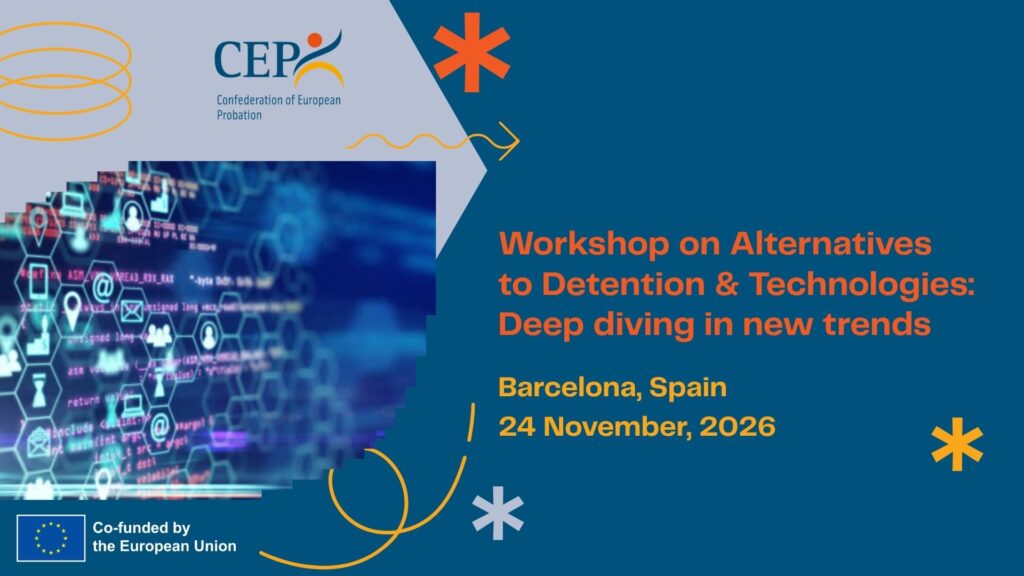
Registration deadline approaching: Join CEP’s final workshop of 2026 on technology in probation
22/10/2026
📢 Have you registered yet? CEP’s final workshop of 2026 takes place on 24 November in Barcelona, bringing together professionals to explore how technology is being used across probation services in Europe.
The Workshop on Alternatives to Detention and Technologies: Deep Diving into New Trends will look beyond artificial intelligence to examine the different ways technology is shaping probation practice, from staff training to working with clients and collaborating with other criminal justice partners.
Recap
Directors General Meetings
CEP Leadership Excellence Training: strengthening leadership and cooperation across Europe
22/10/2026
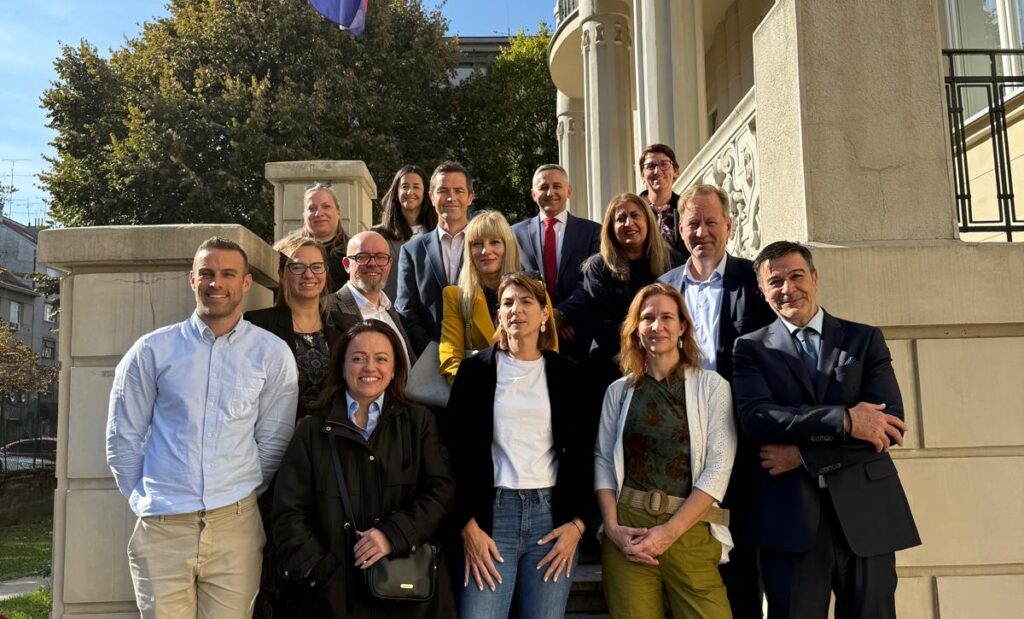
The CEP Leadership Excellence Training, held on 20–21 October in Zagreb, Croatia, brought together Directors General and senior probation managers from 11 European countries for a two-day interactive programme focused on leadership, communication, staff development, and international cooperation.
New

CEP
Call for Proposals: Evaluation of CEP Expert Groups
21/10/2026
On behalf of Ms. Jana Špero Kamenjarin, CEP Secretary General, it is my pleasure to invite you to submit a proposal to conduct an evaluation within the CEP work programme.
Recap
Uncategorized
CEP at UNODC: Contributing to the Development of Probation Services Worldwide
19/10/2026
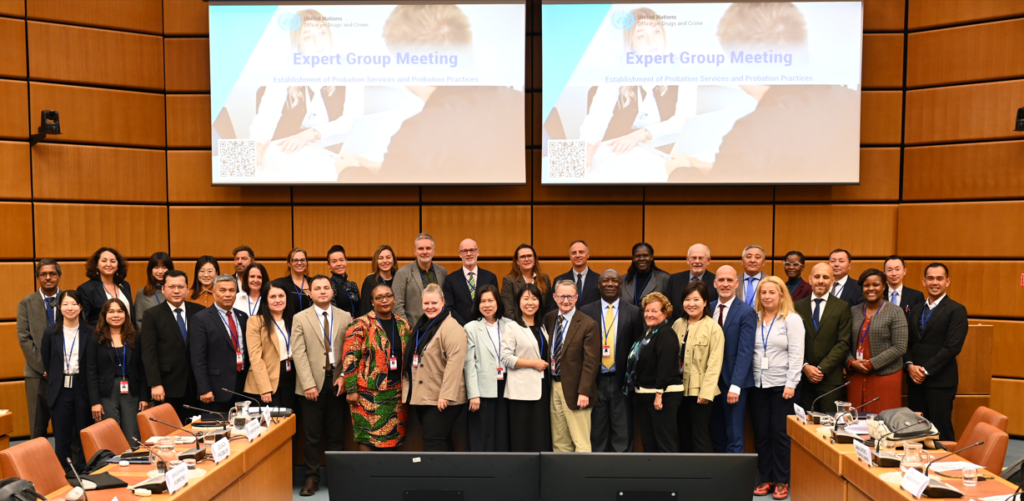
The Confederation of European Probation (CEP) was represented by its Secretary General, Jana Špero Kamenjarin, at the Expert Group Meeting on the Establishment of Probation Services and Probation Practices, organised by the United Nations Office on Drugs and Crime (UNODC) and held at the Vienna International Centre (VIC) from 12 to 14 October 2026.
Recap
Electronic monitoring, Technology
14th Electronic Monitoring Conference, Electronic Monitoring in a Changing World – Perception vs Reality
08/10/2026
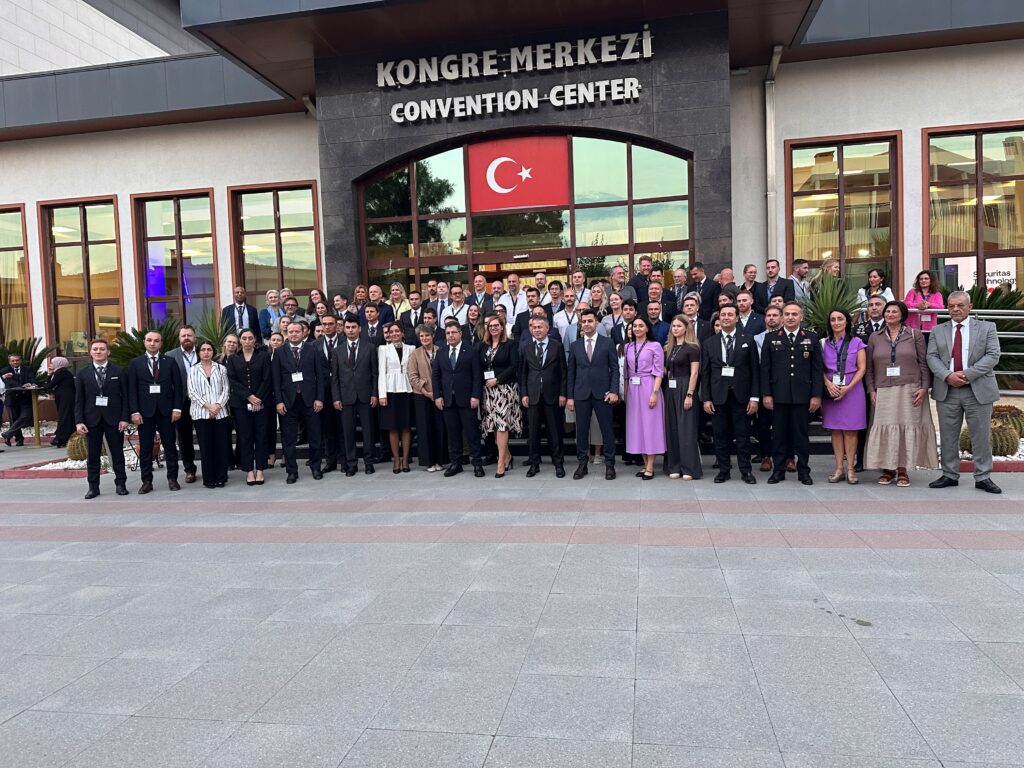
On 6-8 October 2026, Antalya hosted the 14th Electronic Monitoring Conference “Electronic Monitoring in a Changing World – Perception vs Reality”. More than 350 participants coming from 32 countries across Europe and worldwide representing probation services, Ministries of Justice, victims´ services, EM providers, researchers as well as local participants representing the Turkish Prison and Probation Service gathered to discuss how electronic monitoring (EM) is understood by all stakeholders involved including the victims and the public, and how these perceptions compare to the evidence and experiences of those affected. While the gap between perception and reality in electronic monitoring has been recognised for over a decade, the rapid expansion of EM into areas such as victim protection, high-risk supervision and digital innovation has brought new challenges and questions to the forefront.
Recap
ITSCCS
Core Correctional Skills in Digital Probation: highlights from the 6th ITSCCS in Barcelona
05/10/2026
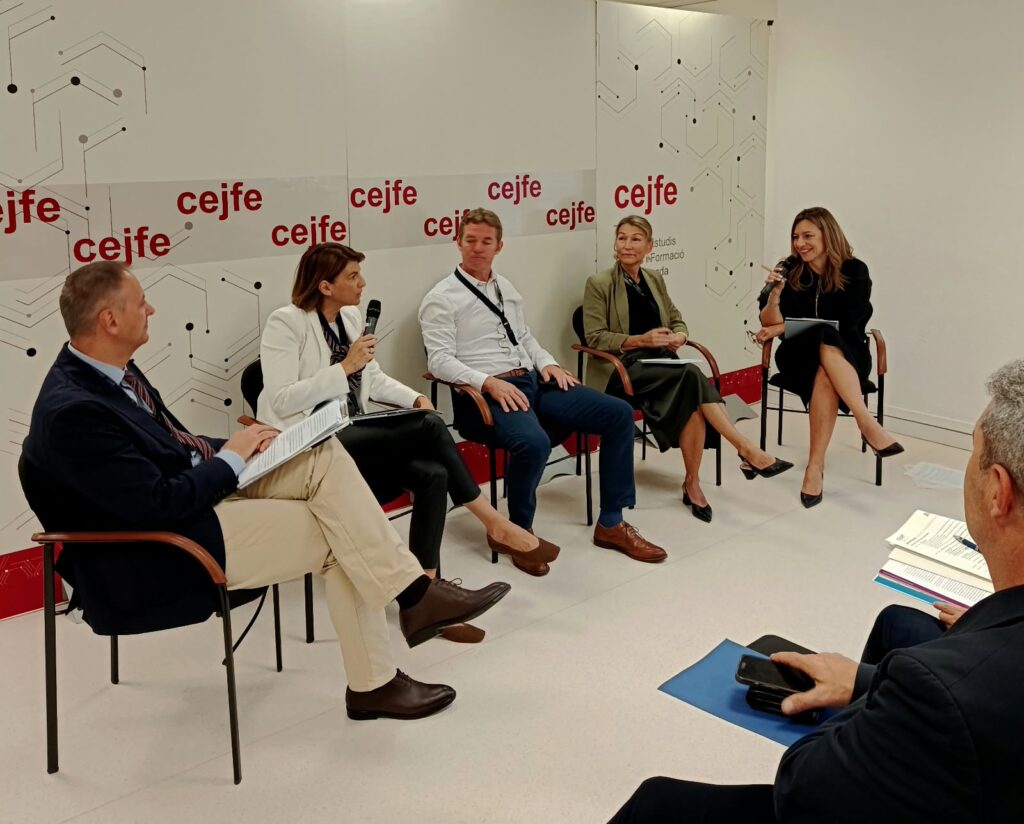
The sixth International Training School on Core Correctional Skills (ITSCCS) took place in Barcelona from 28 September to 2 October 2026, bringing together 26 participants for a week of learning, practical training and international exchange. Organised by the Confederation of European Probation (CEP) and the Centre for Legal Studies and Specialised Training (CEJFE), the programme focused on “Clicks and Empathy: Core Correctional Skills in Digital Probation.”
Subscribe to our bi-monthly email newsletter!
"*" indicates required fields
- Keep up to date with important probation developments and insights.