

Previous Article
News
Interview with new CEP board member Jana Bewersdorff
During the General Assembly in Austria, a new CEP Board got elected for the upcoming three years. In the coming weeks we will publish interviews with all newly-elected board members where they will share information on their professional background, how they would like to contribute, what challenges lie ahead and many more.
Enjoy reading!
Can you shortly introduce yourself?
My name is Jana Bewersdorff, and I have more than twenty years of experience in the criminal justice system, mainly in executive functions. Currently, I serve as Head of the Division for Probation at the Ministry of Justice of Schleswig-Holstein. In this role, I am responsible for supervising public and non-public probation services, coordinating and managing the budget of 40 national projects, and overseeing international projects and contacts within the department for detention and probation.
After my state examination in law, I began my professional career as a public prosecutor and later as a group leader specialising in sexual offences and juvenile criminal law. During this time, I took part in EU projects on restorative justice and served several times as a speaker and seminar instructor on victim-offender mediation and restorative justice. Later, I worked as a senior public prosecutor at the Office of the Attorney General with additional executive duties as a general coordinator for different projects in the field of penal law and rehabilitation (e.g. victim-offender mediation, domestic violence, juvenile law). Then, as Deputy Head of the Division for Probation at the Ministry of Justice, I contributed in the legislative procedure of the Schleswig-Holstein Act on Community Reintegration of Criminal Offenders and on Victim Protection. From 2021 to 2023, I was seconded to the Federal Ministry of Justice, Department of Penal Law, Division for Sexual Offences, where I had the opportunity to coordinate the EU Directive on combating violence against women and domestic violence for the government until the trilogue phase and represented Germany in the Lanzarote Committee, which monitors the Convention on the Protection of Children against Sexual Exploitation and Sexual Abuse.
These different roles and perspectives have enabled me to develop a comprehensive understanding of probation. What has shaped my professional profile most is working in systems that consistently prioritise rehabilitation, proportionality, and respect for human dignity.
Until I was elected to the CEP Board, I served as a board member of the German umbrella organisation for probation, the “DBH Fachverband e.V.” (DBH Professional Association for Social Work, Criminal Law and Criminal Policy). Since 2024, I have also been involved as a co-author of a commentary on social services in prisons.
I live in the centre of Hamburg with my husband. Our grown-up children live in Leipzig and Hamburg. In my spare time, I like to practise yoga, go hiking, read, and attend cultural events.
Why did you decide to run for the CEP Board?
I decided to run for the CEP Board because social penal law has always been a central focus of my professional work. I firmly believe the importance of a fair, effective, and humane criminal justice system.
Schleswig-Holstein follows a strict understanding of imprisonment as ultima ratio and has one of the lowest incarceration rates in Europe. This is not accidental; it is influenced by the tradition of our neighbours, the Nordic states, and it is the result of long-term investment in probation services and a highly professional network of public and non-governmental offender support organisations. Close cooperation, shared professional standards, and mutual trust enable effective supervision, sustainable rehabilitation, and meaningful victim protection. I am deeply convinced that probation and community sanctions are not a second-best solution but a highly effective response when implemented with clear standards, accountability, and professional expertise.
CEP represents the values that underpin this approach: belief in rehabilitation, commitment to evidence-based practice, respect for human dignity, and the importance of European cooperation. Many of the challenges probation services face today transcend national borders, including resource constraints, complex offender profiles, and rising expectations regarding victim protection and public safety.
When I attended a CEP Conference in Kiel in November 2023. I led a workshop and following the programme in person, I was impressed by the CEP Board and the enriching exchange with other participants from all over Europe. I very much appreciated working together with this group, as it brought together strong expertise and a genuinely supportive and energetic atmosphere. This matches my attitude. I would like to contribute my professional experience and strategic perspective to support the CEP Board and to strengthen probation’s voice at the European level. At the same time, I see Board membership as an exciting opportunity to learn from other systems and exchange good practices.
How would you like to contribute to the development of CEP in the upcoming three years, and what impact do you hope to have?
Overall, Germany has a well-functioning and reliable probation system that has grown over decades, and for more than 70 years we have also been able to rely on the rule of law. On the other hand, especially smaller countries are progressing much faster and developing innovative best practices that we would like to learn more about. This may be due to the federal structure, where sharing expertise and networking within the country is already challenging, so German experts seldom take part in European cross-border best practice exchanges and scientific cooperation. There may also be language barriers. I would be happy to facilitate more discussions about different probation approaches and projects.
My work experience has highlighted the importance of integrated, multi-agency approaches and clear professional standards. Over the coming years, I would like to bring these experiences into CEP’s activities and learn from other countries.
The impact I hope to have is stronger visibility of probation-based solutions at the European level, enhanced cooperation between member organisations, and increased confidence in community sanctions as a credible and effective alternative to imprisonment.
What are your main priorities or topics you would like to address as a CEP Board member, and how would you like to make use of your knowledge for the development of CEP?
A key priority for me is the integration of perpetrator counselling into probation practice as part of a comprehensive set of measures. From my perspective, such programmes can only be effective if they are embedded in clear legal frameworks, supported by professional standards, and accompanied by close inter-agency cooperation. This includes clear responsibilities, continuous quality assurance, adequate financial resources, and a strong focus on victim safety.
A particular focus of my current daily work lies in responding to domestic violence, especially in the development and implementation of perpetrator counselling programmes. Germany is currently implementing legislative reforms at both state and federal level, inspired by established models in Austria and Spain. These reforms require the integration of perpetrator counselling into a broader bundle of coordinated measures, including probation supervision, victim protection mechanisms, and close cooperation with specialised non-governmental organisations.
Another central issue is ensuring that probation is not only rhetorically supported but practically strengthened as a genuine alternative to imprisonment. Without well-resourced probation services and strong cooperation networks, principles such as imprisonment as ultima ratio risk remaining aspirational.
What are the challenges that lie ahead for CEP in the future?
CEP faces significant challenges in the coming years. Probation services across Europe are confronted with limited financial and human resources and growing expectations regarding public safety, accountability, and victim protection. These developments place considerable pressure on probation systems and require continuous adaptation and innovation.
At the same time, European criminal justice policy is evolving, with new legal frameworks and political priorities influencing national probation systems in different ways. Ensuring coherence between European standards and national practice, while respecting diversity between systems, will remain a key challenge.
CEP has a crucial role to play in addressing these challenges by fostering cooperation, promoting evidence-based practice, supporting professional standards, and advocating for probation as a cornerstone of modern European criminal justice systems.

Related News
Keep up to date with the latest developments, stories, and updates on probation from across Europe and beyond. Find relevant news and insights shaping the field today.
Recap
Electronic monitoring, Technology
14th Electronic Monitoring Conference, Electronic Monitoring in a Changing World – Perception vs Reality
08/10/2026
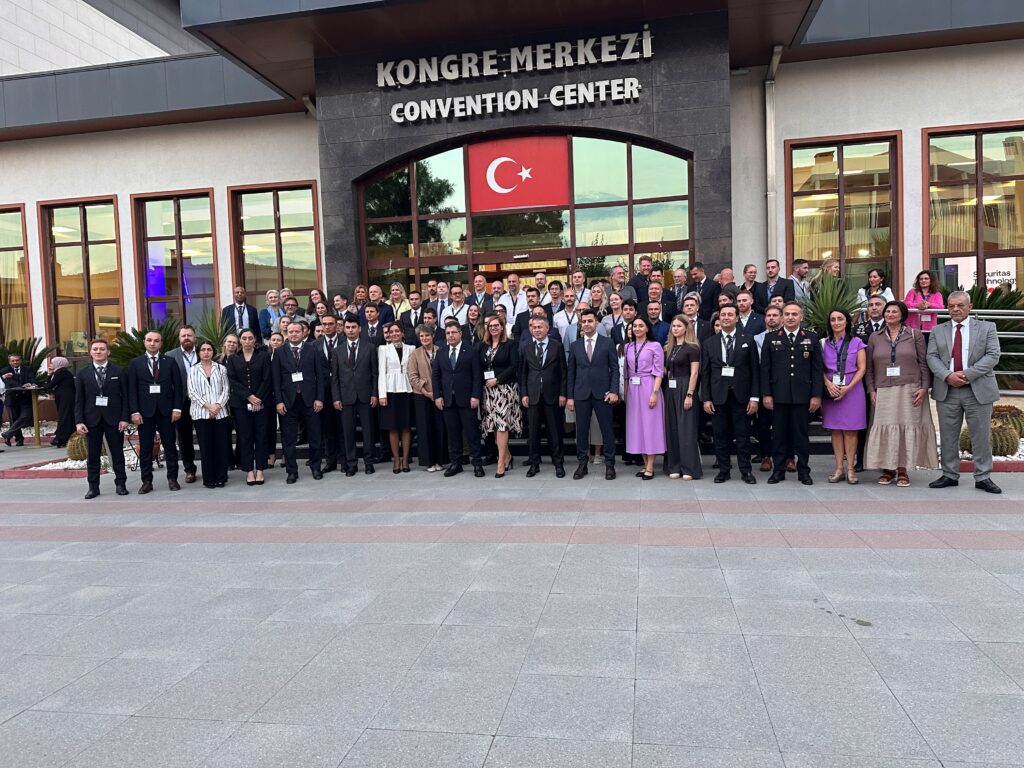
On 6-8 October 2026, Antalya hosted the 14th Electronic Monitoring Conference “Electronic Monitoring in a Changing World – Perception vs Reality”. More than 350 participants coming from 30 countries across Europe and worldwide representing probation services, Ministries of Justice, victims´ services, EM providers, researchers as well as local participants representing the Turkish Prison and Probation Service gathered to discuss how electronic monitoring (EM) is understood by all stakeholders involved including the victims and the public, and how these perceptions compare to the evidence and experiences of those affected. While the gap between perception and reality in electronic monitoring has been recognised for over a decade, the rapid expansion of EM into areas such as victim protection, high-risk supervision and digital innovation has brought new challenges and questions to the forefront.
Recap
ITSCCS
Core Correctional Skills in Digital Probation: highlights from the 6th ITSCCS in Barcelona
05/10/2026
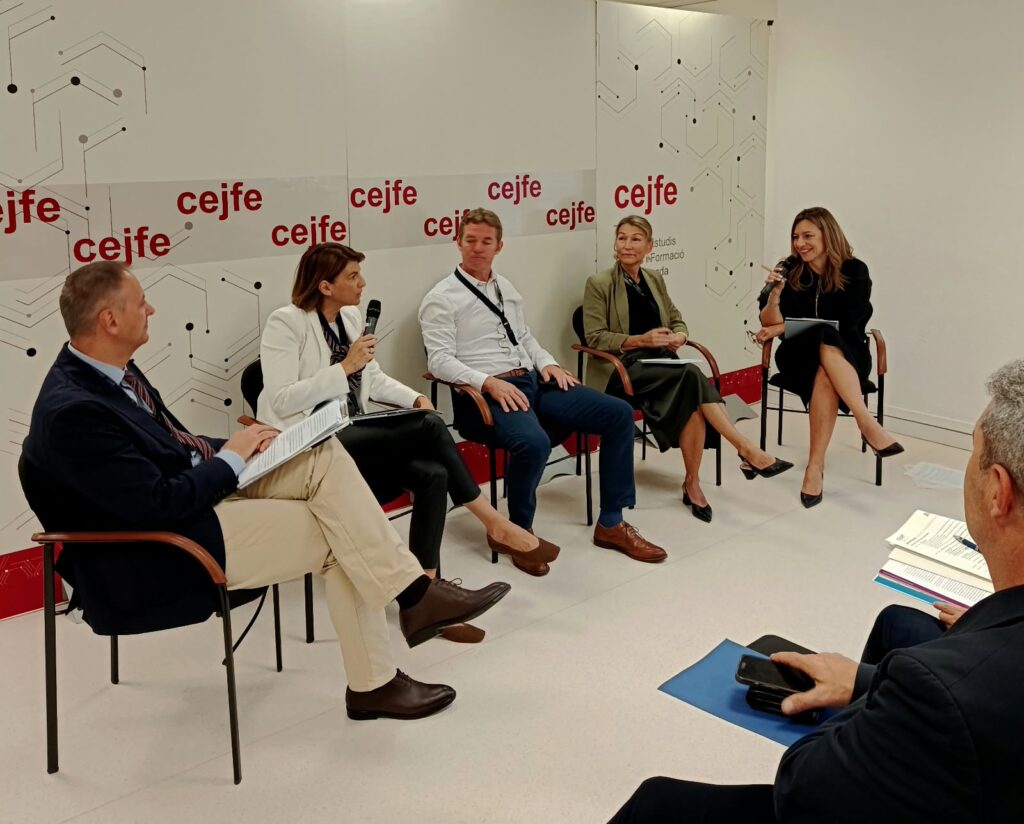
The sixth International Training School on Core Correctional Skills (ITSCCS) took place in Barcelona from 28 September to 2 October 2026, bringing together 26 participants for a week of learning, practical training and international exchange. Organised by the Confederation of European Probation (CEP) and the Centre for Legal Studies and Specialised Training (CEJFE), the programme focused on “Clicks and Empathy: Core Correctional Skills in Digital Probation.”
Recap
Framework Decisions
Recap: ERA workshop on Framework Decisions 829 and 947 in Bucharest
02/10/2026
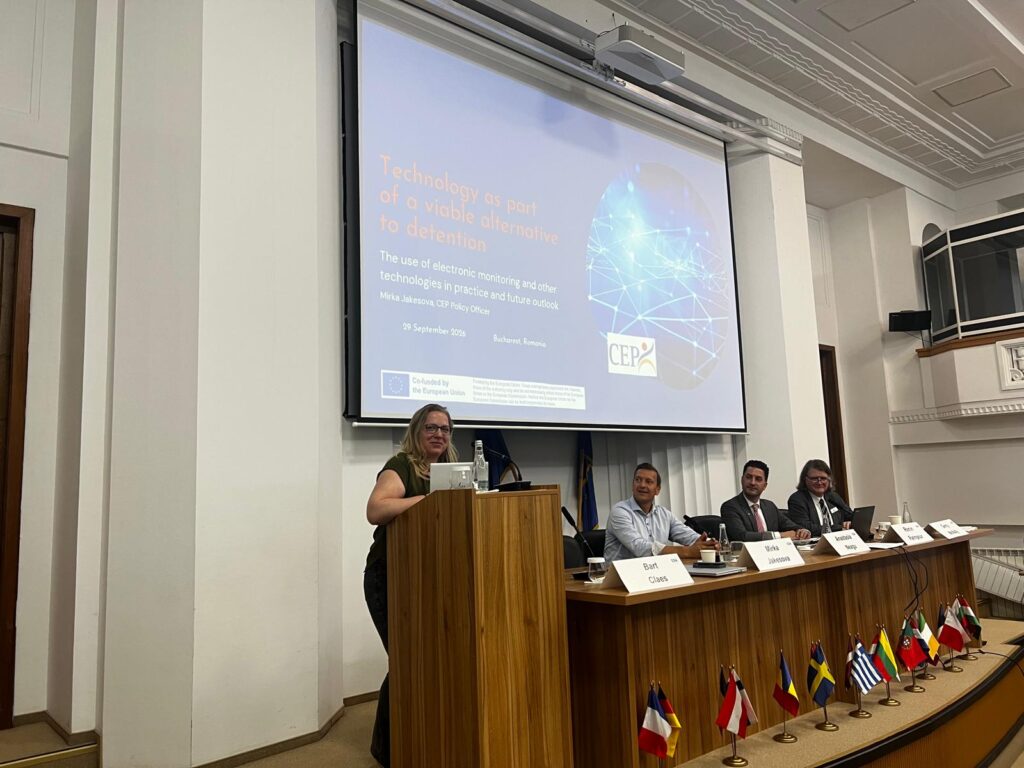
CEP Vice-President Daniel Danglades, Ambassador Gerry McNally and Policy Officer Mirka Jakesova participated in the Seminar on Framework Decisions 829 and 947 and their Impact on Alternatives in the EU organized under the EU project run by the Academy of European Law on 28-29 September in Bucharest, Romania. The seminar brought together judges, prosecutors, probation practitioners, academics, and policy experts to discuss the growing role of alternatives to detention within European criminal justice systems.
New
CEP
CEP and Catalan justice leaders reaffirm longstanding cooperation
29/09/2026
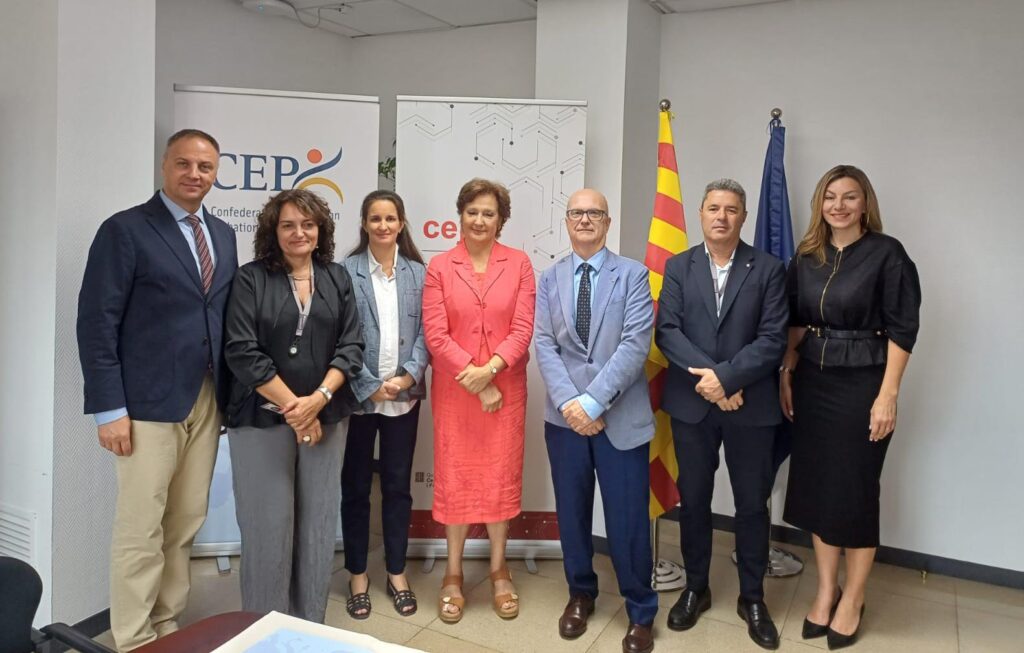
Representatives of the Confederation of European Probation (CEP) met with senior officials from the Catalan Department of Justice and Democratic Quality in Barcelona on 28 September 2026, alongside the opening of the sixth International Training School on Core Correctional Skills. The meeting offered an opportunity to recognise a longstanding partnership and discuss its continued development.
Updated
Mental Health
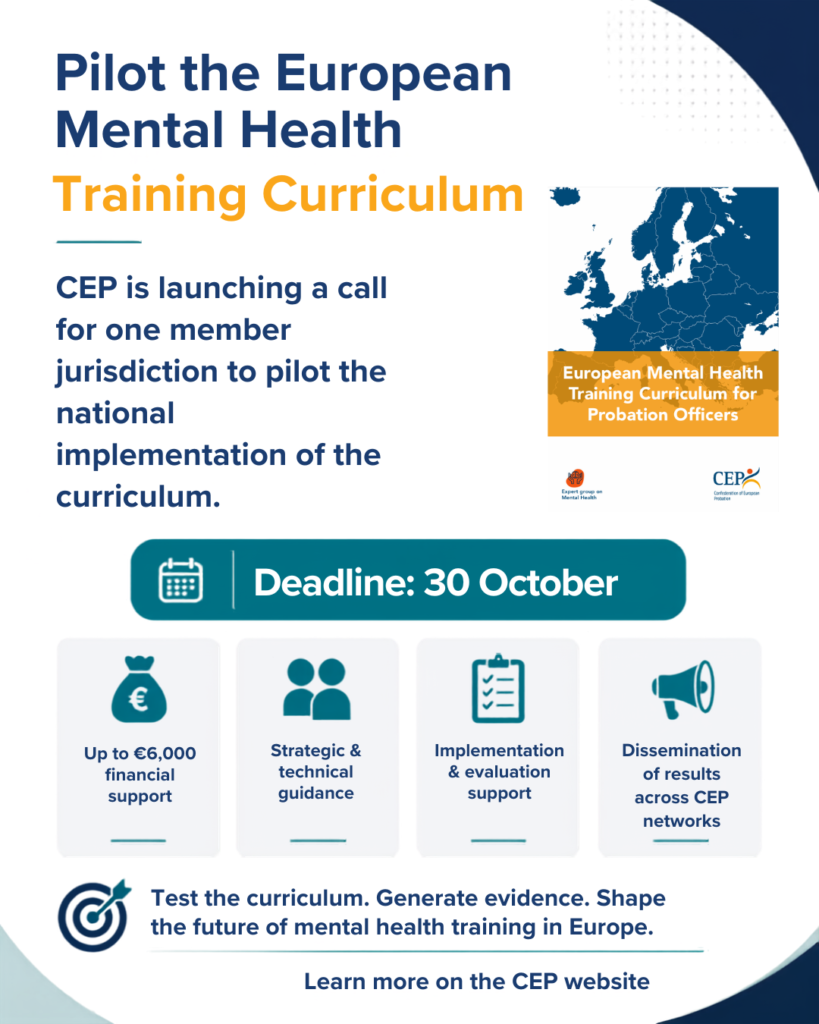
DEADLINE EXTENDED: Call for Pilot Implementation of the European Mental Health Training Curriculum
29/09/2026
Good news for CEP members! Following requests from our members, CEP has extended the deadline to apply for the pilot implementation of the European Mental Health Training Curriculum for Probation Officers.
Recap

ITSCCS, Technology
6th International Training School opens in Barcelona with a focus on digital probation
28/09/2026
How can probation professionals use new technologies in their interactions while building trust, showing empathy and supporting change? This question is at the heart of the sixth International Training School on Core Correctional Skills, which opened in Barcelona on 28 September 2026.
Subscribe to our bi-monthly email newsletter!
"*" indicates required fields
- Keep up to date with important probation developments and insights.