

Previous Article
News
Innovation in probation: a pilot on the feasibility of e-guidance for juveniles
To change criminal behaviour, motivation, time, attention, practice and feedback are the ingredients for success. Especially youngsters can find it difficult to change their behaviour. Many regions in their brain are still developing, meaning they have less cognitive control than adults when it comes to attention, thoughts and behaviour. Mayke Mol and Janine Plaisier, (GGZinGeest & Impact R&D) have conducted a pilot for an innovative automated and personalised computer system that probation officers can use to remind youngsters of their goals and give them exercises. We spoke to Mayke Mol about how they conducted the pilot.
Impact R&D is an organisation that focusses on research and development of methods for behavioural change. “In order to reduce recidivism, the prison system and probation organisations try to change the behaviour of offenders. Current methods that aim to do so, such as risk assessment instruments, probation supervision and behavioural interventions, are based on scientific insights. The results of these methods are fairly consistent, but limited. International research suggests that effective behavioural interventions for offenders generally lead to approximately 10-25% less recidivism, but sometimes also have no, or even negative, effects. As Impact R&D has extensive experience in researching the impact of behavioural interventions, we decided to investigate how current results could be improved.” This is when they came up with the idea for e-guidance.
According to Mayke Mol, until now, there has been no form of well-researched e-guidance developed that is aimed completely at the offender, is customisable and deals not just with practical matters, but is genuinely aimed at achieving goals and learning how to behave in a different way. The e-guidance system was tested on 46 boys, of which 35 were under supervision of juvenile probation services and 11 had voluntarily requested help at an institution for social work and child protection.
The e-guidance system
E-guidance is a tool for probation officers that they can use in addition to their normal daily tasks. “The main goal was to develop a tool that motivates youngsters to work on the things they have learned during the hours they have spend with their probation officer. They receive semi-automatically regulated text messages, for example to remind them of their goals or to give them an exercise to stay motivated.” The messages are scheduled beforehand and send via a customised calendar. The person that produces the messages always takes the schedule of the offender and his needs into account. The text messages can always be adjusted after scheduling them.
Some of the messages contain a question to the offender. The answers that are send back, are moderated and in case it is necessary, the probation officer will be alarmed.
The experiences
After the pilot was conducted the participants were asked for their opinion on the e-guidance tool. “Most of the youngsters were positive. Our main goal was to find the right tone of voice in our messages and it is good to hear we succeeded. The youngsters found it helpful to get exercises, for example about their future and about what kind of studies they want to do in the future. They also appreciated positive support and feedback. A small group of offenders did not appreciate the messages, but we already expected that one method will never work for an entire group.”
The probation officers were also asked for their experiences. “The e-guidance tool was produced for the final phase of the probation process, but the probation officers would have found it already very useful from the start.”
This research was aimed at testing the feasibility of e-guidance. Future research can test the effect of e-guidance on the youngsters.

Related News
Keep up to date with the latest developments, stories, and updates on probation from across Europe and beyond. Find relevant news and insights shaping the field today.
Recap

Probation in Europe, Technology
CEP represented the Probation Sector at the European Judicial Training Conference on Digital Justice @2030
03/03/2026
On 26–27 February 2026, the European Commission organised the European Judicial Training Conference “Creating a Supportive Environment for Digital Justice @2030” in Nicosia, Cyprus, under the auspices of the Cypriot Presidency of the Council of the EU and in cooperation with the Cyprus Judicial Training School.
New

Uncategorized
Newsletter February 2026 out now
27/02/2026
CEP’s latest newsletter is out now! Articles on the Interactive European map of probation education and training institution contacts, Registration open for the Workshop on Caseload and Workload and 14th Conference on Electronic Monitoring and more. >> Read here
New
Probation in Europe
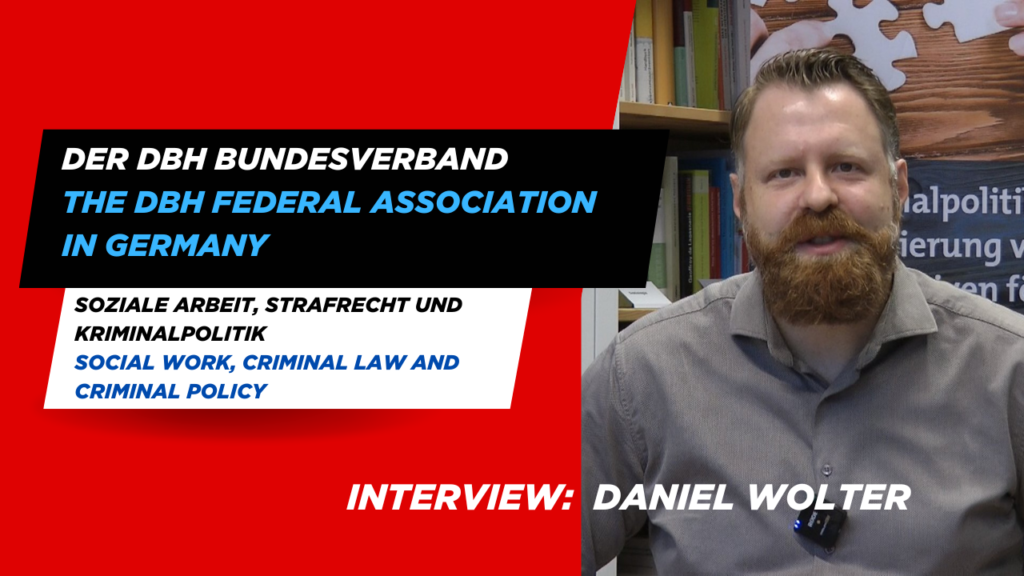
New Division episode: Daniel Wolter on the DBH Federal Association
23/02/2026
The 18th episode of Division_Y features Daniel Wolter, Director of the DBH Federal Association for Social Work, Criminal Law and Criminal Policy, based in Cologne, Germany.
New
Victims rights
European Day for Victims of Crime
23/02/2026
Yesterday, 22 February, marked the European Day for Victims of Crime.
At CEP, we recognise that crime causes harm to individuals and communities. Probation work focuses on accountability, rehabilitation and reducing reoffending, contributing to the prevention of further victimisation.
CEP Board
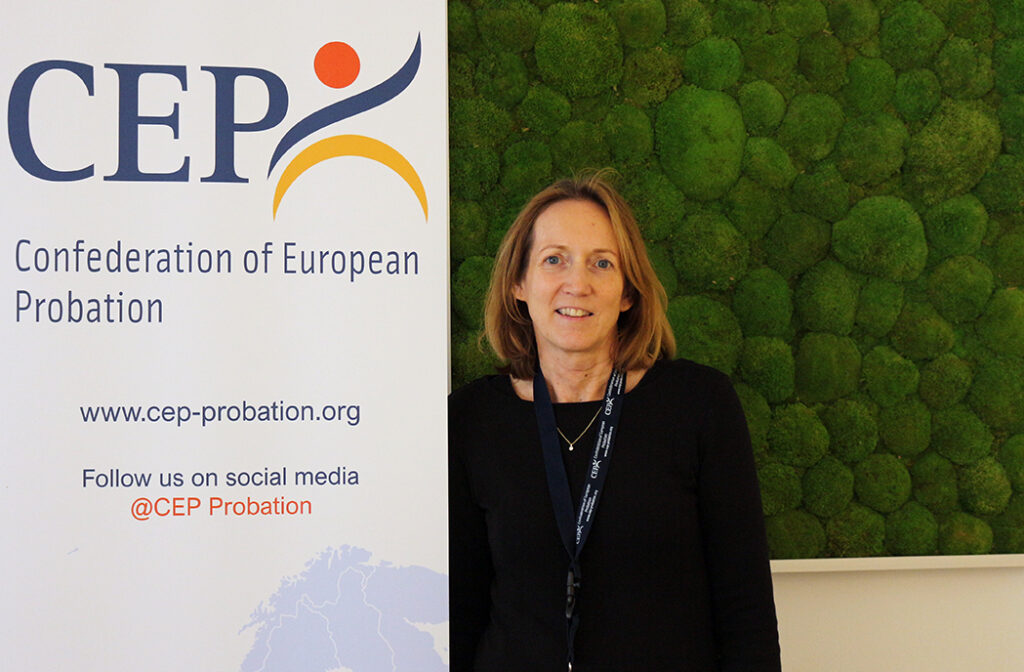
Interview with new CEP board member Jana Bewersdorff
19/02/2026
During the General Assembly in Austria, a new CEP Board got elected for the upcoming three years. In the coming weeks we will publish interviews with all newly-elected board members where they will share information on their professional background, how they would like to contribute, what challenges lie ahead and many more.
Enjoy reading!
Recap
Research
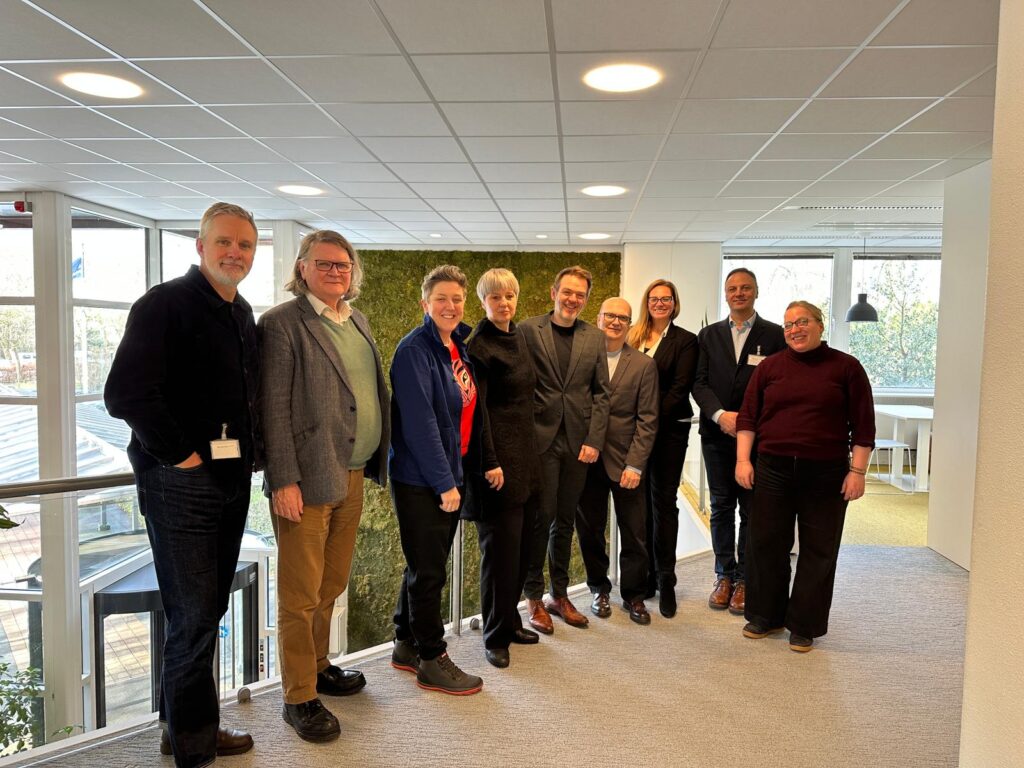
Recap: Expert group on Research
18/02/2026
The Expert Group on Research met on 17 February at the CEP office in Utrecht, The Netherlands, for its annual face‑to‑face meeting.
Subscribe to our bi-monthly email newsletter!
"*" indicates required fields
- Keep up to date with important probation developments and insights.