

Previous Article
News
Reflections on the Covid-19 crisis by Northern Ireland probation officer Pauline McMillan
In December 2019, I moved into a prison setting, after over 28 years as a community-based probation officer in Northern Ireland. Based in a large open plan office in a custodial setting I had the benefit of being able to access two digital case management systems and was able to work directly with experienced colleagues. I asked questions and learnt from colleagues – working together in close proximity was crucial in adapting to this new role.
Risk, Rights and Resourceful Resilience
Indeed collaborative working in a multi-disciplinary environment is at the heart of what we do. We work closely with prison staff colleagues, psychology, health care and a range of voluntary sector organisations involved in providing programmes. I was just starting to think I was getting the hang of the new role when the Coronavirus pandemic broke out and I suddenly found myself working in a completely different way.
Covid-19 concerns and fears
At the beginning of March, there were growing concerns and fears expressed by staff and service users about how they might be impacted by this disease. Being a ‘key worker’ in a prison setting brought new problems to be resolved, such as hand washing and accessing hand sanitiser when you have so many gates and biometric palm readers to negotiate in a prison setting. The very person centred greeting of a handshake became a virtual wave.
By 18th March, following the introduction of government guidelines on social distancing, probation officers had to leave the prison setting. Individuals who were progressing towards release on life licence and living in open conditions in the community had to be returned to closed conditions. I spoke to each of those people and their responses covered a range of human responses – from frustration and fear of returning, to resilience in stating that they had coped with closed conditions in the past and could do so again.
Our risk assessment process with individuals now took particular cognisance of mental health concerns, abusive situations, and child protection issues, which we knew would be impacted by these new restrictive conditions and social distancing.
New ways of communicating
Collaboration and communication were now of critical importance. As we were deployed to work from home the importance of embracing new technologies really came to the fore.
Initially we used emails and conference calls to speak to service users and colleagues. Our managers had agreed a Whatsapp group to enable us to communicate with each other and update current work situations. As a team we continue to link in with each other and update information and share information from other organisations.
While technological advances in platforms such as Zoom, Facetime, Skype etc allow communication between staff and some service users, those without the technology on their phones for risk management reasons have to rely on phone calls and texts messages. Indeed, I have continued to use traditional postal services for some clients.
App ‘changing lives’
In order to support our service users, from a distance, many colleagues in the community continue to use the PBNI App ‘changing lives’ – with resources on mental health and addictions and contact numbers available to all. Staff are becoming very creative in how they link in with service users by phone and have been sending links to reading material and resources as well as mindfulness exercises. On a recent call with a service user in the community he talked about his ability to use his coping skills and techniques acquired through mindfulness to appreciate the small things like sunshine and plan for each day at a time. He intends to grow vegetables to share with his neighbour and it is clear that he is making constructive use of his time, getting into the open air and encouraging a sense of social responsibility. This individual, with the right support, has been able to reframe how the Covid 19 situation has impacted upon him and allowed time for change.
Support for service users
Importantly staff have also been providing support to service users linking them into food banks and support services as needed and providing information on groups who can deliver essential items such as food and medication in each locality.
As a registrant with the Northern Ireland Social Care Council I am aware of additional resources that have been shared to help people deal with a sense of loss and in practical advice about talking about death and isolation. For example the “Hope, Hints and “How to” resource which can be found at https://niscc.info/news/329-new-learning-zone-resource is particularly useful in helping us all respond to living and dying issues during COVID-19.
During this difficult period, probation staff have been able to use their skills and resources to refocus and reprioritise their work. All probation officers in PBNI are qualified social workers and we have been able to use our skills to adapt our approach and continue to provide an individualised service to all service users. PBNI has come together with a ‘can do’ attitude and a compassionate approach to deliver essential services, support service users and support one another. This has been an unprecedented time and one which will undoubtedly impact on how we deliver services well into the future.

Related News
Keep up to date with the latest developments, stories, and updates on probation from across Europe and beyond. Find relevant news and insights shaping the field today.
Recap
Electronic monitoring, Technology
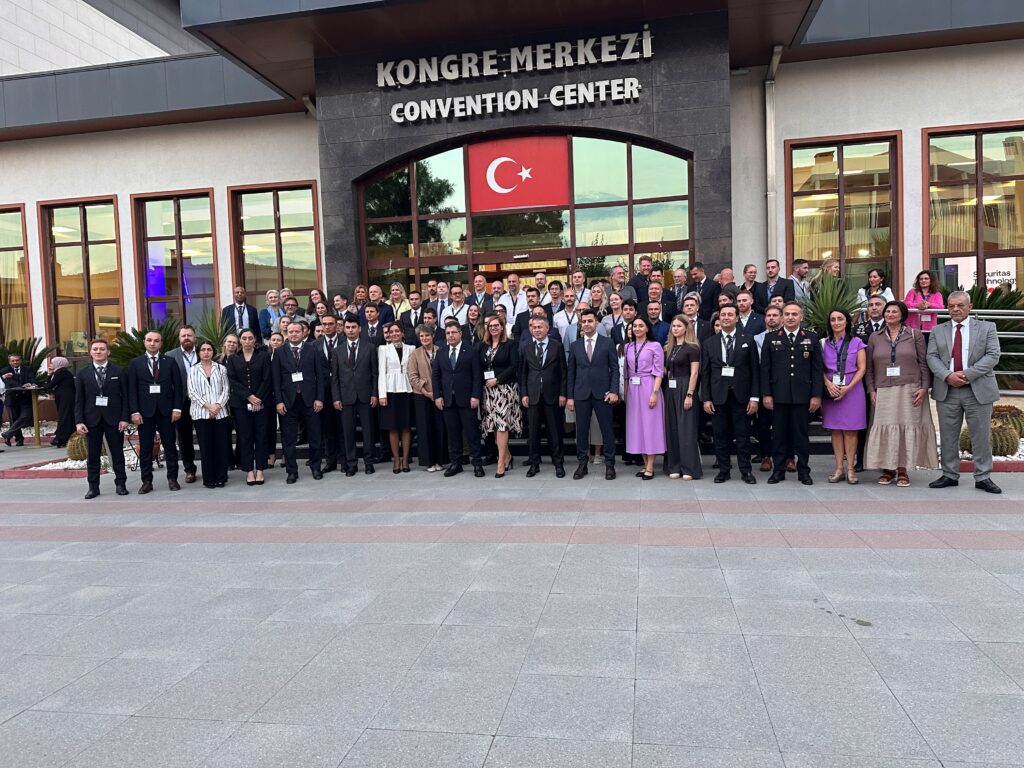
14th Electronic Monitoring Conference, Electronic Monitoring in a Changing World – Perception vs Reality
08/10/2026
On 6-8 October 2026, Antalya hosted the 14th Electronic Monitoring Conference “Electronic Monitoring in a Changing World – Perception vs Reality”. More than 350 participants coming from 30 countries across Europe and worldwide representing probation services, Ministries of Justice, victims´ services, EM providers, researchers as well as local participants representing the Turkish Prison and Probation Service gathered to discuss how electronic monitoring (EM) is understood by all stakeholders involved including the victims and the public, and how these perceptions compare to the evidence and experiences of those affected. While the gap between perception and reality in electronic monitoring has been recognised for over a decade, the rapid expansion of EM into areas such as victim protection, high-risk supervision and digital innovation has brought new challenges and questions to the forefront.
Recap
ITSCCS
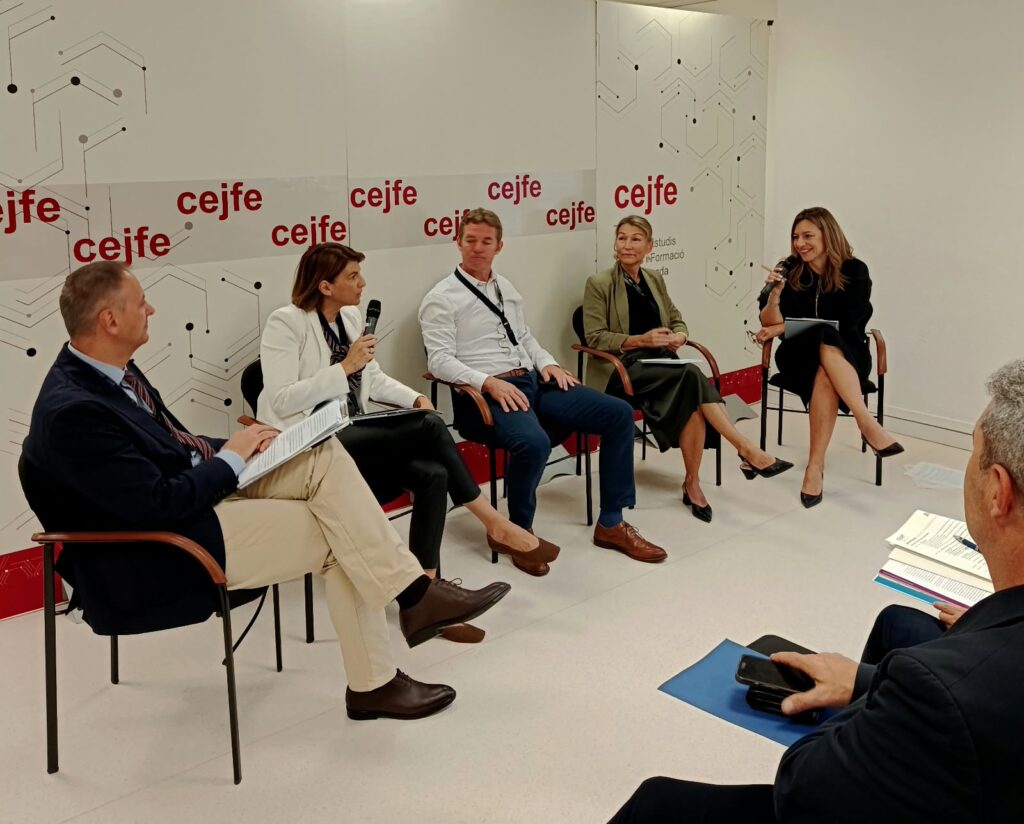
Core Correctional Skills in Digital Probation: highlights from the 6th ITSCCS in Barcelona
05/10/2026
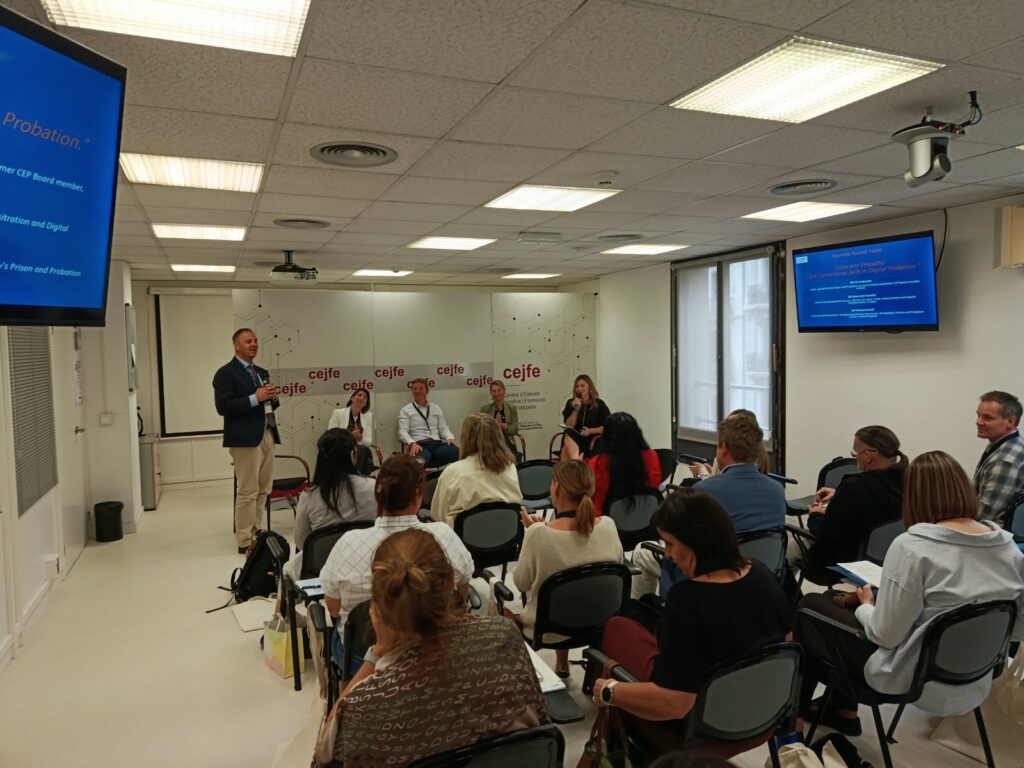
The sixth International Training School on Core Correctional Skills (ITSCCS) took place in Barcelona from 28 September to 2 October 2026, bringing together 26 participants for a week of learning, practical training and international exchange. Organised by the Confederation of European Probation (CEP) and the Centre for Legal Studies and Specialised Training (CEJFE), the programme focused on “Clicks and Empathy: Core Correctional Skills in Digital Probation.”
Recap
Framework Decisions
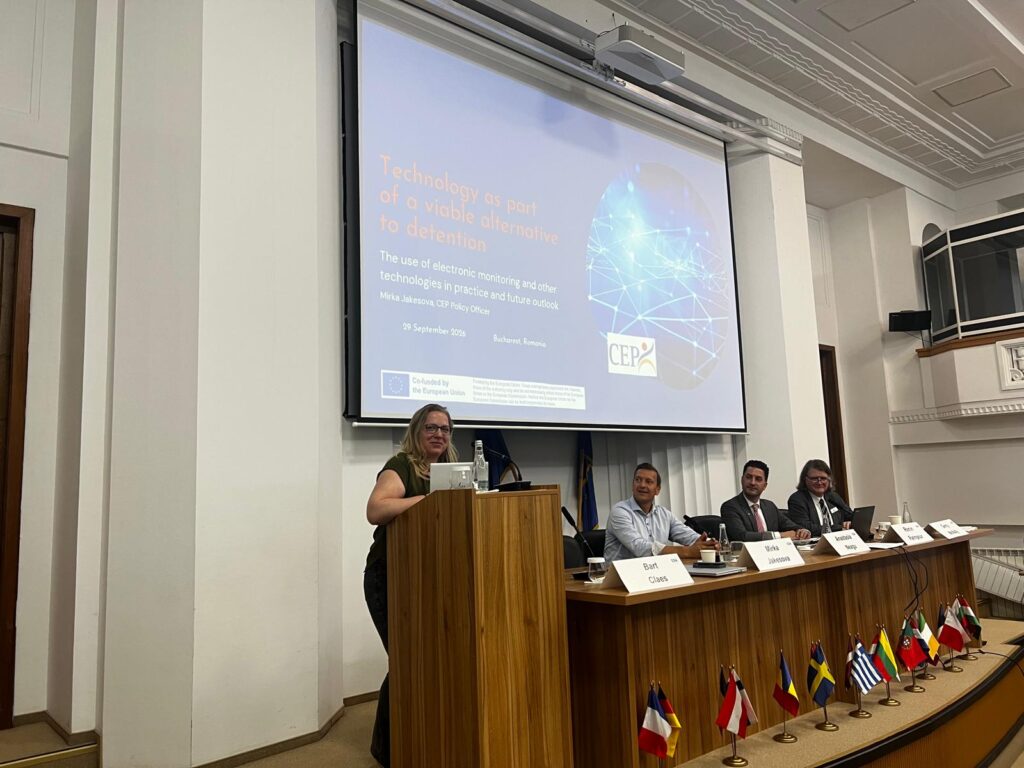
Recap: ERA workshop on Framework Decisions 829 and 947 in Bucharest
02/10/2026
CEP Vice-President Daniel Danglades, Ambassador Gerry McNally and Policy Officer Mirka Jakesova participated in the Seminar on Framework Decisions 829 and 947 and their Impact on Alternatives in the EU organized under the EU project run by the Academy of European Law on 28-29 September in Bucharest, Romania. The seminar brought together judges, prosecutors, probation practitioners, academics, and policy experts to discuss the growing role of alternatives to detention within European criminal justice systems.
New
CEP
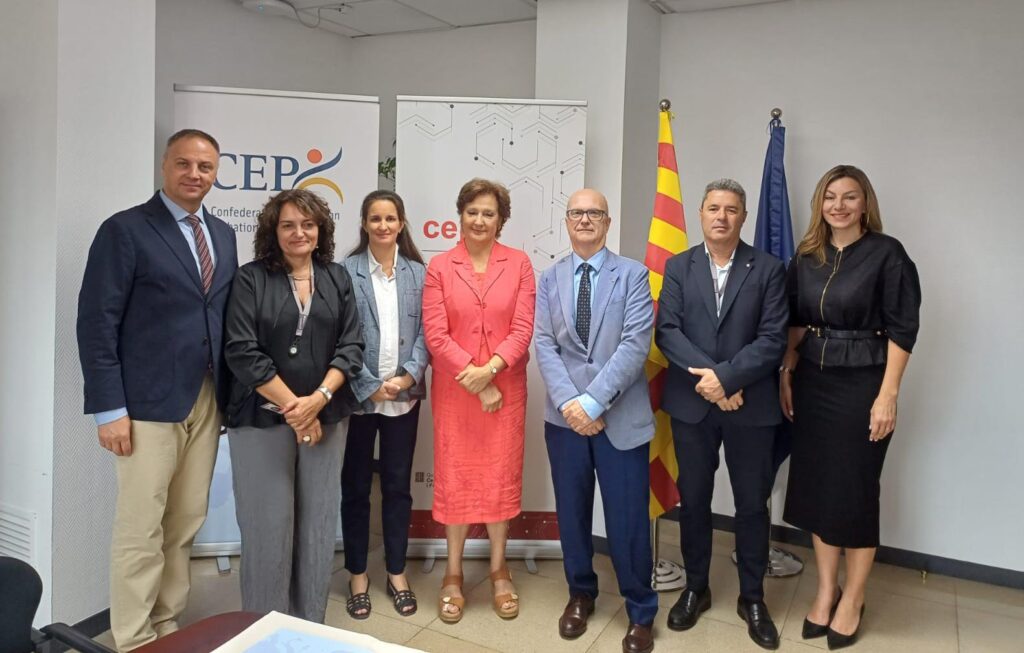
CEP and Catalan justice leaders reaffirm longstanding cooperation
29/09/2026
Representatives of the Confederation of European Probation (CEP) met with senior officials from the Catalan Department of Justice and Democratic Quality in Barcelona on 28 September 2026, alongside the opening of the sixth International Training School on Core Correctional Skills. The meeting offered an opportunity to recognise a longstanding partnership and discuss its continued development.
Updated
Mental Health
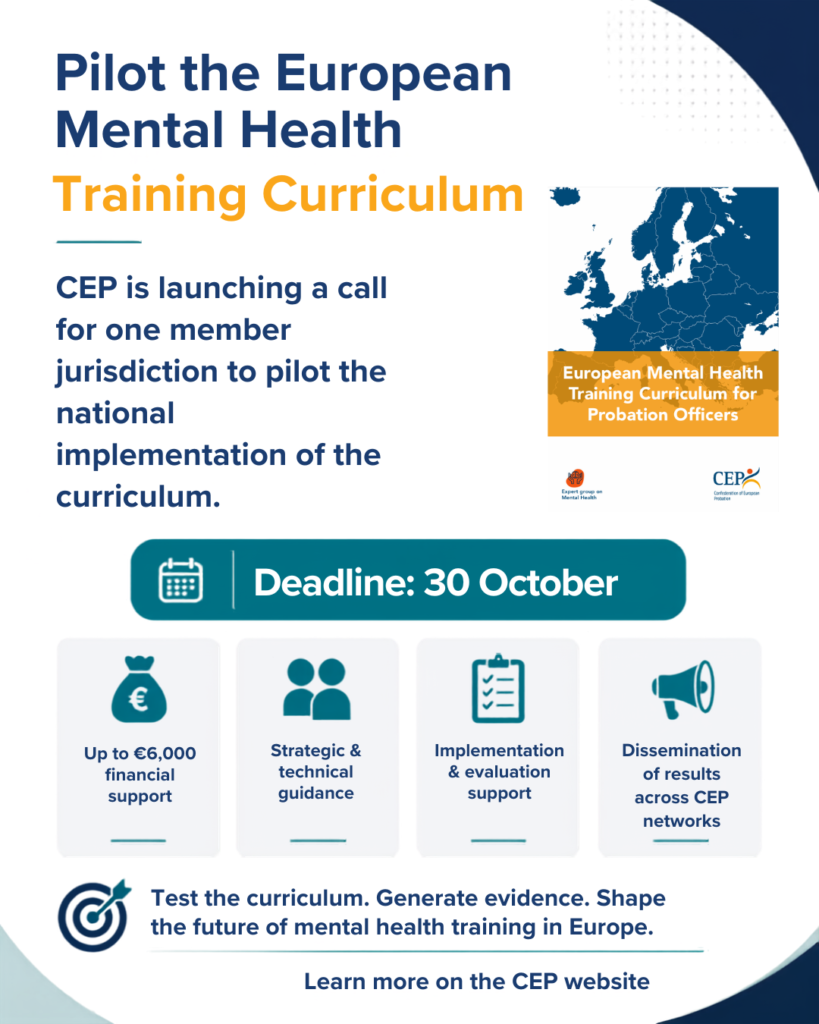
DEADLINE EXTENDED: Call for Pilot Implementation of the European Mental Health Training Curriculum
29/09/2026
Good news for CEP members! Following requests from our members, CEP has extended the deadline to apply for the pilot implementation of the European Mental Health Training Curriculum for Probation Officers.
Recap
ITSCCS, Technology
6th International Training School opens in Barcelona with a focus on digital probation
28/09/2026
How can probation professionals use new technologies in their interactions while building trust, showing empathy and supporting change? This question is at the heart of the sixth International Training School on Core Correctional Skills, which opened in Barcelona on 28 September 2026.
Subscribe to our bi-monthly email newsletter!
"*" indicates required fields
- Keep up to date with important probation developments and insights.