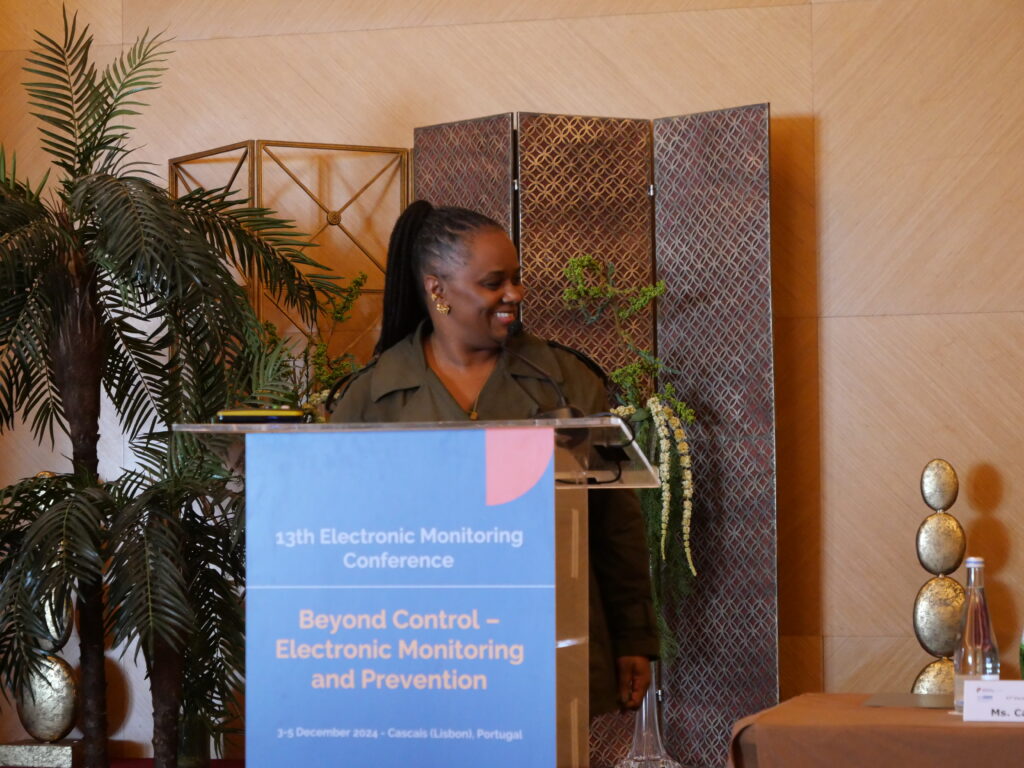
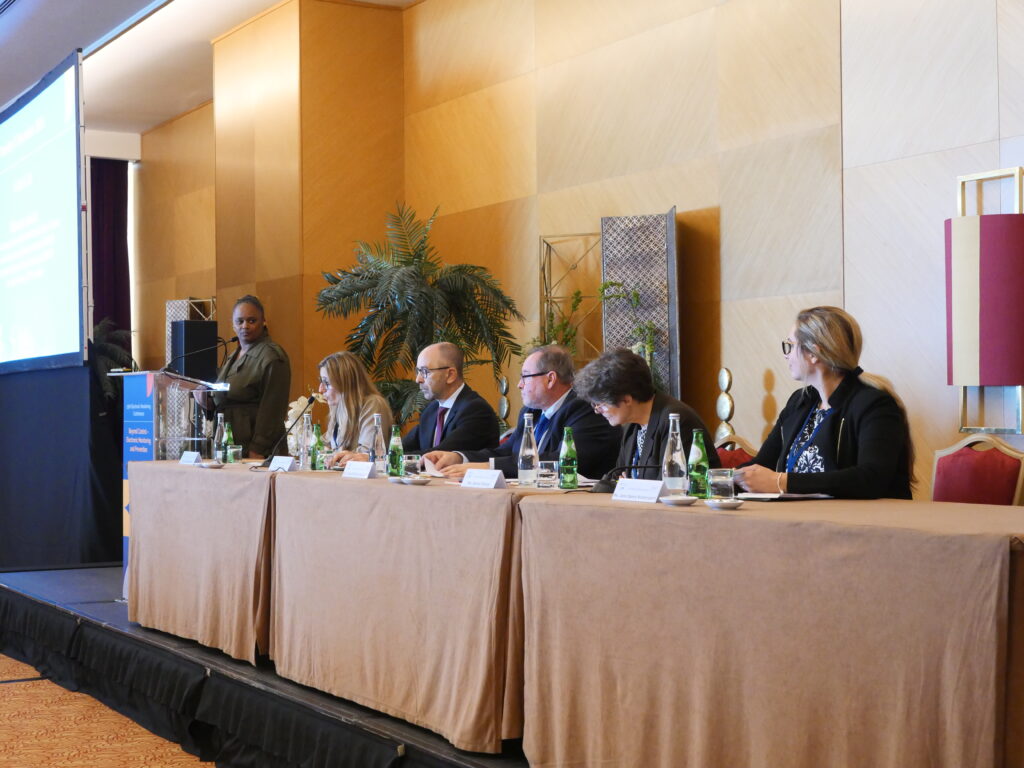
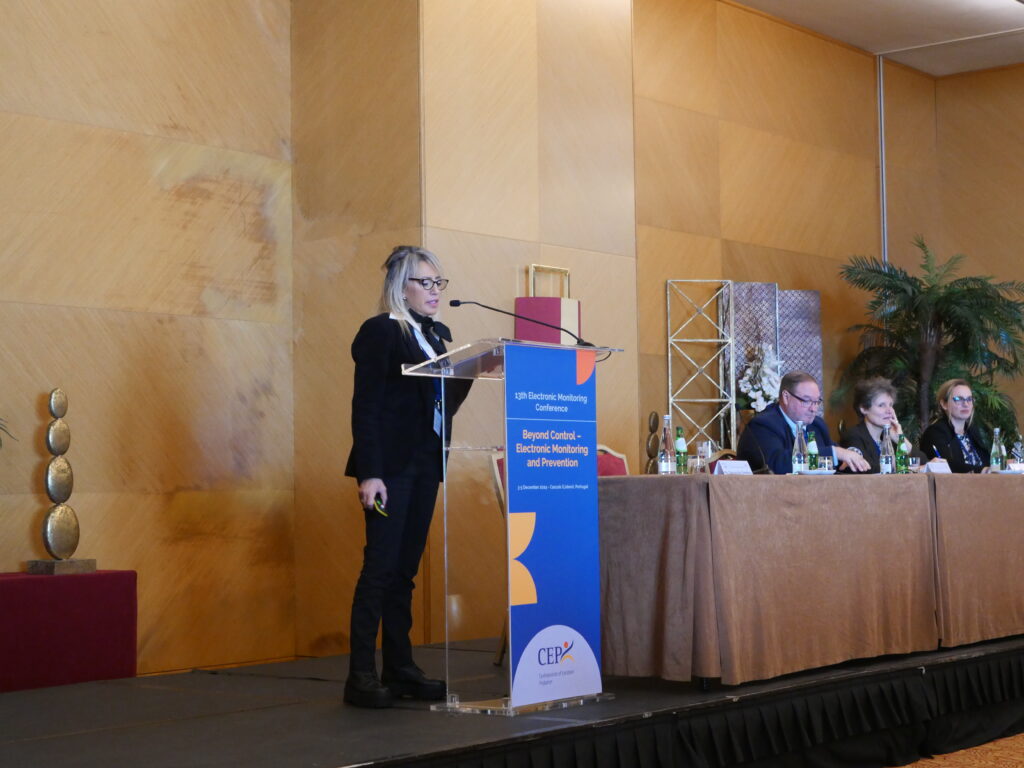
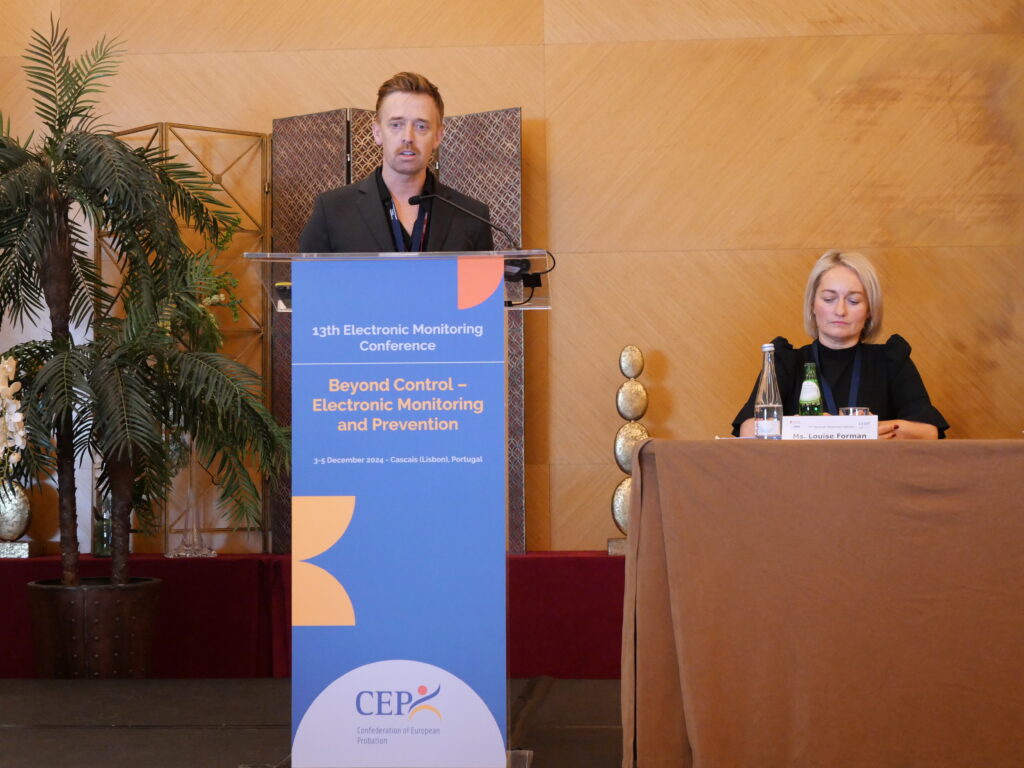
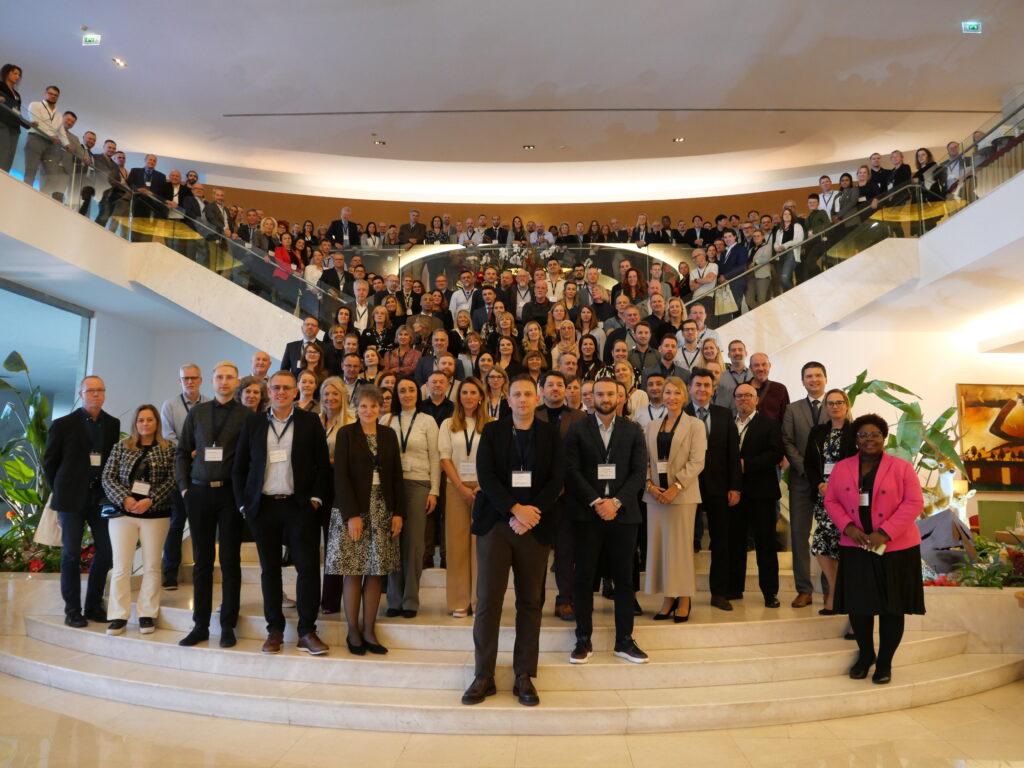
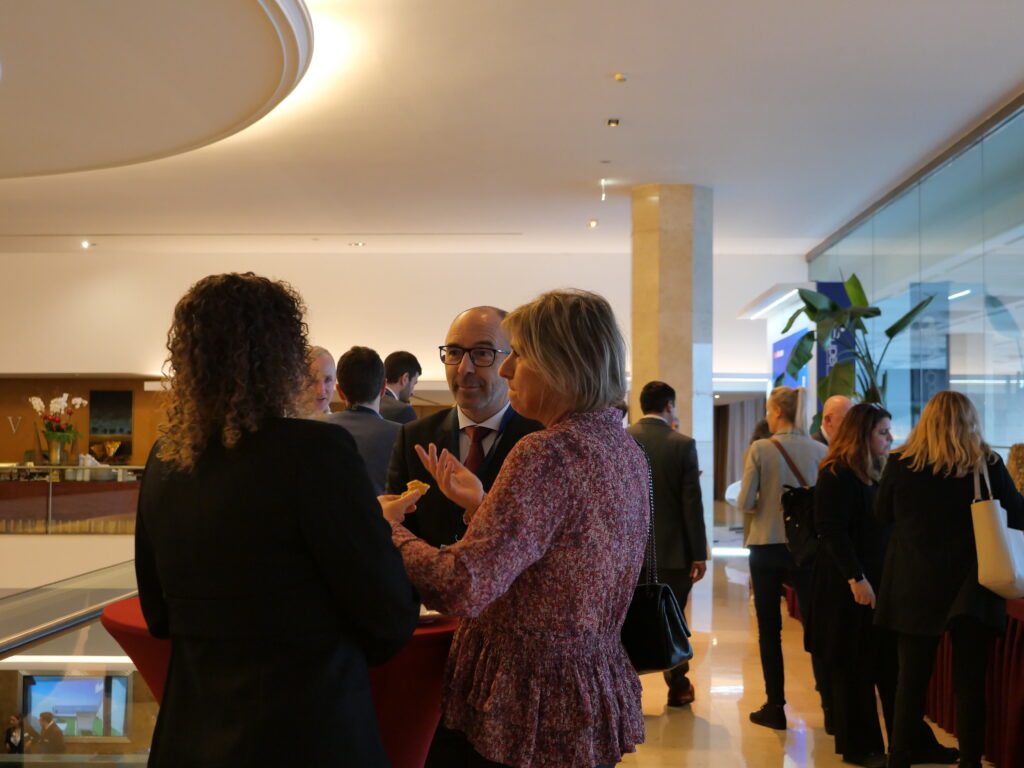
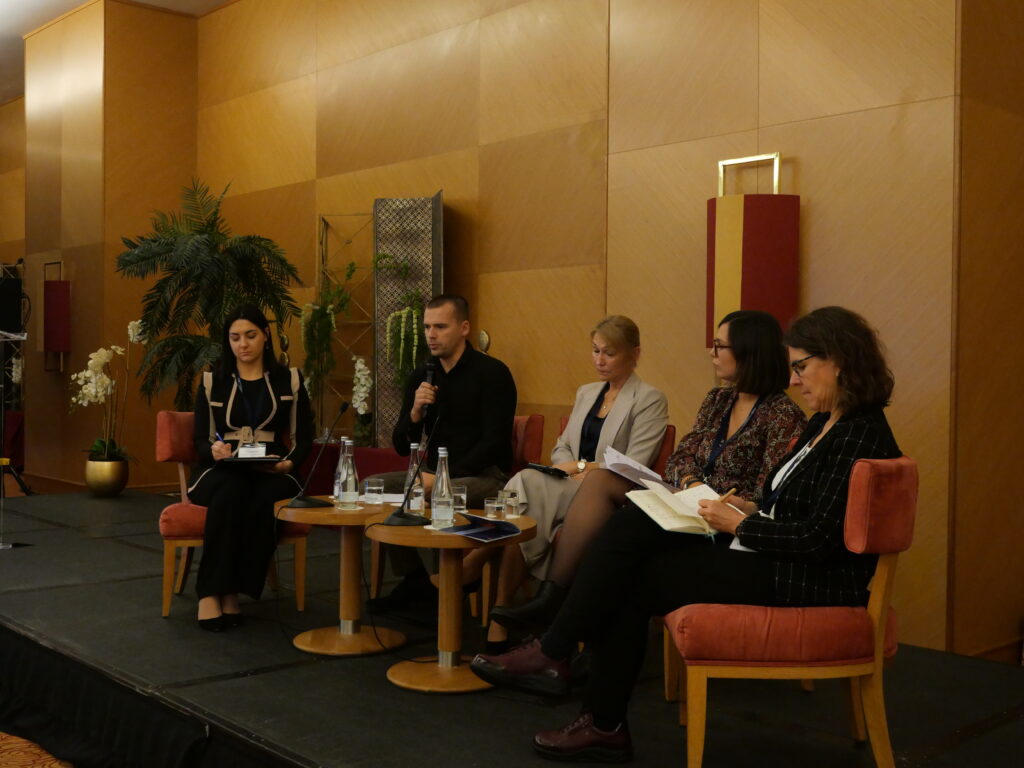
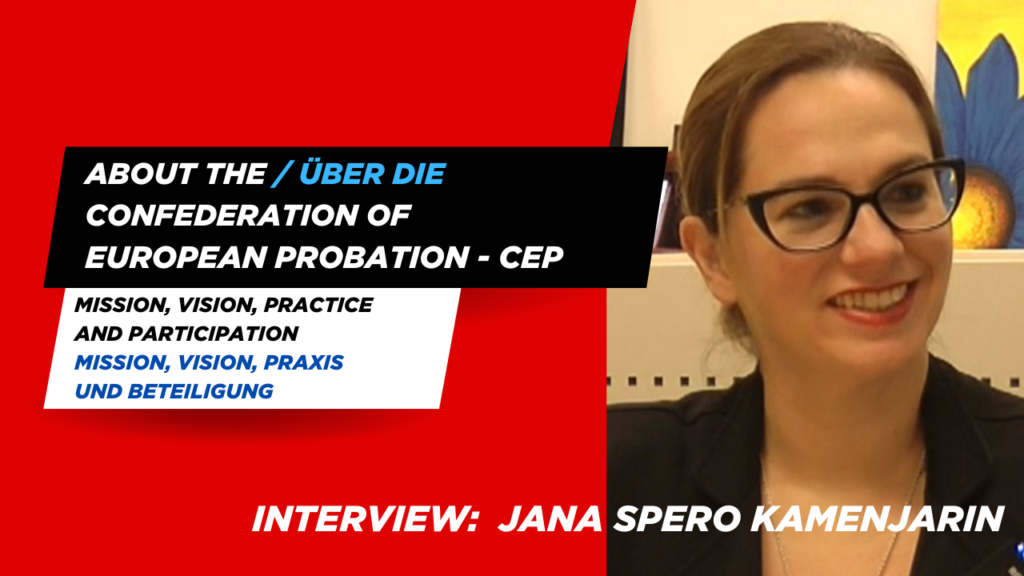
The conference was chaired by CEP Secretary General Jana Spero Kamenjarin, who guided discussions, ensuring the exchange of insights and ideas throughout the event.The conference brought together leading experts, practitioners, policymakers, and researchers to exchange knowledge and foster innovation. Over three days, participants explored electronic monitoring not only as a mechanism for compliance but also as a tool for prevention and rehabilitation. The program was designed to balance thought-provoking plenary sessions, interactive workshops, and opportunities for informal networking, creating a vibrant and dynamic experience.
Day 1: Setting the Stage
The first day of the conference set the tone with a series of inspiring welcome speeches. Ms. Carla Semedo, Councillor of Cascais Municipality, and Mr. João D’Oliveira Coias and Mr. Paulo Rio, senior representatives of DGRSP Portugal, emphasized the importance of international collaboration in advancing electronic monitoring practices. Ms. Annie Devos, President of CEP, highlighted the potential of electronic monitoring to address complex societal challenges.
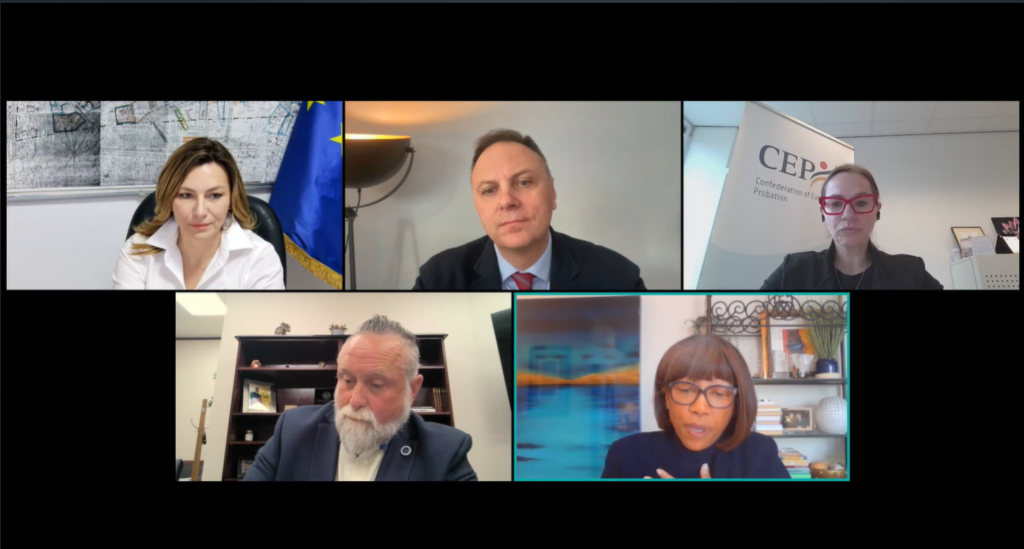
The opening plenary session showcased The Portuguese Approach to Electronic Monitoring, with Mr. João D’Oliveira Cóias and Ms. Conceição Condeço of DGRSP Portugal providing an in-depth overview of their nation’s achievements and ongoing challenges in this field. This was followed by a thought-provoking session on the Impacts of Electronic Monitoring, where Ms. Louise Forman (UK) and Professor Hans Grönqvist (Linnaeus University, Sweden) shared research findings and operational insights from their respective countries.
The afternoon concluded with a lively roundtable discussion on Breaches and Non-Compliance. Speakers Mr. Jako Salla (Estonia), Ms. Anais Vacherot (France), and Ms. Pia Andersson (Finland) delved into practical strategies to address challenges in ensuring compliance with electronic monitoring measures.
Day 2: Deepening the Dialogue
The second day of the conference was dedicated to interactive workshops and focused sessions that delved into key thematic areas. The morning began with workshops addressing the Impacts of EM and Breaches and Non-Compliance, allowing participants to explore these topics in greater detail and share their own experiences and perspectives.
In a plenary session on the Pre-trial Use of Electronic Monitoring, Professor Anthea Hucklesby (UK) and Mr. Karel Van Cauwenberghe (Belgium) examined the role of electronic monitoring in pre-trial settings, presenting research and case studies that illuminated both the opportunities and challenges of this approach.
The afternoon session shifted focus to the critical issue of Domestic Violence and Electronic Monitoring. Mr. Jorge Monteiro (Portugal), Ms. Lucie Ledez (France), and Professor Michele Burman (Scotland) provided compelling insights into how electronic monitoring can be used to protect victims, prevent reoffending, and support systemic change.
Day 3: Focus on Juveniles and Closing Reflections
The final day of the conference featured a series of workshops and plenary sessions that addressed some of the most pressing issues in electronic monitoring. Morning workshops revisited the themes of Pre-trial Use of EM and Domestic Violence and Electronic Monitoring, enabling participants to build on earlier discussions and share actionable insights.
The plenary session on Juveniles and Electronic Monitoring was a highlight of the day. Speakers Mr. Peter Casteur (Belgium), Ms. Christine Andersson and Ms. Maria Svantesson (Sweden), and Mr. Diede van der Heijden (Netherlands) shared innovative approaches to supporting young people through electronic monitoring, emphasizing its potential to foster rehabilitation and prevent future involvement in the justice system.
The conference concluded with reflections on the workshop discussions and closing remarks, which celebrated the shared commitment to advancing electronic monitoring practices across Europe and beyond.
Looking Ahead
The 13th Electronic Monitoring Conference was a resounding success, showcasing the power of collaboration, knowledge-sharing, and innovation. With 259 participants from over 38 countries, the event highlighted the importance of electronic monitoring as a tool for prevention, compliance, and rehabilitation.
We extend our heartfelt gratitude to the speakers, participants, and sponsors who contributed to this event’s success. As we reflect on the progress made, we look forward to continuing these important conversations and welcoming you to future editions of the CEP Electronic Monitoring Conference.
Thank you for joining us on this journey to go beyond control and toward a better future for justice systems worldwide.
Presentations
To view the presentations and workshop results click here.
Pictures
View the album here.
Aftermovie