

Previous Article
News
Department of Justice and RJS4C organised a webinar marking International Restorative Justice Week
On Thursday November 19th 2020, Restorative Justice: Strategies for Change (RJS4C) collaborated with the Department of Justice and organised and delivered a webinar marking International Restorative Justice Week. Over 160 people attended the 90-minute webinar to hear RJS4C project partners (Ursula Fernée from the Probation Service and Dr. Ian Marder from Maynooth Department of Law), officials from the Department of Justice, and James Browne, T.D. (Minister of State, Department of Justice) discuss recent developments in restorative justice in Ireland and internationally, and plans to enhance and expand the use of restorative justice in Ireland in the coming years. The webinar was recorded and can be accessed here.
This article is written by Dr. Ian Marder, University College Maynooth.
Minister of State
The webinar began with Ursula Fernée welcoming the participants and introducing the Minister of State. He further set the tone for the afternoon by making reference to international research and best practice indicating the potential benefits of restorative justice for victims and perpetrators of all offences, including where serious harm has taken place. The Minister also spoke about the need to establish a more cohesive restorative justice service across Ireland, and outlined the objectives of the corresponding Programme for Government commitment and provisions of the recent report on supporting victims of sexual violence.
Programme for Government (p.84): “We will […] work with all criminal justice agencies to build capacity to deliver restorative justice, safely and effectively.”
Supporting a Victim’s Journey: A plan to help victims and vulnerable witnesses in sexual violence cases (p.64): “Once [an ongoing mapping exercise] is complete, the Department [of Justice] will establish a multi-agency group to scope requirements for a more integrated consistent, visible and high quality Restorative Justice service for vulnerable victims who wish to pursue that pathway.”
Department’s work
Deaglán Ó Briain (Department of Justice) then spoke, elaborating on his Department’s work in these areas. He described the restorative justice and practice elements of the forthcoming youth justice strategy and the training in restorative practices for youth workers working within Garda Youth Diversion Projects that will happen in 2021. Deaglán contextualised this work with reference to other evidence-led programmes, such as creating targeted approaches for young adults, collaborating with the Department of Health and implementing court accompaniment services for victims nationwide.
Deaglán’s intervention was bookended with talks by Dr. Ian Marder, who spoke initially about the RJS4C team’s work and the national and institutional developments in 2020. He described ongoing training and other activities by the Irish Prison Service College, the mentions of restorative practices in recent reports by the Inspector of Prisons, and efforts by restorative justice providers to adapt to COVID-19 and expand their services. He also outlined work, funded by the Department of Justice, to develop a dedicated website for restorative justice in Ireland, and to collect case studies and conduct a mapping exercise which would be published on that website in early 2021. Ian’s second piece focused in turn on the UN, which published its Handbook on Restorative Justice Programmes (2nd ed.), the EU, which published its 2020-2025 Strategy on Victims’ Rights, and the Council of Europe, which is working on two Recommendations incorporating restorative justice provisions. He then described work being undertaken by partners in other jurisdictions, including Scotland, Estonia, the Netherland and the Czech Republic.
All about relationships
After a lively question and answer session involving conversations around the use of restorative justice in cases without named or direct victims, to support the reintegration of people upon leaving prison, and in response to hate crime (among other contexts discussed), Ben Ryan (Assistant Secretary, Department of Justice) provided closing remarks. He noted that restorative justice is fundamentally about relationships, and that stakeholders should continue collaborating to enhance Ireland’s capacity in this area.

Related News
Keep up to date with the latest developments, stories, and updates on probation from across Europe and beyond. Find relevant news and insights shaping the field today.
Recap
Electronic monitoring, Technology
14th Electronic Monitoring Conference, Electronic Monitoring in a Changing World – Perception vs Reality
08/10/2026
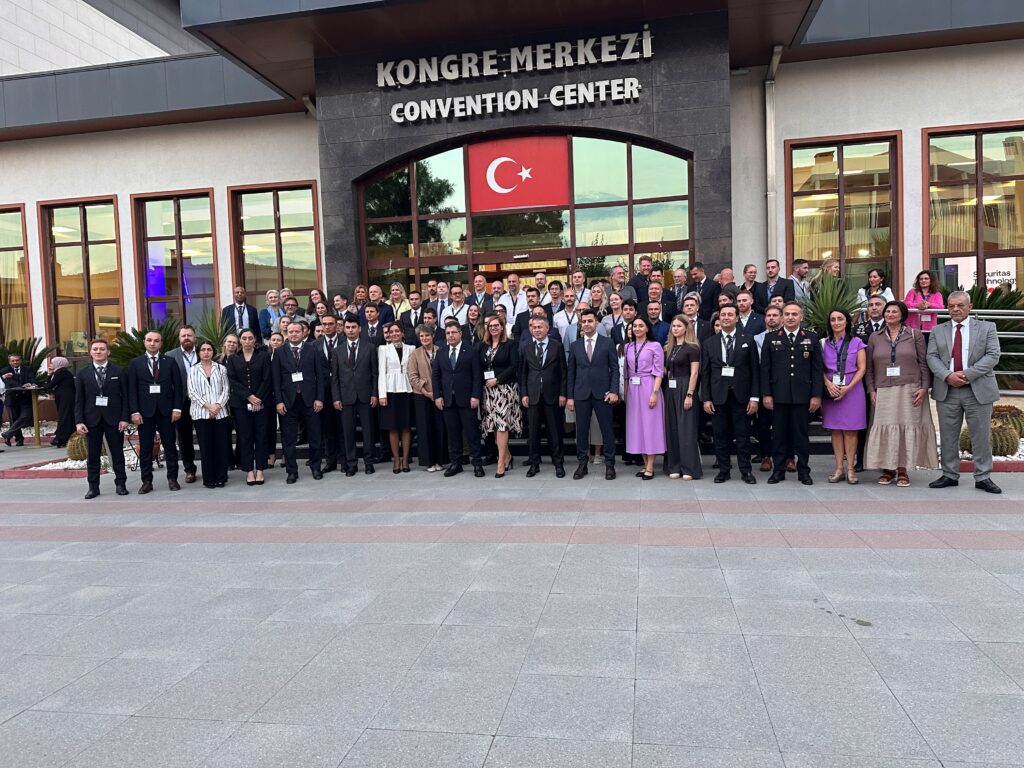
On 6-8 October 2026, Antalya hosted the 14th Electronic Monitoring Conference “Electronic Monitoring in a Changing World – Perception vs Reality”. More than 350 participants coming from 30 countries across Europe and worldwide representing probation services, Ministries of Justice, victims´ services, EM providers, researchers as well as local participants representing the Turkish Prison and Probation Service gathered to discuss how electronic monitoring (EM) is understood by all stakeholders involved including the victims and the public, and how these perceptions compare to the evidence and experiences of those affected. While the gap between perception and reality in electronic monitoring has been recognised for over a decade, the rapid expansion of EM into areas such as victim protection, high-risk supervision and digital innovation has brought new challenges and questions to the forefront.
Recap
ITSCCS
Core Correctional Skills in Digital Probation: highlights from the 6th ITSCCS in Barcelona
05/10/2026
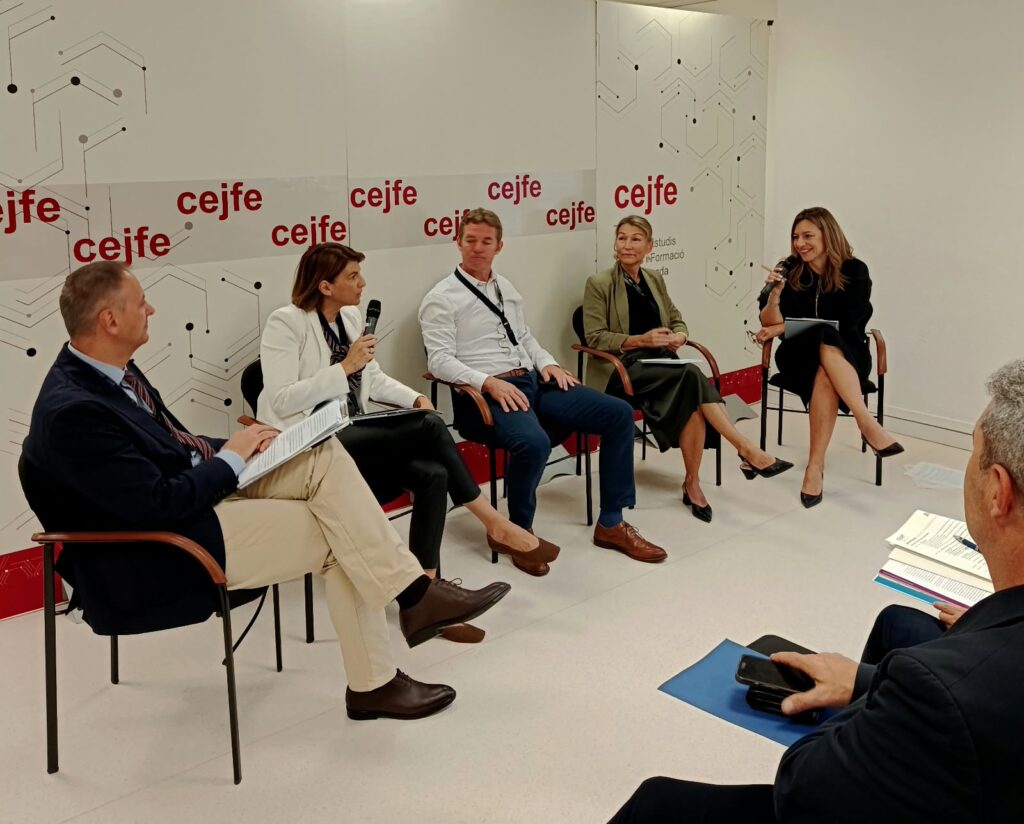
The sixth International Training School on Core Correctional Skills (ITSCCS) took place in Barcelona from 28 September to 2 October 2026, bringing together 26 participants for a week of learning, practical training and international exchange. Organised by the Confederation of European Probation (CEP) and the Centre for Legal Studies and Specialised Training (CEJFE), the programme focused on “Clicks and Empathy: Core Correctional Skills in Digital Probation.”
Recap
Framework Decisions
Recap: ERA workshop on Framework Decisions 829 and 947 in Bucharest
02/10/2026
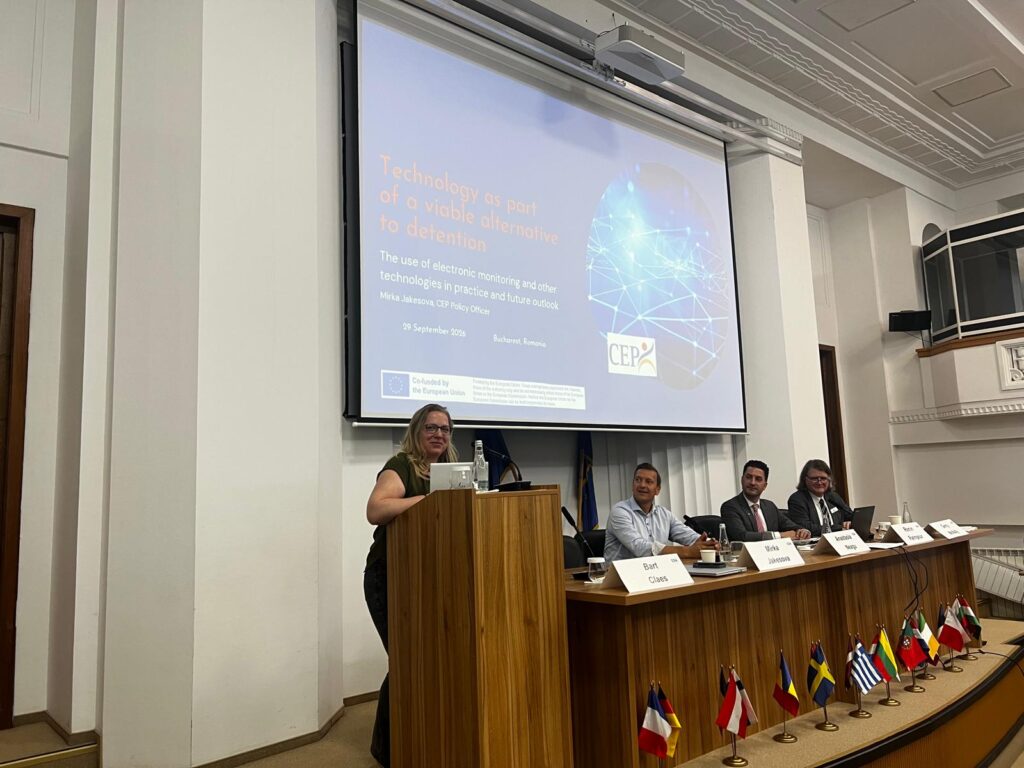
CEP Vice-President Daniel Danglades, Ambassador Gerry McNally and Policy Officer Mirka Jakesova participated in the Seminar on Framework Decisions 829 and 947 and their Impact on Alternatives in the EU organized under the EU project run by the Academy of European Law on 28-29 September in Bucharest, Romania. The seminar brought together judges, prosecutors, probation practitioners, academics, and policy experts to discuss the growing role of alternatives to detention within European criminal justice systems.
New
CEP
CEP and Catalan justice leaders reaffirm longstanding cooperation
29/09/2026
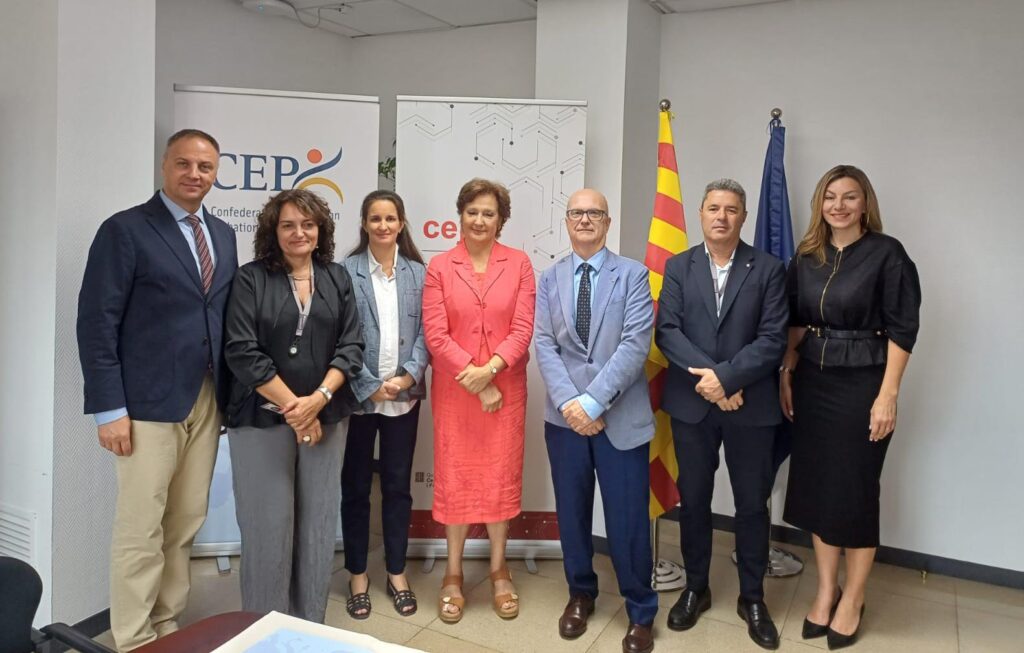
Representatives of the Confederation of European Probation (CEP) met with senior officials from the Catalan Department of Justice and Democratic Quality in Barcelona on 28 September 2026, alongside the opening of the sixth International Training School on Core Correctional Skills. The meeting offered an opportunity to recognise a longstanding partnership and discuss its continued development.
Updated
Mental Health
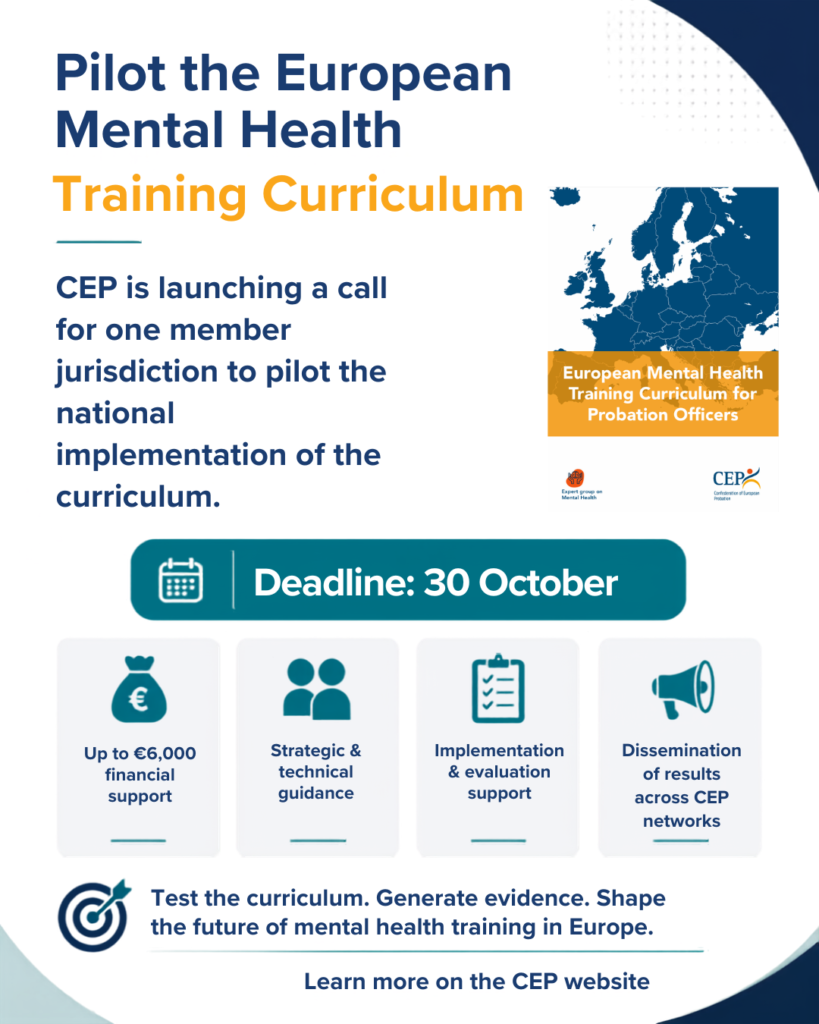
DEADLINE EXTENDED: Call for Pilot Implementation of the European Mental Health Training Curriculum
29/09/2026
Good news for CEP members! Following requests from our members, CEP has extended the deadline to apply for the pilot implementation of the European Mental Health Training Curriculum for Probation Officers.
Recap
ITSCCS, Technology
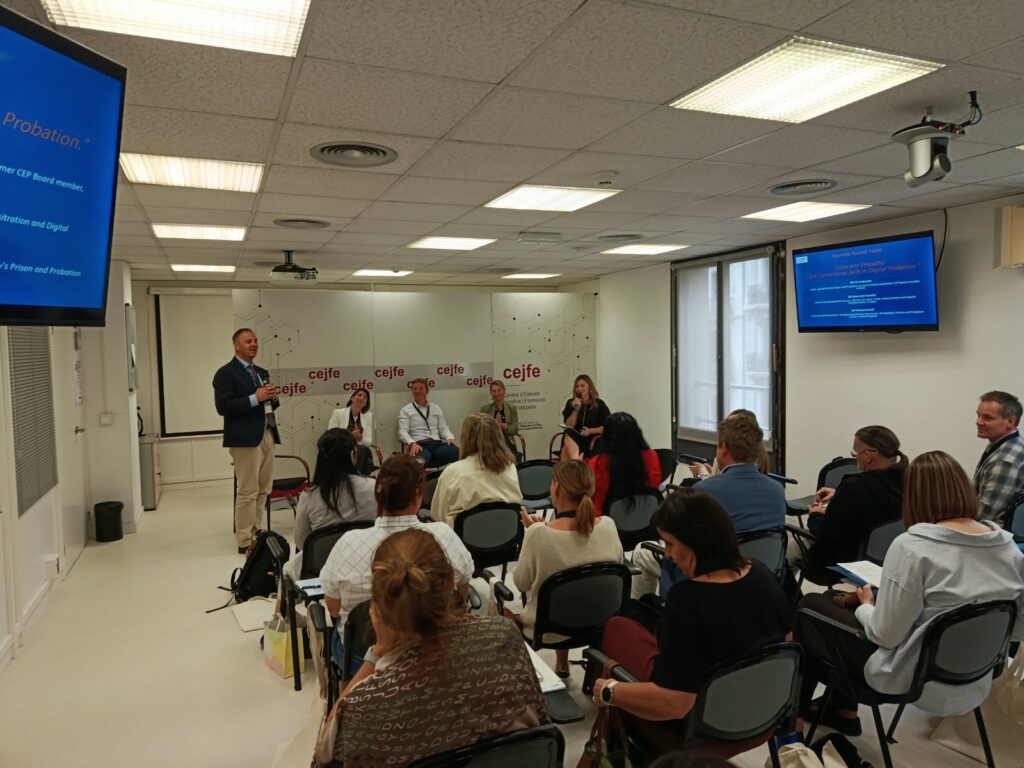
6th International Training School opens in Barcelona with a focus on digital probation
28/09/2026
How can probation professionals use new technologies in their interactions while building trust, showing empathy and supporting change? This question is at the heart of the sixth International Training School on Core Correctional Skills, which opened in Barcelona on 28 September 2026.
Subscribe to our bi-monthly email newsletter!
"*" indicates required fields
- Keep up to date with important probation developments and insights.