

Previous Article
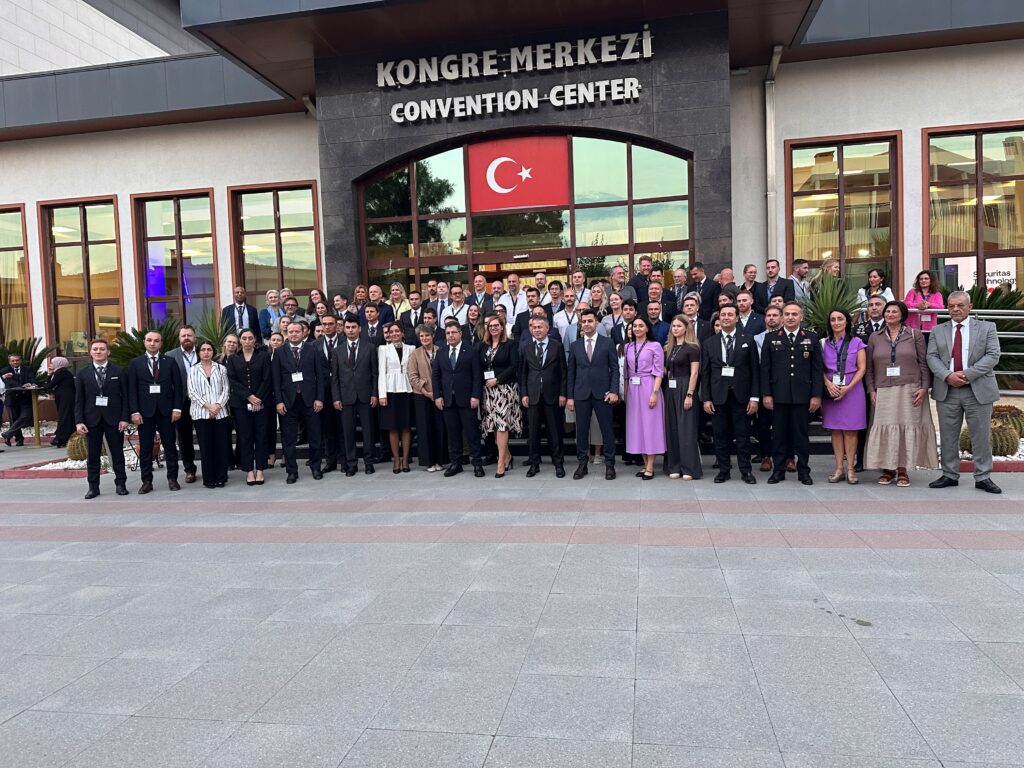
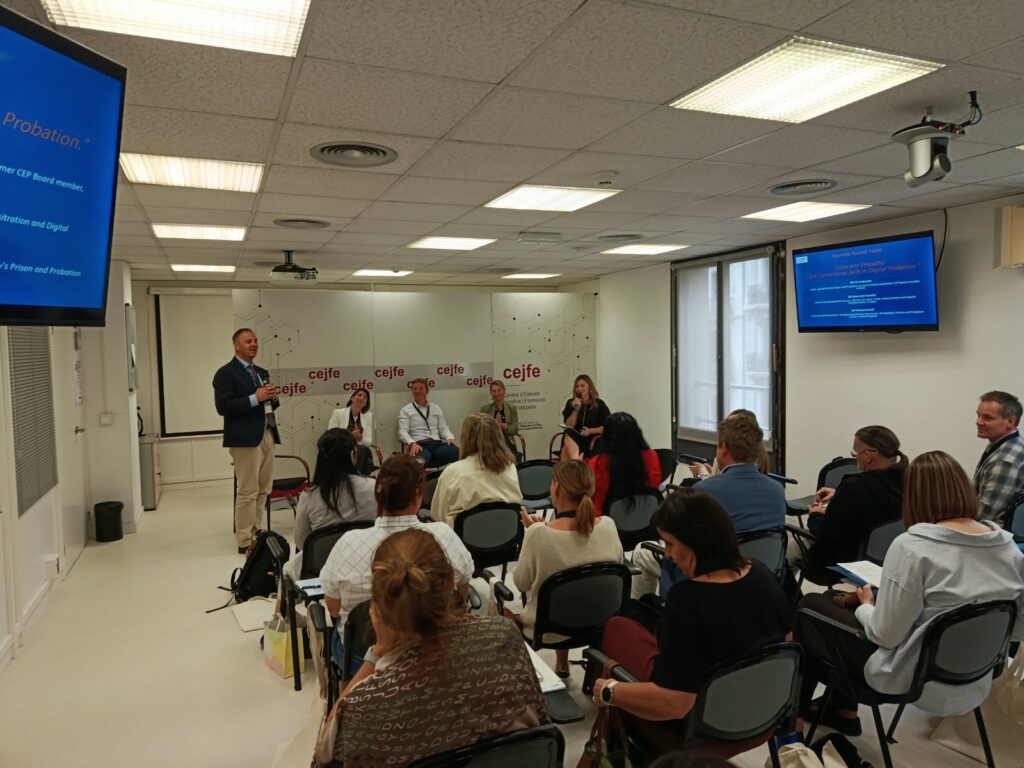
The first 6 CEP Electronic Monitoring Conferences (1998, 2001, 2003, 2005, 2007 and 2009) were all organized in Egmond aan Zee in the Netherlands. After that, since the 7th EM Conference, conferences went to different countries: Evora, Portugal in 2011; Balsta, Sweden in 2012; Frankfurt/Offenbach, Germany in 2014; Riga, Latvia in 2016; Zagreb, Croatia in 2018; Helsinki, Finland in 2022 and last one in Cascais, Portugal in December 2024.
General purpose
Over the years, EM has matured into a tool widely used in different areas such as mental health, domestic violence, terrorism, and for different target groups such as juveniles or victims of domestic violence etc. It has created new challenges for probation services leading to questions about whether, and in what ways, EM replaces, develops and/or improves the traditional roles of probation services; the extent to which the police and families are and/or should be involved in ‘supervising’ offenders; and the most effective and efficient ways of providing supervision and support for monitored individuals. It has also created opportunities to join up different areas of public and social policy and to act as a catalyst for meaningful multi-agency and multi-sector working thereby enabling a more holistic view of monitored individuals to be taken.
Considering importance of EM for our members, starting from 2024, the former EM preparatory group that was planning and organizing biannual EM conferences, was transformed into the regular CEP Expert Group. The work of the Group will, besides the planning and organization of the future EM conferences, cover a broader scope of activities: it will serve as a source of knowledge and expertise for CEP members and contribute to a better understanding and better practices when working with EM to improve management, find and share good practices and inspiring examples around Europe as well as it will advocate and act as the voice of this specific topic in the European Probation field.
The Expert Group provides an opportunity for lead experts of CEP members to meet and discuss further development.
Membership
The Expert Group consists of 8 members and the membership takes 2 years (2025-2027) with possible extension for another 2 years. We are looking for steady members of the Expert Group who will be part of the team and bring new knowledge, expertise, experience, and will, at the same time, be committed to the work of the Expert Group. The meetings take place annually (combination of face-to-face, online or hybrid). We are looking for 7 members at the moment as the 8th member will be selected from or nominated by the next EM Conference host country.
Travel and accommodation
Travel and accommodation costs for participating in the face-to-face meeting once a year are reimbursed by CEP. Other costs related to the Expert Group shall be borne by the Expert Group member’s organization.
Basic criteria
- CEP membership (full, individual, associate) or in case you are not a CEP member a recommendation letter from a CEP member is required;
- a CV (preferably Europass format);
- a short letter of motivation (150 words maximum) including relevance of this topic for your country, your expertise and experience, and optionally, a recommendation letter from your organization (150 words max);
- an expertise and experience in working with Electronic Monitoring (please specify this in your motivation letter);
- commitment to international working groups, appropriate time allocation for the tasks;
The responsibilities of expert group members are to:
- attend and actively participate at the expert group meetings (face-to-face or online);
- represent their jurisdiction on the topic of the expert group and benefit from broader European knowledge and expertise;
- report back to their agency / share knowledge, expertise, and information within their own jurisdiction (dissemination and promotion of the work and results);
- stay updated on the latest trends on the topic of the expert group and actively contribute to the development, implementation and optimization of the meetings, action plan during and in-between the meetings;
- work between meetings to produce a specific common outcome such as guidelines, mapping, among others – if needed;
- contribute to the professional development in the given topic;
- develop their professional skills and expertise;
- contribute to the development of specific topic-related events within the CEP work programme, especially in the preparation of the CEP EM Conference and other activities that will be the result of the EG work (webinars, workshops).
Please note that in the composition of an expert group aspects such as geography, gender, background and other relevant aspects shall be taken into consideration.