

Previous Article
News
“Somehow we’re all on parole now”: work in the Austrian probation service during Corona
An article written by Bernhard Eisl
Shutdown!
While I am waiting for my next client in a small office, I think about how this pandemic will change my life and affect my work. It is March 16th, and it seems like every minute there are new horrific reports about the worldwide disease on the Internet: death rates, curfews, travel warnings. But also, hectic action by authorities, assessments by politicians and advice from experts. Behind all this I perceive helplessness, excessive demands and great fear.
My phone rings and a client says: “I prefer not to come, I am really worried, and I have to check on my mother again”. His voice sounds agitated and slightly panicky. I try to read his mood and feel that I am not at all sure what I actually want to say to him, because my own feelings and perceptions react to his. I cancel the appointment, ask him to take care of himself and to call me regularly on the phone. This I will continue doing many times in the coming weeks with other clients.
Our organisation responds very carefully to the crisis, but is noticeably affected by the requirement to almost completely discontinue our various care services in the shortest time possible. Finally, we are asked to cancel all personal appointments and to provide support by phone – shutdown.
Who are you, in the crisis?
Probation services in Austria are based on regular personal contact, intensive examination of life and delinquency. How can this be done, exclusively by phone?
The clients’ reactions show all types of behaviour that can occur in a crisis: a young, aggressive man who hoards bottled water, a psychotic who thinks everything is panic-mongering and is a conspiracy, an addicted woman who worries how to get her drugs, a depressed elderly gentleman who speaks calmly of the coming end… There is hardly anyone who does not take the situation seriously, and even those who make fun of it are concerned of the rising deaths, especially in our neighbouring country Italy. These reactions challenge me, as the clients confront me with my own fears and doubts.
Bonding and support
In such a situation it is essential to reflect with my colleagues. As a probation officer in a rural area, I am very often a “lone fighter” – like my colleagues. And yet, during this time of shutdown, we have come closer to each other than ever before in the often-hectic everyday work. We have our own chat group and the serious but also often humorous exchanges and the many long phone calls for reflection, give me security and the chance to process what I experienced by caring for others.
The further the crisis progresses, the more it becomes clear how important the basis of a stable, trust-based care relationship was and is. It makes me able to counter the massive social restrictions to which we all, and also our clients, were and to some extent still are subject to.
Many of my colleagues and clients are very disciplined, some even experience a halt in their work but feel that the time gained for the family is liberating. I am very worried about those who live alone and who are indeed very lonely. These people are most affected by the temporary change in their personal situation and some of them need actual care. I find it most difficult in those situations in which I notice that people slip into psychological crises, withdraw and are difficult to reach. In such cases I would have simply gone to check, just to be there. Now I am confronted with my own helplessness and powerlessness not to be able to offer the help that seems so urgently needed. “Somehow we are all on parole now,” says a young man, in view of the discipline required, the restricted and reduced way of life in isolation. A “house arrest for all“, are the words of another one who is supervised by electronic monitoring.
That is how I found myself at times, between annoyed and overstrained: when working from home, household, childcare and the relationship becomes a multi-tasking project that feels like it takes up every minute of the day. I could very much encourage and reach my clients when they did not know what was coming next. However when horrible news appears all over the world and death comes very close, then also I reach the limit of my resilience.
Clients from other countries find themselves in other unexpected difficulties, in situations where their German is simply not sufficient. Quite a few of them pay very high fines because they simply do not understand some of the new rules. My translation work is not only about language, but also about the social meaning of some measures, which are simply not comprehensible for some people. Why should two good friends no longer hug each other, share cigarettes or hang out in a car park?
A second chance
New prison sentences and court hearings are now suspended for a longer period of time, which gives space to many people who actually should be in prison by now. Two of my clients were able to improve their situation during the shutdown, so they perhaps can avoid imprisonment altogether.
The forced intimacy is not only negative for the social relationships of our clients. I experience many families and couples who have created a closeness to each other that would have been hard to imagine otherwise. But there are also the terrible cases of violence in relationships. I often worry about the wives of the men I look after, who now have to suffer silently. Here I then curse the phone and the restrictions to my possibilities. Then for me it is important to listen carefully, to talk and to take the pressure off, which sometimes arises in a very tangible way: to reduce stress, to find patience with others and above all yourself. If there is no solution to be found cooperation with organisations for victim-protection and the court is necessary to clear the situation and bring back security, but leaving the actual conflict unsolved.
What works? What works!
Now that the shutdown is slowly moving into a phase of controlled care, the question arises what we learn from this difficult time?
Quite pragmatically? Many appointments and some meetings are not necessary! I realized that I often actually do “non-essential trips”. I think it will do us good to think carefully about what it really takes to organize our work.
So, considering this worldwide crisis and its consequences for all of us, is it possible to find take-away for the probationary care services, for social work? This is simply how important social work is. In addition to all specialised action and our professionalism it is crucial for me to do my work as personally and directly as possible. The masks will challenge and ultimately sharpen our perception. We will conscientiously examine proximity and distance. The personal encounter takes on a new value. For me personally, as a social worker and as a human being, it is an important decision to give others what is probably the most precious thing to have, namely your presence and your lifetime.
PS: This text may be emotional and sensitive in some situations. But I have always taken this pandemic very seriously: two colleagues from other institutions, who are dear to me, have fallen seriously ill with Covid-19, and one colleagues’ parents have been fatally affected. This has had a great impact on my perception.
Bernhard Eisl has been a probation officer at NEUSTART for 20 years and works in Innviertel in Upper Austria. He is 52 years old, lives in a partnership and has two children.

Related News
Keep up to date with the latest developments, stories, and updates on probation from across Europe and beyond. Find relevant news and insights shaping the field today.
Recap
Electronic monitoring, Technology
14th Electronic Monitoring Conference, Electronic Monitoring in a Changing World – Perception vs Reality
08/10/2026
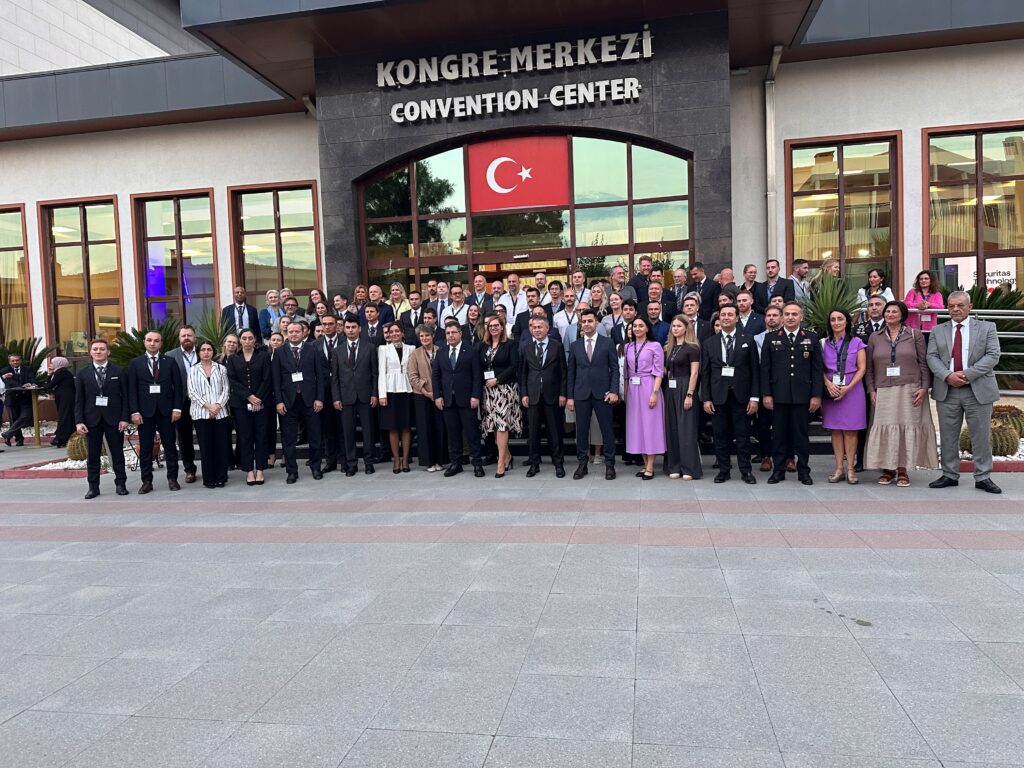
On 6-8 October 2026, Antalya hosted the 14th Electronic Monitoring Conference “Electronic Monitoring in a Changing World – Perception vs Reality”. More than 350 participants coming from 30 countries across Europe and worldwide representing probation services, Ministries of Justice, victims´ services, EM providers, researchers as well as local participants representing the Turkish Prison and Probation Service gathered to discuss how electronic monitoring (EM) is understood by all stakeholders involved including the victims and the public, and how these perceptions compare to the evidence and experiences of those affected. While the gap between perception and reality in electronic monitoring has been recognised for over a decade, the rapid expansion of EM into areas such as victim protection, high-risk supervision and digital innovation has brought new challenges and questions to the forefront.
Recap
ITSCCS
Core Correctional Skills in Digital Probation: highlights from the 6th ITSCCS in Barcelona
05/10/2026
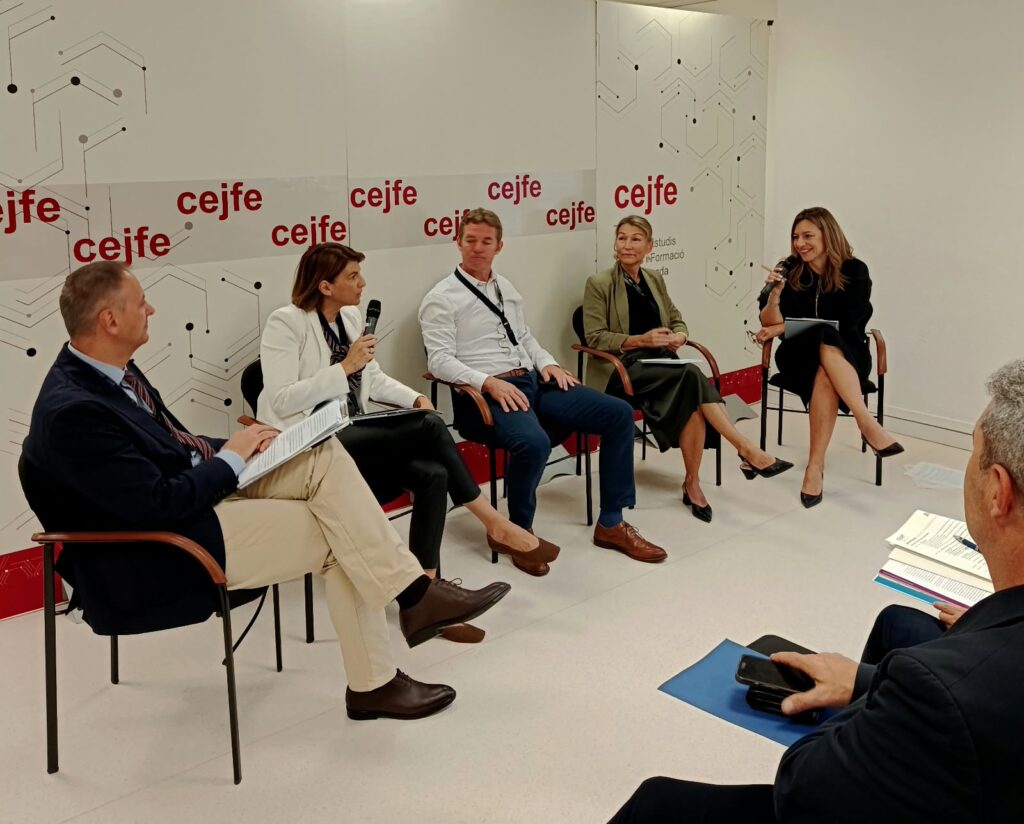
The sixth International Training School on Core Correctional Skills (ITSCCS) took place in Barcelona from 28 September to 2 October 2026, bringing together 26 participants for a week of learning, practical training and international exchange. Organised by the Confederation of European Probation (CEP) and the Centre for Legal Studies and Specialised Training (CEJFE), the programme focused on “Clicks and Empathy: Core Correctional Skills in Digital Probation.”
Recap
Framework Decisions
Recap: ERA workshop on Framework Decisions 829 and 947 in Bucharest
02/10/2026
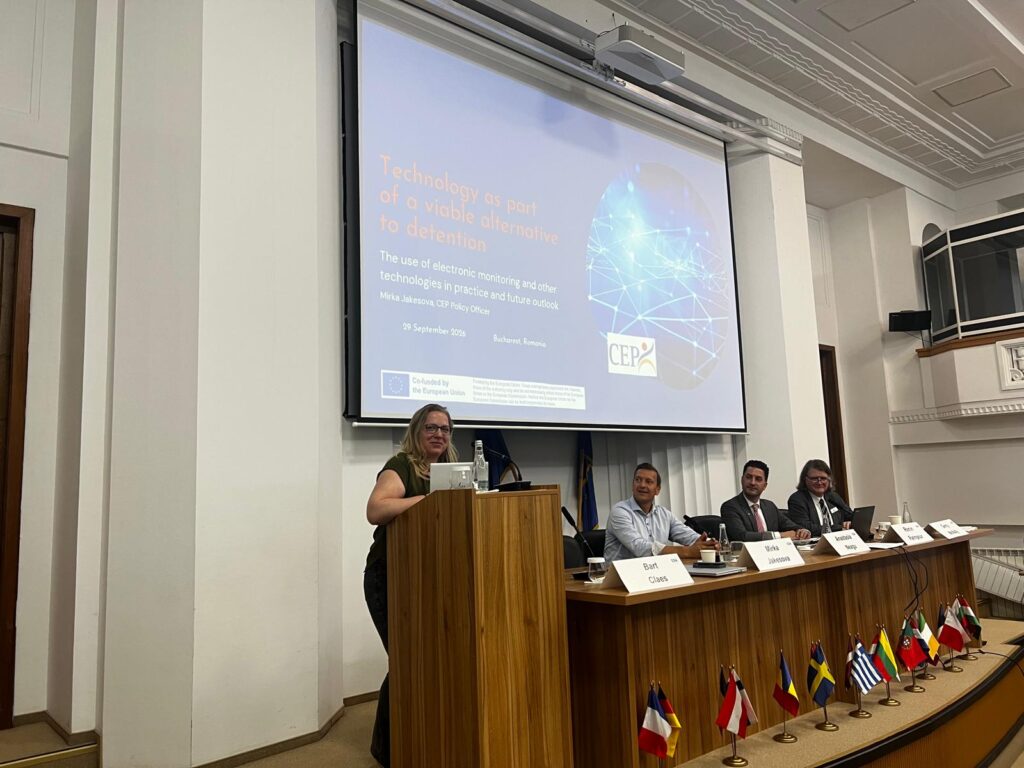
CEP Vice-President Daniel Danglades, Ambassador Gerry McNally and Policy Officer Mirka Jakesova participated in the Seminar on Framework Decisions 829 and 947 and their Impact on Alternatives in the EU organized under the EU project run by the Academy of European Law on 28-29 September in Bucharest, Romania. The seminar brought together judges, prosecutors, probation practitioners, academics, and policy experts to discuss the growing role of alternatives to detention within European criminal justice systems.
New

CEP
CEP and Catalan justice leaders reaffirm longstanding cooperation
29/09/2026
Representatives of the Confederation of European Probation (CEP) met with senior officials from the Catalan Department of Justice and Democratic Quality in Barcelona on 28 September 2026, alongside the opening of the sixth International Training School on Core Correctional Skills. The meeting offered an opportunity to recognise a longstanding partnership and discuss its continued development.
Updated
Mental Health
DEADLINE EXTENDED: Call for Pilot Implementation of the European Mental Health Training Curriculum
29/09/2026
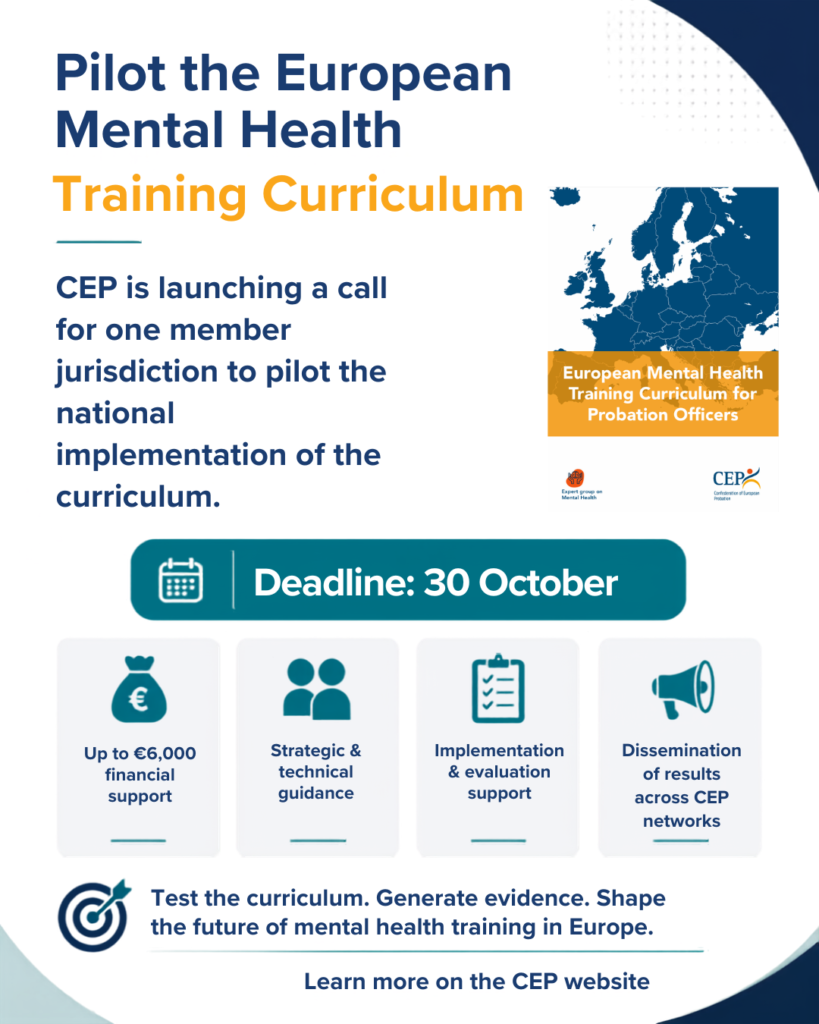
Good news for CEP members! Following requests from our members, CEP has extended the deadline to apply for the pilot implementation of the European Mental Health Training Curriculum for Probation Officers.
Recap
ITSCCS, Technology
6th International Training School opens in Barcelona with a focus on digital probation
28/09/2026
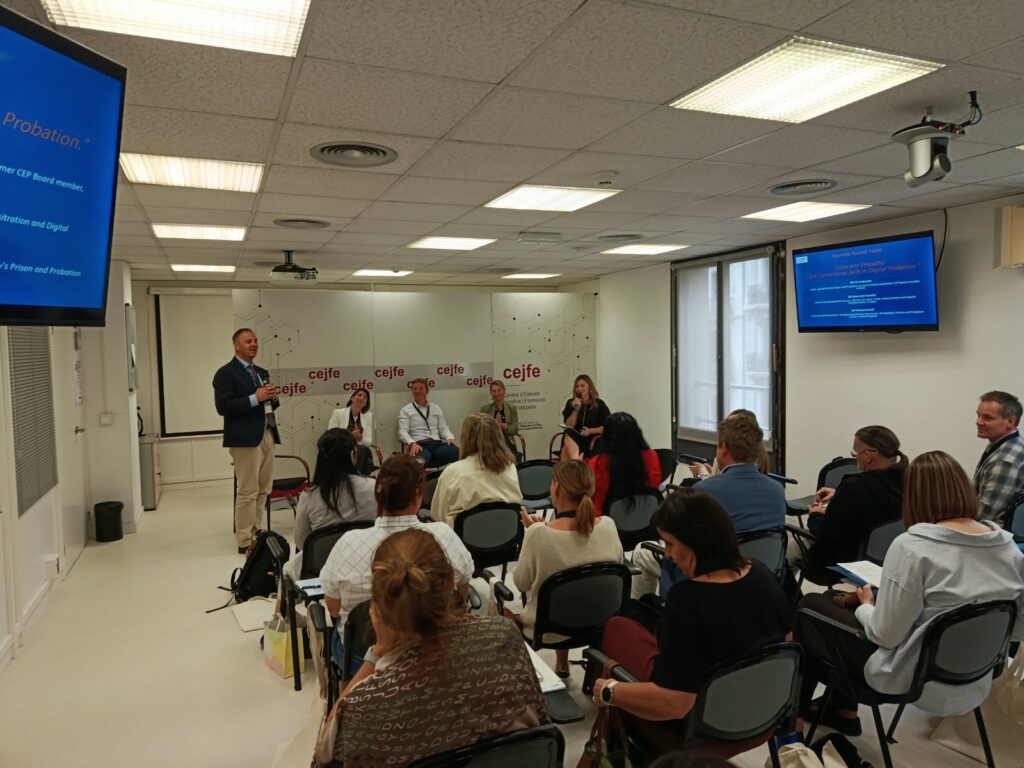
How can probation professionals use new technologies in their interactions while building trust, showing empathy and supporting change? This question is at the heart of the sixth International Training School on Core Correctional Skills, which opened in Barcelona on 28 September 2026.
Subscribe to our bi-monthly email newsletter!
"*" indicates required fields
- Keep up to date with important probation developments and insights.