

Previous Article
News
RAN publishes 3rd edition of their working paper for prison and probation staff
An interview with author Torben Adams
Torben Adams is Head of Division in the Ministry of Justice and Constitutional Affairs, he is among other tasks responsible for CPVE programs and initiatives, and advanced training for correctional and probation officers in the German Federal State of Bremen. He has started his career as correctional officer in 1997, his last post in prison was as Governor of a juvenile prison. He has work experience in several countries in Europe, Asia, Africa, and the Middle-East. His main passion is criminal justice reform and prison development.
Recently, the Radicalisation Awareness Network (RAN) published the third edition of the Working Paper ‘Approaches to countering radicalisation and dealing with violent extremist and terrorist offenders in prisons and probation’. The new edition includes a lot of updated information and best practices. Torben Adams, the author of the paper tells us everything about the production process and the content of the paper.
Can you tell us more about the content of the working paper?
The first and most important aim was that it should be of value to the prison and probation staff that work with the radicalised offenders. It intends to provide an overview of some of the principal findings emerging in the field of radicalisation in the context of prison and probation. We touch upon different types of violent extremist and terrorist offenders including juveniles and females. We included the returning foreign terrorist fighters issue and the expected ramifications for the respective services. Multi-agency cooperation and information-sharing behind the backdrop of (new) legislation e.g. the EU Directive 680/2016 plays an important role as well.
The human-resources perspective and how we could prepare our staff to deal with the challenging phenomena of violent extremism was important to me in general. Therefore, we mention training and specialised training for involved staff in order to help in a practical manner.
How did you go through the process of producing the paper?
This was the very first time I was responsible for the authorship of this working paper. RAN has a huge knowledge database available, with for example all the output of the other working groups. I used the information that was already available to me, but it was also important for me to involve the practitioners in the production process. CEP played a role there, they held an Expert Meeting in December 2018, Paris. Early drafts of the working paper were shared with the participants. In the framework of one RAN event, I also presented the early draft to receive the feedback from the practitioners. They came from many European member states.
Finally, the wonderful people at the RAN CoE helped much in terms of revising and editing. It has been teamwork to produce the paper.
Was it difficult to produce a paper that is useful for all the member states?
This was the most challenging part of producing this working paper. It is in the nature of the work that you have to make some compromises. But you have to make sure that these compromises do not weaken the validity of the paper.
Practices are constantly changing across European member states, which has made it very difficult to identify countries using particular practices. The reasoning behind decisions that lead to particular policies and practices being adopted needs to be more transparent and fed into a broader knowledge base of good practices. Decision-making is rarely evidence-based. Research needs to be embedded into practice early on. A more coordinated approach to research is needed, to better understand the contexts in which radicalisation seems to succeed, where its risks are diminished and what kind of support is most beneficial for offenders reintegrating into society.
The mentioned challenge was not only exhausting but also very rewarding to me, as I have tried to tailor the practitioner’s paper into something that is useful and applicable in the respective member states. At least, the paper needs to be a stimulus to shape practice and policies.
What is the importance of cooperation between prison and probation in working with violent extremist offenders?
Cooperation between prison and probation is a logical requirement in the context of dealing with offenders, including those radicalized and/or charged with and sentenced for terrorist crimes. Institutionalized cooperation does not always exist in the member states, as prison and probation services are organized differently within EU member states. In certain cases, they are two separate entities, while in others, they act under the same centralized agency. In some countries, the prison system is organized at national level while the probation system is organized at local or regional level. This clearly affects how information is shared and how these elements cooperate. In the paper at hand we have provided some good-practice models from some European member state jurisdictions.
Nevertheless, in the probation services the usual way of working with radicalized offenders is the generic way, the one used for all other types of offenders. It is important however to try to involve other agencies in order to have more sources and data. In addition, here the importance of a holistic way of working (in line with legislation) was stressed, as well as the need to involve families and the need on the work on preparation for release and transition.
Will there be a 4th edition?
It is a kind of tradition that the practitioners paper is renewed every year, because of the dynamics in the field. We might also have new topics by then. The first wave of offenders is under probation supervision then. We can review the progress made. I mentioned earlier that the sample group of offenders is relatively small and maybe in a few more years we have more offenders that are subjected to probation. More cases to elaborate on.
The full working paper is available on the RAN website.

Related News
Keep up to date with the latest developments, stories, and updates on probation from across Europe and beyond. Find relevant news and insights shaping the field today.
Recap
Electronic monitoring, Technology
14th Electronic Monitoring Conference, Electronic Monitoring in a Changing World – Perception vs Reality
08/10/2026
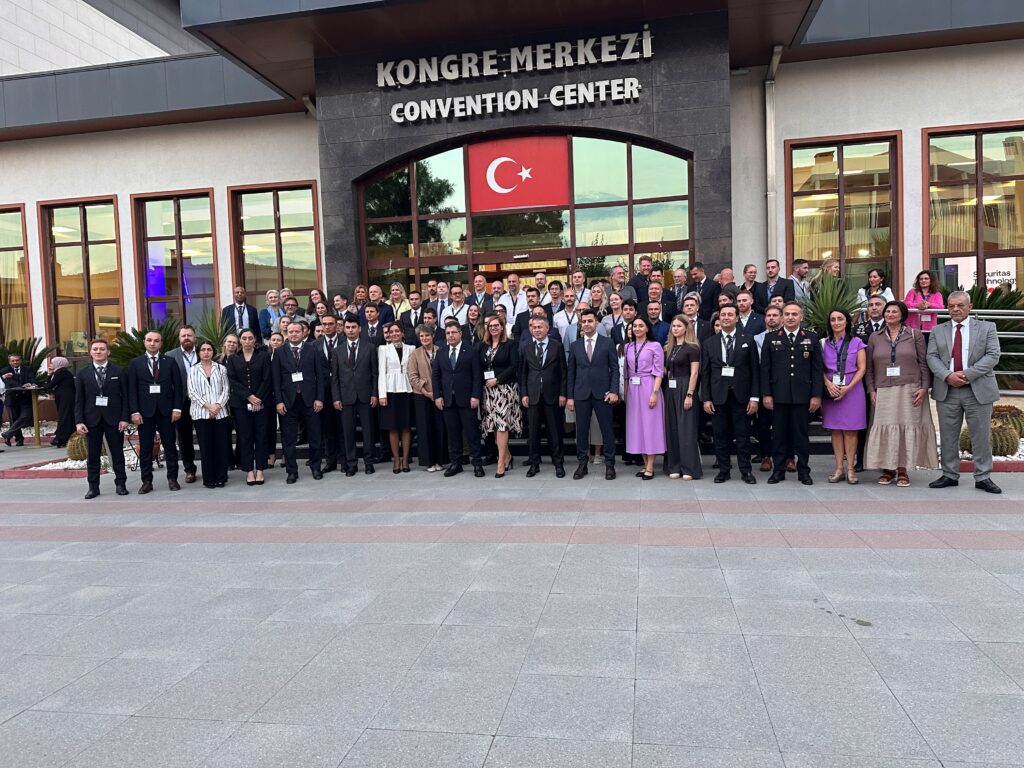
On 6-8 October 2026, Antalya hosted the 14th Electronic Monitoring Conference “Electronic Monitoring in a Changing World – Perception vs Reality”. More than 350 participants coming from 30 countries across Europe and worldwide representing probation services, Ministries of Justice, victims´ services, EM providers, researchers as well as local participants representing the Turkish Prison and Probation Service gathered to discuss how electronic monitoring (EM) is understood by all stakeholders involved including the victims and the public, and how these perceptions compare to the evidence and experiences of those affected. While the gap between perception and reality in electronic monitoring has been recognised for over a decade, the rapid expansion of EM into areas such as victim protection, high-risk supervision and digital innovation has brought new challenges and questions to the forefront.
Recap
ITSCCS
Core Correctional Skills in Digital Probation: highlights from the 6th ITSCCS in Barcelona
05/10/2026
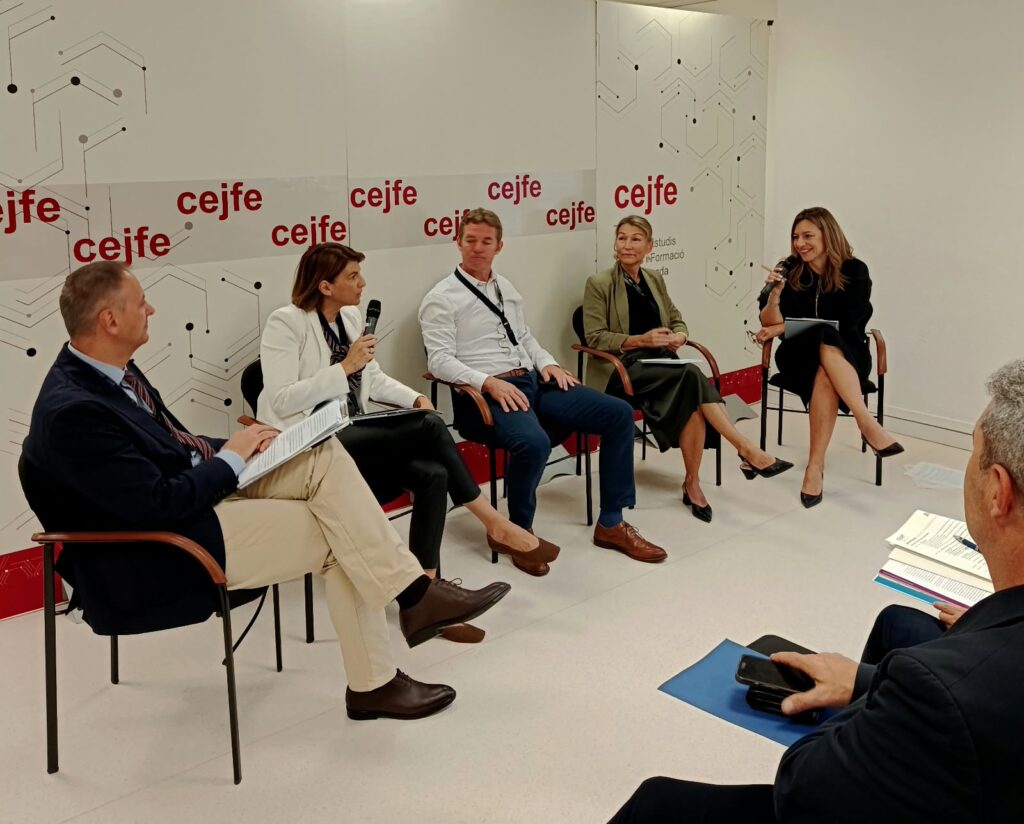
The sixth International Training School on Core Correctional Skills (ITSCCS) took place in Barcelona from 28 September to 2 October 2026, bringing together 26 participants for a week of learning, practical training and international exchange. Organised by the Confederation of European Probation (CEP) and the Centre for Legal Studies and Specialised Training (CEJFE), the programme focused on “Clicks and Empathy: Core Correctional Skills in Digital Probation.”
Recap
Framework Decisions
Recap: ERA workshop on Framework Decisions 829 and 947 in Bucharest
02/10/2026
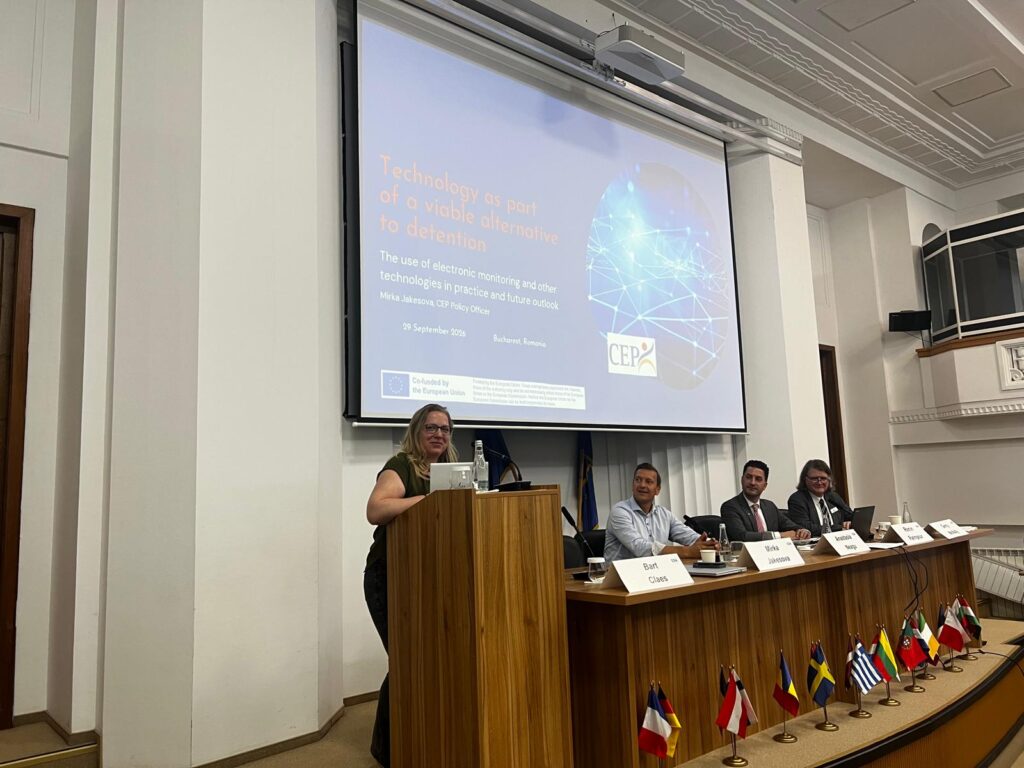
CEP Vice-President Daniel Danglades, Ambassador Gerry McNally and Policy Officer Mirka Jakesova participated in the Seminar on Framework Decisions 829 and 947 and their Impact on Alternatives in the EU organized under the EU project run by the Academy of European Law on 28-29 September in Bucharest, Romania. The seminar brought together judges, prosecutors, probation practitioners, academics, and policy experts to discuss the growing role of alternatives to detention within European criminal justice systems.
New
CEP
CEP and Catalan justice leaders reaffirm longstanding cooperation
29/09/2026
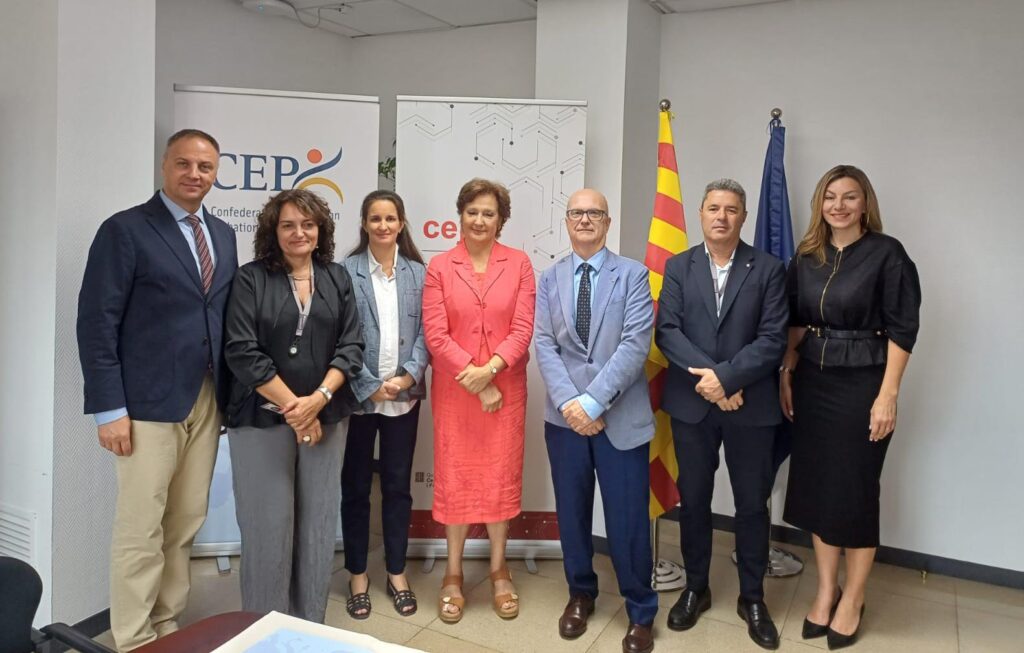
Representatives of the Confederation of European Probation (CEP) met with senior officials from the Catalan Department of Justice and Democratic Quality in Barcelona on 28 September 2026, alongside the opening of the sixth International Training School on Core Correctional Skills. The meeting offered an opportunity to recognise a longstanding partnership and discuss its continued development.
Updated
Mental Health
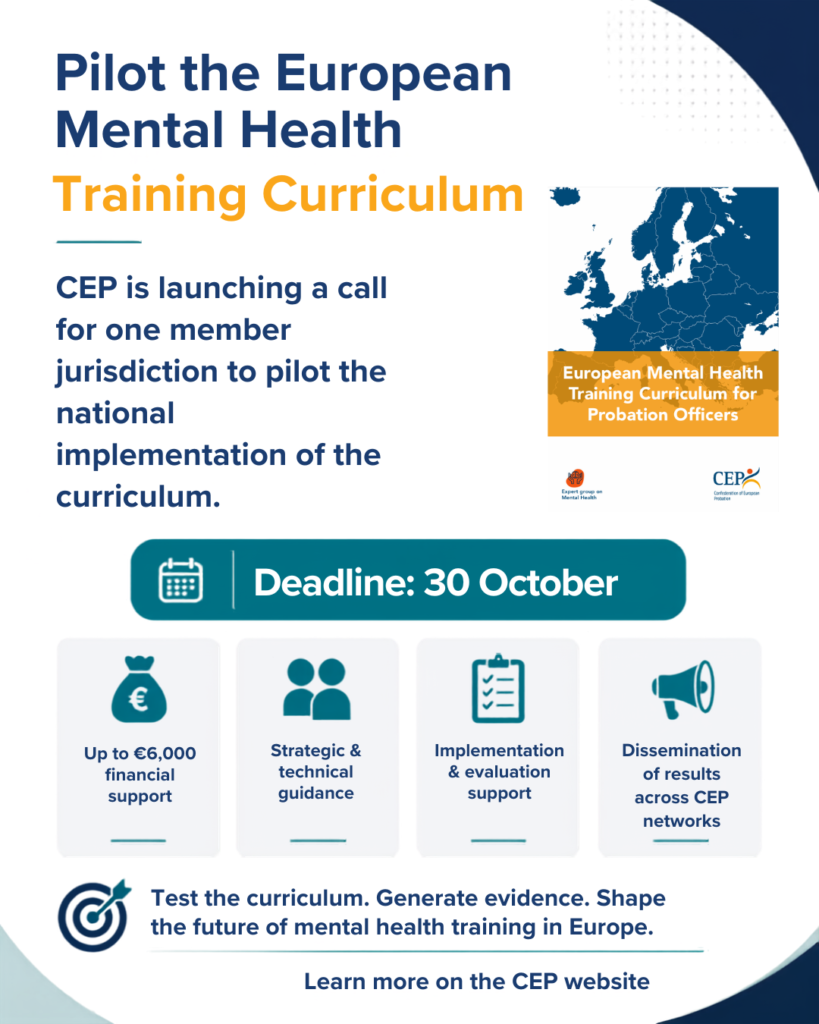
DEADLINE EXTENDED: Call for Pilot Implementation of the European Mental Health Training Curriculum
29/09/2026
Good news for CEP members! Following requests from our members, CEP has extended the deadline to apply for the pilot implementation of the European Mental Health Training Curriculum for Probation Officers.
Recap

ITSCCS, Technology
6th International Training School opens in Barcelona with a focus on digital probation
28/09/2026
How can probation professionals use new technologies in their interactions while building trust, showing empathy and supporting change? This question is at the heart of the sixth International Training School on Core Correctional Skills, which opened in Barcelona on 28 September 2026.
Subscribe to our bi-monthly email newsletter!
"*" indicates required fields
- Keep up to date with important probation developments and insights.