

Previous Article
News
Dutch Suspects of Terrorist Activity: A Study of Their Biographical Backgrounds Based on Primary Sources
European countries had and have to deal with a lot of terrorist attacks in the last couple of years. It is alarming that some of the most successful terrorist were already on the radar of the intelligence agencies. Predicting who will engage in terrorism is hampered by the absence of a typology of terrorists. Present and historic research agree that terrorists differ greatly in backgrounds, motivations and personality traits. In their article ‘Dutch Suspects of Terrorist Activity: A Study of Their Biographical Backgrounds Based on Primary Sources’ Maarten van Leyenhorst and Ada Andreas analyse the biographical backgrounds of clients of the Dutch Probation Service that have been suspected of terrorist activity.
Maarten van Leyenhorst is a former probation officer of the TER- team (Terrorism, Extremism and Radicalisation) within the Dutch Probation Service. Ada Andreas was involved in this special unit as a Senior Policy Advisor. The TER-team focusses on the risk-assessment of suspects and the supervision of terrorist offenders within the Dutch Probation Service. Both authors have years of experience working for this specialised unit. Their article is based on Maarten’s research for his thesis “Characteristics and Motivations of Dutch (suspected) Terrorists” (Van Leyenhorst, 2016). Their aim was to produce a structured overview of the biographical backgrounds of the suspected terrorists and contribute to the debate on the management of terrorist offenders.
Why is this research important?
Maarten van Leyenhorst: “There is more secondary research available than research based on primary resources. The Dutch Probation Service has a lot of information available about this group of offenders. It gives us a good insight in who we are dealing with.”
Ada Andreas: “There is not much information or research available about this target group yet. There is a lot we don’t know and that is why we need to continue to learn about and research this certain group of offenders.”
The research
By using primary-source data, this study adds new insights to existing information and historical findings. The authors had access to official police and prosecutor’s data. Information on certain characteristics and motivations of twenty-six Salafi-Jihadi clients were analysed.
Is it possible to identify a certain pathway these offenders go through?
Maarten van Leyenhorst: “Establishing pathways from from 26 files out of such a heterogenous group, has unfortunately not been possible. Also within our research sample, backgrounds and motivations differed greatly. You will need several hundreds of case files to determine overlapping trajectories. We did, however, find some overlapping.”
Ada Andreas: “It is difficult to identify a certain pathway. You also need to keep in mind that these pathways are changing when time passes as well. We see that the feeling of being part of a group is very important for them, but there is no recipe for a terrorist.”
What outcomes of the research you have done, were the most interesting?
Ada Andreas: “I thought that the roll of the family was very interesting. In many of the cases they warned the authorities, because they were afraid that their child was getting involved in terrorist activity. The response of authorities was often not very adequate. The result was that they did not get the help that was needed and lost their confidence in the authorities. This is something that needs to change. The prevention of radicalism is very important.”
Maarten van Leyenhorst: “I completely agree with Ada. We need to invest in facilitating gatekeepers and bystanders. Families are in the frontseat when it comes to identifying early radicalisation. For example, we identified that almost none of the offenders were raised according to strict Islamic guidelines. Despite the absence of a religious background, many families started to notice how their children started to impose strict religious guidelines in their families’ lives. It was furthermore noteworthy that the majority of the group grew up without a father being present and we were struck by the high presence of family relations, especially brothers and wives. We saw female extremists recurring in many files, but at the same time witnessed the inability to prosecute them successfully. Based on our experience, females conducted very specific tasks in the networks, such as recruiting and facilitating contact between terrorists. However, it has proven to be difficult to find enough legal evidence to convict females for terrorist activity.”
Future research
Will you continue to do research on this topic in the future?
Maarten van Leyenhorst: “I’m not a part of the TER-team anymore, but I am currently active as Trainer and Researcher at the Dutch Institute of Forensic Psychiatry & Psychology (NIFP) Here I am involved in two European Projects on violent extremism and I continue to do research on this topic.”
Ada Andreas: “For my master thesis I will continue to do more research on this topic. I will be looking at the different paths the offenders go through in their lives and I want to discover at what point they get involved with terrorist activity.
Are you interested in reading ‘Dutch Suspects of Terrorist Activity: A Study of Their Biographical Backgrounds Based on Primary Sources’? Please click on the link.

Related News
Keep up to date with the latest developments, stories, and updates on probation from across Europe and beyond. Find relevant news and insights shaping the field today.
New
Technology
Registration deadline approaching: Join CEP’s final workshop of 2026 on technology in probation
22/10/2026
📢 Have you registered yet? CEP’s final workshop of 2026 takes place on 24 November in Barcelona, bringing together professionals to explore how technology is being used across probation services in Europe.
The Workshop on Alternatives to Detention and Technologies: Deep Diving into New Trends will look beyond artificial intelligence to examine the different ways technology is shaping probation practice, from staff training to working with clients and collaborating with other criminal justice partners.
Recap
Directors General Meetings
CEP Leadership Excellence Training: strengthening leadership and cooperation across Europe
22/10/2026
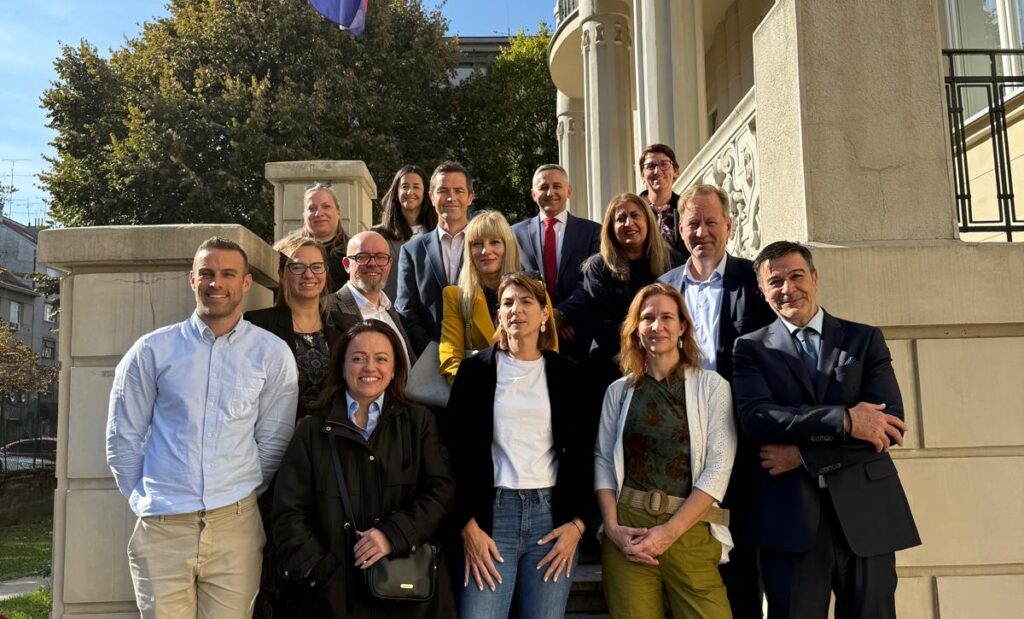
The CEP Leadership Excellence Training, held on 20–21 October in Zagreb, Croatia, brought together Directors General and senior probation managers from 11 European countries for a two-day interactive programme focused on leadership, communication, staff development, and international cooperation.
New

CEP
Call for Proposals: Evaluation of CEP Expert Groups
21/10/2026
On behalf of Ms. Jana Špero Kamenjarin, CEP Secretary General, it is my pleasure to invite you to submit a proposal to conduct an evaluation within the CEP work programme.
Recap
Uncategorized
CEP at UNODC: Contributing to the Development of Probation Services Worldwide
19/10/2026
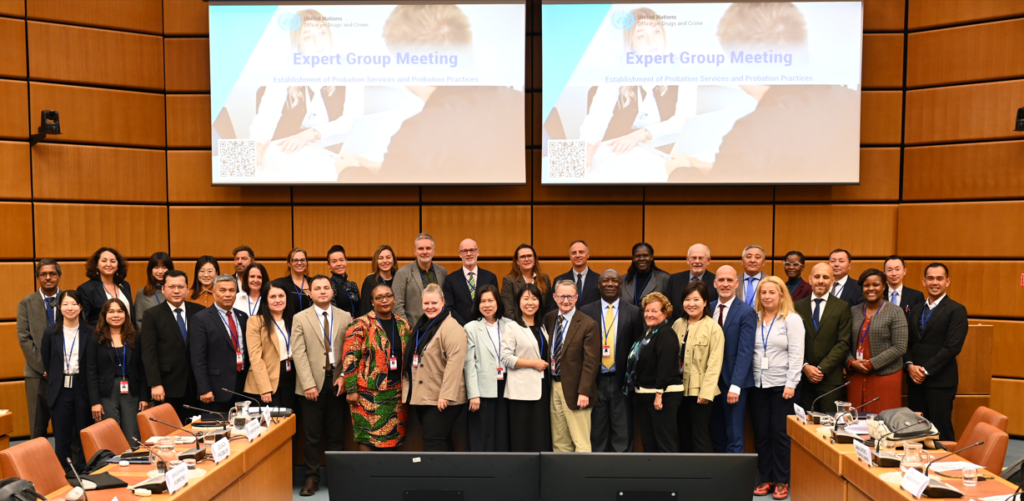
The Confederation of European Probation (CEP) was represented by its Secretary General, Jana Špero Kamenjarin, at the Expert Group Meeting on the Establishment of Probation Services and Probation Practices, organised by the United Nations Office on Drugs and Crime (UNODC) and held at the Vienna International Centre (VIC) from 12 to 14 October 2026.
Recap
Electronic monitoring, Technology
14th Electronic Monitoring Conference, Electronic Monitoring in a Changing World – Perception vs Reality
08/10/2026
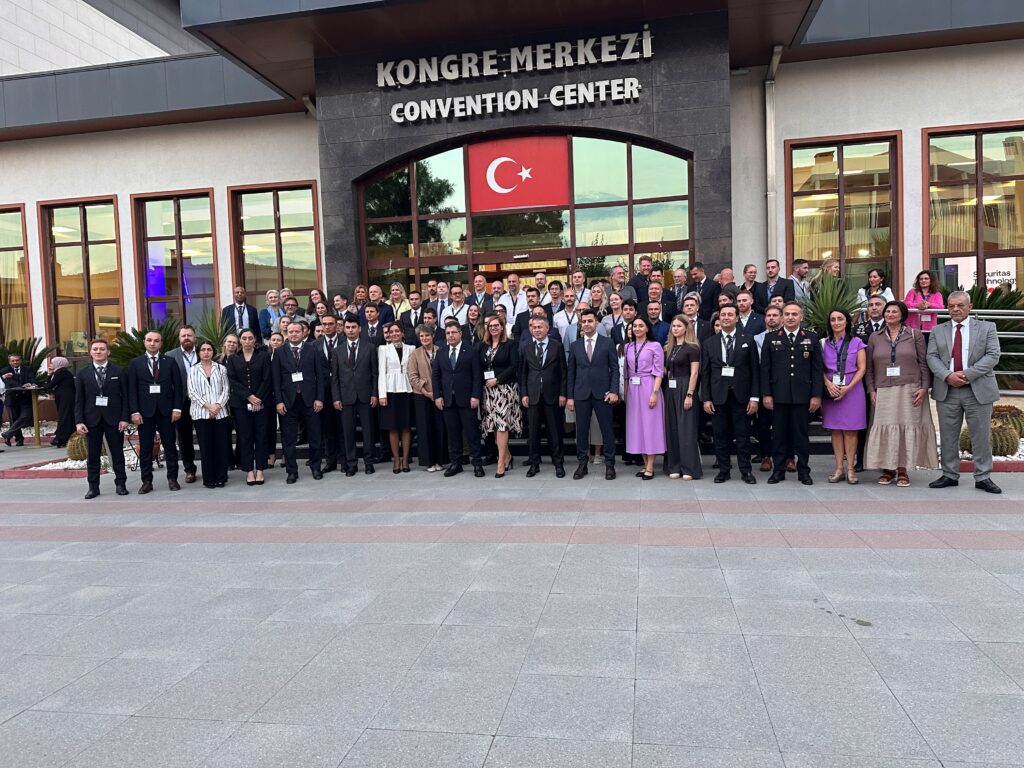
On 6-8 October 2026, Antalya hosted the 14th Electronic Monitoring Conference “Electronic Monitoring in a Changing World – Perception vs Reality”. More than 350 participants coming from 32 countries across Europe and worldwide representing probation services, Ministries of Justice, victims´ services, EM providers, researchers as well as local participants representing the Turkish Prison and Probation Service gathered to discuss how electronic monitoring (EM) is understood by all stakeholders involved including the victims and the public, and how these perceptions compare to the evidence and experiences of those affected. While the gap between perception and reality in electronic monitoring has been recognised for over a decade, the rapid expansion of EM into areas such as victim protection, high-risk supervision and digital innovation has brought new challenges and questions to the forefront.
Recap
ITSCCS
Core Correctional Skills in Digital Probation: highlights from the 6th ITSCCS in Barcelona
05/10/2026
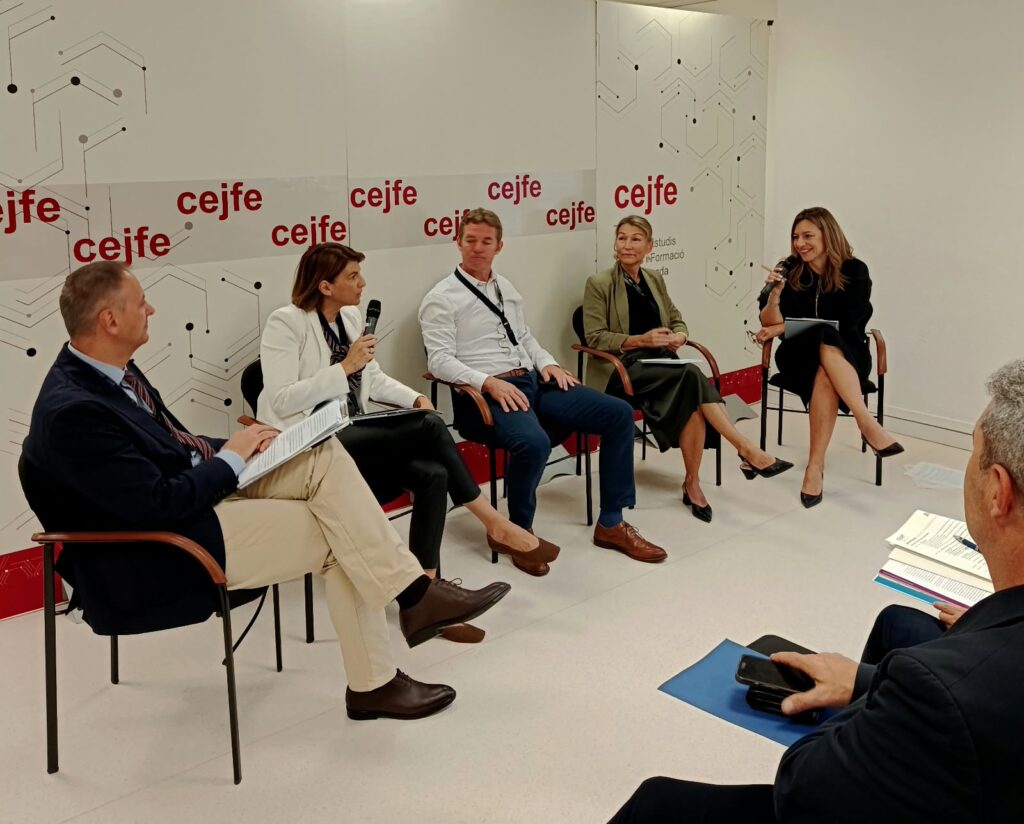
The sixth International Training School on Core Correctional Skills (ITSCCS) took place in Barcelona from 28 September to 2 October 2026, bringing together 26 participants for a week of learning, practical training and international exchange. Organised by the Confederation of European Probation (CEP) and the Centre for Legal Studies and Specialised Training (CEJFE), the programme focused on “Clicks and Empathy: Core Correctional Skills in Digital Probation.”
Subscribe to our bi-monthly email newsletter!
"*" indicates required fields
- Keep up to date with important probation developments and insights.