

Previous Article
News
CEP awards winner in the spotlight part I: Rehabilitation in the community
In October 2016, CEP launched the CEP awards, a celebration of outstanding contributions to probation. The awards scheme reflects CEP’s vision: to contribute to safer communities by rehabilitating and reintegrating offenders and providing the best possible interventions to reduce re-offending and the impact of crime. First of 4 categories is Rehabilitation in the community. Winner is Fiona Deacon for the Women’s Problem Solving Court, Manchester and Salford Magistrates Court.
Women offenders are benefitting from a specialist court holds them to account for their actions, but also supports their rehabilitation. That’s in short what the Manchester and Salford Problem Solving Court stand for. The court id specifically for female offenders who have committed a crime that puts them at risk of a jail sentence. The initiative was designed by Fiona Deacon, probation officer for the National Probation Service (NPS). Since being launched, almost 60 women have attended the court. Most of them are sentenced to Community Orders.
Probation court staff identify women who are appropriate for the sentence. Each offender is then the focus of a meeting involving the agencies that have a role in supporting them. All of those involved then create a sentence plan aimed at meeting the offender’s needs and reducing their likelihood of reoffending.
It is 3 years ago when in a meeting Fiona Deacon discussed how to reduce the number of women going into custody from Manchester and Salford Magistrates Court, particularly women with young children who as a result of their incarceration would end up in LA care. The idea for a Women’s Problem Solving Court was born. As a result of the conversation Fiona took on the mantle wholeheartedly and began to seek out the key partners.
The first step was to convince that this could both work and was necessary. There were many objections from the court staff, Fiona was told it was impossible or even not legal and some people openly laughed at the suggestion. Fiona set out her design, arranged regular meetings, tailored the approach to target women with multiple issues and convinced them to “give it a go”. Criteria for the Women’s Problem Solving Court cohort focuses on those who are at risk of short term custody, who present with four or more complex needs and are motivated to comply. Baroness Corston’s ‘Review of Women with Particular Vulnerabilities in the Criminal Justice System’ (Corston, 2007) highlighted that the multiple, complex needs of women offenders, require a multi-agency, woman centered and holistic approach, if their offending is to be reduced.
The complex needs are:
- Accommodation;
- Finances;
- Drugs or alcohol;
- Domestic violence;
- Mental health;
- Self-harm;
- Children services involvement.
Fiona: “The results we are seeing are very positive. By bringing the offender to a sentence planning meeting, we start addressing their problems often before their community order is imposed. Offenders are often nervous when they attend, but invariably leave the feeling overwhelmed that others care about their issues. Once problems clearly linked to their decision to offend are addressed, these problems can often be resolved. This in turn lowers their likelihood of re-offending.”
The CEP award for the category of Rehabilitation in Community was handed at the CEP Conference on Alternatives to detention in Bucharest by Mr. Mr. Mihai Dima, General Director of the Romanian National Probation Directorate and Mr. Gerry McNally, President of CEP. As Ms. Fiona Deacon could unfortunately not attend the conference, the award received by her colleague, Ms. Katie Thomson.

Related News
Keep up to date with the latest developments, stories, and updates on probation from across Europe and beyond. Find relevant news and insights shaping the field today.
Recap
Electronic monitoring, Technology
14th Electronic Monitoring Conference, Electronic Monitoring in a Changing World – Perception vs Reality
08/10/2026
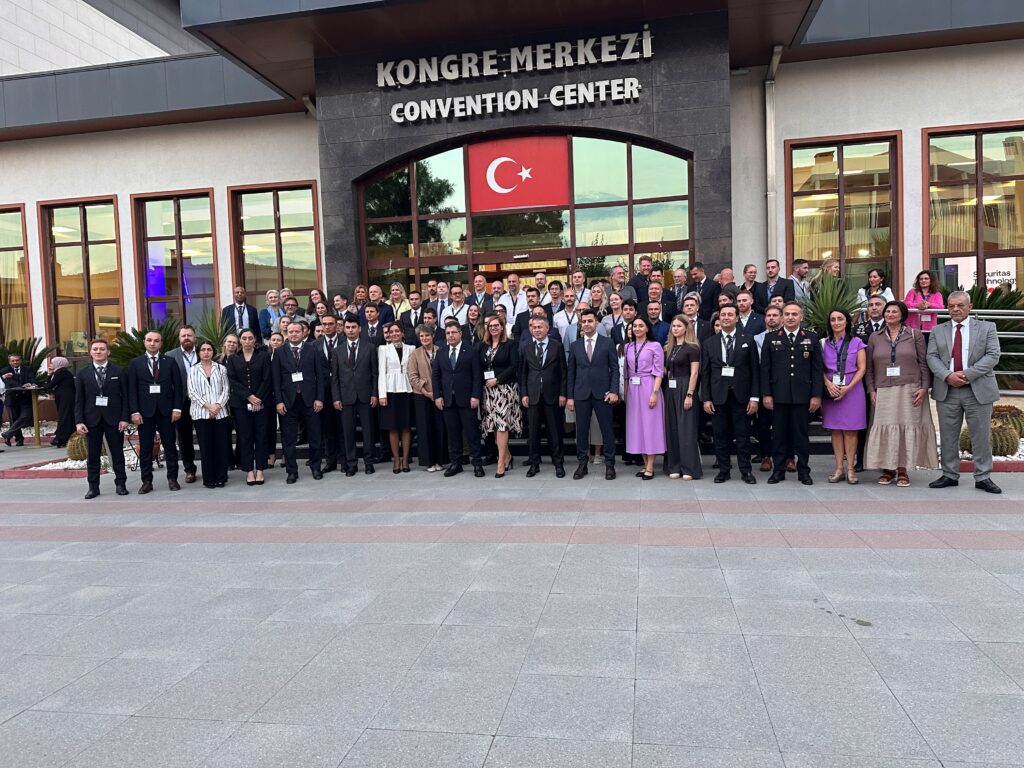
On 6-8 October 2026, Antalya hosted the 14th Electronic Monitoring Conference “Electronic Monitoring in a Changing World – Perception vs Reality”. More than 350 participants coming from 30 countries across Europe and worldwide representing probation services, Ministries of Justice, victims´ services, EM providers, researchers as well as local participants representing the Turkish Prison and Probation Service gathered to discuss how electronic monitoring (EM) is understood by all stakeholders involved including the victims and the public, and how these perceptions compare to the evidence and experiences of those affected. While the gap between perception and reality in electronic monitoring has been recognised for over a decade, the rapid expansion of EM into areas such as victim protection, high-risk supervision and digital innovation has brought new challenges and questions to the forefront.
Recap
ITSCCS
Core Correctional Skills in Digital Probation: highlights from the 6th ITSCCS in Barcelona
05/10/2026
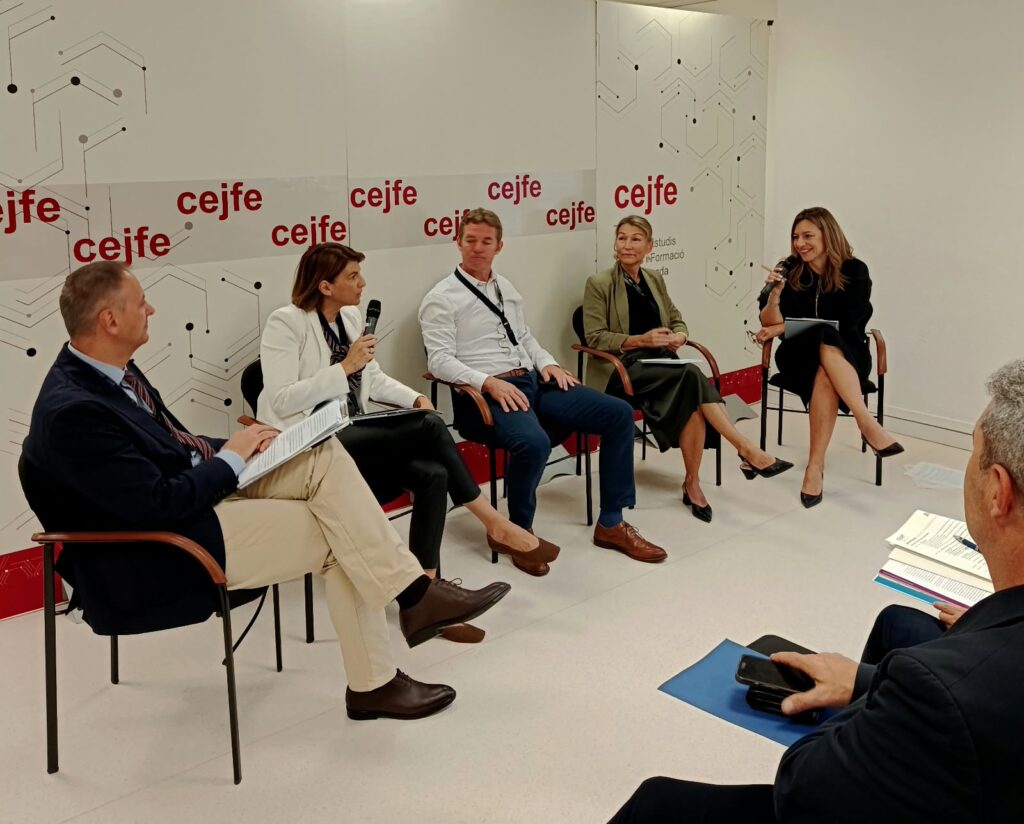
The sixth International Training School on Core Correctional Skills (ITSCCS) took place in Barcelona from 28 September to 2 October 2026, bringing together 26 participants for a week of learning, practical training and international exchange. Organised by the Confederation of European Probation (CEP) and the Centre for Legal Studies and Specialised Training (CEJFE), the programme focused on “Clicks and Empathy: Core Correctional Skills in Digital Probation.”
Recap
Framework Decisions
Recap: ERA workshop on Framework Decisions 829 and 947 in Bucharest
02/10/2026
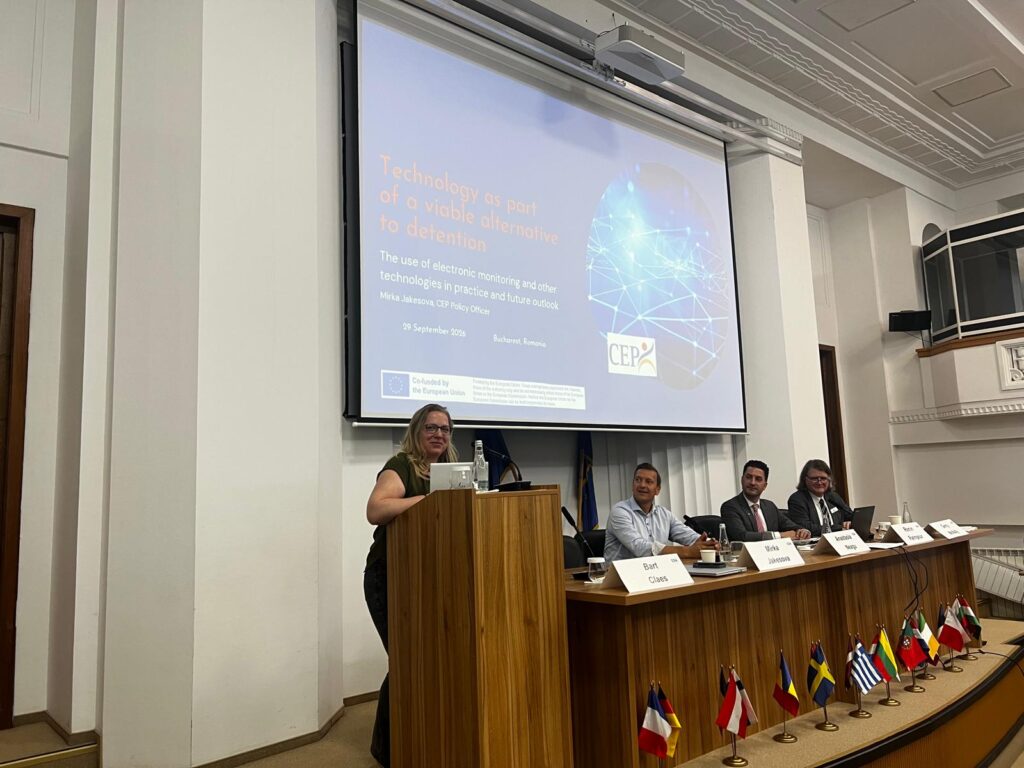
CEP Vice-President Daniel Danglades, Ambassador Gerry McNally and Policy Officer Mirka Jakesova participated in the Seminar on Framework Decisions 829 and 947 and their Impact on Alternatives in the EU organized under the EU project run by the Academy of European Law on 28-29 September in Bucharest, Romania. The seminar brought together judges, prosecutors, probation practitioners, academics, and policy experts to discuss the growing role of alternatives to detention within European criminal justice systems.
New
CEP
CEP and Catalan justice leaders reaffirm longstanding cooperation
29/09/2026
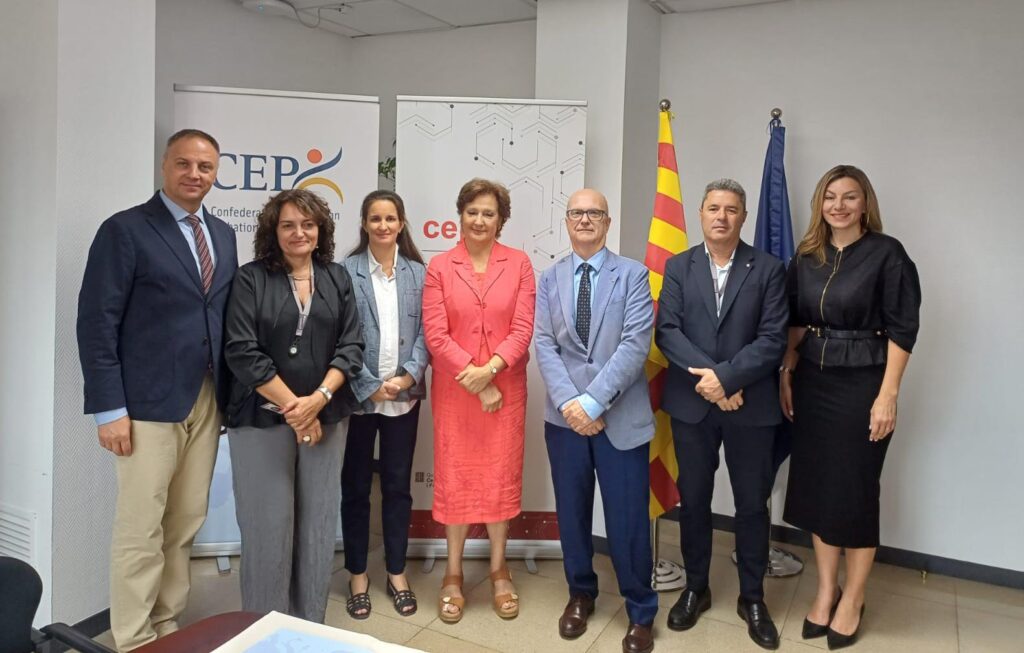
Representatives of the Confederation of European Probation (CEP) met with senior officials from the Catalan Department of Justice and Democratic Quality in Barcelona on 28 September 2026, alongside the opening of the sixth International Training School on Core Correctional Skills. The meeting offered an opportunity to recognise a longstanding partnership and discuss its continued development.
Updated

Mental Health
DEADLINE EXTENDED: Call for Pilot Implementation of the European Mental Health Training Curriculum
29/09/2026
Good news for CEP members! Following requests from our members, CEP has extended the deadline to apply for the pilot implementation of the European Mental Health Training Curriculum for Probation Officers.
Recap
ITSCCS, Technology
6th International Training School opens in Barcelona with a focus on digital probation
28/09/2026
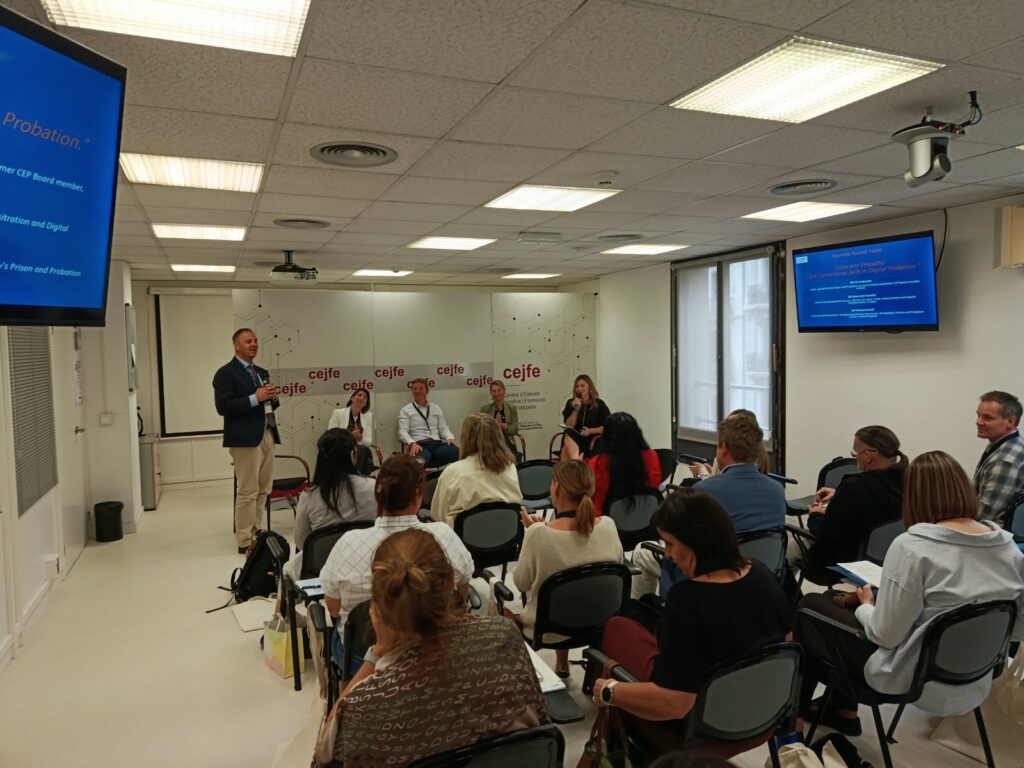
How can probation professionals use new technologies in their interactions while building trust, showing empathy and supporting change? This question is at the heart of the sixth International Training School on Core Correctional Skills, which opened in Barcelona on 28 September 2026.
Subscribe to our bi-monthly email newsletter!
"*" indicates required fields
- Keep up to date with important probation developments and insights.