

Previous Article
News
Recap: Conference ‘Probation meets Prevention’, Leipzig
CEP organised a conference on the theme “Probation meets Prevention”, to coincide with the German Congress on Crime Prevention and the International Forum of the 13th German Prevention Day in Leipzig on 1-3 June 2008. Gerry McNally, Assistant Director of Operations in the Probation Service in Ireland and workshop leader of the conference, reports.
The involvement of probation services in crime prevention measures has been given special attention in the description of the aims of some national probation organisations. The CEP conference proposed to consider the engagement of Probation with Prevention through a series of presentations and group discussion sessions.
Dwarfed by the much larger International Forum, with a very small and disparate attendance and a most eclectic programme, the workshop had considerable difficulty establishing an effective forum for discussion, sharing or learning. A similar situation has occurred in other workshops; however, there were some workshops in which a lively discussion did develop, resulting in declaration. In any case, the absence of the Saxony Probation Service was particularly puzzling and disappointing.
My colleague, Suzanne Vella, CEP Board member, and I led a group discussion on effective community engagement based on the experience of the Probation Service in Ireland.
Participation in community partnerships, funding and support of community based projects working to reduce offending, and the provision of Community Service work for the benefit of neighbourhoods and communities have been identified as positive and valued Probation Service actions in engaging with communities and enhancing the work of the Service in Ireland.
The Probation Service has a tradition of working in partnership and engaging with communities. The Government prioritisation of ‘joined up government’ includes the close and co-operative working of statutory, community and voluntary bodies.
With a staff of 500 and offices in over 40 locations across Ireland, the Probation Service works in communities and seeks to involve them in the work of the Service to reduce re-offending and to enhance community safety.
Participation by The Service in local and regional community partnerships and initiatives contributes knowledge and expertise, enhances good relations, improves access to support and resources and reduces marginalisation of offenders.
Through financial and resource support for voluntary, community and neighbourhood projects and initiatives working with offenders, the Probation Service has developed valuable and important local links and resources.
In 2007 the Probation Service invested almost 40% of its budget in funding to community and voluntary projects providing education and training, employment placement, accommodation, restorative justice interventions and other services for offenders, adding value to the work of the Service and benefit to their communities.
The group discussed examples of good practice and effectiveness in working with non-government organisations, local community groups and single task community based initiatives. There was also discussion of challenges, including governance in the non-profit sector, measurement of outputs and outcomes and coping with mission drift, informality and diverging interests.
Community Service is an important and increasing resource providing unpaid work on local projects by offenders, work which would not otherwise be done, for the benefit of the community. In 2007 Community Service provided more than 180,000 hours of unpaid work to communities.
The Probation Service consults with local communities to identify projects and tasks. Community Service projects include maintenance of community centres and facilities, graffiti removal and site rehabilitation, development of facilities for communities such as school gardens, community landscaping, environmental initiatives etc.
Communities are valued and important partners in the work of the Probation Service to the benefit of each. It is a relationship built on co-operation, trust and respect.
Gerry NcNally
For the presentation on the Probation Service in Ireland (in English), you can click here.
If you wish or further information on its content please e-mail gpmcnally@probation.ie
Click here for the report of the CEP workshop “Prevention meets Probation”, held at the 13th Deutsche Praeventionstag on the 1st till the 3rd of June 2008 in Leipzig, Germany.

Related News
Keep up to date with the latest developments, stories, and updates on probation from across Europe and beyond. Find relevant news and insights shaping the field today.
New

Others
Applications for the Cambridge MSt in Applied Criminology, Penology and Management are now open
16/09/2026
The Institute of Criminology, Cambridge, have opened up applications for the MSt in Applied Criminology, Penology and Management in the next academic year.
Recap
Probation in Europe
CEP at the Leadership Conference 2026
14/09/2026
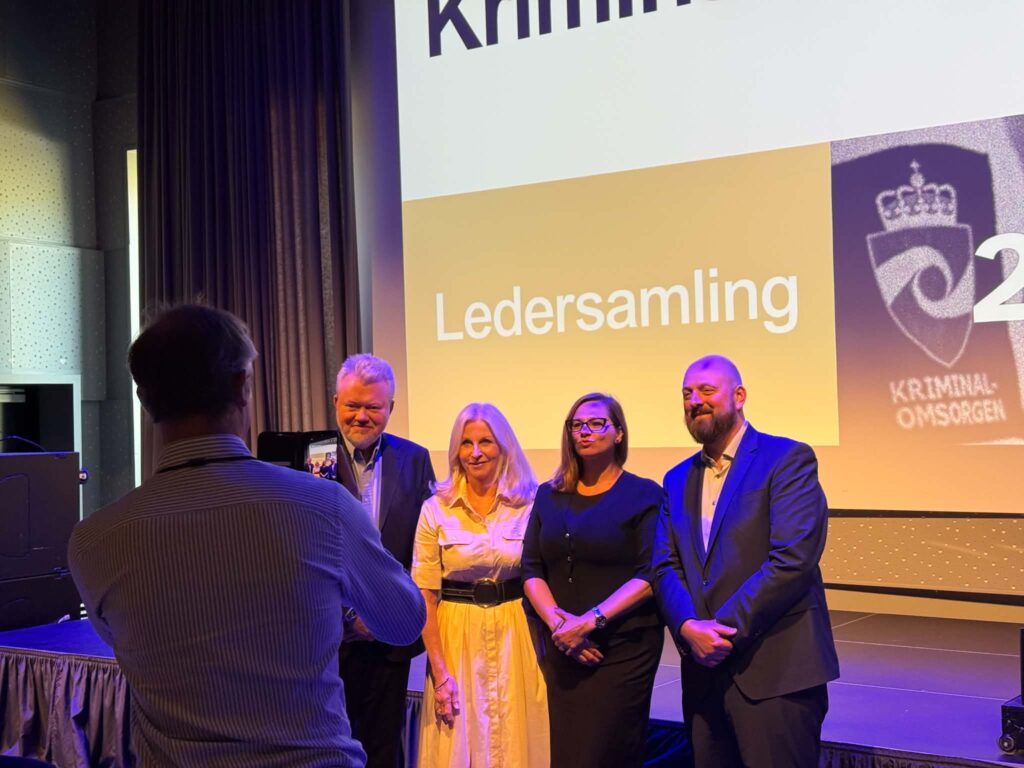
CEP Secretary General Jana Špero Kamenjarin was delighted to participate in the Leadership Conference 2026 of the Norwegian Correctional Service, held on 9–10 September in Oslo.
Recap

Foreign Nationals in Prison and Probation
Recap: Expert Group of CEP and EuroPris, on Foreign Nationals in Prison and Probation (FNPP)
14/09/2026
On 7 and 8 September 2026 the joint Expert Group of CEP and EuroPris, on Foreign Nationals in Prison and Probation (FNPP), came together in The Hague for a valuable exchange of ideas, experiences, and expertise on one of the most important challenges facing prison and probation services across Europe.
New

CEP
Newsletter August 2026 out now
27/08/2026
CEP’s latest newsletter is out now! It includes:
- Approaching deadlines for upcoming events (ITSCCS26, 14th EM and DG leadership training) and the Mental Health curriculum pilot)
- Call for European Probation Journal on the topic of Workload in Probation
- EU documents like SPACE II, revised Victims’ Rights directive and so on
- and much more!
New

Caseload and workload
Do you work in probation? We need your voice!
24/08/2026
As part of its long-standing cooperation with research, CEP invites its members to contribute to a special edition of the European Probation Journal on the topic of Workload in Probation.
New

Alternatives to pre-trial detention, Foreign Nationals in Prison and Probation, Gender Equality, Probation in Europe
SPACE II report is now available
24/08/2026
The use of community sanctions and measures that allow individuals to remain in the community – also known as alternatives to imprisonment – continues to grow overall in Europe, although at a moderate pace, according to the latest Council of Europe annual penal statistics on persons under the supervision of probation agencies (2025 SPACE II survey).
Subscribe to our bi-monthly email newsletter!
"*" indicates required fields
- Keep up to date with important probation developments and insights.