Previous Article
Briefly about the project
The project aims to provide wider access to inclusion programs for the youth at risk of re-offending (21-30 years old prison inmates or probation clients) through preventive work and transformative theater, based on non-formal learning methods. Experts from each partner organization are creating manuals with 30 non-formal learning methods for the youth workers. The common goal of the partner organizations is to focus on lessening the social exclusion of young people who have committed a crime; reduce the risk of new crimes and promote their ability to communicate with other people. The objectives of this project are in line with the Erasmus+ priority: Inclusion and Diversity.
The idea of the project is based on the recognition that the causes of illegal behavior in young people are often negative childhood experiences (Adverse Childhood Experiences – ACE). Therefore, when working with crime prevention, the impact of these experiences must be taken into account and addictions and violent behavior must be reduced.
It is important to increase the knowledge of young people and youth about healthy commitments and developed a proactive attitude by timely identifying, understanding and preventing the risk of delinquency. Topics such as violence, substance abuse and human rights are addressed during the development of the methods.
Expected results
The project’s goal consists of creating a network of youth workers trained to understand the importance of preventive education through non-formal learning and its role in reducing the recidivism of these youths. The outcomes of the project will be applied in working with the youth on a daily basis.
During the project experts will develop a manual, which will include:
- at least 30 non-formal education methods intended for young people;
- comments on the implementation of these methods;
- guidelines developed by experts for youth workers.
Each partner organization will involve at least 50 participants (21-30 years old probation clients) for local activities, for instance, to test developed methods.
Overview of the implemented activities
The pace of the project activities is quite intensive. They include:
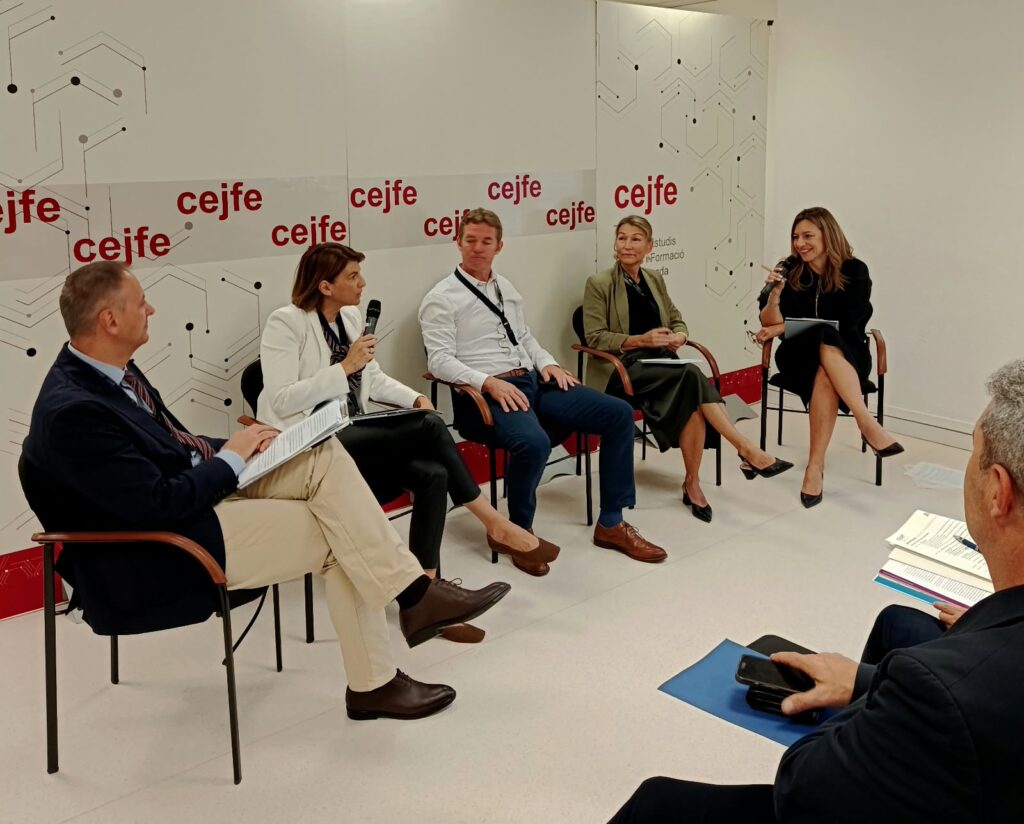
- 1-2 remote meetings are held every month, during the meeting the experts and administrative staff involved in the project can receive answers to current questions and check the work plan.

- 2 international meetings were held in person.
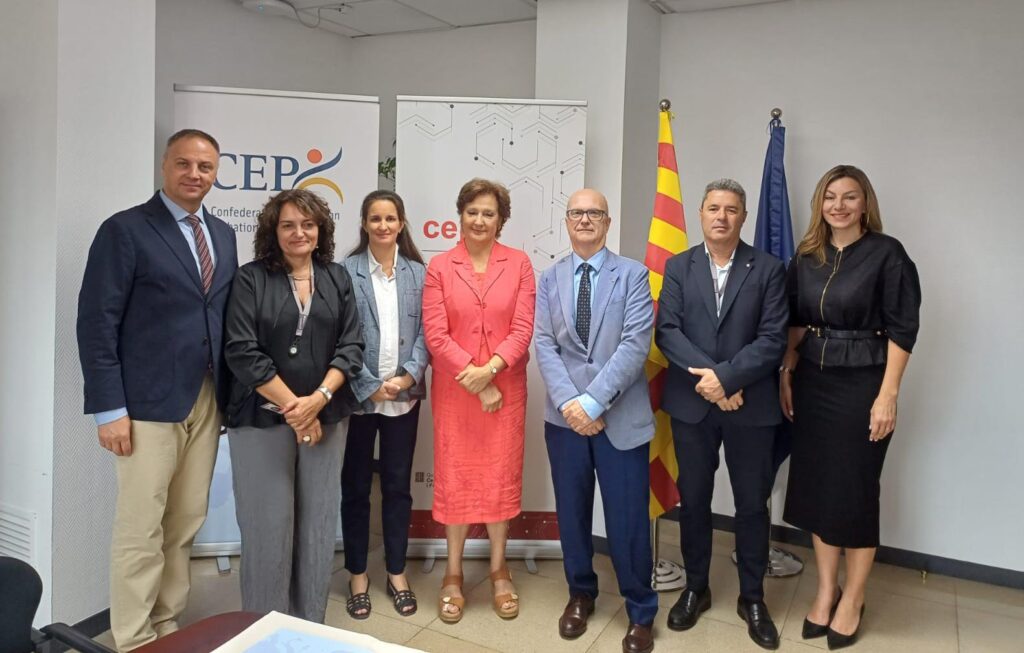
- The first such meeting took place in May 2022, in the Spanish city Murcia. This meeting was the cornerstone of the entire project implementation process. During the meeting, the administrative managers of the project discussed and agreed on the important aspects of developing the methods;
- The second international meeting was held in Latvia, Riga, at the end of November 2022, when colleagues from Romania and Spain visited the SPS and planned the next steps of project implementation in detail.


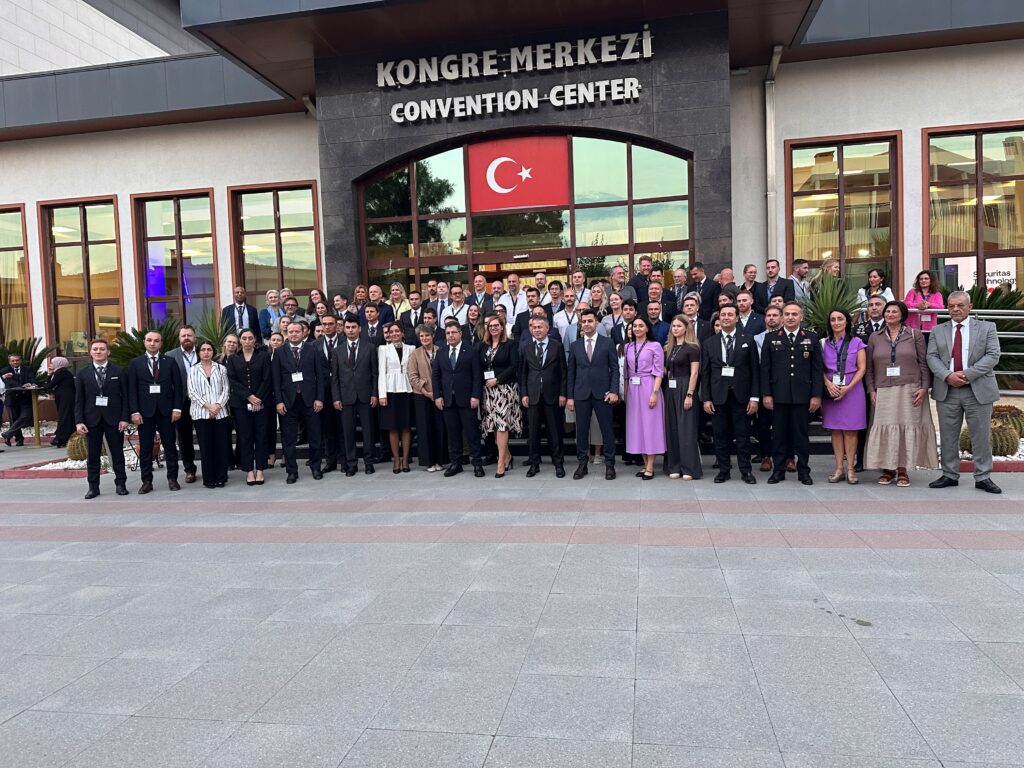
- From October 8 to October 15, 2022, the first training course for probation specialists was held in Oradea, Romania. The aim of the course was to test in practice and improve the developed 15 non-formal education methods. Youth specialists from each partner organization participated in the training, including seven representatives of the State Probation Service of Latvia. Upon returning from the study visit, the participants shared their experience with colleagues and now they continue to test the methods in working with probation clients, evaluating the method with an evaluation questionnaire specially created for this purpose. As noted by participants: “The training was a valuable stimulator of professional self-growth”. At the moment, are created 18 non-formal learning methods and 15 of them are tested in the training course.

The project lasts 28 months. Work on the project is planned to be completed at the beginning of 2024. Currently, the manual is being written in English, but later it will be translated into three languages - Latvian, Romanian and Spanish.
“Both using non-formal learning and closer cooperation with NGOs are priorities of SPS. Therefore this project is a great opportunity to reach both of them. The first year showed that both of these organizations are reliable partners and really creative at finding the right way in helping the young people to cope with their problems.”, says Krista Skara (Head of Probation Programs Department, The State Probation Service of Latvia).
You can find more about the progress in the implementation of the project on the “Explore Your Potential” Facebook page.
The project is co-financed by the European Union from the funds of the “Erasmus+” program.
This article was written by the State Probation Service of Latvia: Alexandra Vansovich (Project manager of the Performance Analysis and Development Department) and Jānis Nicmanis (Leading expert of the Performance Analysis and Development Department).