

Previous Article
News
How to become a probation officer: education and training in Europe
‘What kind of education do probation officers in Europe need at the start of their career?’ and ‘What kind of extra training do European probation officers need during their career?’ are the main questions CEP wanted to find answers to. That is why a research call was opened for its member. Joep Hanrath, lecturer and researcher at the University of Applied Sciences Utrecht carried out the research. We spoke to him about the project, the outcomes and the possibilities for the future.
This article is about a CEP-funded research project.
The Dutch Situation
The project caught Joep Harnath’s attention, because he works with this topic daily. “If you offer a bachelor in social work, you need to implement courses about the criminal justice sector as well. Together with organisations like the probation and prison services, forensic psychiatry as well as mandated youth care, the University of Applied Sciences Utrecht has developed a set of competences for the implementation of courses about the criminal justice sector in social work bachelors. These competences are now integrated in the bachelor curriculum of social work. The students need to have basic knowledge about, for example the work of a probation officer, when they finish their bachelor.” Further development after the bachelor is provided by in-company educational institutions. More experienced forensic social professionals are offered a program to obtain a master degree developed in close cooperation with professionals in the field.
European Probation Education
The scale that was used to measure the level of education in the countries that participated in the research project is the International Standard Classification of Education (ISCED). “We see that the minimum ISCED level that is asked when probation officers start working for a probation organisation is occasionally 5, but the average level is 6-7. This stands for a professional or academic bachelor and master. It is interesting to see that the level of education for probation officers is almost the same in every participating country.”
Joep Hanrath also found that most of the probation services offer extra training for their probation officers during the course of their career. According to him this is very important for these organisations. “We see that they all offer trainings about more specific topics, like protocols or electronic monitoring. The variety of extra training is very wide.”
In December 2018, a meeting with the participating countries took place in Utrecht. “They indicated that they have difficulties with combining good training programs. We can’t focus only on the trendy topics, like radicalisation. More consistent themes need to form a basis. How do we preserve a good combination?” Hanrath thinks it is ‘reassuring’ that the level of education in Europe for probations officers is the same in almost every country.
Future Networks
According to Joep Hanrath education and training is a very important topic in the probation sector, therefore he hopes that his findings will result in the creation of a network through which probation professionals can share knowledge about their training activities. “It would be wonderful if we could create a sort of ‘marketplace’, where professionals can find each other. What I found through my research is that people find education very important, there is a great need to share and learn from each other.” He was, in a good way, surprised by the fact that the participating probation officers indicated that they find a European network for education and training very important. ‘I absolutely loved that people are so eager learn from each other so badly’.
Joep Hanrath would like to stay involved in possible international networks with the University of Applied Sciences Utrecht. “Europe becomes smaller, students travel to study in another European country all the time. It would be good if they develop a ‘European feeling’ and learn what it is like to work together with people from other countries. In that way, it is easier for them to include these experiences in their work after they finished university.”
Read the research report ‘On becoming a good probation officer’ now!

Related News
Keep up to date with the latest developments, stories, and updates on probation from across Europe and beyond. Find relevant news and insights shaping the field today.
Recap
Electronic monitoring, Technology
14th Electronic Monitoring Conference, Electronic Monitoring in a Changing World – Perception vs Reality
08/10/2026
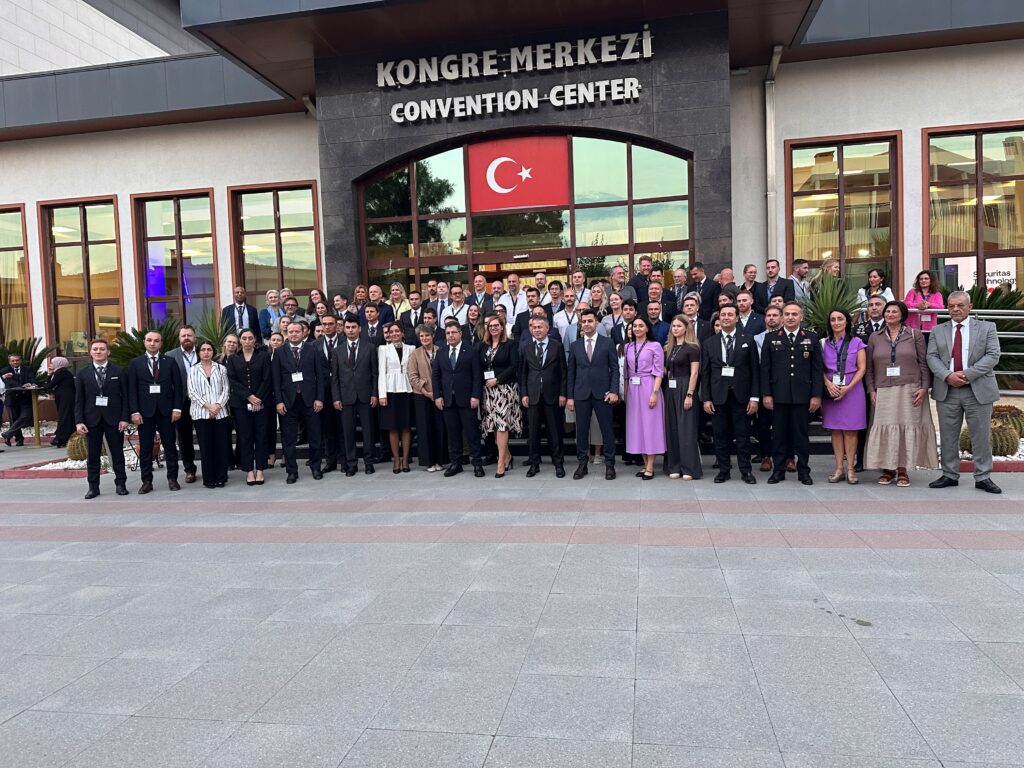
On 6-8 October 2026, Antalya hosted the 14th Electronic Monitoring Conference “Electronic Monitoring in a Changing World – Perception vs Reality”. More than 350 participants coming from 30 countries across Europe and worldwide representing probation services, Ministries of Justice, victims´ services, EM providers, researchers as well as local participants representing the Turkish Prison and Probation Service gathered to discuss how electronic monitoring (EM) is understood by all stakeholders involved including the victims and the public, and how these perceptions compare to the evidence and experiences of those affected. While the gap between perception and reality in electronic monitoring has been recognised for over a decade, the rapid expansion of EM into areas such as victim protection, high-risk supervision and digital innovation has brought new challenges and questions to the forefront.
Recap

ITSCCS
Core Correctional Skills in Digital Probation: highlights from the 6th ITSCCS in Barcelona
05/10/2026
The sixth International Training School on Core Correctional Skills (ITSCCS) took place in Barcelona from 28 September to 2 October 2026, bringing together 26 participants for a week of learning, practical training and international exchange. Organised by the Confederation of European Probation (CEP) and the Centre for Legal Studies and Specialised Training (CEJFE), the programme focused on “Clicks and Empathy: Core Correctional Skills in Digital Probation.”
Recap
Framework Decisions
Recap: ERA workshop on Framework Decisions 829 and 947 in Bucharest
02/10/2026
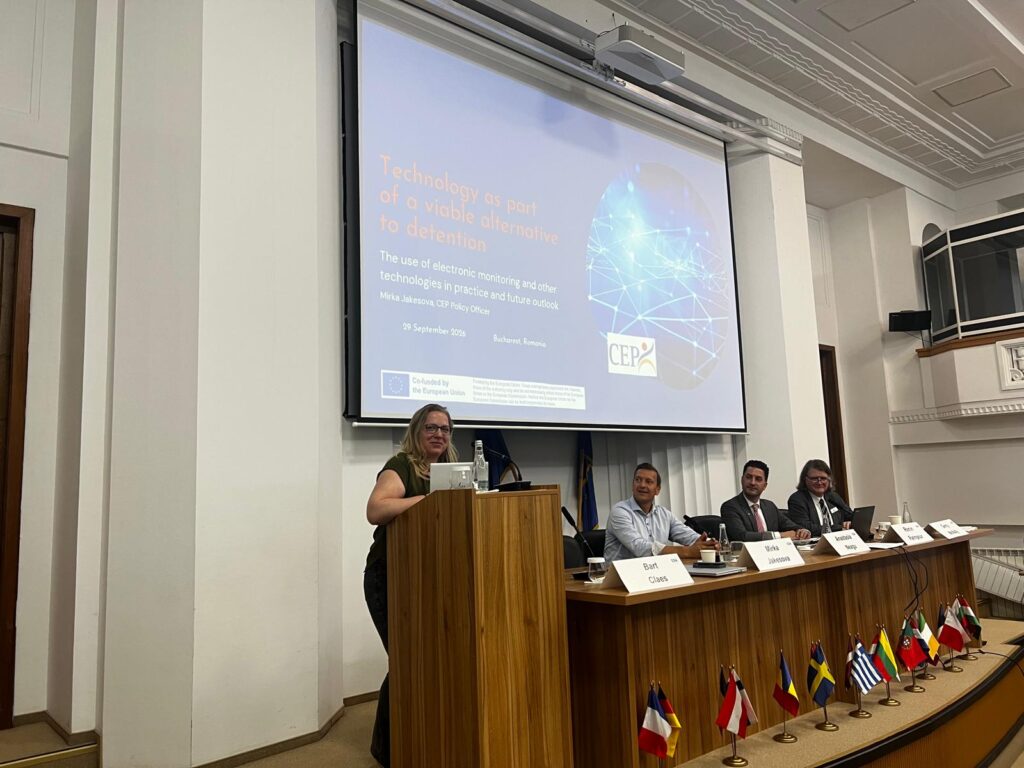
CEP Vice-President Daniel Danglades, Ambassador Gerry McNally and Policy Officer Mirka Jakesova participated in the Seminar on Framework Decisions 829 and 947 and their Impact on Alternatives in the EU organized under the EU project run by the Academy of European Law on 28-29 September in Bucharest, Romania. The seminar brought together judges, prosecutors, probation practitioners, academics, and policy experts to discuss the growing role of alternatives to detention within European criminal justice systems.
New
CEP
CEP and Catalan justice leaders reaffirm longstanding cooperation
29/09/2026
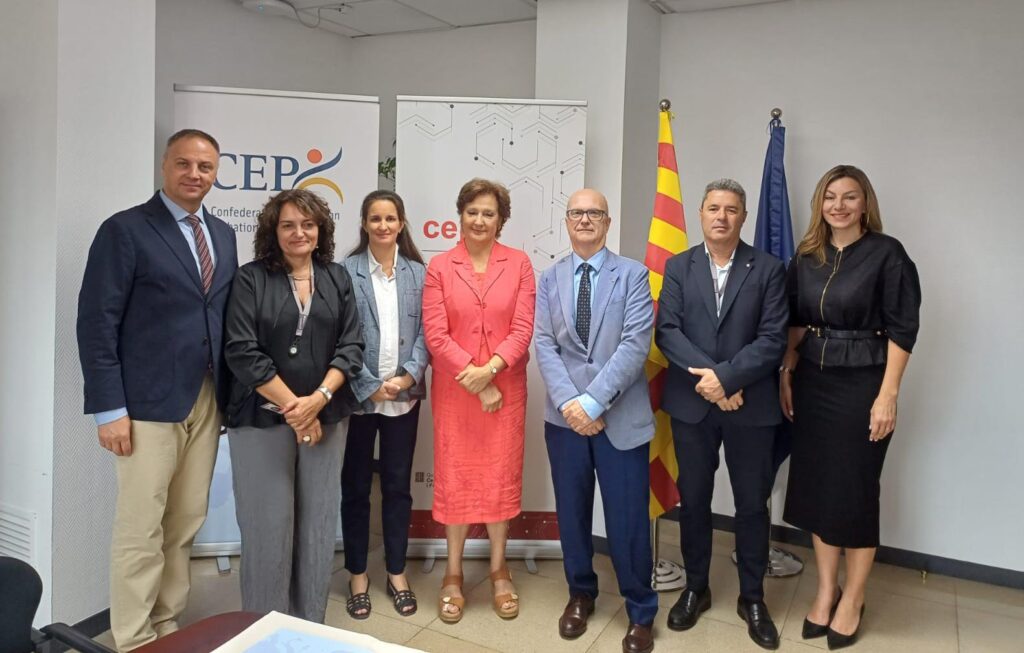
Representatives of the Confederation of European Probation (CEP) met with senior officials from the Catalan Department of Justice and Democratic Quality in Barcelona on 28 September 2026, alongside the opening of the sixth International Training School on Core Correctional Skills. The meeting offered an opportunity to recognise a longstanding partnership and discuss its continued development.
Updated
Mental Health
DEADLINE EXTENDED: Call for Pilot Implementation of the European Mental Health Training Curriculum
29/09/2026
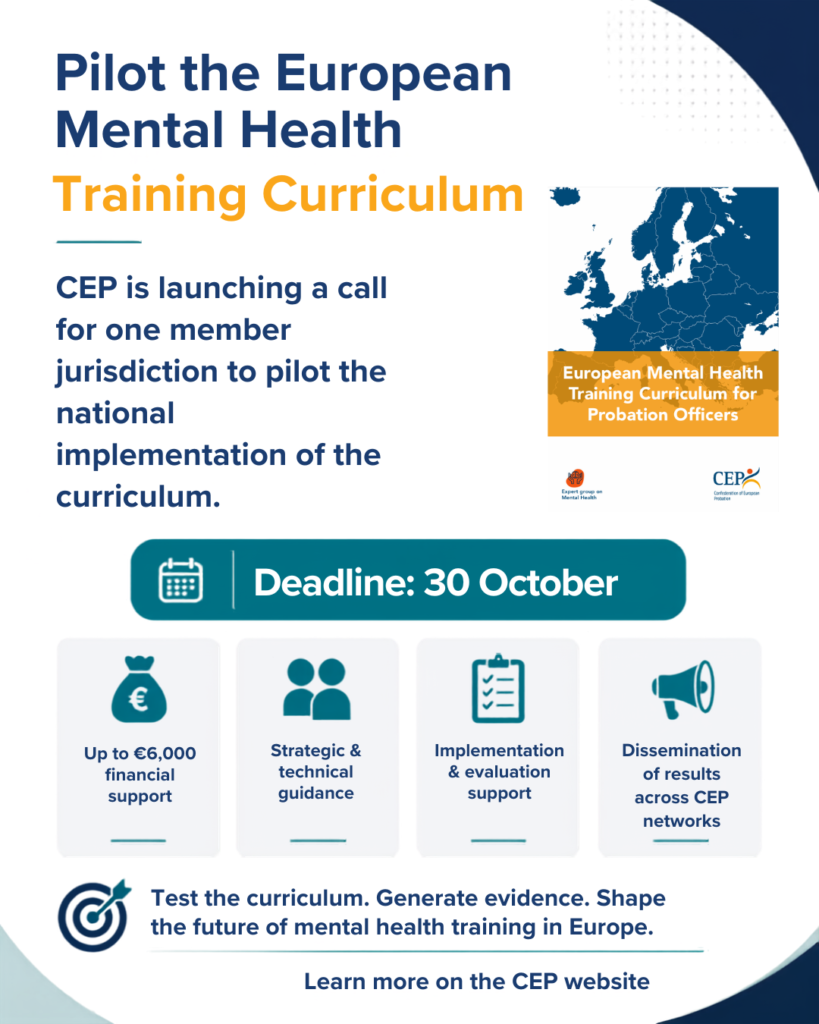
Good news for CEP members! Following requests from our members, CEP has extended the deadline to apply for the pilot implementation of the European Mental Health Training Curriculum for Probation Officers.
Recap

ITSCCS, Technology
6th International Training School opens in Barcelona with a focus on digital probation
28/09/2026
How can probation professionals use new technologies in their interactions while building trust, showing empathy and supporting change? This question is at the heart of the sixth International Training School on Core Correctional Skills, which opened in Barcelona on 28 September 2026.
Subscribe to our bi-monthly email newsletter!
"*" indicates required fields
- Keep up to date with important probation developments and insights.