

Previous Article
News
New Research on ‘Remote Supervision – Getting the Balance Right’
A research conducted by the University of Cambridge in collaboration with KSS CRC Research and Policy Unit on ‘Remote Supervision- Getting the Balance Right’, also published in the Probation Quarterly 2021 points out that the Covid-19 pandemic brought considerable changes to probation practice.
The HMPPS Exceptional Delivery Model required staff and service users to interact in different ways, including making much larger use of the telephone to keep in touch. A small team of researchers (from the Kent, Surrey and Sussex Community Rehabilitation Company Research Unit and the Institute of Criminology at the University of Cambridge) began to explore case managers’ views of the advantages and drawbacks of different methods of remote communication.
The research uncovered that the telephone call was the most frequent form of remote supervision used by practitioners. Video calls were not employed to contact service users (this was a matter of CRC policy) but were regularly employed for meetings with other professionals. Text messages and emails were also commonly employed (the former for quick and direct communication, the latter for passing on key health/employment documents) but had their problems. Research participants pointed to strengths and limitations of telephone supervision.
The research concluded that supervision cannot solely rely on telephone contact. However, there is a place for telephone supervision. The research also highlighted the importance of professional discretion and use of video calls as well as developing the use of internet resources for supervision. Lastly, it discussed the use of flexible working with greater use of remote supervision.
In conclusion communication and human interaction are vital to probation supervision. This research highlights ways in which remote supervision hinders supervision and obstructs the process of building rapport and trust. However, it also suggests that there is a place for the telephone and internet resources as options available to improve supervision.

Related News
Keep up to date with the latest developments, stories, and updates on probation from across Europe and beyond. Find relevant news and insights shaping the field today.
Recap
Electronic monitoring, Technology
14th Electronic Monitoring Conference, Electronic Monitoring in a Changing World – Perception vs Reality
08/10/2026
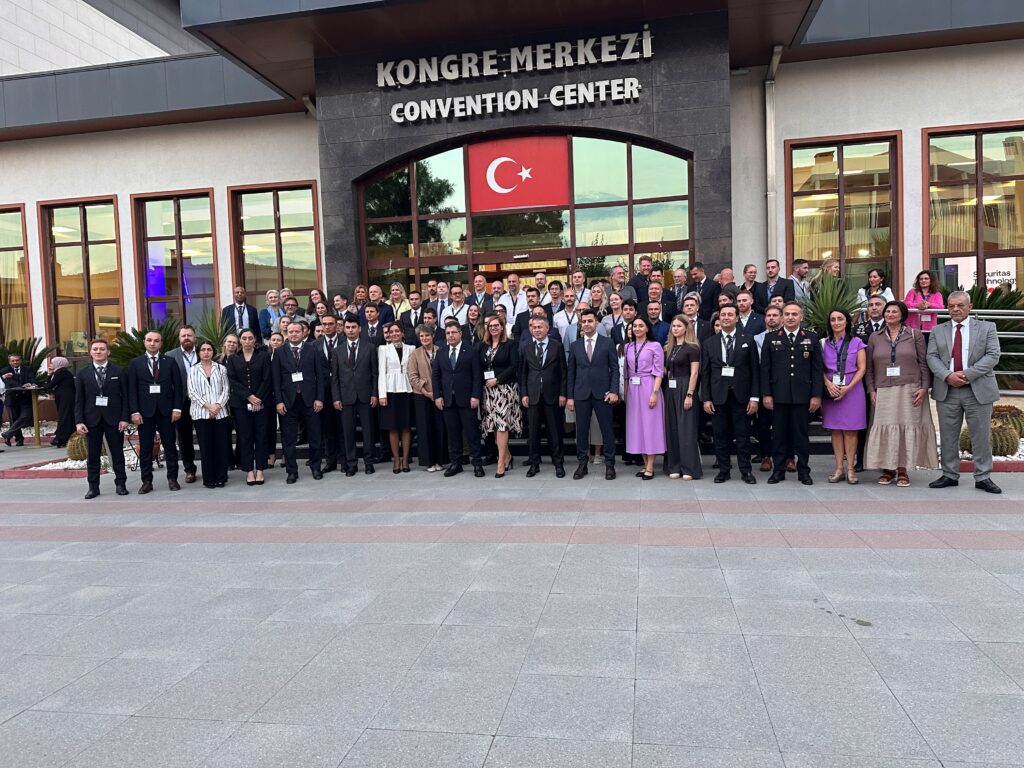
On 6-8 October 2026, Antalya hosted the 14th Electronic Monitoring Conference “Electronic Monitoring in a Changing World – Perception vs Reality”. More than 350 participants coming from 30 countries across Europe and worldwide representing probation services, Ministries of Justice, victims´ services, EM providers, researchers as well as local participants representing the Turkish Prison and Probation Service gathered to discuss how electronic monitoring (EM) is understood by all stakeholders involved including the victims and the public, and how these perceptions compare to the evidence and experiences of those affected. While the gap between perception and reality in electronic monitoring has been recognised for over a decade, the rapid expansion of EM into areas such as victim protection, high-risk supervision and digital innovation has brought new challenges and questions to the forefront.
Recap

ITSCCS
Core Correctional Skills in Digital Probation: highlights from the 6th ITSCCS in Barcelona
05/10/2026
The sixth International Training School on Core Correctional Skills (ITSCCS) took place in Barcelona from 28 September to 2 October 2026, bringing together 26 participants for a week of learning, practical training and international exchange. Organised by the Confederation of European Probation (CEP) and the Centre for Legal Studies and Specialised Training (CEJFE), the programme focused on “Clicks and Empathy: Core Correctional Skills in Digital Probation.”
Recap
Framework Decisions
Recap: ERA workshop on Framework Decisions 829 and 947 in Bucharest
02/10/2026
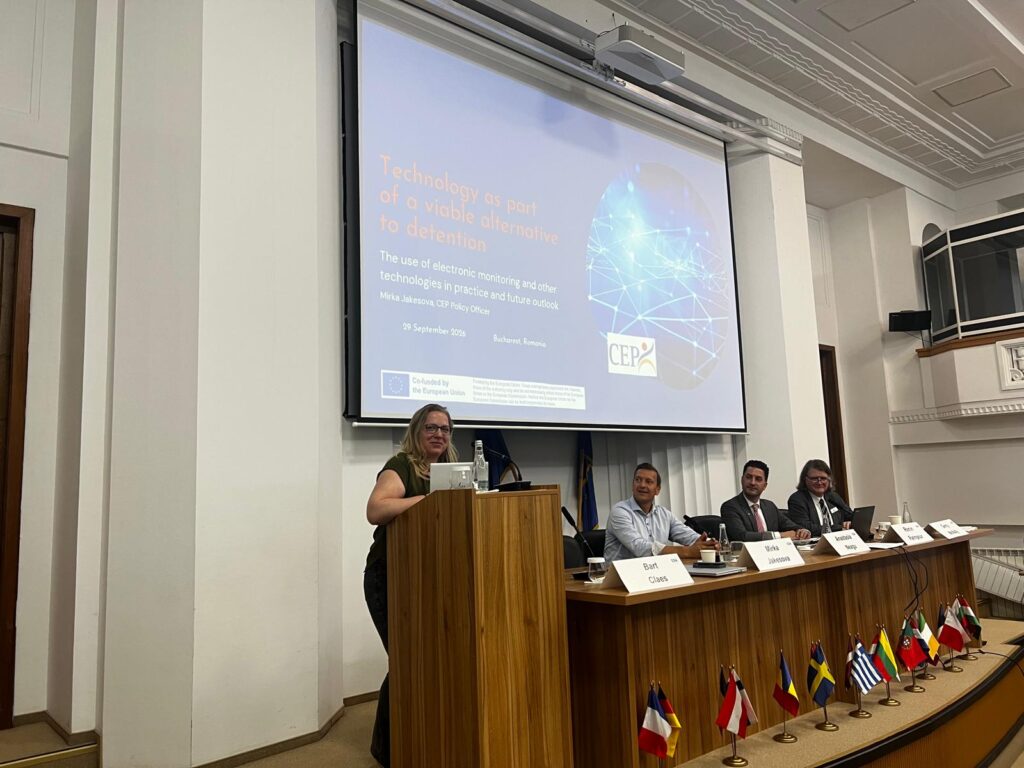
CEP Vice-President Daniel Danglades, Ambassador Gerry McNally and Policy Officer Mirka Jakesova participated in the Seminar on Framework Decisions 829 and 947 and their Impact on Alternatives in the EU organized under the EU project run by the Academy of European Law on 28-29 September in Bucharest, Romania. The seminar brought together judges, prosecutors, probation practitioners, academics, and policy experts to discuss the growing role of alternatives to detention within European criminal justice systems.
New
CEP
CEP and Catalan justice leaders reaffirm longstanding cooperation
29/09/2026
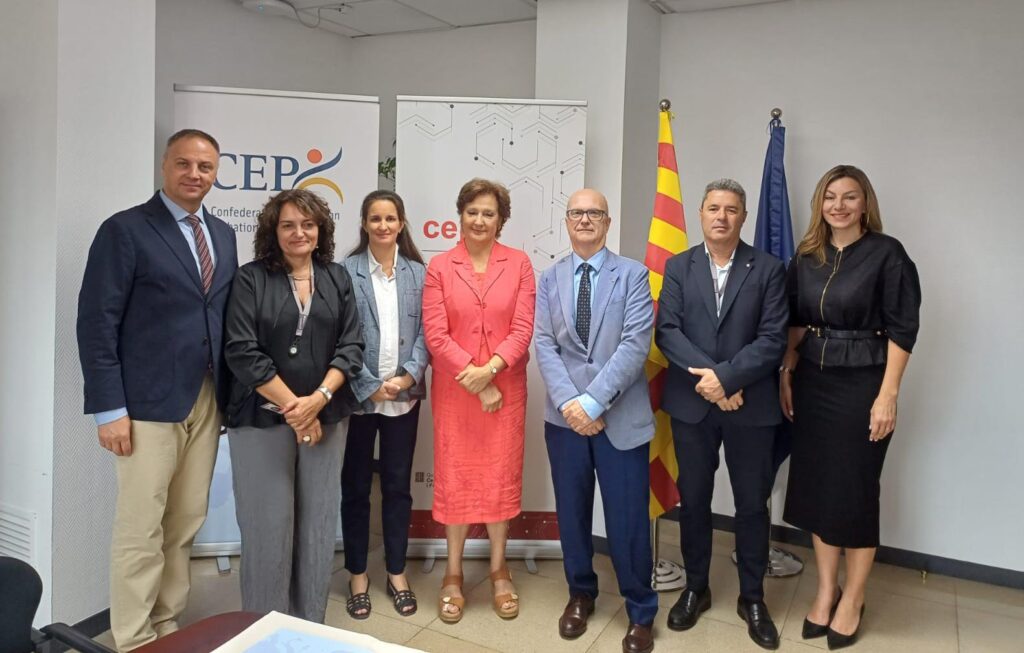
Representatives of the Confederation of European Probation (CEP) met with senior officials from the Catalan Department of Justice and Democratic Quality in Barcelona on 28 September 2026, alongside the opening of the sixth International Training School on Core Correctional Skills. The meeting offered an opportunity to recognise a longstanding partnership and discuss its continued development.
Updated
Mental Health
DEADLINE EXTENDED: Call for Pilot Implementation of the European Mental Health Training Curriculum
29/09/2026
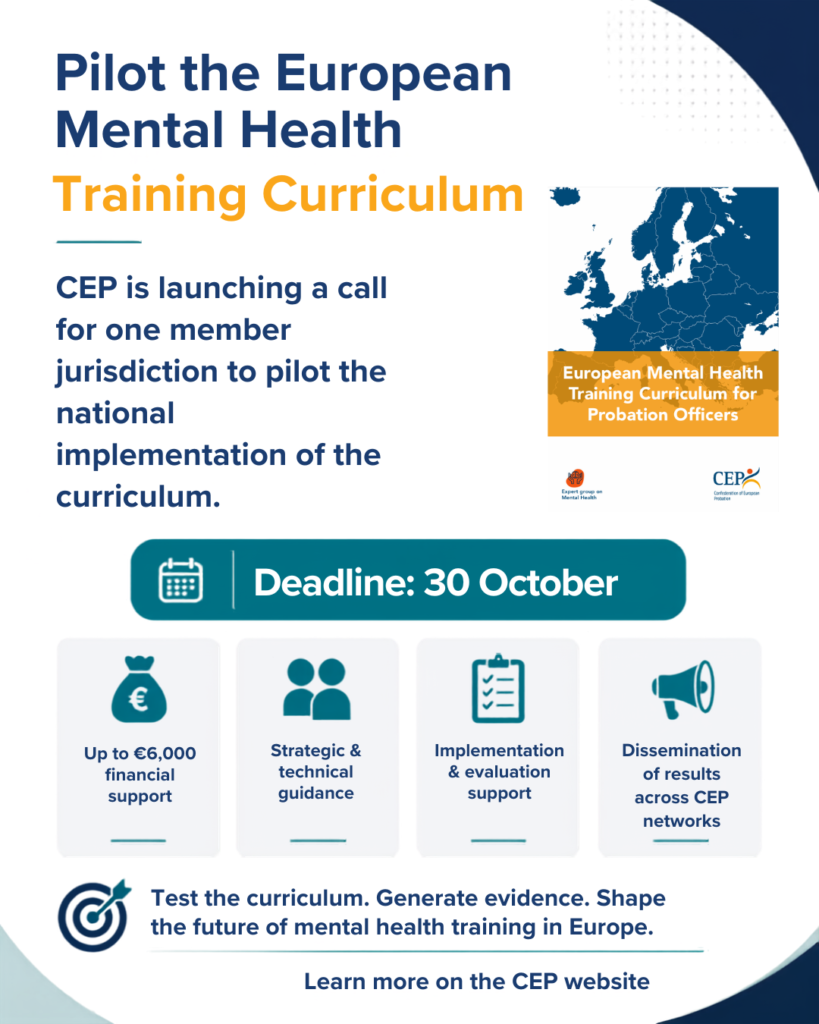
Good news for CEP members! Following requests from our members, CEP has extended the deadline to apply for the pilot implementation of the European Mental Health Training Curriculum for Probation Officers.
Recap

ITSCCS, Technology
6th International Training School opens in Barcelona with a focus on digital probation
28/09/2026
How can probation professionals use new technologies in their interactions while building trust, showing empathy and supporting change? This question is at the heart of the sixth International Training School on Core Correctional Skills, which opened in Barcelona on 28 September 2026.
Subscribe to our bi-monthly email newsletter!
"*" indicates required fields
- Keep up to date with important probation developments and insights.