

Previous Article
News
Family Justice Center Limburg: “Together we really make a difference”
An article written by Sabrina Reggers & Dries Wyckmans
Domestic Violence
There are problems in many relationships and families. In 1 in 7, there is even violence. It is important that the violence stops as soon as possible, but that is not always evident.The nature and dynamics of domestic violence – with its repetitive and escalating nature and the multitude of problems that often form the breeding ground – mean that even well-trained professionals are usually not able to tackle this problem without the help of others. Working together is the answer.
The Belgian region of Limburg, in the East of Flanders, is a pioneer in tackling domestic violence and has been pursuing a more coordinated approach for years. Until the beginning of this century, the police, justice and assistance services in Limburg mainly worked on their own island. Driven employees did look for the connection in individual files of domestic violence, but a structural framework was missing. This changed in 2004 as a result of a number of family dramas. In 2006, a referral process between the police, public prosecutor’s office and assistance services was started. This approach won the Belgian Prize for Safety and Prevention in 2008. A chain approach followed in 2013 for the most complex and serious files, with problems in several areas of life and a high risk of future violence.
Chain approach
This chain approach is a model in which various chain partners – such as the police, the public prosecutor’s office, social welfare, child protective services, probation services and prison, … – collaborate across organizations and share activities, information, resources, direction and responsibility. The aim of the chain approach to domestic violence is to work, together with the family and the organizations involved, in a more streamlined manner to stop the violence, prevent recurrence and work on the protective factors.
The approach has great added value. The services involved gain more insight into each other’s work, framework and assignment, which means that there is more mutual understanding. They also share information within a clear framework. This creates a richer picture of the situation, which usually leads to a better plan of action. The services involved also work more closely together, both at case level and structurally. It is clear for clients and professionals who their contact person is and there is a coordinated action plan with clear phases. The fact that the police and public prosecutor’s office sit at the table provides more opportunities and decisiveness. And when a situation escalates, the response is much faster. This chain approach has now been rolled out throughout Flanders.
A more client-centered approach
The approach and cooperation in very complex and serious files is progressing very well in Flanders. But that is of course only a fraction of the total number of cases of domestic violence. When we talk to victims, we notice the need for a more client-centered and low threshold approach. In most situations of domestic violence it is often very difficult to take that first step away from the violence. Finding the way to the right help is also not so easy, despite the presence of various first-line services. It often means being referred and telling your story over and over again. The police and judicial approach is often perceived as demotivating, because victims are not always taken seriously, but also as unclear and threatening. And once they are in that system, victims indicate that they often have to deal with “the judicial train of slowness”.
Where do professionals believe the needs and challenges lie for a better approach to domestic violence? Care providers indicate that an increase in capacity to help and support clients quickly and sufficiently is their number one priority. Furthermore there are many challenges with regard to offender therapy and expertise on specific forms such as honor-related violence. The police are hoping that by working together more closely and focusing more on assistance, fewer interventions are needed, especially in those families where they have to intervene every week. Training for the police is also essential. There is enormous added value in a more upholstered official report, a correct attitude in the field and a better view of risk factors. From a judicial perspective, the ambition is to focus more on the cases in which justice can really make a difference. Intervening faster, with a temporary barring order for example, is high on the agenda. And the term in which domestic violence files are brought to the criminal court should be a lot shorter.
Family Justice Center Limburg
Taking all these needs and expectations into account, the Limburg partners – together with a group of former victims and offenders – drew up a joint vision for the coming years. The Family Justice Center (FJC) – a cooperation model that comes from the US and is also gaining ground within Europe – is central to this, with assistance and probation services, police and justice under one roof. An FJC provides a framework for intensive and effective multi-agency collaboration, to support families and to stop the violence. Each FJC partner delegates one or more (often part-time) experts. FJC Limburg currently has about 35 employees from different organizations. Coordination is done by the Flemish government.
FJC Limburg started in October 2017. It is not yet directly accessible to clients. Every Limburg professional can register complex and heavy files. The existing chain approach is therefore integrated into the FJC. A second intake opportunity is via an official police report. In a pilot region consisting of the two largest police districts in Limburg, all domestic violence reports end up at the FJC, as soon as possible. The public prosecutors and police representatives within the FJC then check the antecedents and carry out a risk assessment. A triage meeting takes place between the police and the public prosecutor’s office every weekday, where all cases are color-coded: green, orange or red, based on their risk level.
In the cases that are labelled green a letter is sent urging those involved to seek help and work on their problems so that the situation does not escalate. If a case is labelled orange or red, those affected are notified of the FJC’s involvement and relevant information may be shared between the FJC partners. A multidisciplinary meeting takes place every week at which cases are discussed. In each case a case manager is appointed who gets to work with the persons concerned and takes care of the necessary follow-up. The difference between orange and red cases mainly lies in the nature and severity of the violence that occurred and how fast the case manager will reach out to the clients and the intensity of their contacts. Also the speed of the judicial response to the violence may vary.
Results and further development
On an annual basis, approximately 1250 families are registered with the Family Justice Center Limburg. After risk assessment, an average of 47% of the files are green, 31% orange and 22% red. In three quarters of the families we see there are problems or violence between partners or ex-partners. More than 10% are related to child abuse and high conflict divorces, and 6% to parental abuse by, for example, an addicted son. It also concerns cases of elder abuse or honor-related violence. The most common risk factors are: violent antecedents (52%), substance use (39%), psychological problems (33%), housing (20%), finances (18%) and education (12%).
In the summer of 2019, an initial evaluation study into the functioning of FJC Limburg took place, commissioned by the Belgian Institute for Equality between Women and Men. The client survey shows that all clients are satisfied to very satisfied with the operation of the FJC. The professional FJC partners indicate the following elements of satisfaction and added value: a structural risk assessment, an efficient multidisciplinary coordination and cooperation under one roof, a tailor-made approach, a proactive offer of assistance and a multidisciplinary team of experts.
In the following years we want to extend the current operation to the entire province of Limburg. This will require structural anchoring and additional financing. In a next phase, we want to open the front door of the FJC, step by step, so clients and professionals can go there directly for information and assistance. That is the basic principle of an FJC. And in an even later phase, we dream of developing an expertise center at Flemish level, with extra attention and coordination in the field of awareness-raising, education, prevention and training for professionals.
All these developments are urgently needed, which we are confronted with on a daily basis. On the one hand for the countless passionate professionals who deal with this problem and often get stuck in it. But also and especially for the families involved, because it is a problem that affects them at their core. Together we can really make a difference.

Related News
Keep up to date with the latest developments, stories, and updates on probation from across Europe and beyond. Find relevant news and insights shaping the field today.
Recap
Electronic monitoring, Technology
14th Electronic Monitoring Conference, Electronic Monitoring in a Changing World – Perception vs Reality
08/10/2026
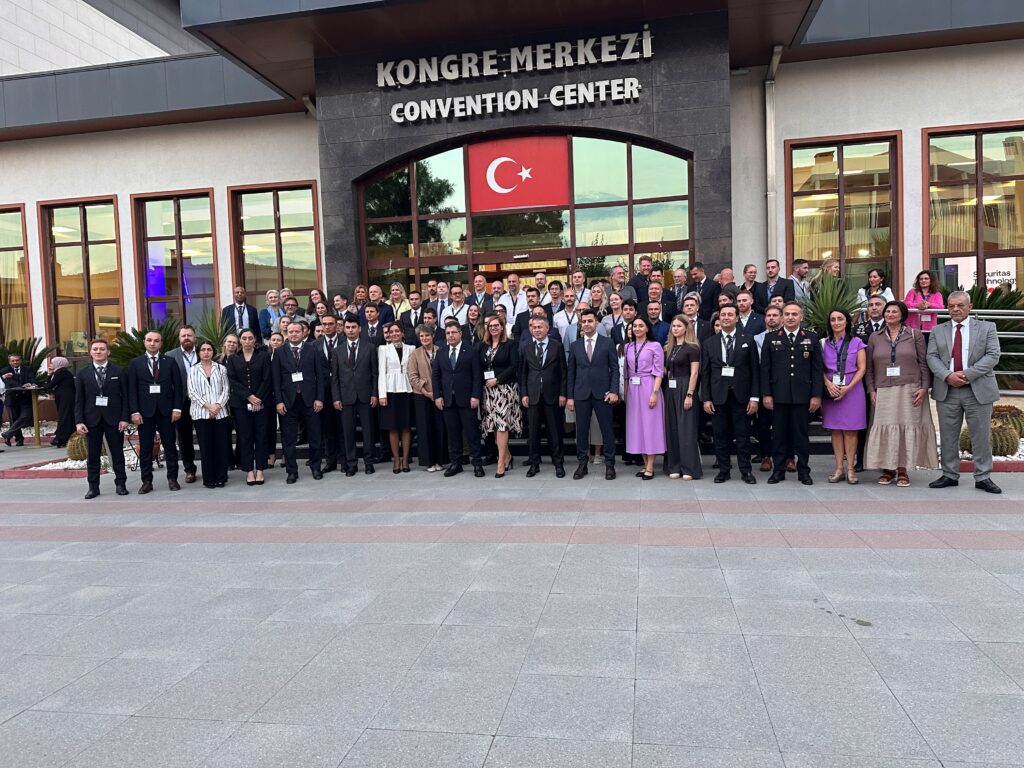
On 6-8 October 2026, Antalya hosted the 14th Electronic Monitoring Conference “Electronic Monitoring in a Changing World – Perception vs Reality”. More than 350 participants coming from 30 countries across Europe and worldwide representing probation services, Ministries of Justice, victims´ services, EM providers, researchers as well as local participants representing the Turkish Prison and Probation Service gathered to discuss how electronic monitoring (EM) is understood by all stakeholders involved including the victims and the public, and how these perceptions compare to the evidence and experiences of those affected. While the gap between perception and reality in electronic monitoring has been recognised for over a decade, the rapid expansion of EM into areas such as victim protection, high-risk supervision and digital innovation has brought new challenges and questions to the forefront.
Recap
ITSCCS
Core Correctional Skills in Digital Probation: highlights from the 6th ITSCCS in Barcelona
05/10/2026
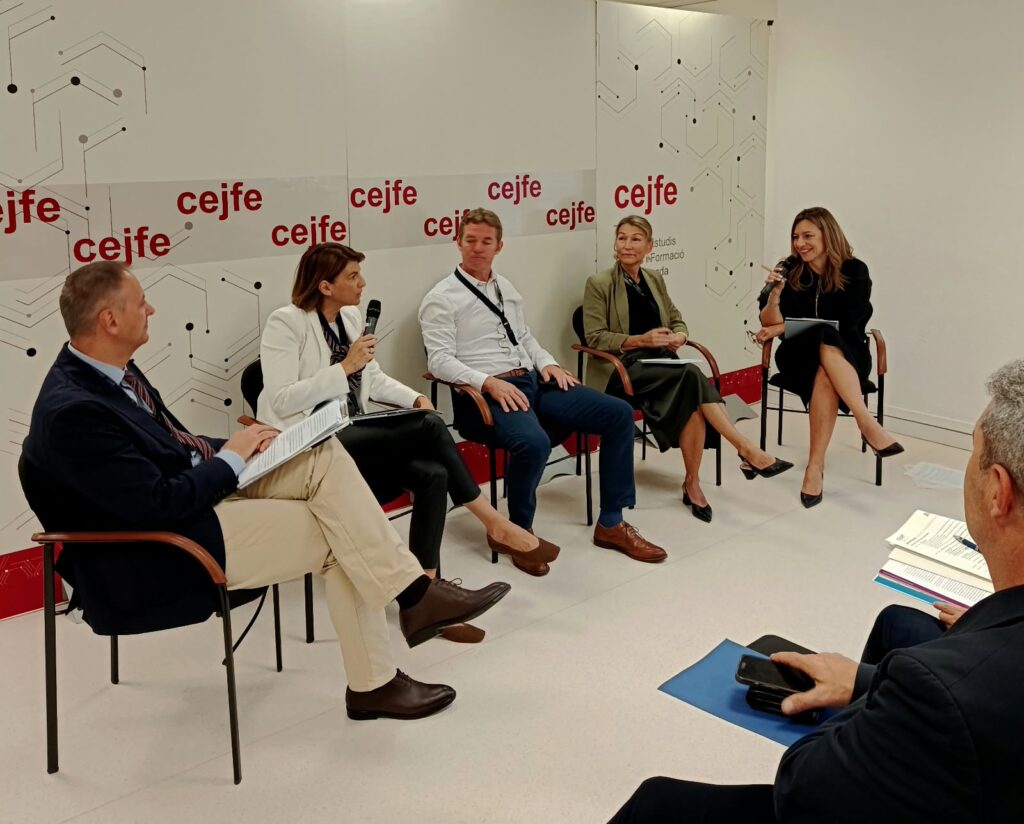
The sixth International Training School on Core Correctional Skills (ITSCCS) took place in Barcelona from 28 September to 2 October 2026, bringing together 26 participants for a week of learning, practical training and international exchange. Organised by the Confederation of European Probation (CEP) and the Centre for Legal Studies and Specialised Training (CEJFE), the programme focused on “Clicks and Empathy: Core Correctional Skills in Digital Probation.”
Recap
Framework Decisions
Recap: ERA workshop on Framework Decisions 829 and 947 in Bucharest
02/10/2026
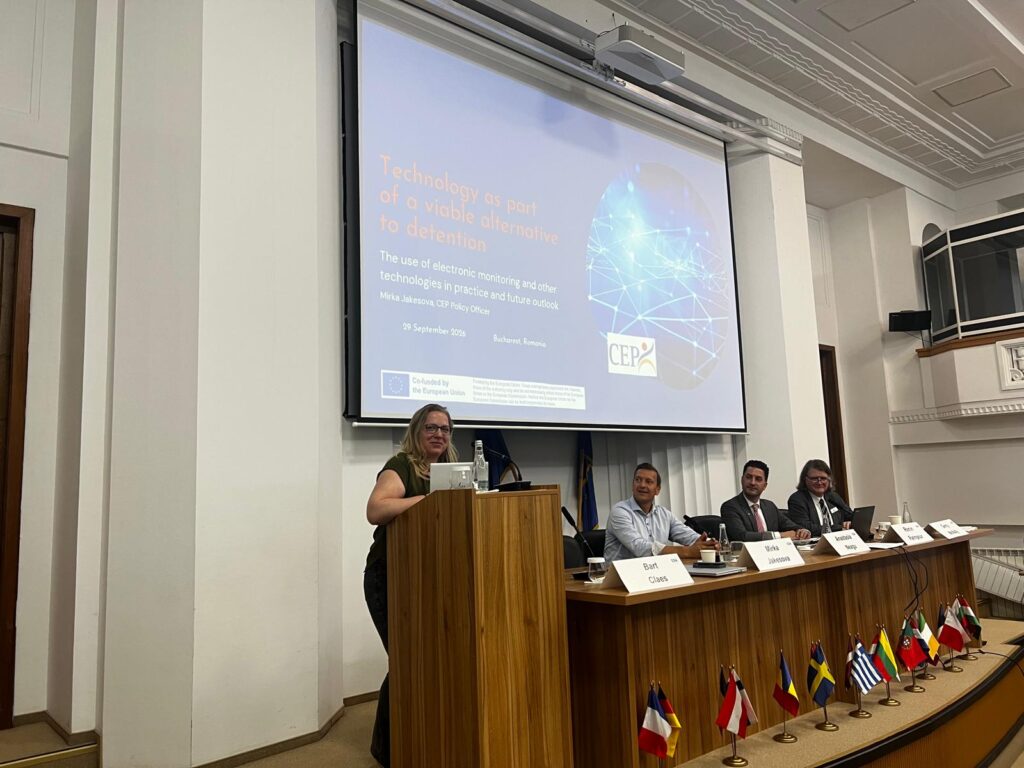
CEP Vice-President Daniel Danglades, Ambassador Gerry McNally and Policy Officer Mirka Jakesova participated in the Seminar on Framework Decisions 829 and 947 and their Impact on Alternatives in the EU organized under the EU project run by the Academy of European Law on 28-29 September in Bucharest, Romania. The seminar brought together judges, prosecutors, probation practitioners, academics, and policy experts to discuss the growing role of alternatives to detention within European criminal justice systems.
New
CEP
CEP and Catalan justice leaders reaffirm longstanding cooperation
29/09/2026
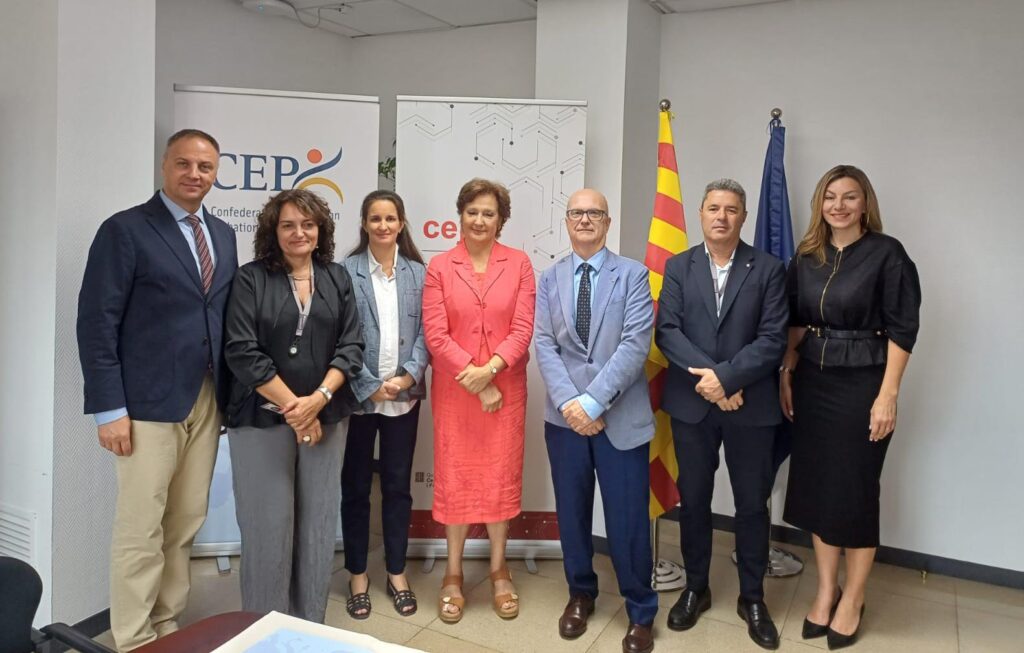
Representatives of the Confederation of European Probation (CEP) met with senior officials from the Catalan Department of Justice and Democratic Quality in Barcelona on 28 September 2026, alongside the opening of the sixth International Training School on Core Correctional Skills. The meeting offered an opportunity to recognise a longstanding partnership and discuss its continued development.
Updated
Mental Health
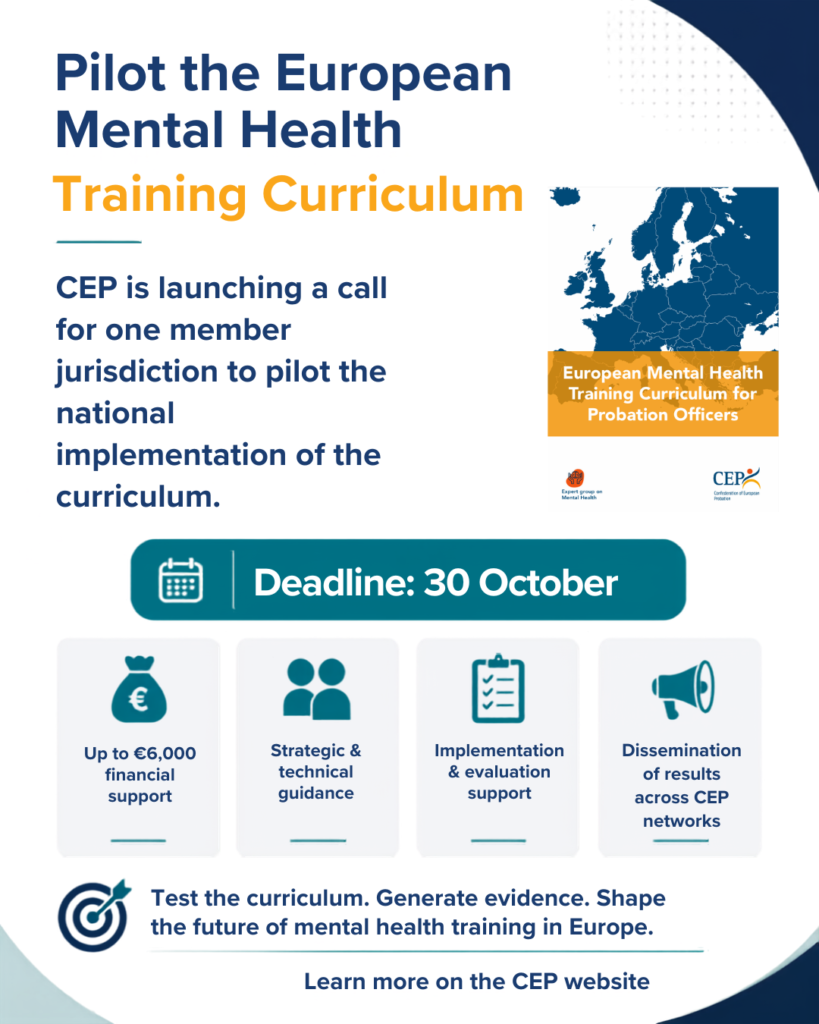
DEADLINE EXTENDED: Call for Pilot Implementation of the European Mental Health Training Curriculum
29/09/2026
Good news for CEP members! Following requests from our members, CEP has extended the deadline to apply for the pilot implementation of the European Mental Health Training Curriculum for Probation Officers.
Recap

ITSCCS, Technology
6th International Training School opens in Barcelona with a focus on digital probation
28/09/2026
How can probation professionals use new technologies in their interactions while building trust, showing empathy and supporting change? This question is at the heart of the sixth International Training School on Core Correctional Skills, which opened in Barcelona on 28 September 2026.
Subscribe to our bi-monthly email newsletter!
"*" indicates required fields
- Keep up to date with important probation developments and insights.