

Previous Article
News
Working as a team during the corona pandemic
Elena, Llorença, Laila and Cristina are four of the many probation officers who work for the IReS Foundation, one of the three agencies that manage alternative sanctions in Catalonia. As probation officers, we are not used to working from home because our interviews and meetings are mostly face to face in the office. When the isolation period started on 16th March, the teams as well as managers from our agency were fortunately able to organize things fast in order to make teleworking possible, even if the resources we have at home were limited. Only a few colleagues have access to the Department of Justice data system, thanks to their work laptops that they use at home. The rest of the team has one of these colleagues as his /her referent to ask him/her information about the data base in order to elaborate and send all the reports in a secure and electronic way to the court.
Treatment centers
We are in contact with mental health and drug treatment centers, as well as with prisons in case we need any information. We maintain the follow-up interviews with our clients by phone, letting them know they can reach us at the same phone number as always, which is deviated to another mobile phone and someone redistributes these calls to us. Unfortunately, we don’t have professional phones to make video calls with our clients, but on the other hand we cannot expect that all people have access to new technologies to follow up this kind of practices.
Our Clients
What we have noticed is that our clients are very thankful about the contacts we make with them, especially in these difficult times when most of them lost their jobs and may have a vulnerable situation. We believe this makes our bond stronger. They are also worried because the training programs and the community work they were carrying on, were postponed so they can’t fulfill the content of the sentence properly until the safe reopening of these community organizations. Those who visited the City of Justice know that probation officers share space in an open area with at least 3 other teams (around 35 people) which means a high level of disruption and phone calls that can be stressful at some point. One of the good things of working from home, is that we don’t have this level of background noise and we can focus better on writing reports, since we are in a more quiet environment. Of course we are aware that this is not so for all our colleagues as they might have children and live in small places. Our way of reaching out to each other and stay in touch is making phone calls and video calls to share our difficulties, doubts, failures and achievements.
Mixing of work and private life
For most of us, our living rooms became our offices and at the beginning phoning clients from such a personal space felt uncomfortable. The line between our private life and our work turned out thinner without the setting of the City of Justice. Also, the fact of being at home can make you forget to have breaks sometimes, so it is important to set limits for your work schedule, otherwise you would be connected the whole day! We find all these feelings normal because we never thought we could do teleworking, and we are learning how to do it. However, reality has led us to adapt to a completely unexpected situation, and we can say that we have succeeded. Much remains to be done, but all this situation has opened up new doors that, if the necessary resources were adapted, could lead to rethinking our way of working as probation officers and perhaps to even combine teleworking with face-to-face work in the future.
Introspection
It is also a good moment for introspection. That is why we created seven commissions that work in small groups up to five people, each commission having its own topic to develop. We hope and expect that this can help us improve some aspects of our interventions. We appreciate that we are building a new way of working and intervening with the clients and this helps us to get out of our comfort zone and reinvent ourselves as probation officers.

Related News
Keep up to date with the latest developments, stories, and updates on probation from across Europe and beyond. Find relevant news and insights shaping the field today.
Recap
Electronic monitoring, Technology
14th Electronic Monitoring Conference, Electronic Monitoring in a Changing World – Perception vs Reality
08/10/2026
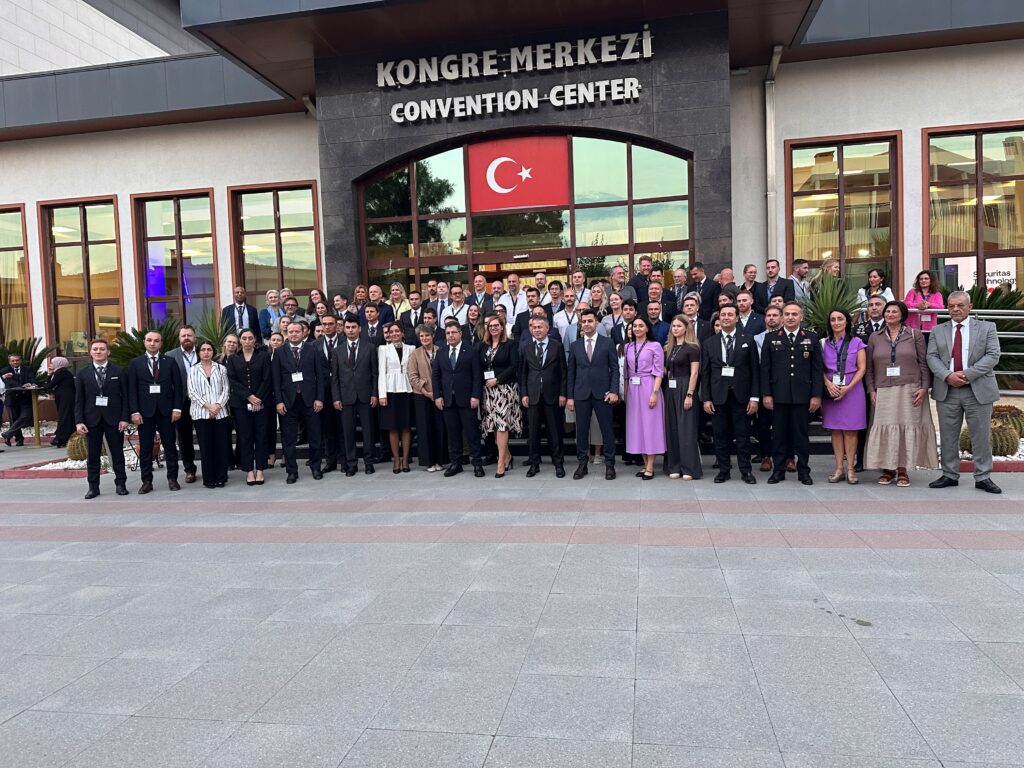
On 6-8 October 2026, Antalya hosted the 14th Electronic Monitoring Conference “Electronic Monitoring in a Changing World – Perception vs Reality”. More than 350 participants coming from 30 countries across Europe and worldwide representing probation services, Ministries of Justice, victims´ services, EM providers, researchers as well as local participants representing the Turkish Prison and Probation Service gathered to discuss how electronic monitoring (EM) is understood by all stakeholders involved including the victims and the public, and how these perceptions compare to the evidence and experiences of those affected. While the gap between perception and reality in electronic monitoring has been recognised for over a decade, the rapid expansion of EM into areas such as victim protection, high-risk supervision and digital innovation has brought new challenges and questions to the forefront.
Recap
ITSCCS
Core Correctional Skills in Digital Probation: highlights from the 6th ITSCCS in Barcelona
05/10/2026
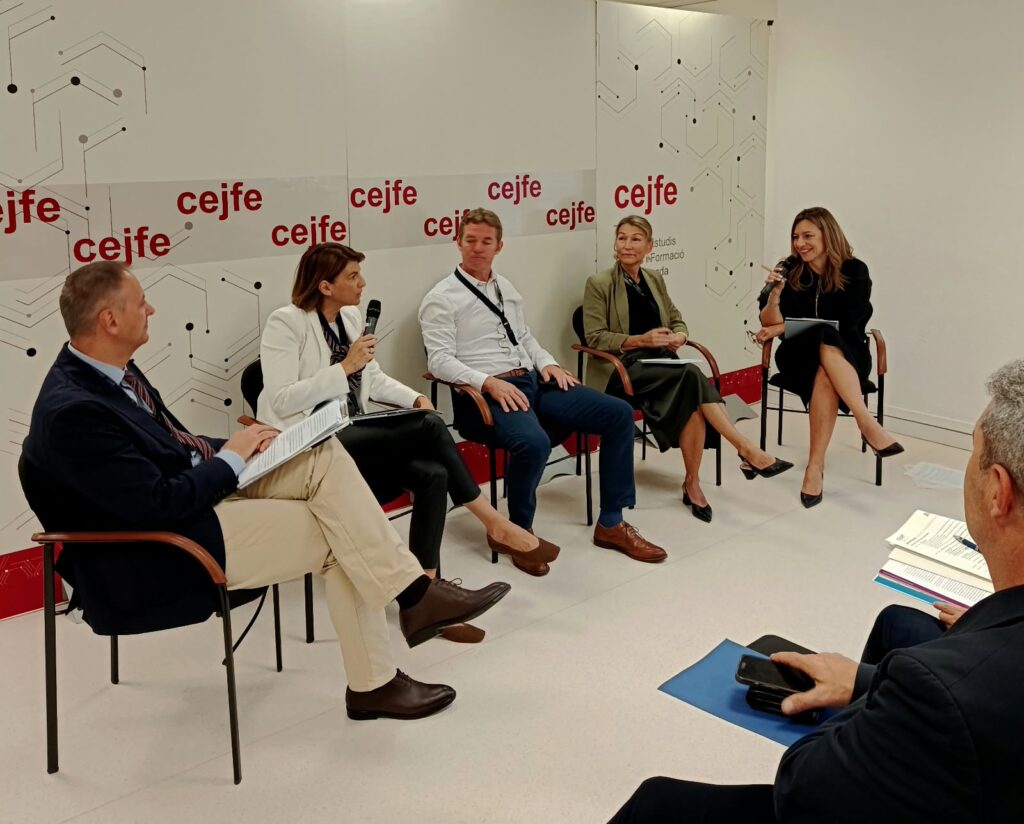
The sixth International Training School on Core Correctional Skills (ITSCCS) took place in Barcelona from 28 September to 2 October 2026, bringing together 26 participants for a week of learning, practical training and international exchange. Organised by the Confederation of European Probation (CEP) and the Centre for Legal Studies and Specialised Training (CEJFE), the programme focused on “Clicks and Empathy: Core Correctional Skills in Digital Probation.”
Recap
Framework Decisions
Recap: ERA workshop on Framework Decisions 829 and 947 in Bucharest
02/10/2026
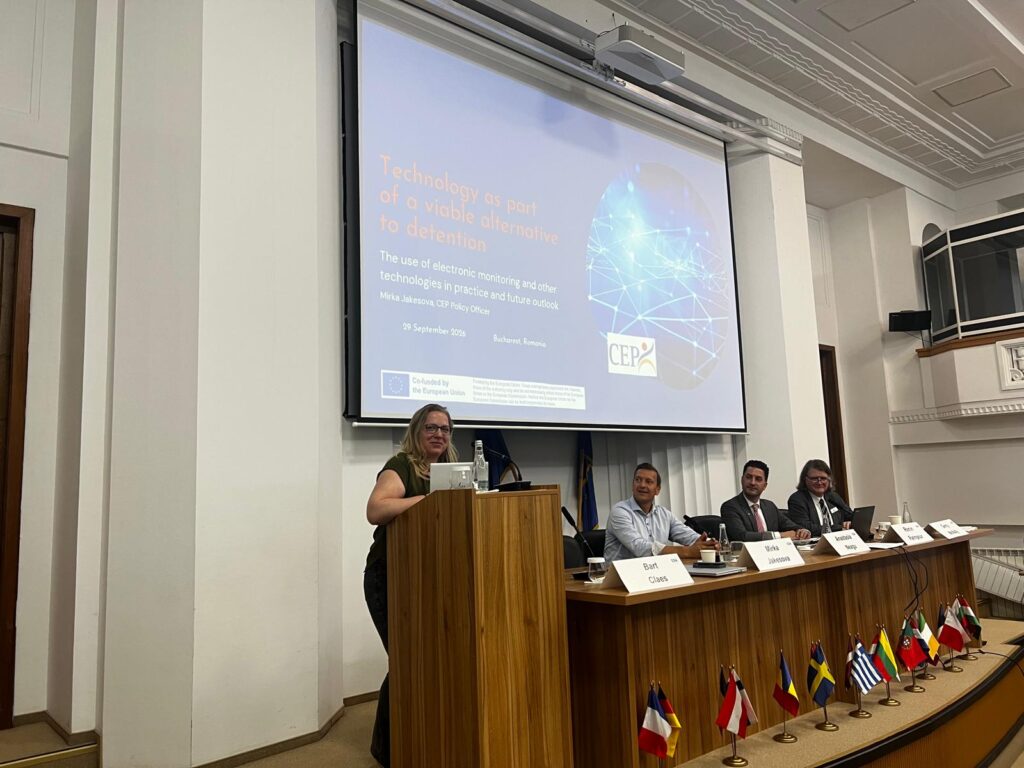
CEP Vice-President Daniel Danglades, Ambassador Gerry McNally and Policy Officer Mirka Jakesova participated in the Seminar on Framework Decisions 829 and 947 and their Impact on Alternatives in the EU organized under the EU project run by the Academy of European Law on 28-29 September in Bucharest, Romania. The seminar brought together judges, prosecutors, probation practitioners, academics, and policy experts to discuss the growing role of alternatives to detention within European criminal justice systems.
New
CEP
CEP and Catalan justice leaders reaffirm longstanding cooperation
29/09/2026
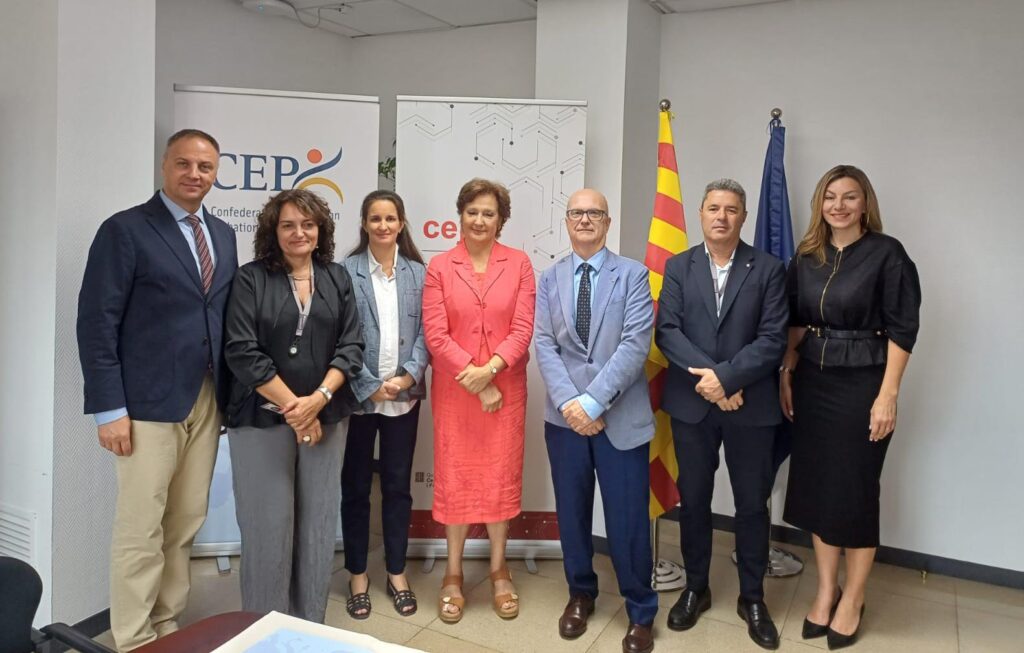
Representatives of the Confederation of European Probation (CEP) met with senior officials from the Catalan Department of Justice and Democratic Quality in Barcelona on 28 September 2026, alongside the opening of the sixth International Training School on Core Correctional Skills. The meeting offered an opportunity to recognise a longstanding partnership and discuss its continued development.
Updated
Mental Health
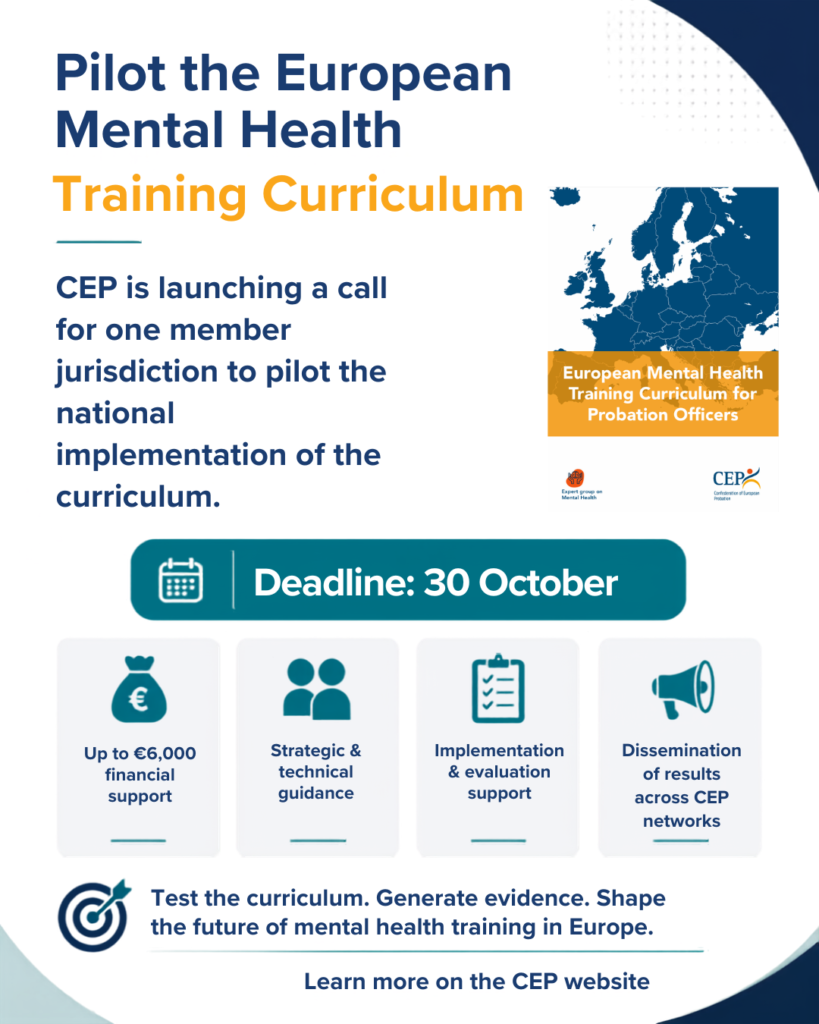
DEADLINE EXTENDED: Call for Pilot Implementation of the European Mental Health Training Curriculum
29/09/2026
Good news for CEP members! Following requests from our members, CEP has extended the deadline to apply for the pilot implementation of the European Mental Health Training Curriculum for Probation Officers.
Recap
ITSCCS, Technology
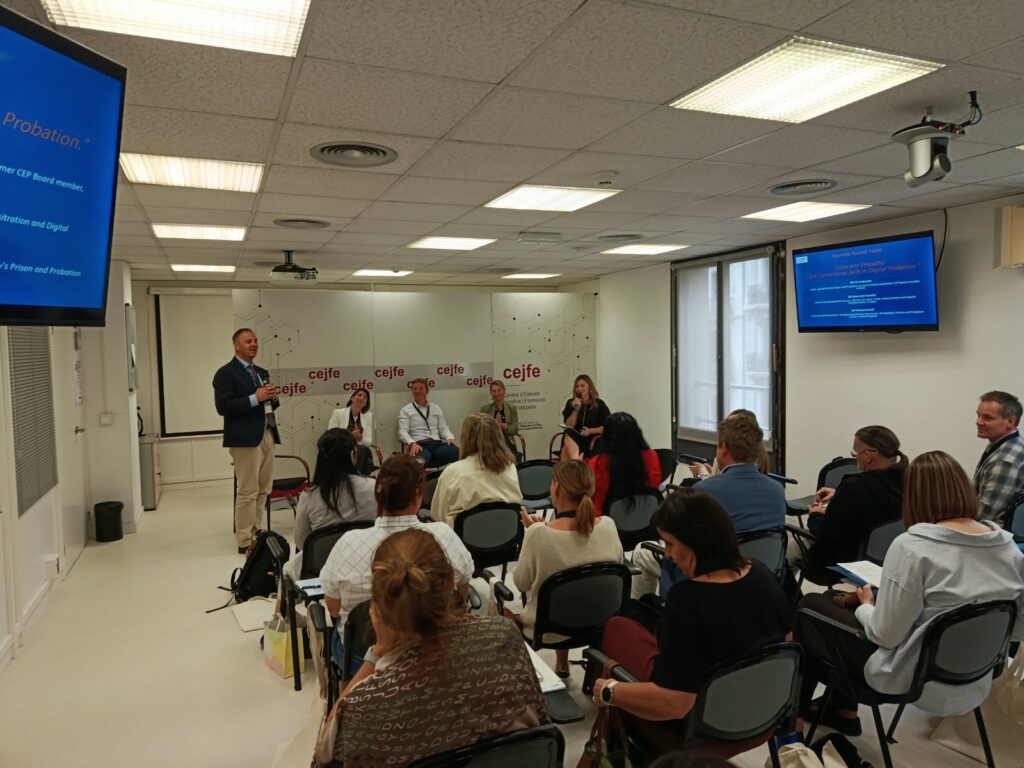
6th International Training School opens in Barcelona with a focus on digital probation
28/09/2026
How can probation professionals use new technologies in their interactions while building trust, showing empathy and supporting change? This question is at the heart of the sixth International Training School on Core Correctional Skills, which opened in Barcelona on 28 September 2026.
Subscribe to our bi-monthly email newsletter!
"*" indicates required fields
- Keep up to date with important probation developments and insights.