

Previous Article
News
Research: Supervision Skills for Probation Practitioners
Her Majesty’s Inspectorate of Probation for England and Wales, recently published new research conducted by Prof. Peter Raynor: ‘Supervision Skills for Probation Practitioners’. This short report was produced at the request of Dr Robin Moore, Head of Research in The HM Inspectorate of Probation. It is partly based on a longer article in the European Journal of Probation in 2018 co-authored by Peter Raynor and Maurice Vanstone (‘What matters is what you do: the rediscovery of skills in probation practice’, European Journal of Probation 10(3) 199-214), and draws particularly on the Jersey Supervision Skills Study which received the CEP’s Research Award in 2016. The development of practice skills appears to be a promising focus for evidence-based improvement in the effectiveness of probation, and we hope this will encourage further research and practical projects.
The use of evidence-based practice in the attempt to improve probation’s impact on reoffending became a mainstream policy following the ‘Underdown report’ produced by HM Inspectorate of Probation in 1998. Initial efforts were largely based on cognitive-behavioural group programmes. However, most people supervised by probation officers experience supervision as one-to-one contacts most or all of the time, and some of those who participate in programmes also need preparation, support and follow-up on an individual basis. The identification of practitioners’ skills in individual supervision as an important component in effective practice came late to England and Wales in comparison with work done in other countries. This ‘Academic Insight’ offers a brief summary of key findings from research on probation staff’s practice skills (known in North American research as Core Correctional Practices) and considers some of the practical implications. In the well-known Risk-Need-Responsivity (RNR) framework for effective practice, research on skills contributes to understanding responsivity, which has until recently received less research attention than risks and needs.
Please click on the link to read ‘Supervision Skills for Probation Practitioners’ by Peter Raynor.

Related News
Keep up to date with the latest developments, stories, and updates on probation from across Europe and beyond. Find relevant news and insights shaping the field today.
New
Technology
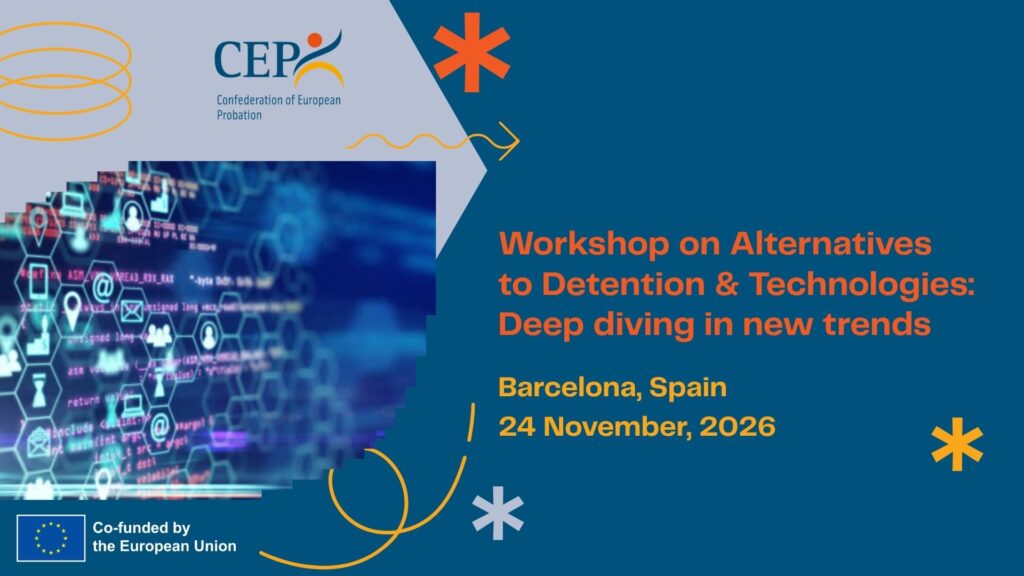
Registration deadline approaching: Join CEP’s final workshop of 2026 on technology in probation
22/10/2026
📢 Have you registered yet? CEP’s final workshop of 2026 takes place on 24 November in Barcelona, bringing together professionals to explore how technology is being used across probation services in Europe.
The Workshop on Alternatives to Detention and Technologies: Deep Diving into New Trends will look beyond artificial intelligence to examine the different ways technology is shaping probation practice, from staff training to working with clients and collaborating with other criminal justice partners.
Recap
Directors General Meetings
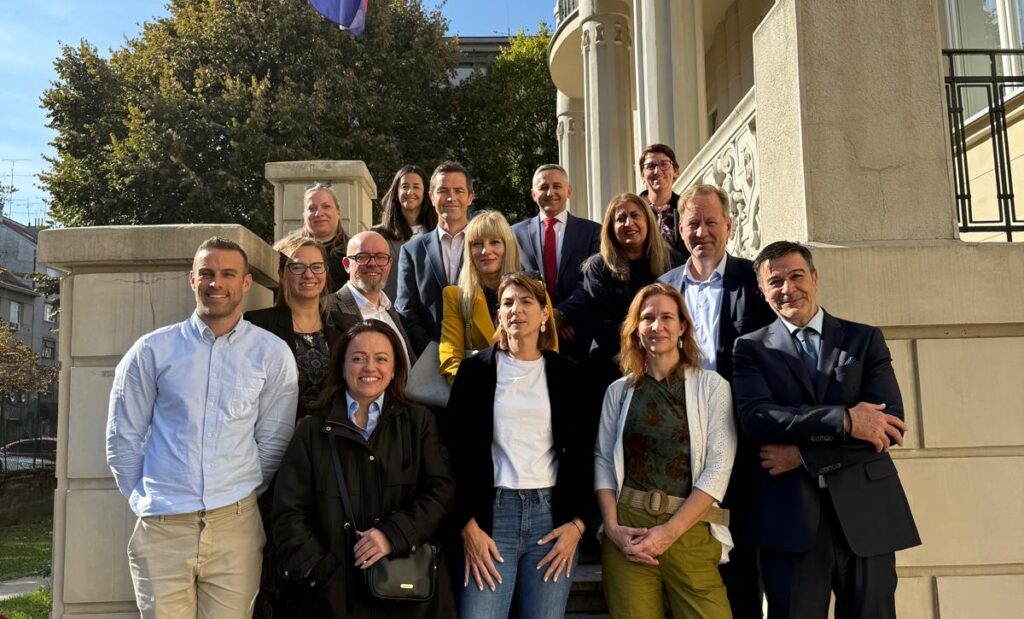
CEP Leadership Excellence Training: strengthening leadership and cooperation across Europe
22/10/2026
The CEP Leadership Excellence Training, held on 20–21 October in Zagreb, Croatia, brought together Directors General and senior probation managers from 11 European countries for a two-day interactive programme focused on leadership, communication, staff development, and international cooperation.
New

CEP
Call for Proposals: Evaluation of CEP Expert Groups
21/10/2026
On behalf of Ms. Jana Špero Kamenjarin, CEP Secretary General, it is my pleasure to invite you to submit a proposal to conduct an evaluation within the CEP work programme.
Recap

Uncategorized
CEP at UNODC: Contributing to the Development of Probation Services Worldwide
19/10/2026
The Confederation of European Probation (CEP) was represented by its Secretary General, Jana Špero Kamenjarin, at the Expert Group Meeting on the Establishment of Probation Services and Probation Practices, organised by the United Nations Office on Drugs and Crime (UNODC) and held at the Vienna International Centre (VIC) from 12 to 14 October 2026.
Recap
Electronic monitoring, Technology
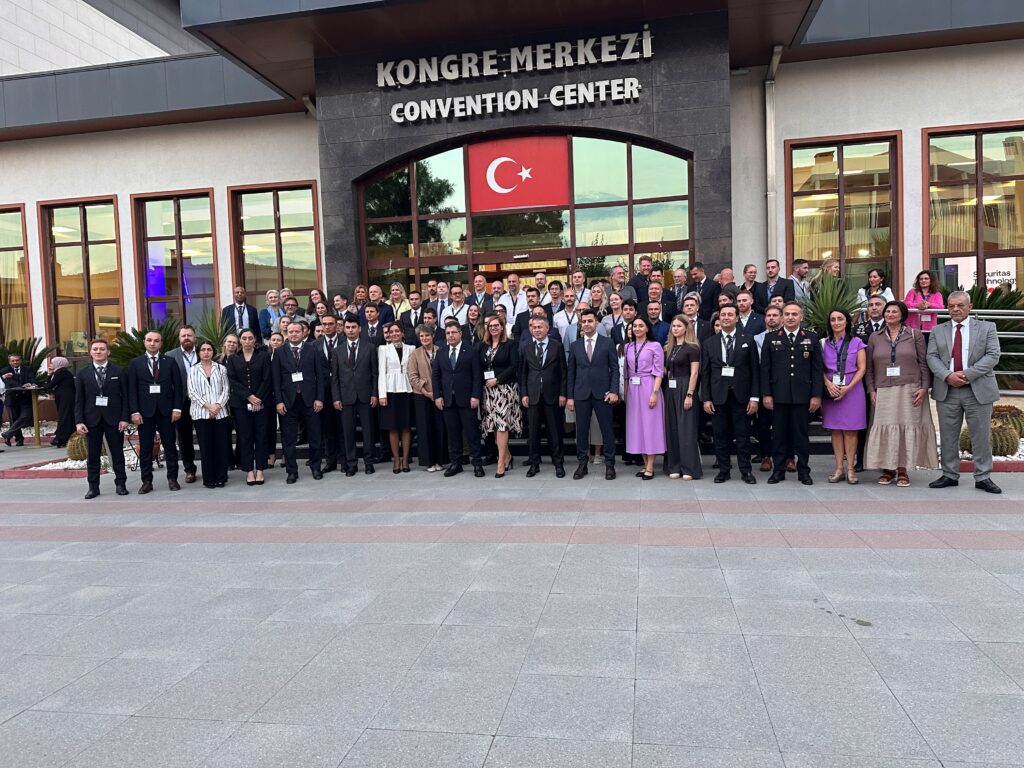
14th Electronic Monitoring Conference, Electronic Monitoring in a Changing World – Perception vs Reality
08/10/2026
On 6-8 October 2026, Antalya hosted the 14th Electronic Monitoring Conference “Electronic Monitoring in a Changing World – Perception vs Reality”. More than 350 participants coming from 32 countries across Europe and worldwide representing probation services, Ministries of Justice, victims´ services, EM providers, researchers as well as local participants representing the Turkish Prison and Probation Service gathered to discuss how electronic monitoring (EM) is understood by all stakeholders involved including the victims and the public, and how these perceptions compare to the evidence and experiences of those affected. While the gap between perception and reality in electronic monitoring has been recognised for over a decade, the rapid expansion of EM into areas such as victim protection, high-risk supervision and digital innovation has brought new challenges and questions to the forefront.
Recap
ITSCCS
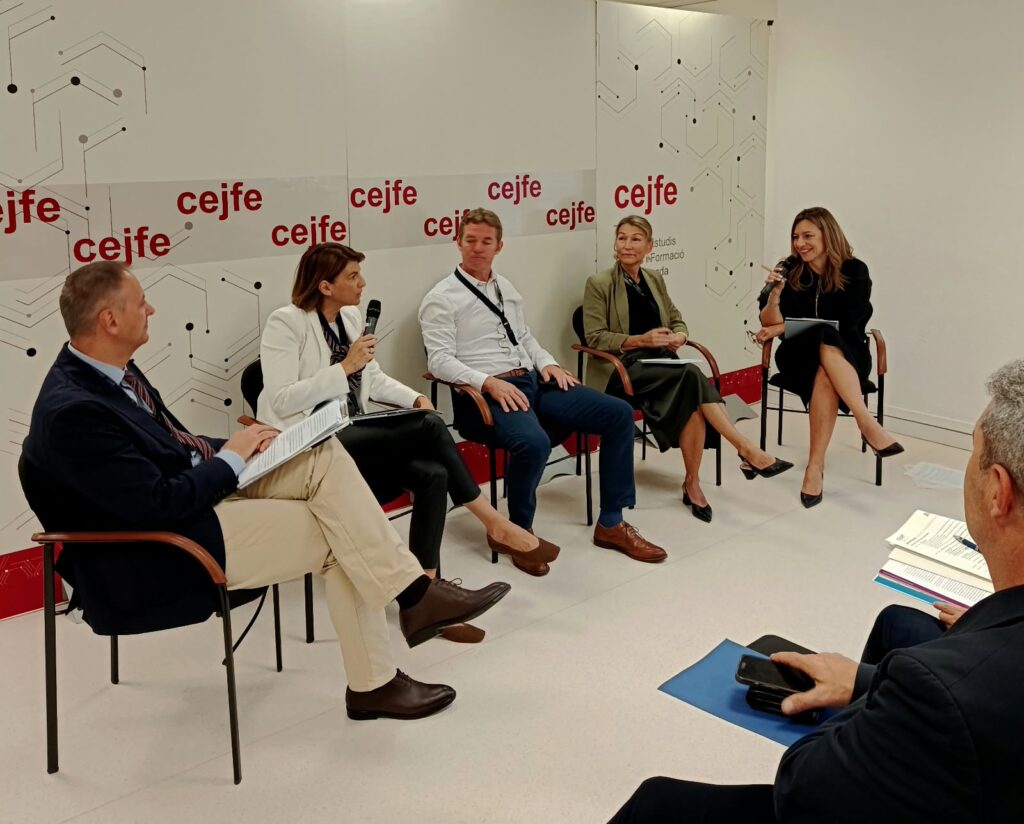
Core Correctional Skills in Digital Probation: highlights from the 6th ITSCCS in Barcelona
05/10/2026
The sixth International Training School on Core Correctional Skills (ITSCCS) took place in Barcelona from 28 September to 2 October 2026, bringing together 26 participants for a week of learning, practical training and international exchange. Organised by the Confederation of European Probation (CEP) and the Centre for Legal Studies and Specialised Training (CEJFE), the programme focused on “Clicks and Empathy: Core Correctional Skills in Digital Probation.”
Subscribe to our bi-monthly email newsletter!
"*" indicates required fields
- Keep up to date with important probation developments and insights.