

Previous Article
News
The European Commission’s mapping criteria for Help Seeker
The European Commission’s mapping criteria for Help Seeker and Perpetrator Prevention Initiatives in Child Sexual Abuse and Exploitation
By Kieran McCartan, Ph.D., and David S. Prescott, LICSW
Earlier this week, the European Commission published a new document titled “Help seeker and Perpetrator Prevention Initiatives – Child Sexual Abuse and Exploitation.” Its aim is to support initiatives for Child Sexual Abuse (CSA) help-seeker and perpetration prevention. The idea is that by creating a common taxonomy of prevention programs for several different stakeholders, we can collectively understand and share best practices around CSA prevention initiatives. The report is a step towards the creation of a European Union (EU) knowledge platform on CSA prevention initiatives, which will support EU Member States to develop and roll out tailor-made prevention policies according to their respective cultural and societal environments and needs.
On May 11, 2022, the European Commission published a proposal to prevent and combat CSA, with a strong emphasis on prevention; but even though preventing and combatting child sexual abuse is a priority of the European Union, there has been no common EU-wide approach or concrete framework to highlight what member states had already accomplished. A plethora of different terminologies and taxonomies exist to describe prevention programmes (a common issue across the EU in general), making the information about such initiatives limited, unclear, and unstructured.
Collectively the JRC, DG HOME, members of the EU Prevention Network, and a number of interviewed practitioners and experts reached a common consensus on the idea that to raise awareness of existing prevention programmes for people at risk of committing sexual offenses it was necessary to categorize and evaluate them. For this purpose, a dedicated working group was established, and the output of this common effort are 14 classification criteria that will support EU Member States to develop, implement and research prevention work in different countries. The 14 agreed classification criteria are:
- TARGET identifies to whom the initiative is addressed, such as people who fear they may offend.
- CONTEXT refers to the environment in which the intervention is given.
- METHODS refers to the tools, treatments, support opportunities and programmes proposed to the targets.
- INITIATIVE PROVIDER refers to the nature and main activities of the entity or initiative provider that is offering the program and/or treatment as well as the one that implemented it.
- FUNDING refers to the money allocated to the program and/or treatment.
- COSTS refers to the costs that would be sustained by the entity proposing/setting up the program
- THE FOUR PREVENTION STAGES (Primary, Secondary, Tertiary, Quaternary, described in previous blog posts and the extant literature).
- EVALUATION aims to capture the outcomes of the initiatives.
- ACCOUNTABILITY of the programmes refers to the processes and mechanisms put in place by the initiative provider to appraise the programme at different stages to ensure that the programme remains accountable, and that it is working towards the goals.
- LEGISLATION refers to the legal national framework under which the specific programme/intervention is being deployed.
- COLLABORATION refers to the synergies and complementarities that can be established with different entities involved in the prevention of CSA.
- DISSEMINATION refers to the actions taken to raise awareness about the prevention initiative among (potential) stakeholders.
- TARGETS’ RIGHTS are explored in terms of privacy, anonymity, and safety to preserve and assure confidentiality, assurance of empathy, etc.
- ACCESSIBILITY refers to several elements of the preventive programme that can be related to: the language of the resources, the availability of complementary tools to the traditional text-based ones, the standardisation of tools provided, and he cultural responsivity factors.
The 14 classification criteria were then applied to five case studies (PedoHelp – France; Parafilik – Czech Republic; Out of the Net – Spain; Sexual Aggression Control – Spain; Circles of Support and Accountability (CoSA) – European union-united kingdom) to see how they aligned. The results indicated that the five case studies did align and that the criteria were useful in the development and implementation of prevention programs. Additionally, the report goes on to discuss a series of international prevention mapping tools (i.e., INHOPE prevention initiative report, Eradicating Child Sexual Abuse (ECSA), PedoHelp, Helplinks (a Europol website as part of the Police2Peer project) and the UNICEF promising programmes to prevent Child Sexual Abuse and Exploitation report. The report finishes off with a series of smaller sections describing relevant information on several programmes for people who fear they may offend, for people going through criminal proceedings and post criminal proceedings, as well as those for minors.
This is an invaluable resource for policy makers, practitioners, and researchers alike. The report demonstrates the development of good practice available in developing interventions for people at risk of committing a sexual offence or those who have. I would strongly recommend looking at it and learning from its findings.

Related News
Keep up to date with the latest developments, stories, and updates on probation from across Europe and beyond. Find relevant news and insights shaping the field today.
New
Technology
Registration deadline approaching: Join CEP’s final workshop of 2026 on technology in probation
22/10/2026
📢 Have you registered yet? CEP’s final workshop of 2026 takes place on 24 November in Barcelona, bringing together professionals to explore how technology is being used across probation services in Europe.
The Workshop on Alternatives to Detention and Technologies: Deep Diving into New Trends will look beyond artificial intelligence to examine the different ways technology is shaping probation practice, from staff training to working with clients and collaborating with other criminal justice partners.
Recap

Directors General Meetings
CEP Leadership Excellence Training: strengthening leadership and cooperation across Europe
22/10/2026
The CEP Leadership Excellence Training, held on 20–21 October in Zagreb, Croatia, brought together Directors General and senior probation managers from 11 European countries for a two-day interactive programme focused on leadership, communication, staff development, and international cooperation.
New

CEP
Call for Proposals: Evaluation of CEP Expert Groups
21/10/2026
On behalf of Ms. Jana Špero Kamenjarin, CEP Secretary General, it is my pleasure to invite you to submit a proposal to conduct an evaluation within the CEP work programme.
Recap
Uncategorized
CEP at UNODC: Contributing to the Development of Probation Services Worldwide
19/10/2026
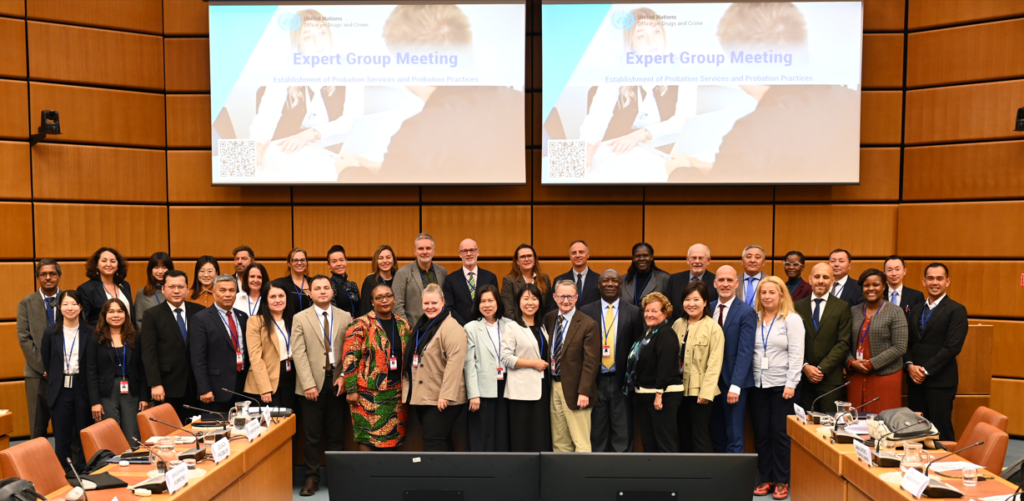
The Confederation of European Probation (CEP) was represented by its Secretary General, Jana Špero Kamenjarin, at the Expert Group Meeting on the Establishment of Probation Services and Probation Practices, organised by the United Nations Office on Drugs and Crime (UNODC) and held at the Vienna International Centre (VIC) from 12 to 14 October 2026.
Recap
Electronic monitoring, Technology
14th Electronic Monitoring Conference, Electronic Monitoring in a Changing World – Perception vs Reality
08/10/2026
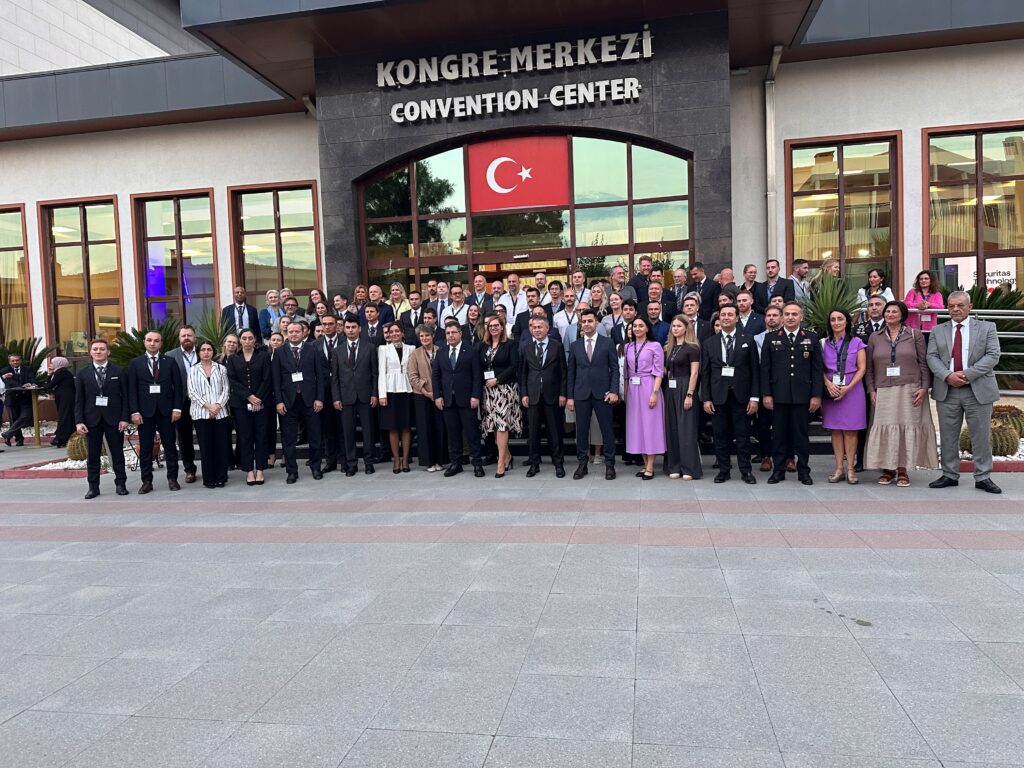
On 6-8 October 2026, Antalya hosted the 14th Electronic Monitoring Conference “Electronic Monitoring in a Changing World – Perception vs Reality”. More than 350 participants coming from 32 countries across Europe and worldwide representing probation services, Ministries of Justice, victims´ services, EM providers, researchers as well as local participants representing the Turkish Prison and Probation Service gathered to discuss how electronic monitoring (EM) is understood by all stakeholders involved including the victims and the public, and how these perceptions compare to the evidence and experiences of those affected. While the gap between perception and reality in electronic monitoring has been recognised for over a decade, the rapid expansion of EM into areas such as victim protection, high-risk supervision and digital innovation has brought new challenges and questions to the forefront.
Recap
ITSCCS
Core Correctional Skills in Digital Probation: highlights from the 6th ITSCCS in Barcelona
05/10/2026
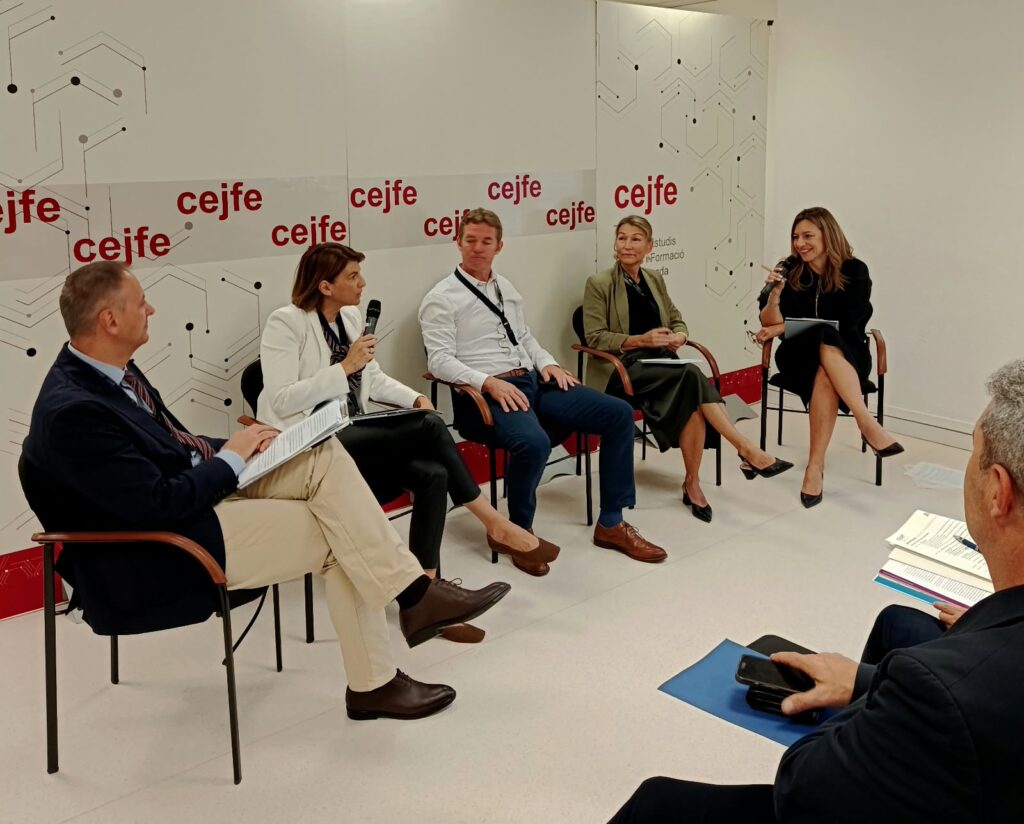
The sixth International Training School on Core Correctional Skills (ITSCCS) took place in Barcelona from 28 September to 2 October 2026, bringing together 26 participants for a week of learning, practical training and international exchange. Organised by the Confederation of European Probation (CEP) and the Centre for Legal Studies and Specialised Training (CEJFE), the programme focused on “Clicks and Empathy: Core Correctional Skills in Digital Probation.”
Subscribe to our bi-monthly email newsletter!
"*" indicates required fields
- Keep up to date with important probation developments and insights.