

Previous Article
News
Recap: conference Foreign National Prisoners, Nieuwersluis
With the conference on Foreign National Prisoners, held in October 2008 in Nieuwersluis, the Netherlands, the CEP Expert Group on Foreign Nationals made its first public appearance. “I was very content with the number of and the diversity of the participants”, comments Rolf Streng, one of the organisers of the conference and Expert Group member.” As many as 15 European countries were represented. That was beyond my expectations and a good start for the further development of the Expert Group.
“The CEP Expert Group on Foreign Nationals was established last April after CEP and a network of European organisations which support foreign national prisoners called EGPA (European Group on Prisoners Abroad) decided to team up. Before, EGPA had difficulties finding European wide exposure and support for its work.
A ‘merger’ with the CEP would enable to bring the topic of foreign national prisoners under the attention of the CEP member organisations.
“When we discussed the integration of EGPA in the CEP network, we agreed that a European conference on Foreign National Prisoners would give this subject the exposure that we were looking for”, says Rolf Streng. “In addition, a conference with participants form all over Europe should also give us the input to determine our action plan for the future. You could say this was indeed a crucial conference for the CEP Foreign prisoners-Expert Group.”
As the head of Bureau Buitenland of Reclassering Nederland, the Department which provides support to Dutch imprisoned abroad and one of the biggest organisations in the EGPA network, he offered to organise this conference. As a venue he found the historic main building of a women’s prison complex in Nieuwersluis, where the conference was held on the 16th and 17th of October.
Looking back, Rolf Streng is content with the results of the conference. “Initially, we planned to attract some 20 to 25 guests from abroad. But at the start of the conference, we could welcome 65. Moreover, among the guests there was a good balance of the parties involved in working with foreign national prisoners, such as prison, probation, NGO’s, lawyers and the judiciary. With such a diversity of participants, the topic of the conference is viewed upon from many different angles, which is always very inspiring.”
One of those ‘inspiring angles‘ for Rolf Streng personally were the ideas of a participant from Germany about the development of a common practice for the transfer of Foreign National Prisoners. “Instead of building one framework for the whole of Europe , he advocated that neighbouring countries should concentrate on bilateral cooperation with regard to foreign national prisoners. After all, for every country in Europe most of its national prisoners detained abroad are in its neighbouring countries. And once you have developed a bilateral practice, you can see how to expand that to other countries in Europe. I think this may be a productive way to make a (re)start and work together on this subject, also with regard to the moment when the European Framework Decision on the Transfer of convicted foreign national prisoners, and Non-Custodial Sanctions and Measures for foreign nationals, comes into force.”
This idea and others will be taken to the next meeting of the CEP Expert Group on the 5th of February in London, when the direction of the Expert Group will be determined. “We will set up the headlines of a plan, for European wide support to foreign national prisoners, that we consider to be both ambitious and realistic”, Rolf Streng says. “We hope to share this with the participants of the Nieuwersluis conference, so that they can act as a reference group. In that way, we expect to be able to keep active contacts with the participants of the conference and ensure further development of ideas on Foreign National
Prisoners, which hopefully will lead to a situation in which every country in Europe offers support to this vulnerable group of prisoners. After all, that was the main goal of the former EGPA, and the main topic of the conference in Nieuwersluis. “
Presentations
- Embassies´ role in care for nationals detained abroad and in preparing for the transfer of prisoners, in the light of the coming EU legislation (by Wiebe de Boer)
- Introduction to Prisoners Abroad: its aims, activities, after-care facilities and surveys (by Pauline Crowe)
- Overview of (good) practices (for example, ‘prison orderlies’) and experiences with centralising foreign prisoners (by Bob Daw)
- Insight into new (upcoming) EU legislation (by David O’Donovan)
- Human rights, foreign prisoners and probation (by Ioan Durnescu)
- NOMS and Foreign National Offender (by Nick Hammond)
- Results of the EU ‘Social Exclusion’ study: ‘Foreign Prisoners’ (by Femke Hofstee-van der Meulen)
- Foreign Prisoners in Malta (by Mark Montobello)
- Dutch Probation Service International Office (by Rolf Streng)

Related News
Keep up to date with the latest developments, stories, and updates on probation from across Europe and beyond. Find relevant news and insights shaping the field today.
Recap
Electronic monitoring, Technology
14th Electronic Monitoring Conference, Electronic Monitoring in a Changing World – Perception vs Reality
08/10/2026
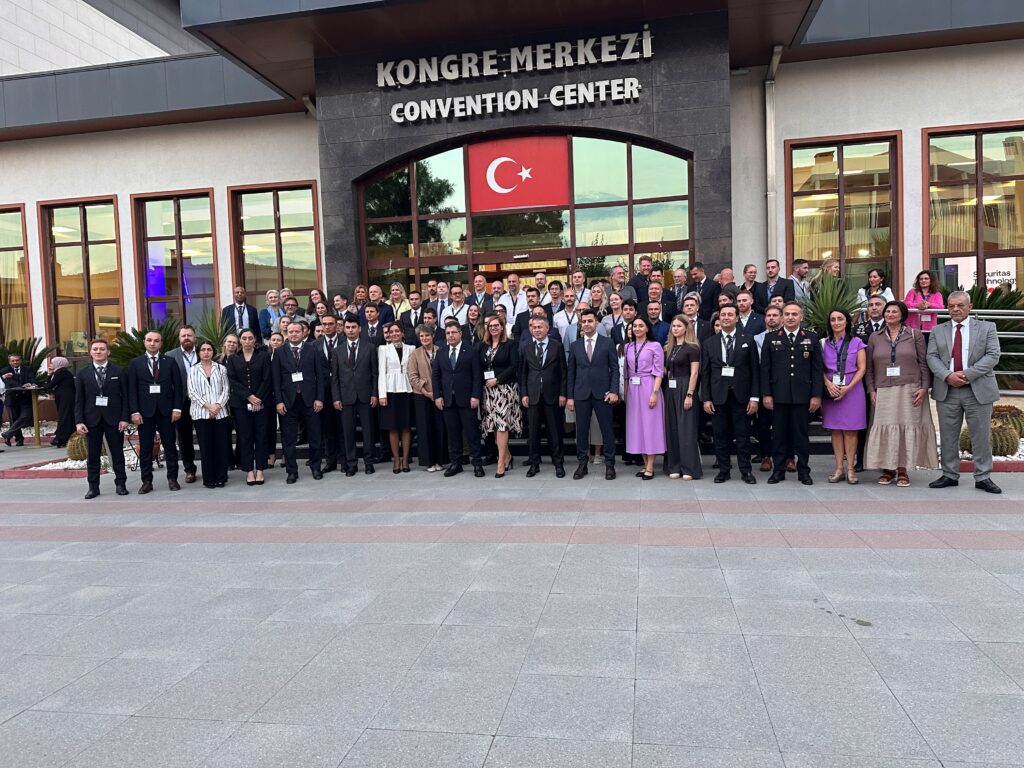
On 6-8 October 2026, Antalya hosted the 14th Electronic Monitoring Conference “Electronic Monitoring in a Changing World – Perception vs Reality”. More than 350 participants coming from 30 countries across Europe and worldwide representing probation services, Ministries of Justice, victims´ services, EM providers, researchers as well as local participants representing the Turkish Prison and Probation Service gathered to discuss how electronic monitoring (EM) is understood by all stakeholders involved including the victims and the public, and how these perceptions compare to the evidence and experiences of those affected. While the gap between perception and reality in electronic monitoring has been recognised for over a decade, the rapid expansion of EM into areas such as victim protection, high-risk supervision and digital innovation has brought new challenges and questions to the forefront.
Recap
ITSCCS
Core Correctional Skills in Digital Probation: highlights from the 6th ITSCCS in Barcelona
05/10/2026
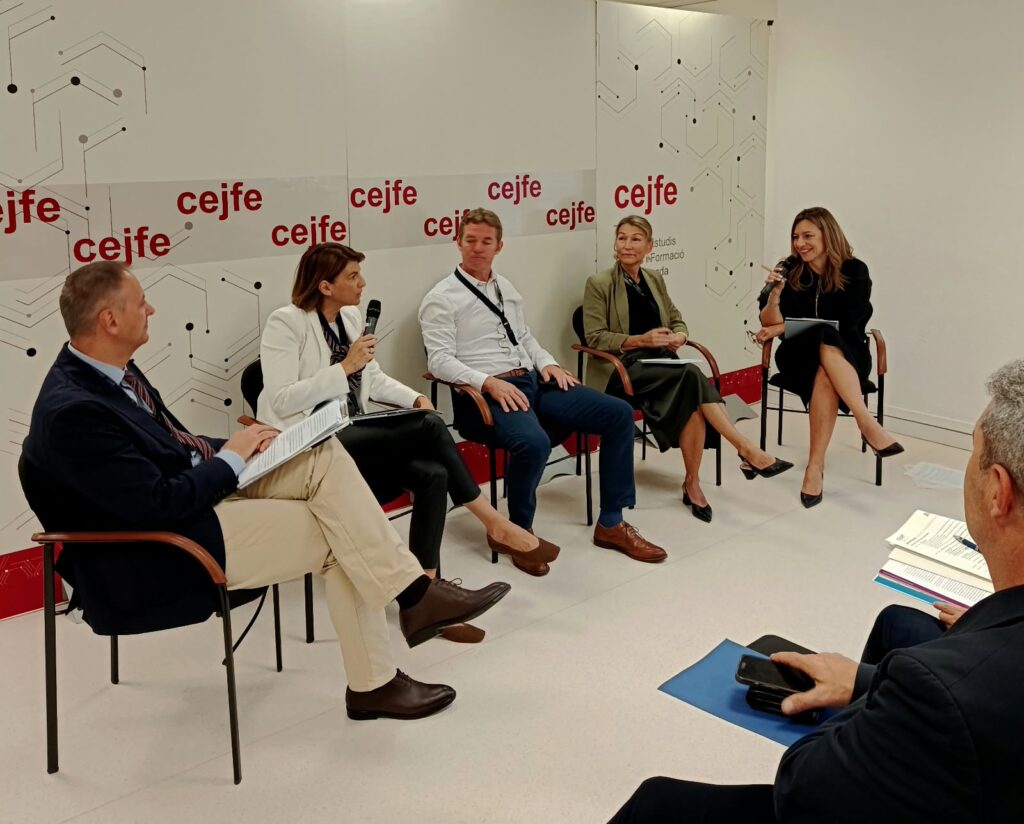
The sixth International Training School on Core Correctional Skills (ITSCCS) took place in Barcelona from 28 September to 2 October 2026, bringing together 26 participants for a week of learning, practical training and international exchange. Organised by the Confederation of European Probation (CEP) and the Centre for Legal Studies and Specialised Training (CEJFE), the programme focused on “Clicks and Empathy: Core Correctional Skills in Digital Probation.”
Recap
Framework Decisions
Recap: ERA workshop on Framework Decisions 829 and 947 in Bucharest
02/10/2026
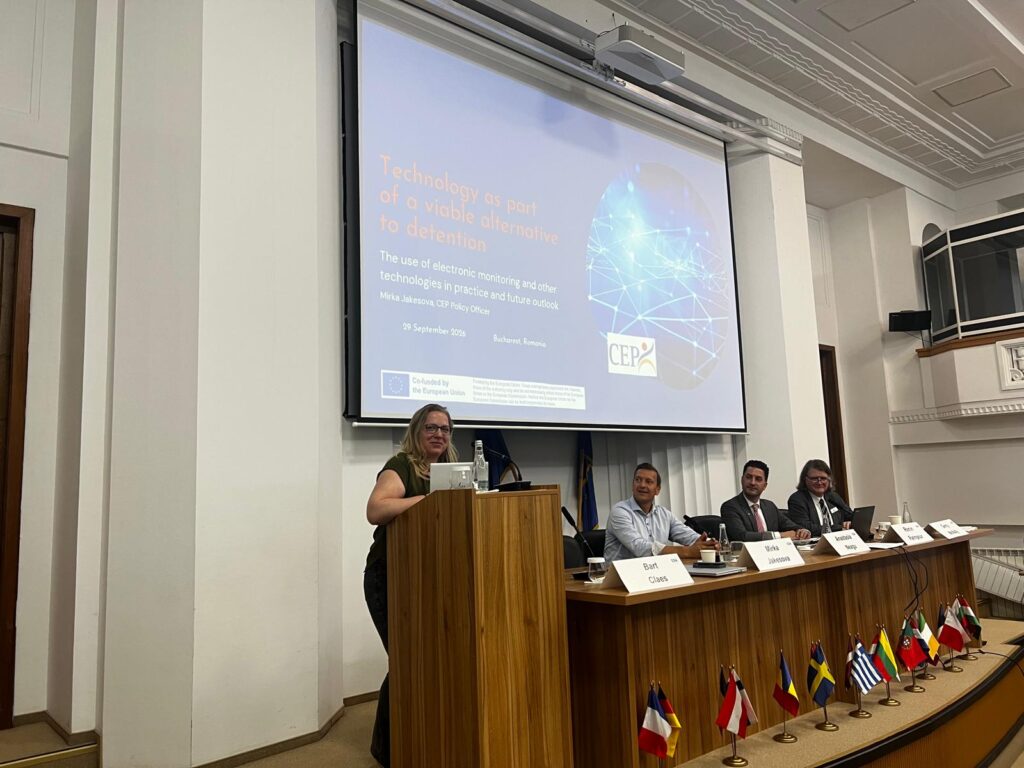
CEP Vice-President Daniel Danglades, Ambassador Gerry McNally and Policy Officer Mirka Jakesova participated in the Seminar on Framework Decisions 829 and 947 and their Impact on Alternatives in the EU organized under the EU project run by the Academy of European Law on 28-29 September in Bucharest, Romania. The seminar brought together judges, prosecutors, probation practitioners, academics, and policy experts to discuss the growing role of alternatives to detention within European criminal justice systems.
New
CEP
CEP and Catalan justice leaders reaffirm longstanding cooperation
29/09/2026
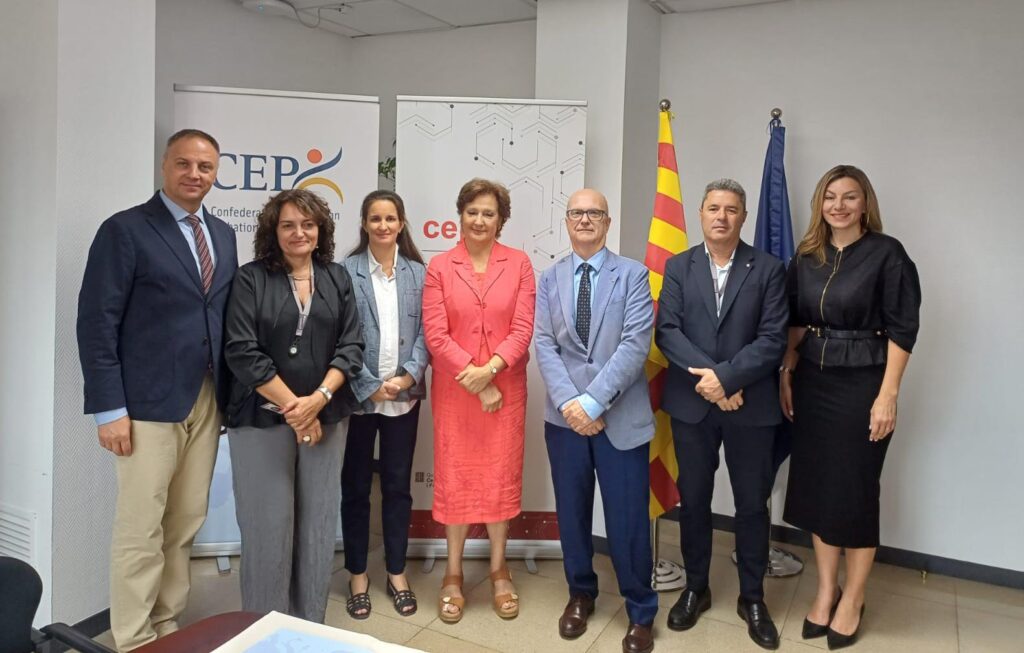
Representatives of the Confederation of European Probation (CEP) met with senior officials from the Catalan Department of Justice and Democratic Quality in Barcelona on 28 September 2026, alongside the opening of the sixth International Training School on Core Correctional Skills. The meeting offered an opportunity to recognise a longstanding partnership and discuss its continued development.
Updated
Mental Health
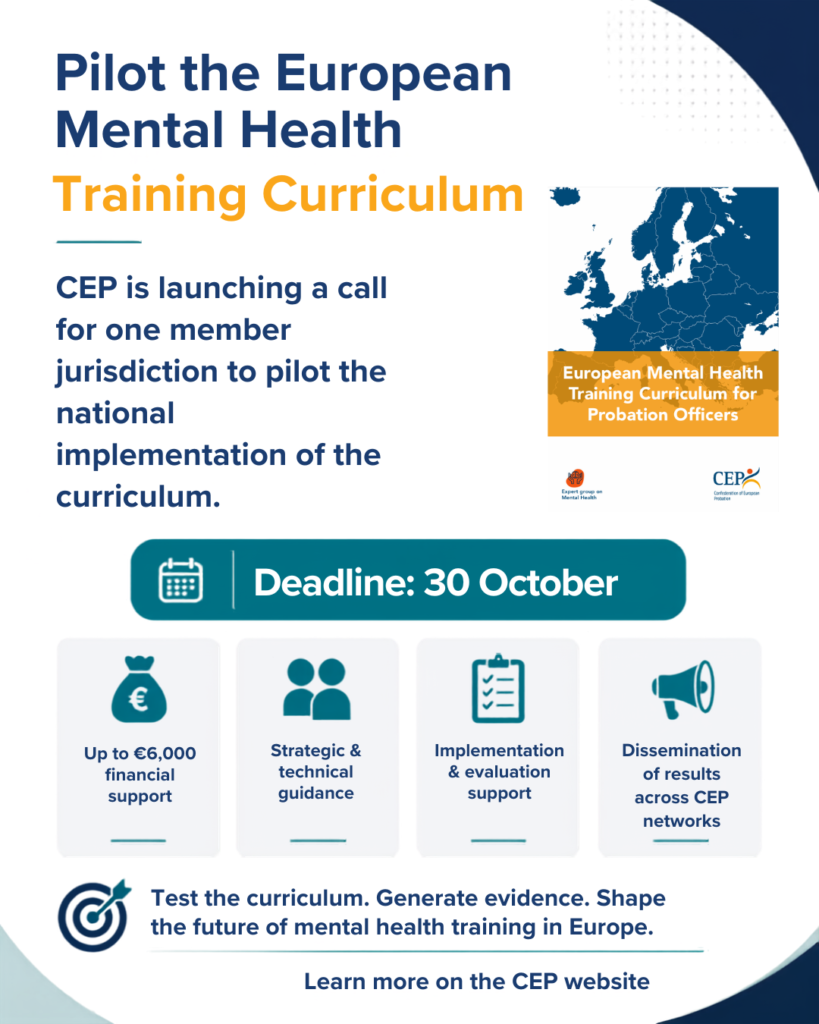
DEADLINE EXTENDED: Call for Pilot Implementation of the European Mental Health Training Curriculum
29/09/2026
Good news for CEP members! Following requests from our members, CEP has extended the deadline to apply for the pilot implementation of the European Mental Health Training Curriculum for Probation Officers.
Recap
ITSCCS, Technology
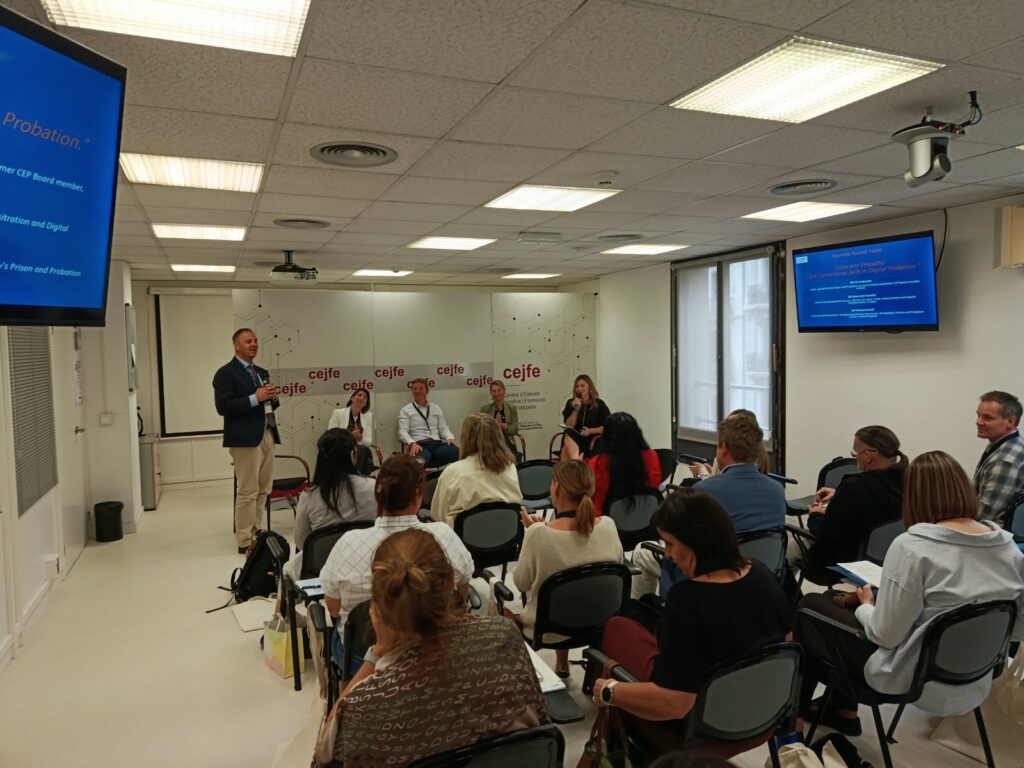
6th International Training School opens in Barcelona with a focus on digital probation
28/09/2026
How can probation professionals use new technologies in their interactions while building trust, showing empathy and supporting change? This question is at the heart of the sixth International Training School on Core Correctional Skills, which opened in Barcelona on 28 September 2026.
Subscribe to our bi-monthly email newsletter!
"*" indicates required fields
- Keep up to date with important probation developments and insights.