
Previous Article
An article by Dr. Louise Starfelt Sutton, research manager, research and evaluation unit of the Swedish Prison and Probation Service
Introducing “Krimstics” in the Swedish Probation and Parole Service
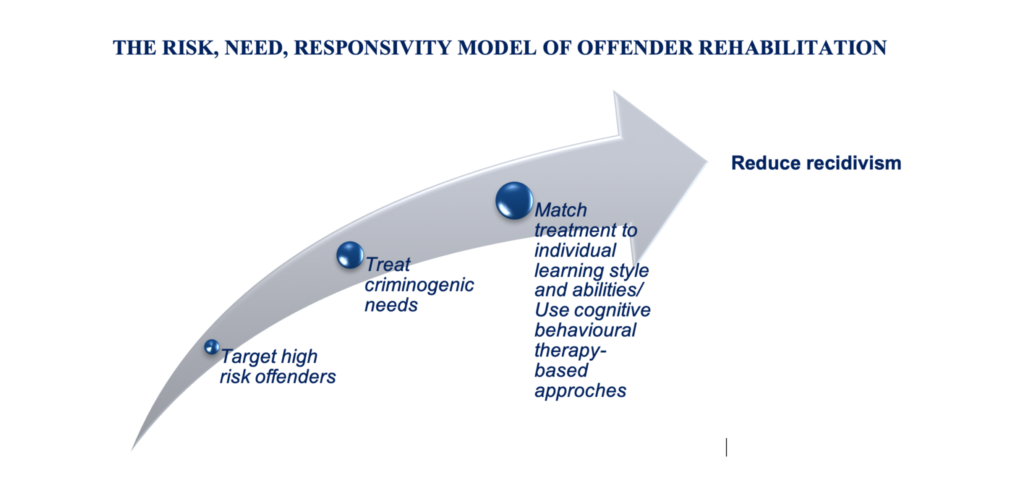
The staff training model Strategic Training Initiative in Community Supervision, in Sweden called Krimstics, is based on the principles of risk, need, and responsivity (Bonta & Andrews, 2017) and focuses on building and maintaining probation and parole officers’ therapeutic skills. At the core of Krimstics is the envisioned transition of the probation and parole officer from a case manager, who coordinates rehabilitative services, to a change agent, who actively works with clients’ behaviour change in supervision sessions. To reach this goal, the supervision period, normally 12 months, is structured around a series of stages:
- Assessing the client’s recidivism risk and treatment needs by using a structured risk-needs assessment tool;
- Building a collaborative relationship with the client;
- Establishing a common ground for working with attitude and behaviour change by introducing techniques based on cognitive behavioural therapy;
- Identifying and challenging pro-criminal attitudes and behaviours, and exploring pro-social alternatives.
Staff training focuses on teaching probation and parole officers skills and therapeutic techniques based on cognitive behavioural therapy. Krimstics aims to be responsive to the client’s learning style and abilities by using simple language, a clear structure and continuous report-building. There is also a commitment to the long-term maintenance and development of skills in Krimstics, with ongoing clinical support activities for probation and parole officers. These activities include monthly meetings and yearly refresher trainings to discuss and practice skills as well as formal clinical feedback.
Adherence to risk, need, and responsivity (RNR)
Between 2014 and 2017, more than 700 probation and parole officers were trained in Krimstics in Sweden and, in parallel, a systematic evaluation of the model’s implementation was conducted. The evaluation aimed to examine adherence to the principles of risk, need, and responsivity (RNR) as Krimstics was introduced. By collecting and analysing 545 audio-recordings of supervision sessions from 96 probation and parole officers over 2 years, the results consistently showed an increased quality in probation and parole officers’ interactions with their clients. These interactions became more structured, more relationship-focused and more therapeutic after probation and parole officers had received training and clinical support in Krimstics.
Challenges in adhering to RNR-principles were also identified. Although Krimstics-trained probation and parole officers more clearly focused on relevant treatment needs in their discussions with clients in supervision sessions, this effect was not maintained over time. Key therapeutic techniques showed relatively poor quality, despite improvements over time. Also, by examining the contact frequency between probation and parole services and clients with low, medium, or high recidivism risk over twelve months of supervision, it was clear that the intensity of contact was not differentiated according to the risk of reoffending. Overall, and in conflict with recommendations in the research literature, medium and high risk clients had a relatively low contact frequency. These challenges in adhering to RNR may hinder the model’s primary goal of reducing recidivism.
Where do we go from here?
Attitudes which support a criminal lifestyle are dynamic and amendable to change and are therefore appropriate targets in efforts to rehabilitate offenders. In Sweden, probation and parole officers have demonstrated positive changes in the way they interact with clients as the staff training model Krimstics has been implemented. The probation and parole service now has the task of identifying and challenging the barriers of initiating and maintaining intensive and extensive contact with high risk clients on supervision. Resources could, and should, be redirected from low risk clients. Also, opportunities for probation and parole officers to further develop and practice key therapeutic skills should be prioritised. Addressing these challenges will likely increase the potential for supervision practice to effectively promote clients’ behaviour change.