

Previous Article
News
Now online: results of the project LIAISE 1 on preventing and fighting radicalisation at the local level
EFUS, the European Forum for Urban Safety, published the results of the first LIASE project, carried between 2014 and 2016, on fighting and preventing radicalisation at a local level.
You can download the documents here.
In order to combat radicalisation, repressive responses alone are not sufficient. Preventive measures must also be implemented to tackle its underlying causes and to strengthen the resilience of individuals to the risks of radicalisation. Because they are by nature close to citizens, local and regional authorities are strategically positioned to put in place such preventive actions and to mobilise all the relevant local stakeholders.
This publication broaches the different areas of a local strategy for the prevention of radicalisation and provides practical insights and tools to enable local stakeholders to act, both at the political and technical levels.
This text is the result of work carried out between 2014 and 2016 in the framework of the European project “Local Institutions AgaInSt Extremism (LIAISE)” led by Efus in partnership with the cities of Augsburg (Germany), Brussels (Belgium), Dusseldorf (Germany), Liege (Belgium), L’Hospitalet de Llobregat (Spain), Reggio Emilia (Italy), Malmö (Sweden) and Vilvoorde (Belgium), as well as the Institute for Strategic Dialogue think tank (UK) and the Ufuq.de association (Germany).
This year, CEP partnered in Local Institutions Against Violent Extremism II (LIASE 2),co-funded by the European Union and also led by EFUS. The project seeks to strengthen the capacities of local and regional European authorities to prevent and tackle the issue of radicalisation leading to violent extremism.
Of a duration of 24 months, LIAISE 2 will organise five European conferences on different aspects of the issue of radicalisation. Furthermore, it will deliver training sessions to local authorities partner of the project and will help them to set up pilot projects in which they will apply locally the knowledge gained during the training sessions as well as develop innovative practices.

Related News
Keep up to date with the latest developments, stories, and updates on probation from across Europe and beyond. Find relevant news and insights shaping the field today.
New

CEP
Call for Proposals: Evaluation of CEP Expert Groups
21/10/2026
On behalf of Ms. Jana Špero Kamenjarin, CEP Secretary General, it is my pleasure to invite you to submit a proposal to conduct an evaluation within the CEP work programme.
Recap

Uncategorized
CEP at UNODC: Contributing to the Development of Probation Services Worldwide
19/10/2026
The Confederation of European Probation (CEP) was represented by its Secretary General, Jana Špero Kamenjarin, at the Expert Group Meeting on the Establishment of Probation Services and Probation Practices, organised by the United Nations Office on Drugs and Crime (UNODC) and held at the Vienna International Centre (VIC) from 12 to 14 October 2026.
Recap
Electronic monitoring, Technology
14th Electronic Monitoring Conference, Electronic Monitoring in a Changing World – Perception vs Reality
08/10/2026
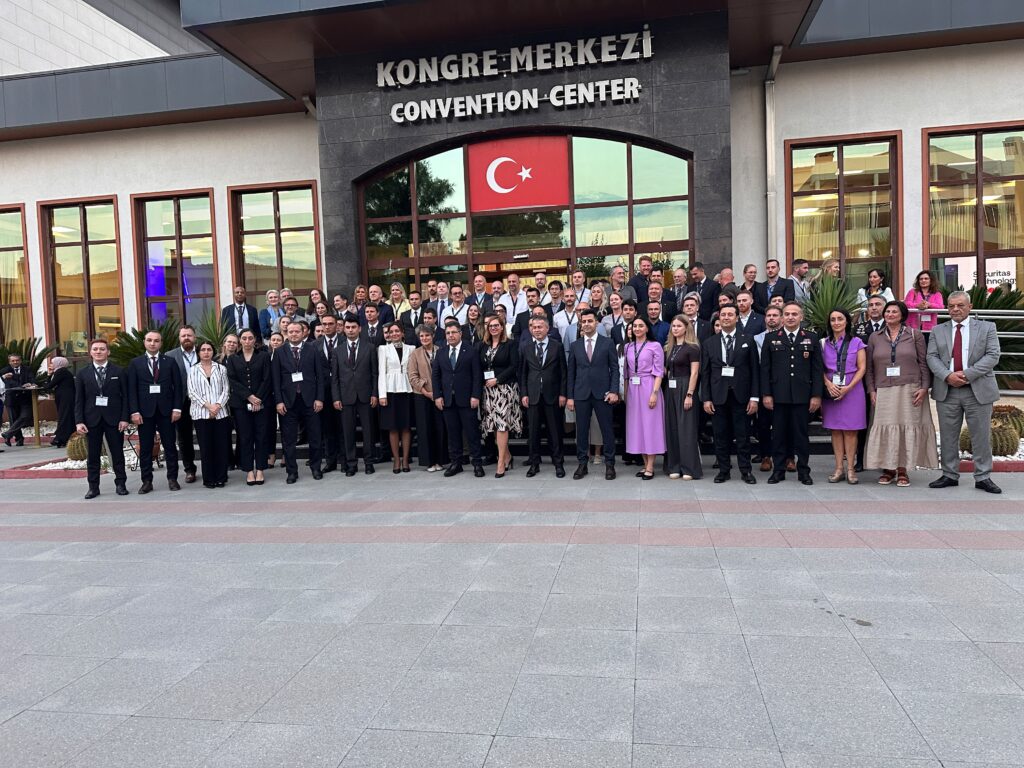
On 6-8 October 2026, Antalya hosted the 14th Electronic Monitoring Conference “Electronic Monitoring in a Changing World – Perception vs Reality”. More than 350 participants coming from 32 countries across Europe and worldwide representing probation services, Ministries of Justice, victims´ services, EM providers, researchers as well as local participants representing the Turkish Prison and Probation Service gathered to discuss how electronic monitoring (EM) is understood by all stakeholders involved including the victims and the public, and how these perceptions compare to the evidence and experiences of those affected. While the gap between perception and reality in electronic monitoring has been recognised for over a decade, the rapid expansion of EM into areas such as victim protection, high-risk supervision and digital innovation has brought new challenges and questions to the forefront.
Recap
ITSCCS
Core Correctional Skills in Digital Probation: highlights from the 6th ITSCCS in Barcelona
05/10/2026
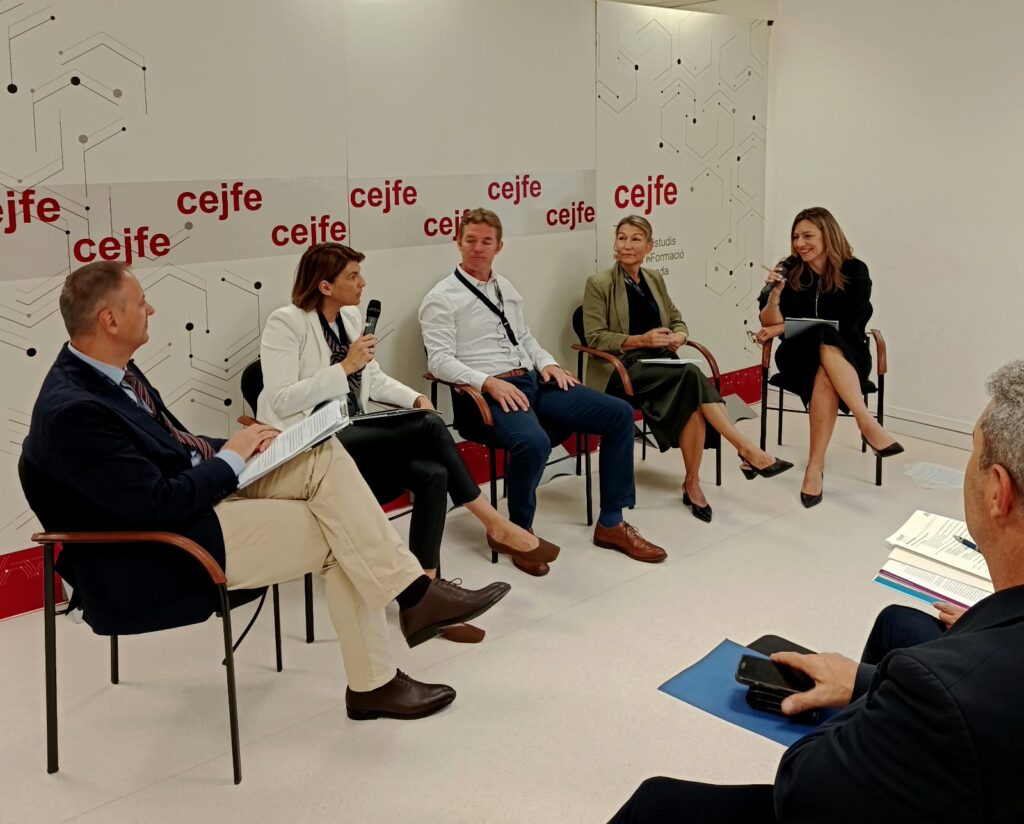
The sixth International Training School on Core Correctional Skills (ITSCCS) took place in Barcelona from 28 September to 2 October 2026, bringing together 26 participants for a week of learning, practical training and international exchange. Organised by the Confederation of European Probation (CEP) and the Centre for Legal Studies and Specialised Training (CEJFE), the programme focused on “Clicks and Empathy: Core Correctional Skills in Digital Probation.”
Recap
Framework Decisions
Recap: ERA workshop on Framework Decisions 829 and 947 in Bucharest
02/10/2026
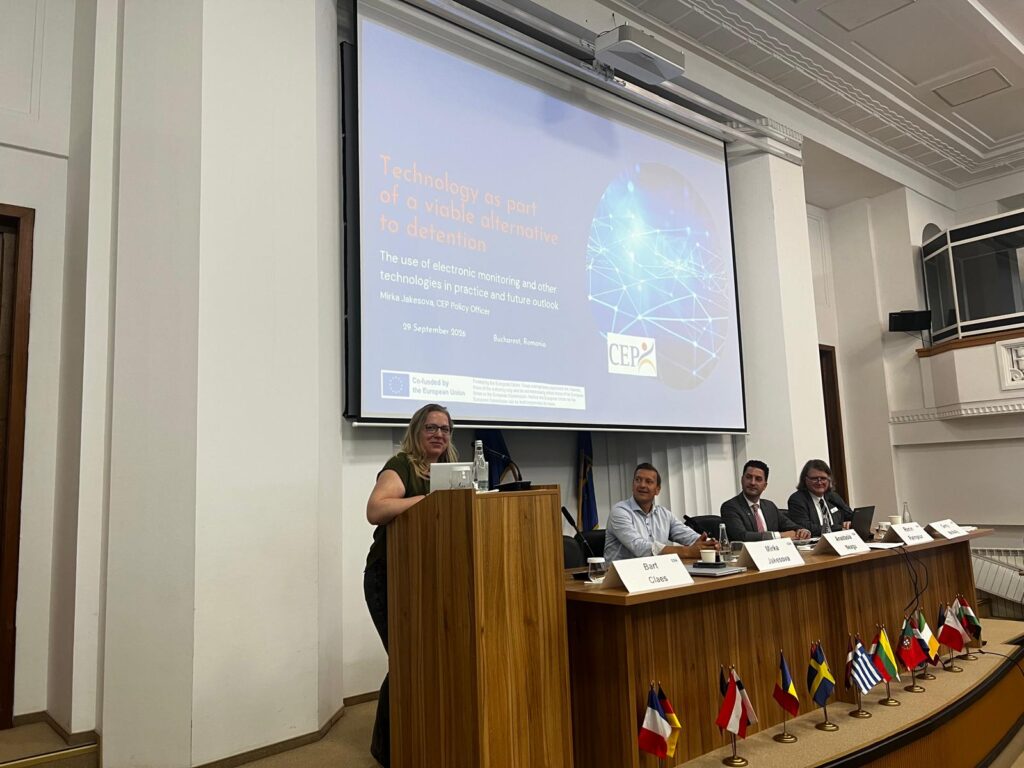
CEP Vice-President Daniel Danglades, Ambassador Gerry McNally and Policy Officer Mirka Jakesova participated in the Seminar on Framework Decisions 829 and 947 and their Impact on Alternatives in the EU organized under the EU project run by the Academy of European Law on 28-29 September in Bucharest, Romania. The seminar brought together judges, prosecutors, probation practitioners, academics, and policy experts to discuss the growing role of alternatives to detention within European criminal justice systems.
New
CEP
CEP and Catalan justice leaders reaffirm longstanding cooperation
29/09/2026
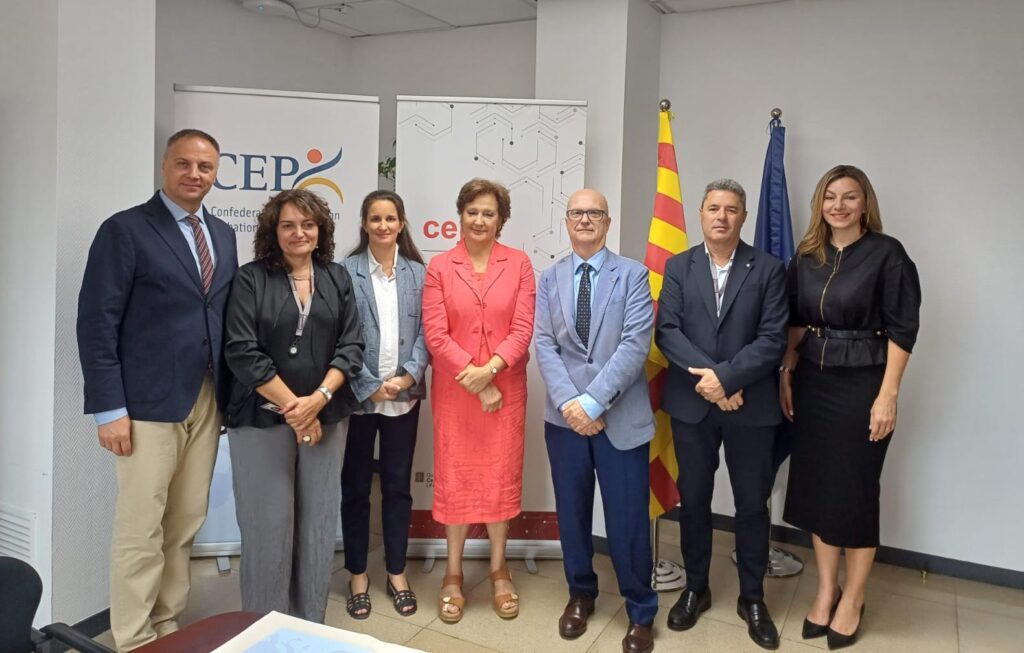
Representatives of the Confederation of European Probation (CEP) met with senior officials from the Catalan Department of Justice and Democratic Quality in Barcelona on 28 September 2026, alongside the opening of the sixth International Training School on Core Correctional Skills. The meeting offered an opportunity to recognise a longstanding partnership and discuss its continued development.
Subscribe to our bi-monthly email newsletter!
"*" indicates required fields
- Keep up to date with important probation developments and insights.