
Previous Article
During the Congress there was the active involvement of youth, civil society, academics, legal professionals, youth and criminal justice professionals and government representatives. In addition, 60 satellite events around the globe localized the discussion and expanded the reach of this international effort.
Opening Day: Setting the Global Agenda
The first day of the Congress opened with a high-level inaugural ceremony, featuring international speakers and youth delegates. The opening plenary titled “Children and Justice: Global Trends and New Challenges” framed the key themes for the week: addressing violence in custodial settings, preventing unnecessary contact with the justice system, and embedding child participation across all levels of reform.
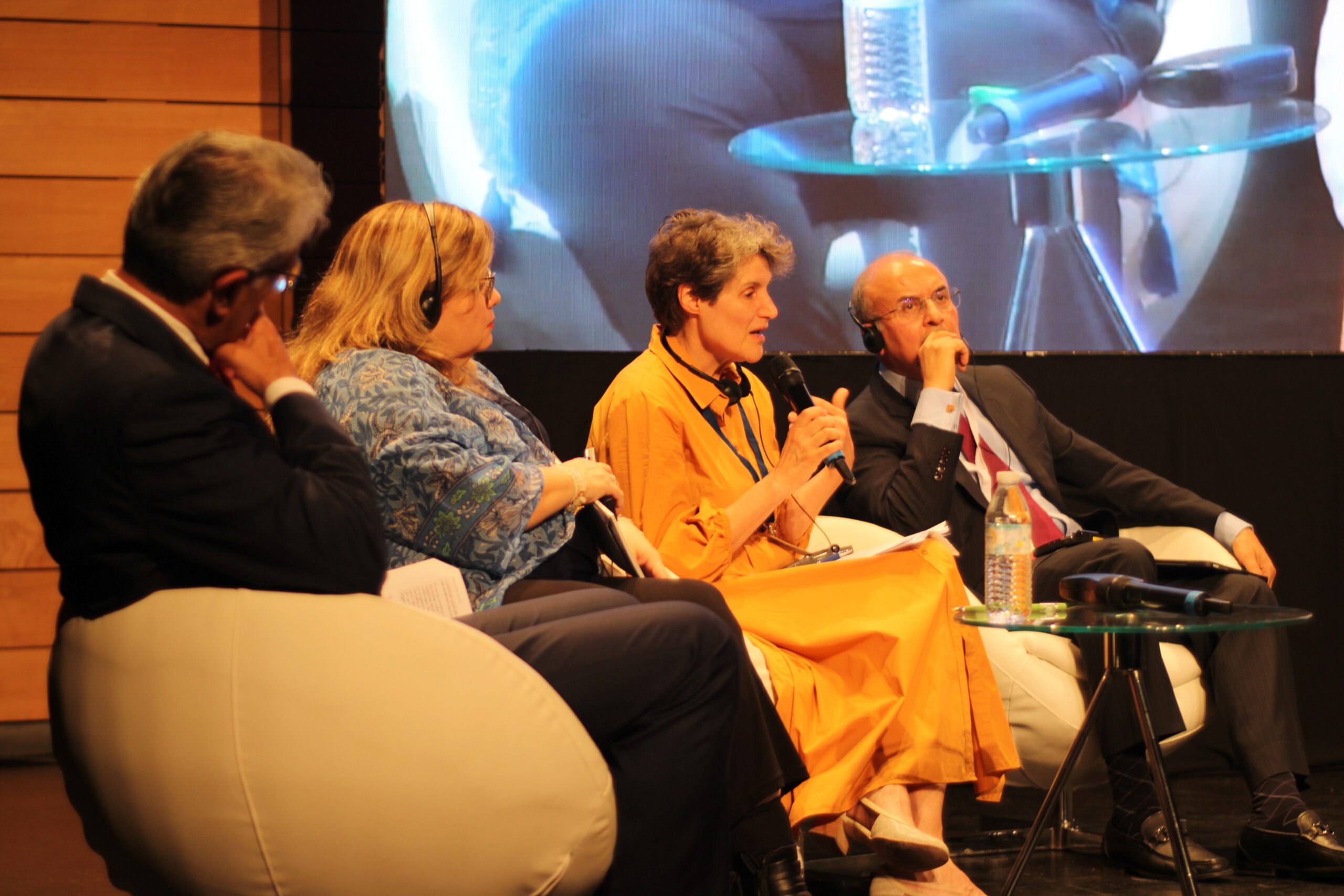 At the Second International Plenary Session titled ¨Preventing and Responding Violence Against Children in Justice Systems¨, ¨Annie Devos, President of the Confederation of European Probation (CEP) and Director General for the Wallonia-Brussels Federation at the Ministry of Justice, delivered a powerful address on the role of Probation and community-based alternatives for children in conflict with the law and to promote a Child friendly Justice.
Devos drew on her experience in Prison and in Probation in Belgium and at international level, arguing that incarceration is often counterproductive and harmful to child development. “Probation is not a lenient option—it is a structured, restorative approach that centers accountability, healing, and reintegration,” she said.
Her remarks highlighted the urgency of replacing punitive measures with evidence-based alternatives that offer children dignity, stability, and the chance to rebuild their lives. She also called for greater investment in cross-border training, youth engagement, and collaborative justice initiatives.
Second day
CEP Workshop: Juveniles in Probation and in conflict with Law—Three Stories, One Vision
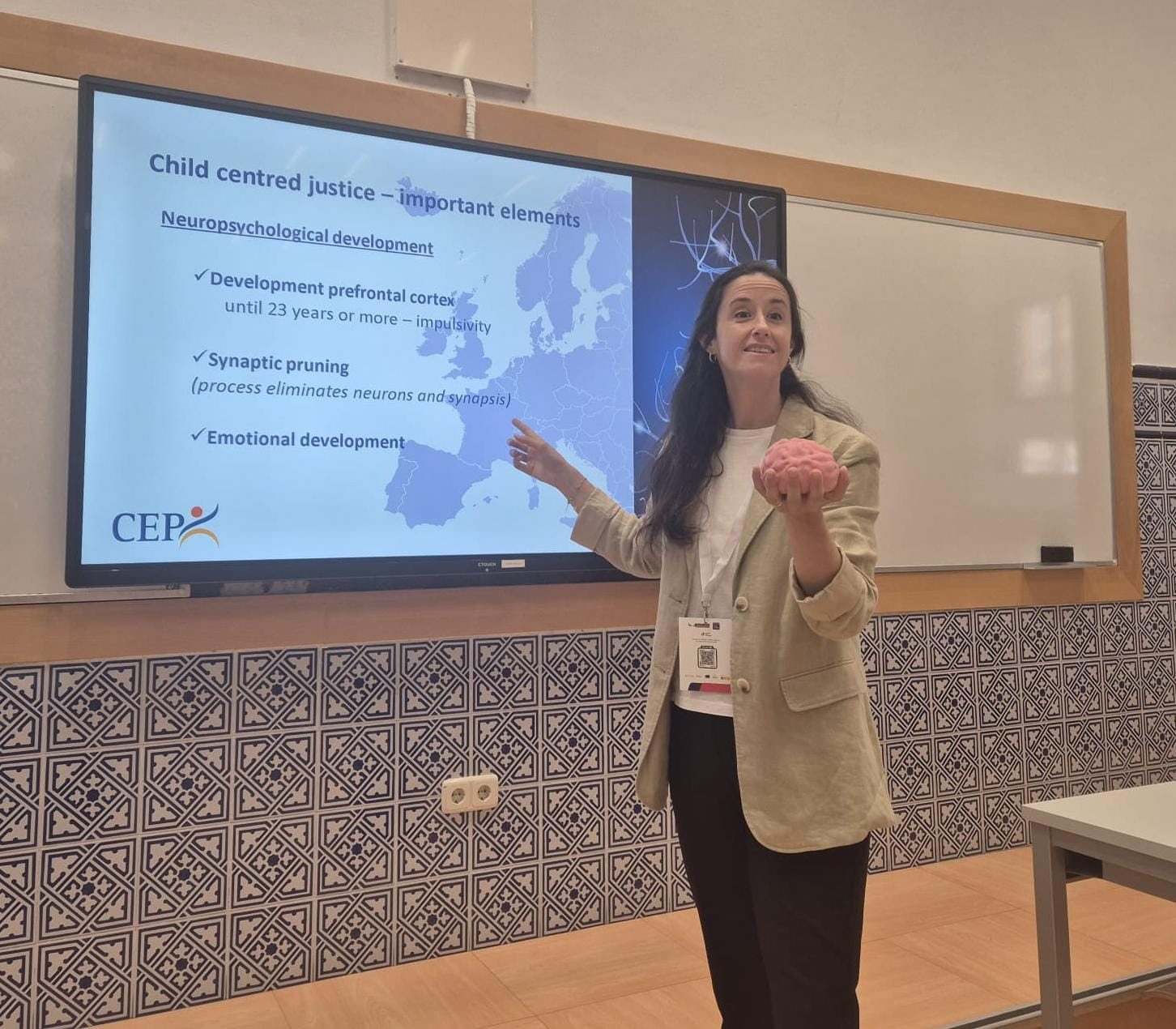
The workshop offered a compelling exploration of juvenile probation through diverse international lenses, highlighting innovative approaches to supporting children in conflict with the law. Moderated by Anna Esquerrà Roqueta, Policy and Liaison Officer at the Confederation of European Probation (CEP), the session blended expert insights with practical experiences to show how probation services are walking through Child centered justice systems.
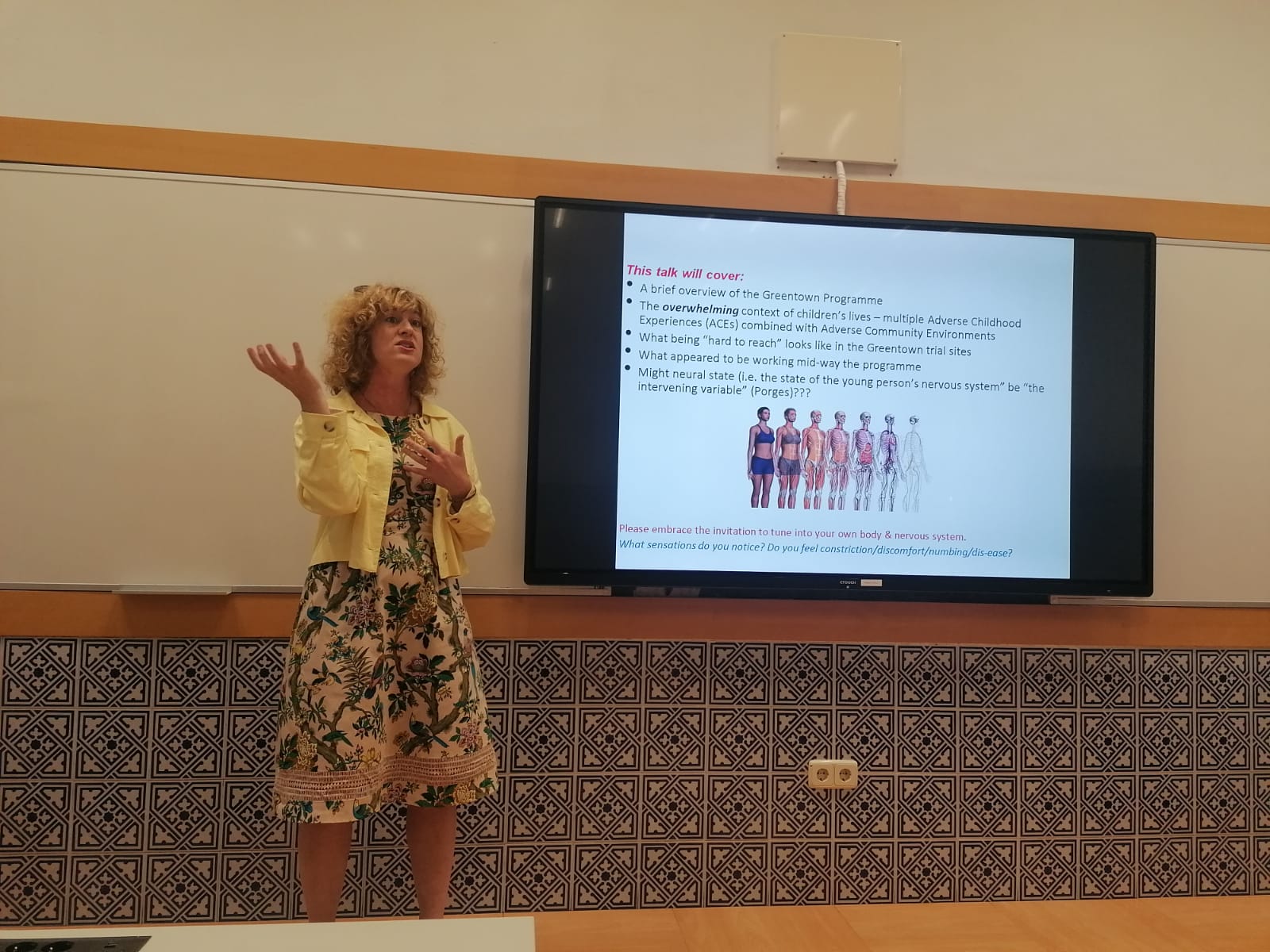
The workshop began with Dr. Jane Mulcahy from Ireland, a specialist in childhood trauma and its long-term effects on youth behavior. Dr. Mulcahy’s presentation focused on the critical importance of addressing attachment, neurodevelopment, and relational health in juvenile justice responses. She emphasized that many offending children carry deep wounds from adverse childhood experiences such as neglect and abuse, and that effective engagement requires a trauma-informed, compassionate approach. Her insights underscored how safety, nurturing care, and positive relationships form the foundation for rehabilitation and reduce the likelihood of reoffending.
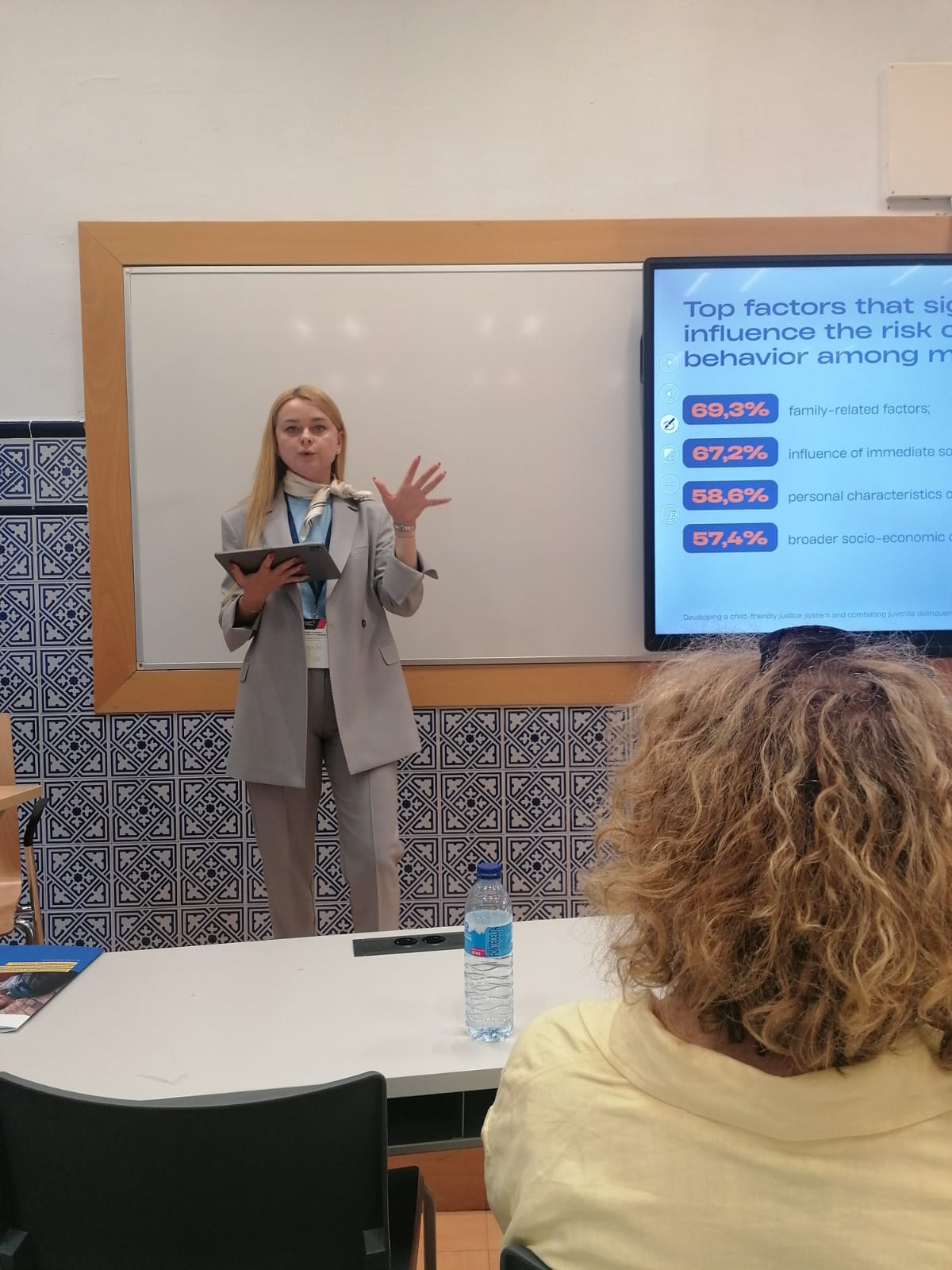
Next was Yuliia Uzenko from Ukraine, who illustrated how juvenile probation services in a conflict-affected context have adapted through digital tools, psychosocial support, family work and other. Her testimony highlighted resilience and innovation in ensuring continuity of care for children in exceptionally challenging circumstances.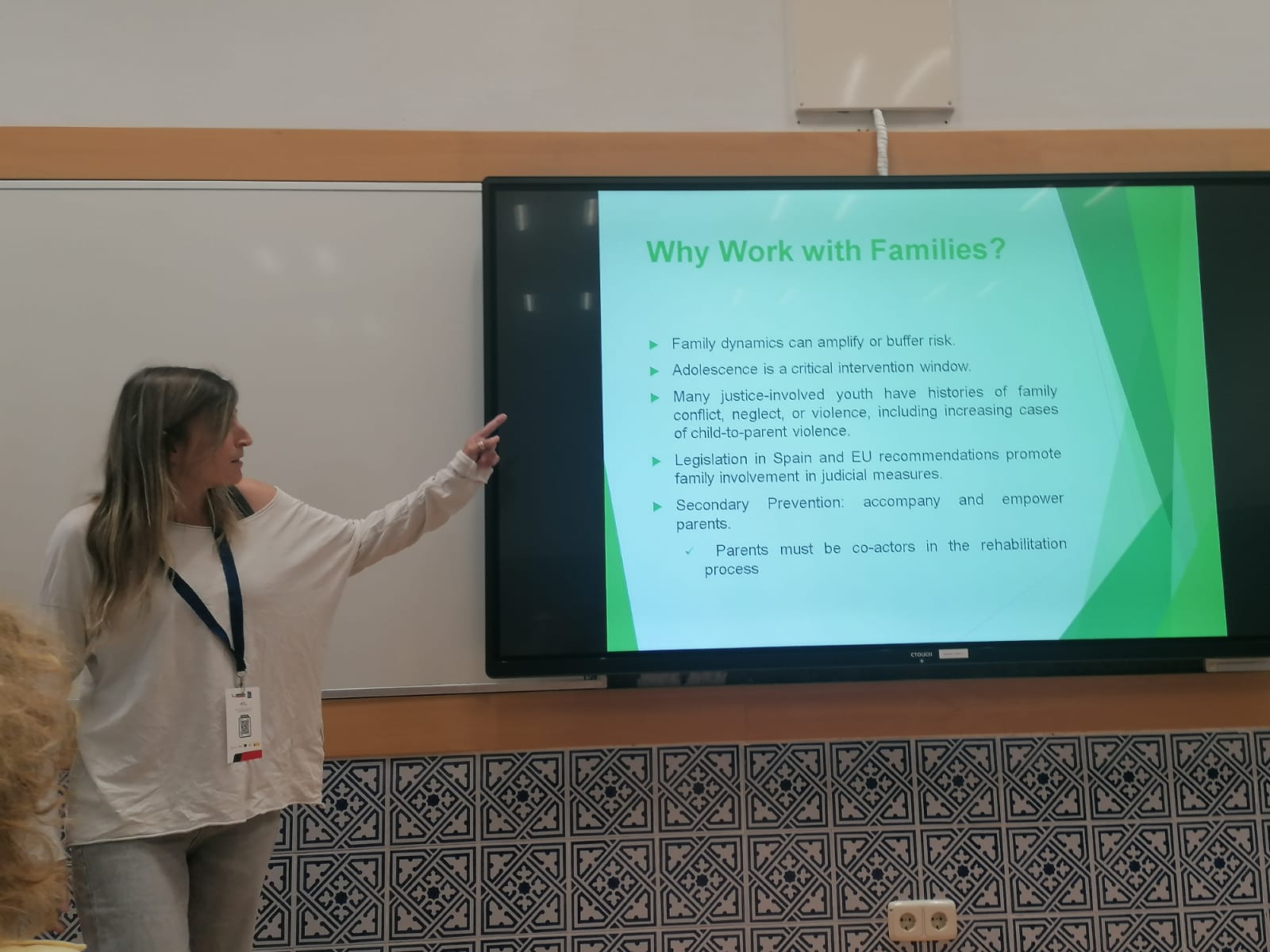
The session concluded with a presentation by Marta Aroca Montero from Catalonia shared their child-centered justice model, which prioritizes the best interests of the child. Drawing on her professional experience working directly with justice-involved children, Aroca presented an innovative group intervention program for parents aimed at fostering positive attachment and promoting proactive parenting. This program supports families in establishing constructive boundaries and nurturing environments, reflecting a holistic approach that integrates social support with probation supervision to enhance the young person’s reintegration prospects.
Together, the workshop’s presentations articulated a shared vision: juvenile probation must be flexible, trauma-informed, and centered on the child’s dignity and potential. By moving away from punitive measures and investing in relational, supportive frameworks, justice systems can better protect children from the harms of institutionalization and foster their healthy development, concluding that closed regime institutions must be the last resort.
Third day
The final day of the V World Congress on Justice With Children, the programme focused on synthesizing insights from the previous sessions and charting a path forward for child-centered justice reforms.
The day commenced with a series of plenary sessions that brought together key stakeholders to discuss the implementation of child-friendly justice systems.
These sessions emphasized the importance of evidence-based approaches and the need for continuous monitoring and evaluation to ensure that reforms lead to tangible improvements in children’s lives.
After the plenaries, participants engaged in interactive workshops aimed at developing actionable strategies for implementing the Congress’s recommendations. These workshops provided a platform for stakeholders to commit to specific actions and timelines, fostering a sense of shared responsibility and momentum for change.
Closing Ceremony: Affirming Commitment to Child-Centered Justice
The Congress concluded with a closing ceremony that featured reflections from youth representatives, policymakers, and civil society leaders. Highlights included:
- Youth Voices: Young delegates shared their experiences and aspirations, underscoring the importance of including children in decision-making processes.
- Adoption of the Declaration on Advancing Child-centred justice: Participants endorsed a declaration reaffirming their commitment to advancing child-centered justice and outlining key principles and actions for the future.
The congress served as a powerful reminder of the collective dedication to transforming justice systems to better serve and protect children worldwide. The Congress concluded with the message that justice with children is not just about reforming systems—it’s about reimagining them.
Youth Participation and Satellite Engagement
 A defining characteristic of the 2025 Congress was the direct involvement of children and young people. Youth delegates were not only present—they led panels, produced creative works, and participated in decision-making dialogues. Through platforms like “Voices of Justice,” young participants made clear demands for systems that listen, protect, and empower.
Meanwhile, over 60 satellite events took place simultaneously around the world—from Latin America to Africa to South Asia. These events helped translate the global conversation into regional realities, focusing on issues such as indigenous justice, racial inequities, and juvenile justice in humanitarian settings.
Learn more and access recordings, resources, program and outcomes: https://justicewithchildren.org/en/world-congress-justice-children-2025