

Previous Article
News
The emergency working situation and probation supervision
An article written by Marite Hannes, East-Harju Probation Supervision Department, Tallinn Prison, Estonia
Working from home
The 7th week of remote work is about to begin. By now, a certain routine working from home has become a habit. Very clear guidelines were provided for the functioning of probation supervision quite early in the crisis. Of course, such a drastic change in everyday work order requires time to think things through, as in how work could be most effective with limited resources and options, while ensuring that the essential work of probation supervision would not come to a halt. In the first days, it was difficult to imagine how working from home would function and it is somewhat more difficult to keep the focus on work matters. The fact that work could not stop and that often immediate action was required helped to get the hang of things very quickly. During the emergency situation, registrations with probationers took place via telephone, which also meant that the first task of officers was to notify probationers of the changed living arrangement to ensure that no one would risk the health of themselves or others by coming to the Probation Supervision Department.
Thanks to the opportunities of the e-state, nearly everything is possible: documents can be digitally signed and forwarded via email and substantive work with people can be successfully carried out by telephone. Even court sessions can be held via video. Only home visits and inspection of additional obligations, for instance random checks to discover possible use of narcotics, have been suspended. However, there is still preparedness to check on persons in the event of clear indication or certain suspicion of intoxication.
Conversations by phone
Telephone conversations with probationers have gone smoothly and without problems. The seriousness of the situation is mostly understood and the conversations take place exactly as they would have gone in face-to-face meetings. A few persons have admitted that they feel more comfortable communicating with the officer directly and would very much welcome the opportunity to arrange an actual meeting.
The benefits
After a quick settlement period, it can be said that the biggest benefits of working from home are saving time on driving to work and home, and overall concentration has improved thanks to the mere fact that there are less people in the building. However, focus on work is, for instance, distracted by pets that demand attention, as well as children studying at home in the case of families with children. The long isolation has also made people miss face-to-face communication, as well as their colleagues and having lunch together.

Related News
Keep up to date with the latest developments, stories, and updates on probation from across Europe and beyond. Find relevant news and insights shaping the field today.
Recap
Electronic monitoring, Technology
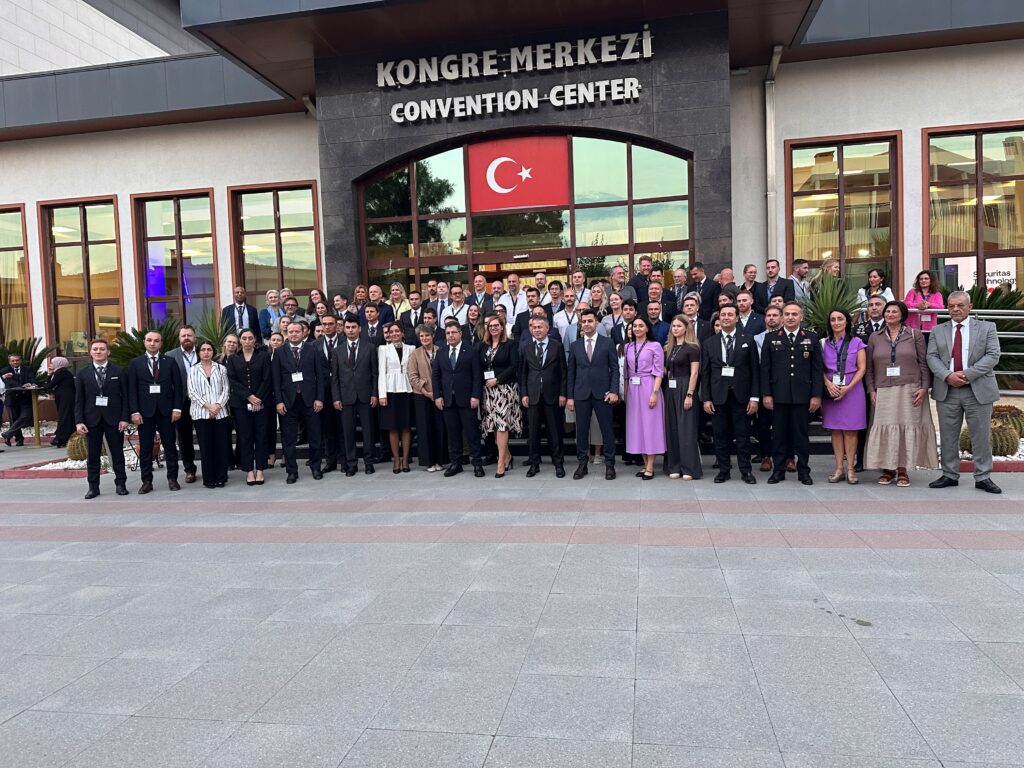
14th Electronic Monitoring Conference, Electronic Monitoring in a Changing World – Perception vs Reality
08/10/2026
On 6-8 October 2026, Antalya hosted the 14th Electronic Monitoring Conference “Electronic Monitoring in a Changing World – Perception vs Reality”. More than 350 participants coming from 30 countries across Europe and worldwide representing probation services, Ministries of Justice, victims´ services, EM providers, researchers as well as local participants representing the Turkish Prison and Probation Service gathered to discuss how electronic monitoring (EM) is understood by all stakeholders involved including the victims and the public, and how these perceptions compare to the evidence and experiences of those affected. While the gap between perception and reality in electronic monitoring has been recognised for over a decade, the rapid expansion of EM into areas such as victim protection, high-risk supervision and digital innovation has brought new challenges and questions to the forefront.
Recap
ITSCCS
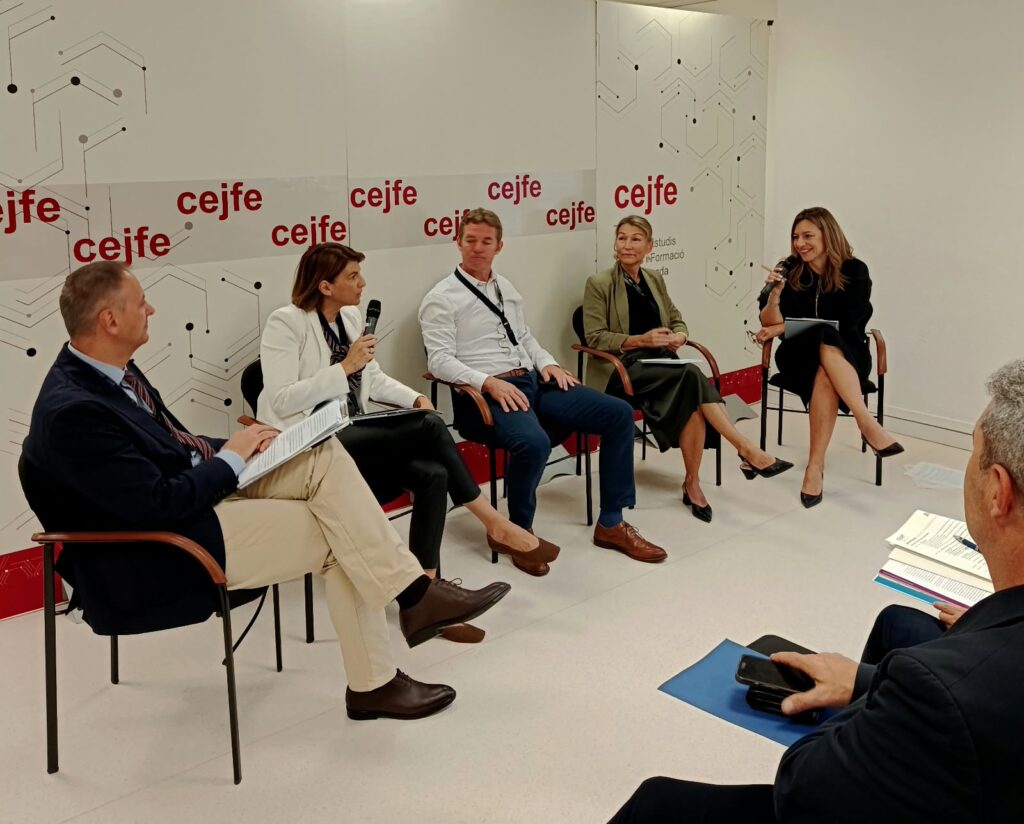
Core Correctional Skills in Digital Probation: highlights from the 6th ITSCCS in Barcelona
05/10/2026
The sixth International Training School on Core Correctional Skills (ITSCCS) took place in Barcelona from 28 September to 2 October 2026, bringing together 26 participants for a week of learning, practical training and international exchange. Organised by the Confederation of European Probation (CEP) and the Centre for Legal Studies and Specialised Training (CEJFE), the programme focused on “Clicks and Empathy: Core Correctional Skills in Digital Probation.”
Recap
Framework Decisions
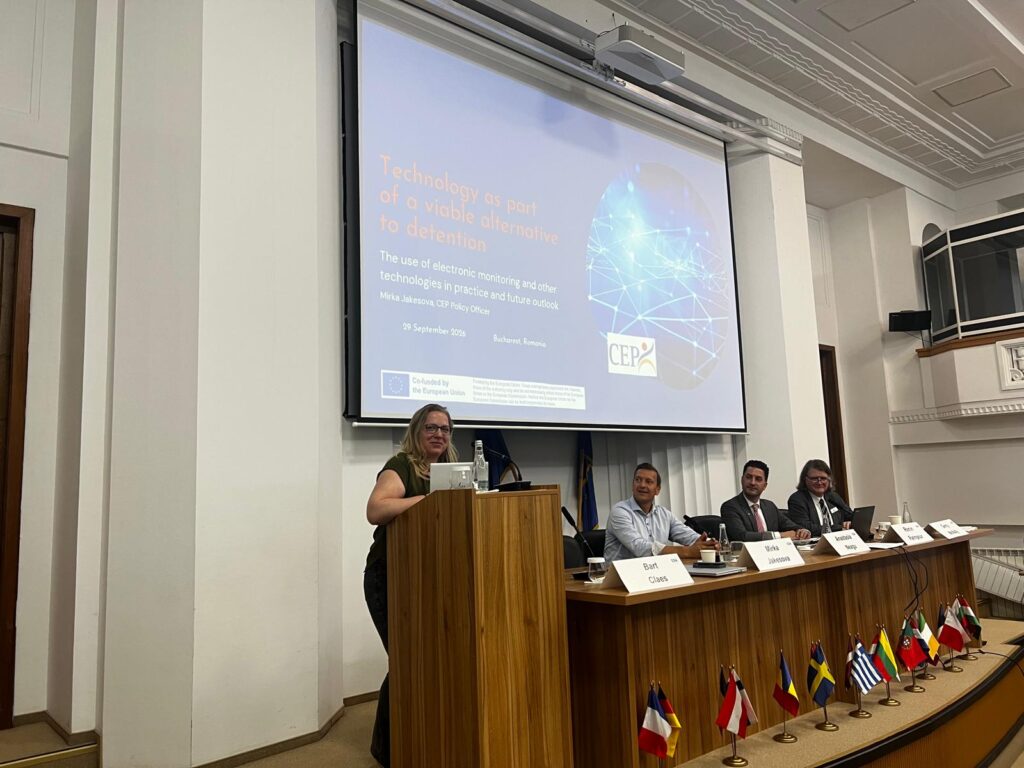
Recap: ERA workshop on Framework Decisions 829 and 947 in Bucharest
02/10/2026
CEP Vice-President Daniel Danglades, Ambassador Gerry McNally and Policy Officer Mirka Jakesova participated in the Seminar on Framework Decisions 829 and 947 and their Impact on Alternatives in the EU organized under the EU project run by the Academy of European Law on 28-29 September in Bucharest, Romania. The seminar brought together judges, prosecutors, probation practitioners, academics, and policy experts to discuss the growing role of alternatives to detention within European criminal justice systems.
New

CEP
CEP and Catalan justice leaders reaffirm longstanding cooperation
29/09/2026
Representatives of the Confederation of European Probation (CEP) met with senior officials from the Catalan Department of Justice and Democratic Quality in Barcelona on 28 September 2026, alongside the opening of the sixth International Training School on Core Correctional Skills. The meeting offered an opportunity to recognise a longstanding partnership and discuss its continued development.
Updated

Mental Health
DEADLINE EXTENDED: Call for Pilot Implementation of the European Mental Health Training Curriculum
29/09/2026
Good news for CEP members! Following requests from our members, CEP has extended the deadline to apply for the pilot implementation of the European Mental Health Training Curriculum for Probation Officers.
Recap
ITSCCS, Technology
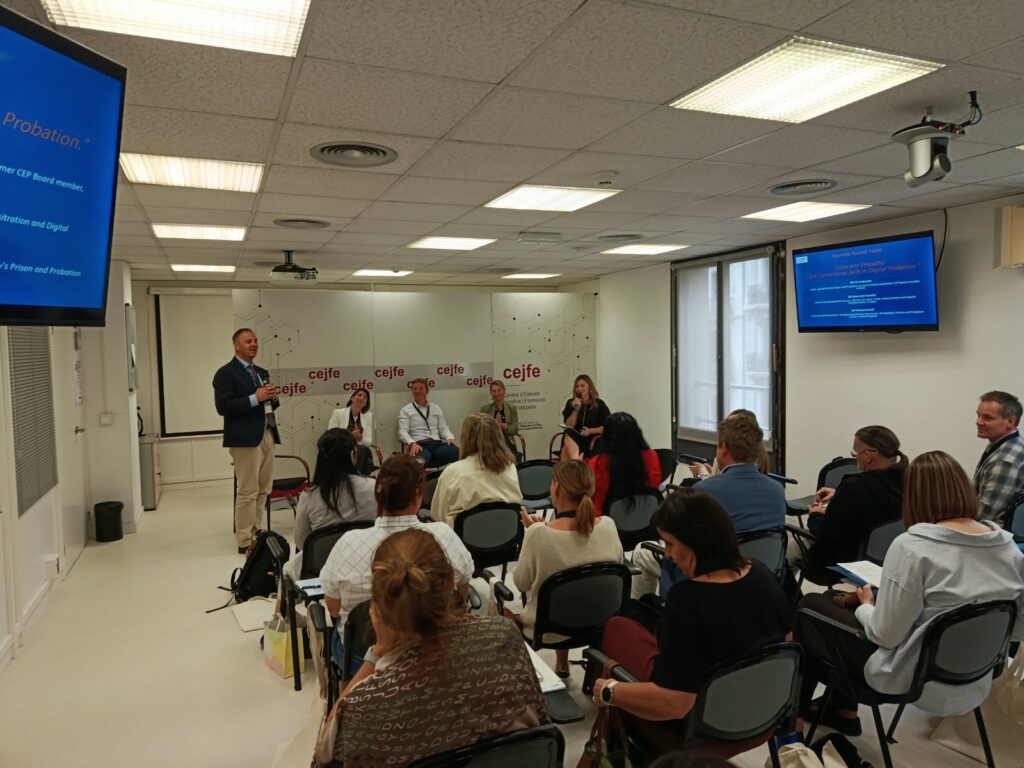
6th International Training School opens in Barcelona with a focus on digital probation
28/09/2026
How can probation professionals use new technologies in their interactions while building trust, showing empathy and supporting change? This question is at the heart of the sixth International Training School on Core Correctional Skills, which opened in Barcelona on 28 September 2026.
Subscribe to our bi-monthly email newsletter!
"*" indicates required fields
- Keep up to date with important probation developments and insights.