

Previous Article
News
Technology and Innovation Take Centre Stage at CEP Workshop on Alternatives to Detention in Barcelona
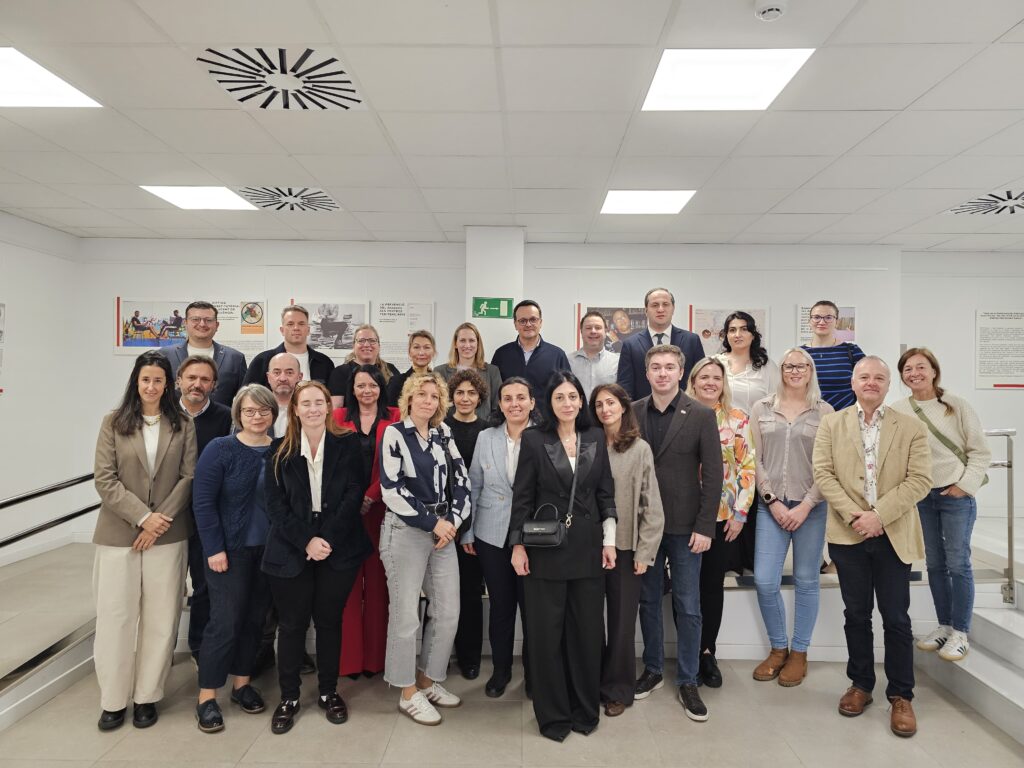
On 24 November 2026, representatives of 14 European jurisdictions gathered in Barcelona, Catalonia-Spain, for the Workshop on Alternatives to Detention and Technologies: Deep Diving in New Trends. Hosted at the Centre for Legal Studies and Specialized Training, the event provided a unique platform to explore how digital technologies, artificial intelligence, virtual reality, and innovative service delivery models are reshaping probation and alternatives to detention across Europe. Organised by the CEP´s Expert Group on Technology, the workshop brought together practitioners, policymakers, researchers, and technology specialists to exchange experiences and discuss both the opportunities and challenges associated with digital transformation in probation practice.
The workshop was officially opened by Marc Cerón i Riera, Director of the Centre for Legal Studies and Specialized Training and former CEP President, together with Rosa Maria Aragonès, Deputy Director General of Reparation and Community Sanctions Measures of the Government of Catalonia, and Anna Esquerrà Roqueta, CEP Policy and Liaison Officer.
Following an interactive introduction that allowed participants to get to know each other, the programme commenced with a presentation by Pia Andersson of the Finnish Prison and Probation Service, who introduced the Practice Recommendations regarding AI and new technologies in probation settings (available exclusively to CEP members). The session provided participants with a legal perspective on AI and emphasised that its use must be approached with the utmost caution.
The discussion on artificial intelligence continued with a presentation by Wensley Grond from the Dutch Probation Service, who shared insights into current AI initiatives within Dutch probation practice and the work of Luisterlijn. Participants explored how European probation services are beginning to experiment with AI-supported tools while maintaining a strong focus on professional judgement, transparency, and accountability. Participants identified a significant need for practical guidance and continuous training on the use of AI for probation professionals, as such support remains limited in many probation services.
Recognising that digital transformation requires investment in people as much as technology, Anna Esquerra Roqueta introduced the work of the CEP Expert Network on Education and Training in Probation. The presentation emphasised the need for modern learning approaches capable of preparing probation professionals for increasingly digital work environments.
The afternoon sessions showcased practical examples of technological innovation from across Europe. Koraljka Novak Lozina from Croatia presented the use of virtual reality for simulating real-life scenarios in controlled environments, demonstrating how immersive technologies can support professional training and skill development. Imants Mozers from Latvia followed with a presentation on ReHub, a platform connecting probation, corrections and criminal justice professionals providing opportunities both for practitioners and organisations.
Innovation in service delivery remained at the centre of the programme during a session dedicated to digital solutions in probation practice. Iason Nachkebia from Georgia introduced PROBBOX, a self-service kiosk designed to enhance accessibility and efficiency for probation clients and practitioners alike, while Gillian Montgomery from Northern Ireland presented Causeway, an integrated messaging system that supports communication across criminal justice agencies.
The workshop concluded with a session examining how digital tools can enable modern service delivery. Contributions from Pia Andersson and Theresa Koeb of Austria’s NeuStart stimulated discussion on balancing technological innovation with the personal relationships that remain central to effective probation work. It was stressed that the successful introduction of digital tools requires more than technology alone. Before implementing any new solution, organisations should develop a clear digitalisation strategy, engage in internal discussions about needs and objectives, and carefully consider how proposed tools fit their national and organisational context. Service design approaches that involve both practitioners and clients in the development process were highlighted as particularly important for ensuring that digital solutions are user-centred and responsive to real-life needs.
Another key message concerned the importance of capacity building and staff support. Pia Andersson highlighted the role of digital learning opportunities and shared the Finnish experience, where dedicated digital skills instructors are available within probation offices to support colleagues in developing digital competences and adapting to new technologies. Theresa Koeb presented the Austrian approach linked to the Go NEUSTART app, where local “App Ambassadors” act as a bridge between headquarters, local offices, and clients, facilitate the exchange of feedback and ideas, promote available learning resources, and provide basic technical support to colleagues. These examples demonstrated that successful digital innovation depends not only on the quality of the technology itself, but also on effective training, local support structures, and ongoing stakeholder engagement.
The final future-oriented discussion invited participants to reflect on how technologies may continue to transform alternatives to detention and probation in the coming years. While the workshop showcased a wide range of innovative practices already in use across Europe, a common message emerged throughout the day: technology should not replace human interaction but rather strengthen the ability of probation services to support rehabilitation, improve effectiveness, and deliver more responsive services to clients and communities.
By bringing together experiences from Finland, the Netherlands, Croatia, Latvia, Northern Ireland, Georgia, Austria, Catalonia-Spain and beyond, the workshop successfully highlighted the growing importance of technological innovation within probation. It also demonstrated the value of international cooperation in ensuring that emerging technologies are implemented responsibly, ethically, and in ways that contribute to safer communities and better rehabilitation outcomes across Europe.

Related News
Keep up to date with the latest developments, stories, and updates on probation from across Europe and beyond. Find relevant news and insights shaping the field today.
Recap
Technology
Technology and Innovation Take Centre Stage at CEP Workshop on Alternatives to Detention in Barcelona
26/11/2026
On 24 November 2026, representatives of 14 European jurisdictions gathered in Barcelona, Catalonia-Spain, for the Workshop on Alternatives to Detention and Technologies: Deep Diving in New Trends. Hosted at the Centre for Legal Studies and Specialized Training, the event provided a unique platform to explore how digital technologies, artificial intelligence, virtual reality, and innovative service delivery models are reshaping probation and alternatives to detention across Europe. Organised by the CEP´s Expert Group on Technology, the workshop brought together practitioners, policymakers, researchers, and technology specialists to exchange experiences and discuss both the opportunities and challenges associated with digital transformation in probation practice.
New

Gender-based violence
16 Days of Activism Against Gender-Based Violence: Stay Tuned!
24/11/2026
Every action matters. Every voice counts. Every profession has a role to play.
Recap
Technology
Expert Group on Technology holds its annual meeting
23/11/2026
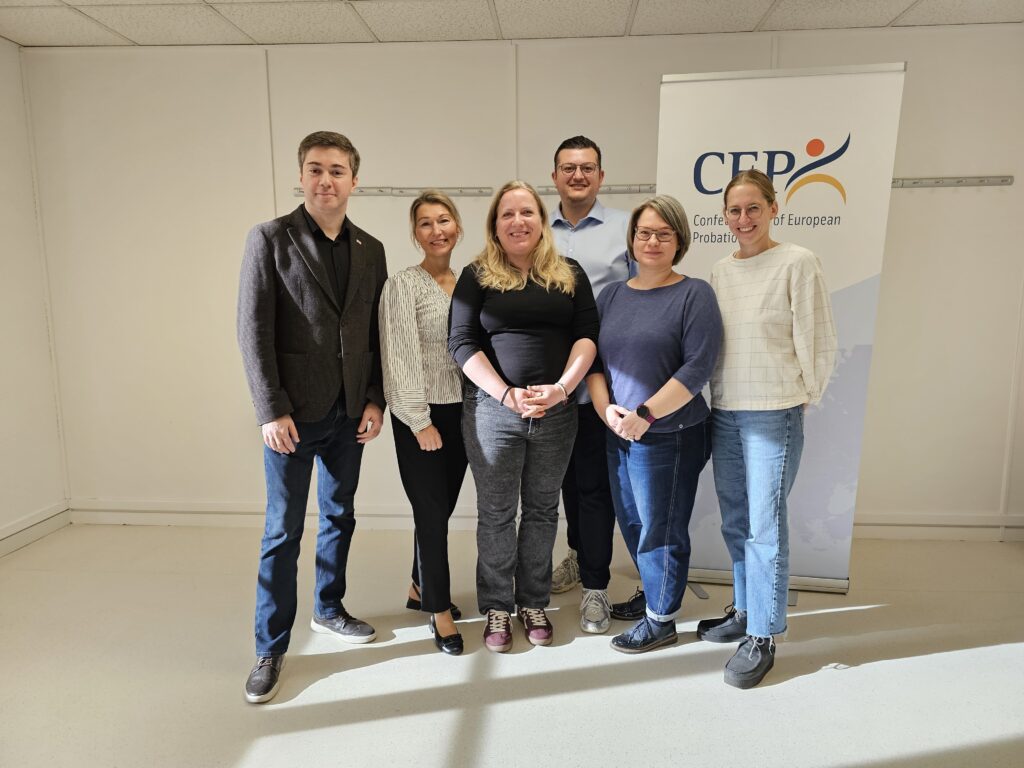
The annual meeting of CEP’s Expert Group on Technology took place on 23 November 2026 in Barcelona, Spain, ahead of the Workshop on Alternatives to Detention and Technologies: Deep Diving in New Trends. Representatives from Finland, Austria, Georgia, the Netherlands, Croatia and the United Kingdom (Northern Ireland) came together to finalise preparations for the workshop and discuss the group’s priorities and work plan for 2027.
Recap
Gender Equality
Gender-based violence in probation: CEP Expert Group presented its work
19/11/2026
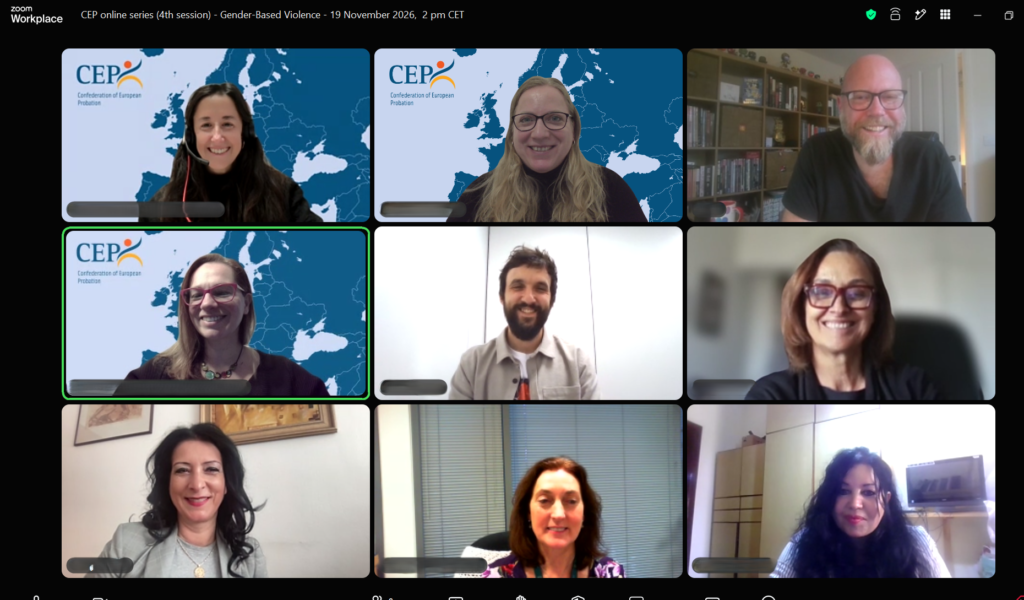
On 19 November 2026, the Confederation of European Probation (CEP) hosted the webinar Gender-Based Violence in Probation: Presenting the Expert Group’s Outputs. The event drew more than 35 participants from Europe and beyond. It focused on three questions for probation services: how to engage people in treatment, how to challenge common myths about gender-based violence, and how to prevent burnout among staff working with people who have committed gender-based violence.
New
CEP Board
CEP board visit France
16/11/2026
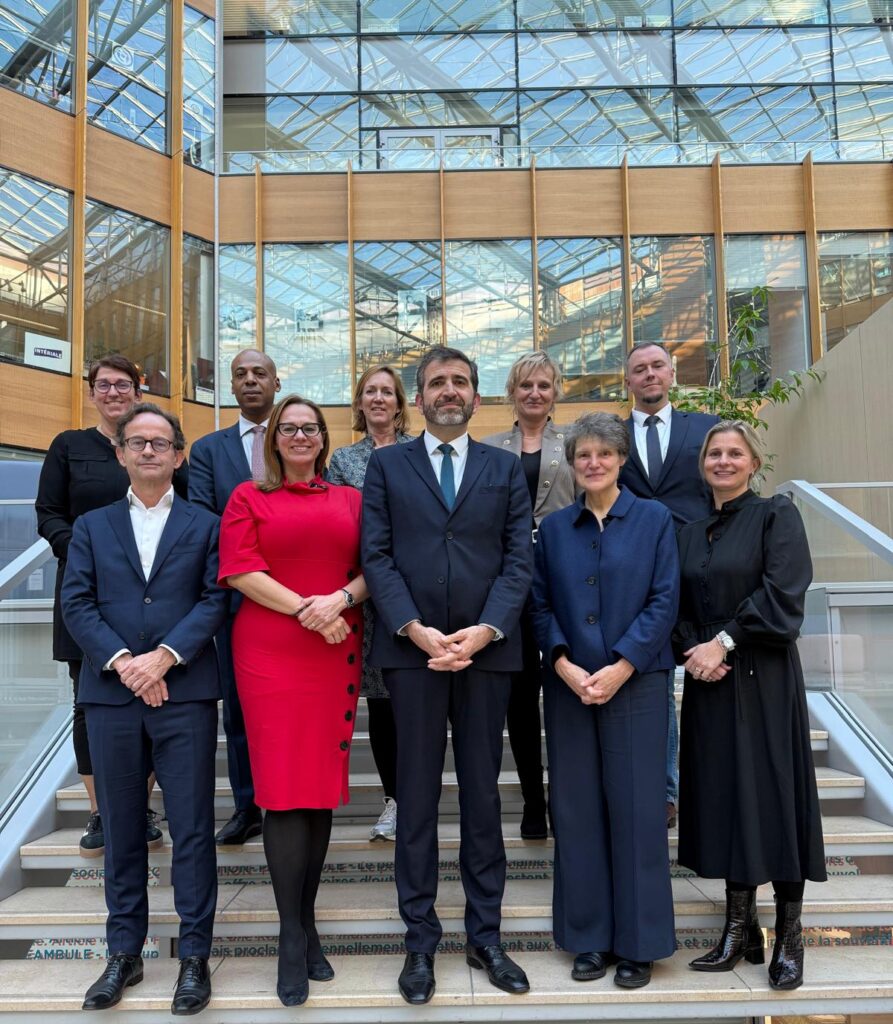
On 13 November 2026, the CEP Board visited its French member organisation, the Direction Générale de l’Administration Pénitentiaire of the French Ministry of Justice. The visit coincided with the final CEP Board meeting of the year, hosted by CEP Vice-President Mr Daniel Danglades, who represents the French institution.
Recap
Framework Decisions
Recap: annual meeting of the Expert Network on Framework Decisions 829 and 947
09/11/2026
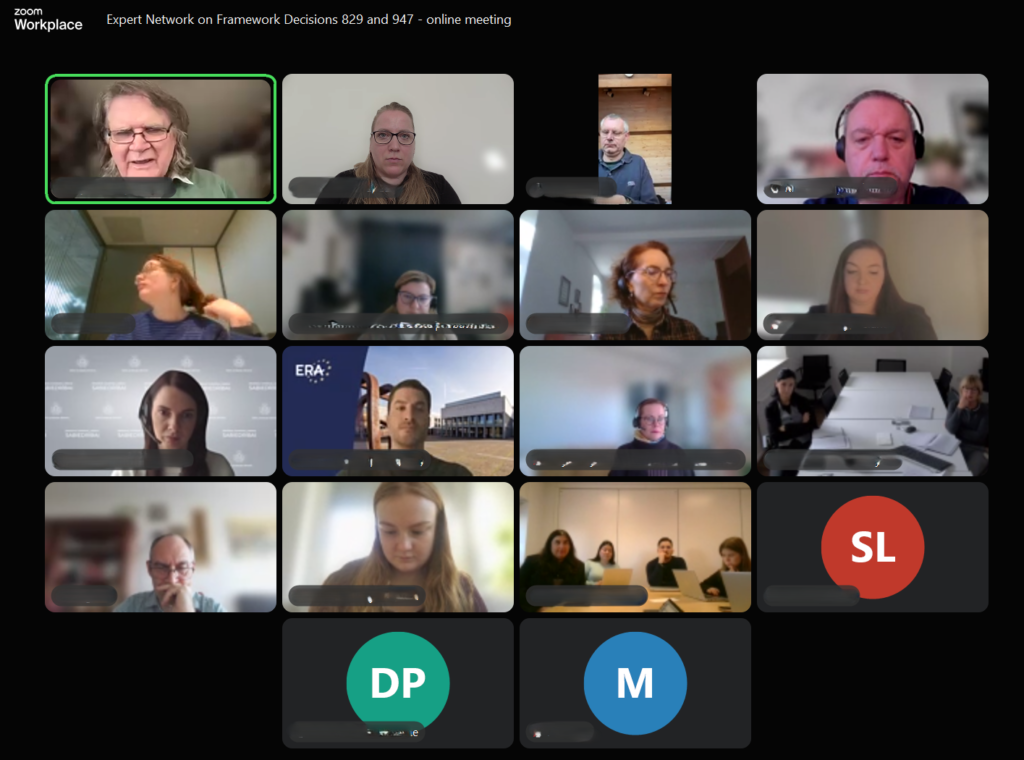
On Thursday 5 November an annual meeting of the Expert Network on Framework Decisions 829 and 947 took place online. Bringing together 20 participants from 12 EU jurisdictions including representatives of the Academy of European Law and European Judicial Network, the meeting provided an opportunity to exchange experiences, discuss current implementation challenges and identify priorities for enhancing cross-border cooperation in the application of the two Framework Decisions.
Subscribe to our bi-monthly email newsletter!
"*" indicates required fields
- Keep up to date with important probation developments and insights.